Introduction
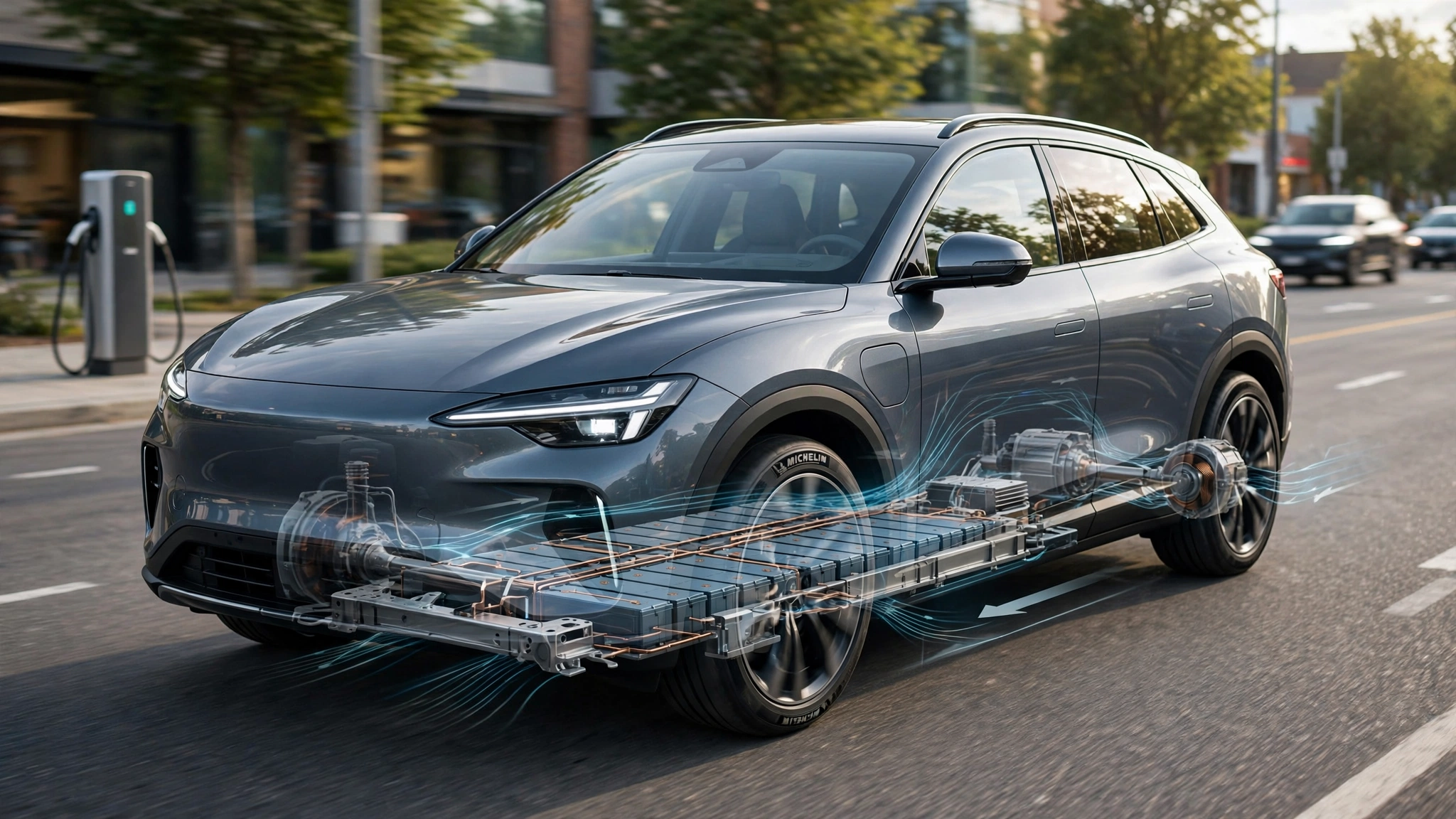
EV technology is used in electric cars (EVs), which use electricity as a fuel instead of gasoline or diesel for their power. EV technology includes a high-voltage battery, electric motor, power electronics, charging equipment, regenerative braking, and a battery-management system. All of which work together to put energy in storage, convert it to motion, recover some energy during braking events, and safely manage the battery.
These systems’ inner workings are what we study to answer new-to-us questions on EV performance, charging, range, and maintenance. Also, unlike traditional cars, which have an internal combustion engine for power, EVs use electrical energy and computerized systems, which in turn provide smooth and efficient performance.
How Electric Vehicles Work
When a car is charged up, it stores electrical energy in its high-voltage battery. As the driver presses the pedal, the battery puts out electricity, which goes through power electronics to the motor. The motor transforms the electrical energy into mechanical power that goes to the wheels, which in turn move the car.
Many EVs have a reduced number of mechanical components as compared to gasoline-powered vehicles. We do not see a traditional engine, exhaust system, fuel tank, or conventional multi-speed transmission. Instead, what we find is software and electronic systems which control power delivery, battery performance, charging, and other key functions.
Electric Motors and Performance
Electric power is what runs electric motors, which in turn cause movement. Also, unlike a gas engine, which does not produce great torque at low speed, an electric motor does. That which we see in EVs is that they are able to accelerate very fast and smoothly at low speeds, which we do not usually see in traditional vehicles.
Some cars have a single motor, while others, which include all-wheel drive and better control, use two or more motors. Also, electric motors are very quiet and efficient, which in turn is what gives EVs their distinct performance.
Lithium-Ion Batteries
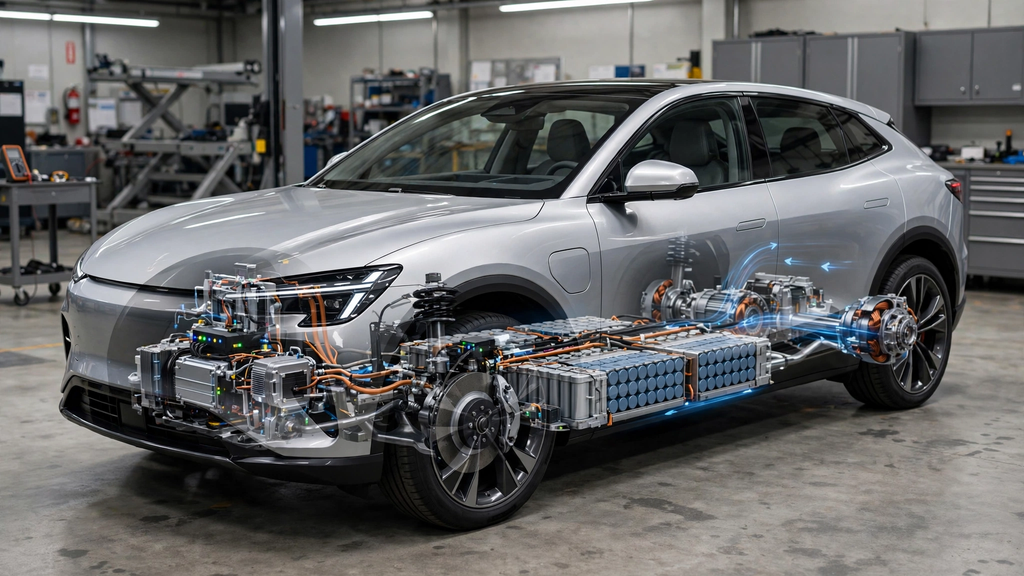
In the past, we used large-scale batteries, which in fact are what store the electric charge that runs the car. Today, mostly used in the EV field are the lithium-ion batteries, which we see as the best at what they do, which pack in a lot of energy, power, not be too heavy, and also to charge up quickly. The battery pack in an EV is made up of many cells, which we then tie together to get the right voltage and capacity for the car.
For in-depth information on the technology of these batteries, see lithium-ion batteries. Battery capacity is usually reported in kilowatt-hours (kWh). Larger battery size does put out more energy into storage, but range also is affected by vehicle weight, speed, temperature, aerodynamics, tires, road conditions, and driving habits.
Battery-Management Systems
The BMS reports on the state of the battery while the vehicle is in motion or in the charging process. It also records the temperature, voltage, current, and state of individual cells. This info, in turn, is used to run the battery within safe parameters.
The BMS also will put into play its role in the health of the battery, by which it controls charge and power output as required. Should the battery temperature go above the safe range or any other parameter go out of the set limits, the system will reduce charge or performance of the vehicle to protect the battery.
Regenerative Braking
In some cases, an EV may recapture energy during braking. Rather than have all of the vehicle’s kinetic energy turn to heat via traditional friction brakes, the electric motor steps in to function as a generator.
Recovered electrical power is also put back into the battery. Regenerative braking improves efficiency and at the same time may see less wear on traditional brake parts. Also, in some vehicles, drivers may play a role in how quickly the car slows when they let off the gas.
Power Electronics
Power electronics, in the case of a vehicle, refers to the systems that run the transfer of electricity between the battery, electric motor, and the rest of the vehicle’s systems. A key element is the inverter, in which we control the amount of electrical power going to the motor and which also plays a role in what level of torque the motor will put out.
EVs also have in them devices like DC-DC converters and onboard chargers. These systems, which in turn give out the right electrical power for various vehicle components, also manage energy collected during charging. Also of importance is that in power electronics, which, when not efficient, see to it that they do reduce overall vehicle efficiency.
EV Charging Systems
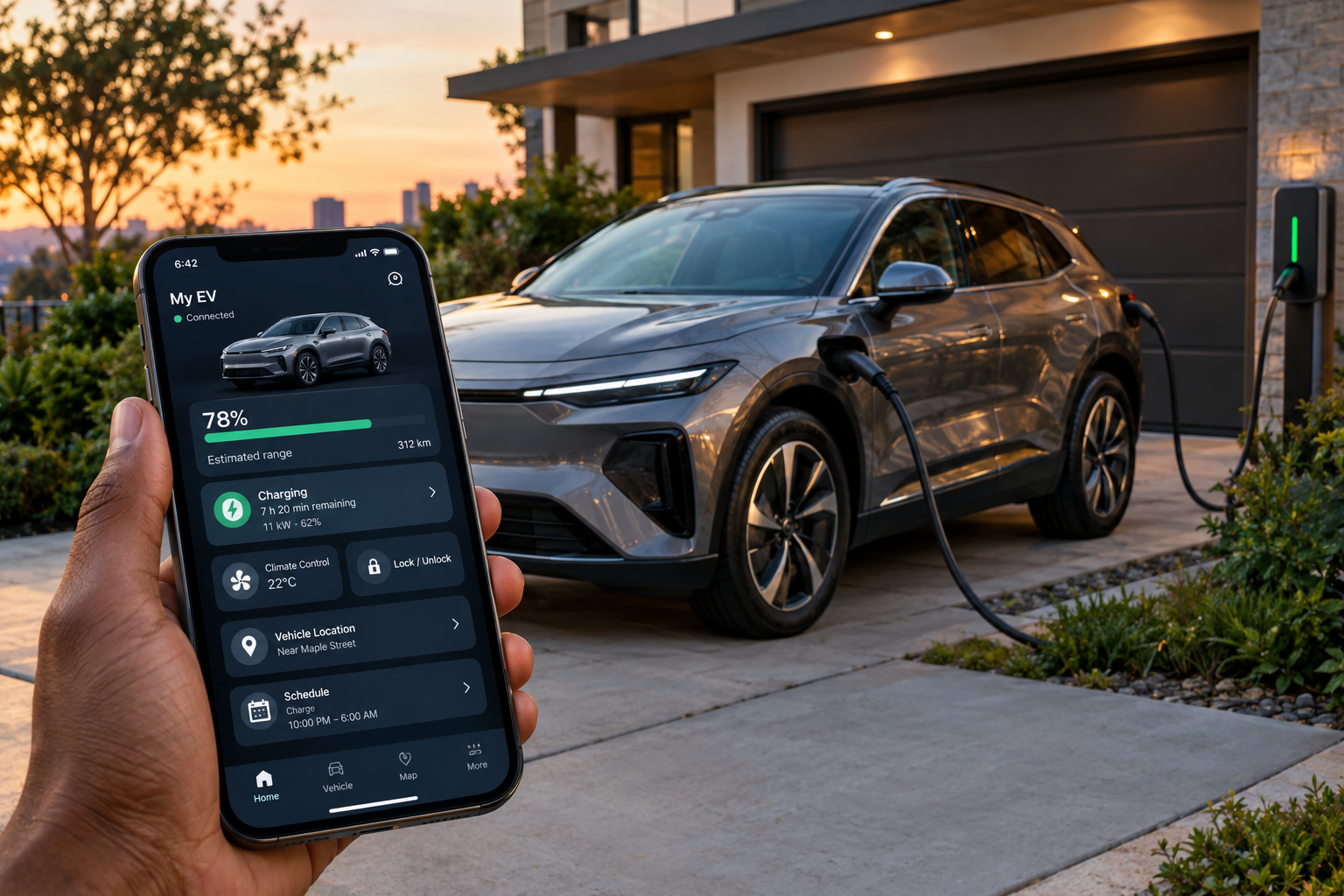
Charging is what recharges the vehicle’s energy, which EVs use up. At home or at certain locations around the place, EVs may use AC charging, which is more common. Also, there is the option of DC fast charging, which provides greater power for a quick top-off.
Charging speed is a factor of what vehicle you have, the charger type, battery temperature, battery state of charge, and other variables. You may see quick charges at low battery percentages, which slow as the battery nears full charge. Also, it is the case that time which it takes to go from a low charge to a moderate charge may be very different from the time which it takes to charge from low to almost full.
EV Range
An EV’s range is a variable which goes beyond just battery size. Speed, temperature, road conditions, vehicle weight, tire pressure, use of climate control, traffic, and driving style all play into energy use. For instance, cold weather and high speed may reduce efficiency.
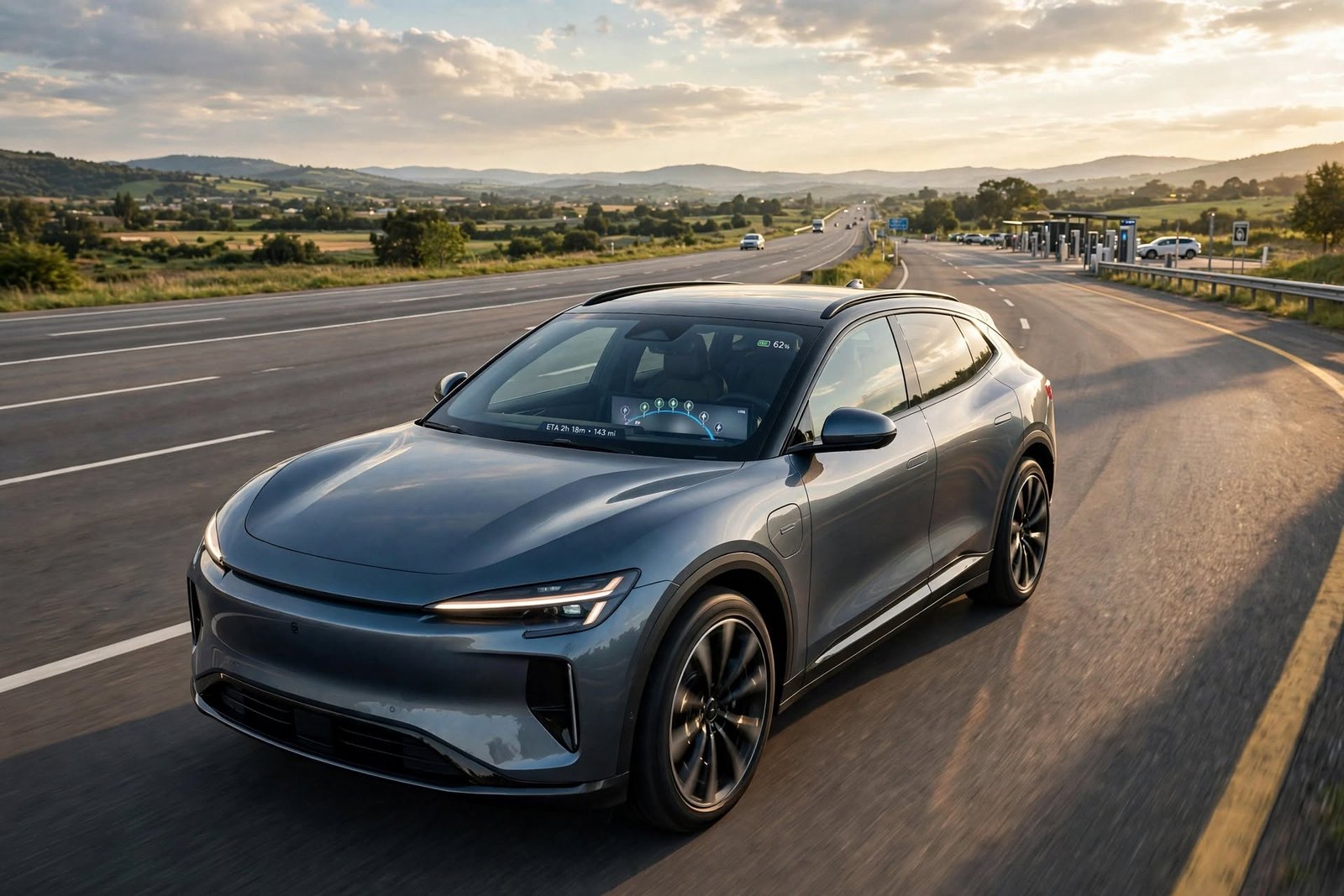
Today’s EVs report range via their displays and in the navigation system, which may vary based on recent drive conditions. Also, drivers may improve efficiency with smooth acceleration, right speed, proper tire care, and the use of regenerative braking.
EV Maintenance
EVs typically require less routine powertrain maintenance as compared to regular vehicles because they include little of the equipment which goes into an internal combustion engine. There is no engine oil or spark plugs. Also, we don’t see the exhaust or the large set of service components present in gas-powered cars.
Still, we see that many of the issues related to EVs are in fact with respect to the same kind of care that one would give a traditional car. Tires, brakes, suspension elements, cabin filters, cooling components, and other car parts all do better with routine checkups. Also, high-voltage systems, which are unique to EVs, do well with proper service, so it is best that owners follow up on the manufacturers’ recommendations for maintenance and at times use certified technicians.
EVs vs. Conventional Vehicles
In terms of energy conversion, which is the base of movement, we see the main difference between an EV and a conventional vehicle. In a conventional car, the fuel is burned within the engine, but in an EV, electricity from a battery is used to run the electric motor. This difference plays into acceleration, efficiency, noise, maintenance, and refueling.
EVs also charge at home, which is a plus point for them. But for long-distance travel, it is a matter of finding charging stations and timing out for conventional cars. Also, in terms of fueling up, the traditional cars do that much faster, but EV owners do see the benefit of having a fully charged battery to start their day’s trip.
Conclusion
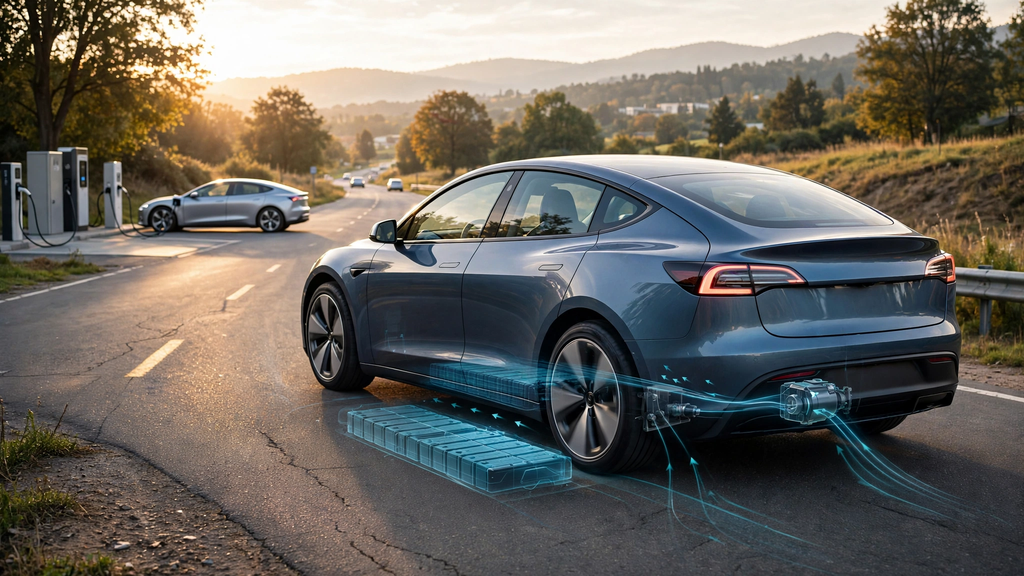
Electric cars use a team of technologies that work in concert. We have batteries for energy storage, electric motors for movement, power electronics to manage electricity, battery-management systems to protect the battery, charging systems to recharge as needed, and regenerative braking, which recaptures some energy during braking.
Store energy from electricity, control its use efficiently, convert it into motion, and in some cases recover that which is put back. As battery, charging, motor, and electronic technologies improve, so do EVs, which are thus becoming a large part of today’s transport.