Introduction
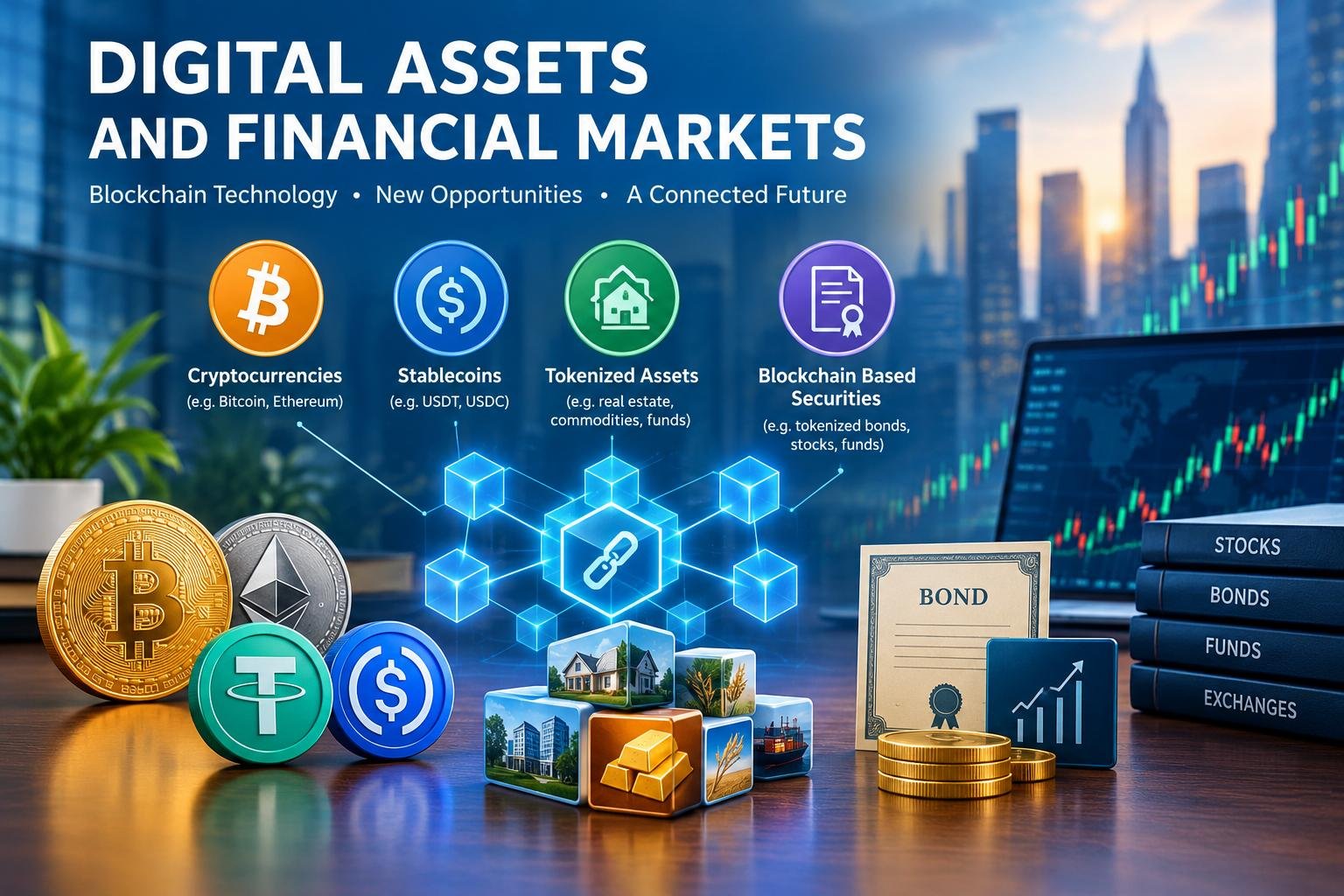
Digital assets have gone from being a technology topic to a broader discussion in the investing, payments, securities and financial market infrastructure space. Blockchain is at the heart of this innovation, a technology which makes transaction and ownership data accessible and verifiable on a distributed network. Digital assets refer to a variety of forms, and aren’t all the same type of value, ownership, or investment risk. Blockchain networks can be used for a wide variety of different types of cryptocurrencies, stablecoins, tokenized assets, and blockchain networks for securities, with varying purposes and characteristics. It is crucial to recognize these differences as the digital asset space isn’t a monolithic investment category. Rather, it is a generic pool of technologies and financial instruments which may be used in various ways in the traditional markets. Investors are thus advised to make a conscious effort to go beyond the term blockchain and comprehend what a specific digital asset is.
An important one is tokenized assets, which may be an interest in securities, funds, real estate, commodities or other financial and real world assets. The concept of asset tokenization is a method of representing an asset or asset rights on a blockchain, which could allow more processes related to asset ownership, transfer and record keeping to be programmed. Financial institutions that are exploring these options are talking about tokenization as well as alternative solutions to the existing market structure and not just as an alternative. But for investors, having a blockchain doesn’t necessarily make an asset more valuable, or less risky. The other conditions of the underlying asset, legal rights, issuer, market structure, liquidity, custody and regulatory landscape are crucial factors to take into consideration when evaluating any investment in a blockchain investment. The value of a token can alter the meaning of an asset, without altering the underlying risks of the asset.
What are Digital Assets?
A digital asset is typically an asset or representation of value that is created, recorded, transferred or managed in digital technology. Blockchains provide an alternative approach to recording ownership or transaction history in blockchain markets, where multiple users can have a synchronized record of ownership without the need to keep one database for each transaction. A digital asset can be a claim on another asset, a financial security, a payment instrument or native value created in a blockchain network, based on its design. A broad definition is given reason to be, as cryptocurrencies and tokenized bonds both could be considered digital assets, even though they are used for vastly different purposes. Investors should thus inquire about attributes of the asset, its issuer, its rights, its enforcement, and whether the asset could actually be transferred or redeemed, as per applicable rules.
How Blockchain Can Aid Digital Assets
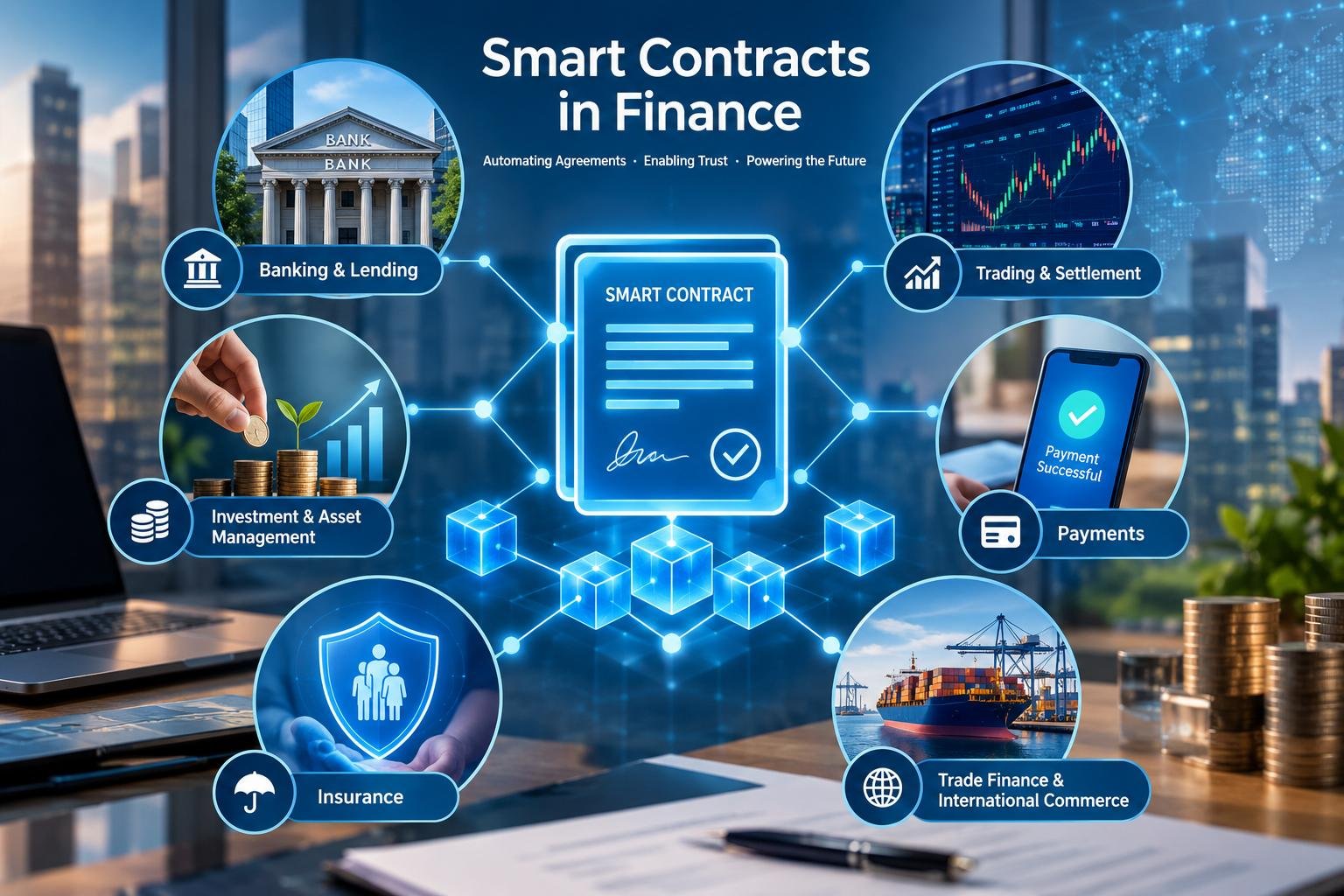
Many digital assets utilize blockchain or other DLTs. A blockchain is a system of organizing transactions in records that are linked and stored in a network following certain rules. Identifying different consensus mechanisms and using cryptographic methods to ensure record integrity and transfer of ownership between digital addresses are among the ways that transactions can be validated on the network. A smart contract could be used to provide an additional layer of functionality: some instructions could be automatically executed if a specific condition is met. These capabilities can be utilized for monetary purposes like programmable payments, automatic settlement and digital ownership records. Meanwhile, blockchain systems come with their technical and operational challenges, ranging from cybersecurity, private key management, network performance, governance, interoperability, to software vulnerabilities. Technology is a means of transforming how an asset is managed, not an excuse for poor finance and legal arrangements.
The Concept of Cryptocurrencies and their Impact on Financial Markets
Cryptocurrencies are digital assets typically running on the blockchain that are not necessarily based on the claims of traditional assets. Some cryptocurrencies might have a different network, application or function, such as Bitcoin, which was created as a decentralized digital monetary system. The value of their prices fluctuates often due to factors such as supply and demand, market sentiment, adoption, liquidity, technological innovations, regulation and overall economic health. Cryptocurrencies are considered an alternative asset or a speculative investment by some market participants, and are also utilized for value transposition by others for being involved with blockchain application. They have established linkages with traditional financial markets by exchanging, providing custody, distributing investment products, creating derivatives, and being involved in financial institutions. However, there are significant risks relating to the price, security, regulatory, and liquidity of cryptocurrency exposures that should not be interpreted to be the same as holding a traditional security or bank deposit.
Stablecoins and Digital Payments
Another significant segment of digital currencies are Stablecoins. They are typically created to keep a relatively stable value against a reference asset, normally the U.S. dollar. They are of many different shapes and forms. Some stablecoins are backed by cash or short-term financial instruments, and others have various types of collateral or methods – for keeping their value stable. They can be used for payments, transfers, trading, settlement and liquidity flow between blockchain based applications, and have potential applications in financial markets beyond investment. Stablecoins can thus act as a link between money and digital asset markets. It is not to be assumed, however, that they are guaranteed to be stable. Factors such as Reserve quality, redemption schemes, governance of the issuer, liquidity in the market, technology used, and regulation can influence the stablecoins’ ability to keep its value.
How to Invest in Real World Assets Using Tokens.
Through tokenization, blockchain technology can be used to represent rights to an existing asset which brings it closer to the traditional financial markets. The token may be any legal and/or technical entity that represents a stake in a bond, a fund, real estate investment, commodity or something else. The benefit is not just that the ownership document turns digital many assets have a paper history, and that is already the case for many assets. Rather, tokenization can enable other functions such as ownership, transfer rules, compliance conditions to be embedded in programmable systems. This may help to enable greater automation and enhance coordination of market participants. But, the token alone does not create a legal ownership. The connection between the digital token and the underlying asset needs to be properly defined, have enforceable legal contracts, and be accepted in the applicable jurisdiction.
Potential Investment Applications
Depending on the product structure and the regulations that apply, there is the possibility that tokenized assets open up new investment opportunities for investors or may be split up into smaller units. Both fractional ownership and programmable transfers have the potential of reducing the amount needed to get into some investments, and improving administration. Another advantage of tokenization is that it could facilitate maintaining coordinated records by issuers, brokers, custodians, investors and others. However, it is not enough to assume that liquidity is the case if an asset is tokenized. A tokenized security could have only a few buyers and sellers, may only be transferable among certain users, or may only be traded during specific times. Before viewing tokenization as an advantage for investors, they should also take account of the valuation, fees, terms of redemption, legal status of the token, and the counterparty risk associated with the tokenization. Digital representation can enhance the process, but no guarantee of investment result.
Blockchain Based Securities
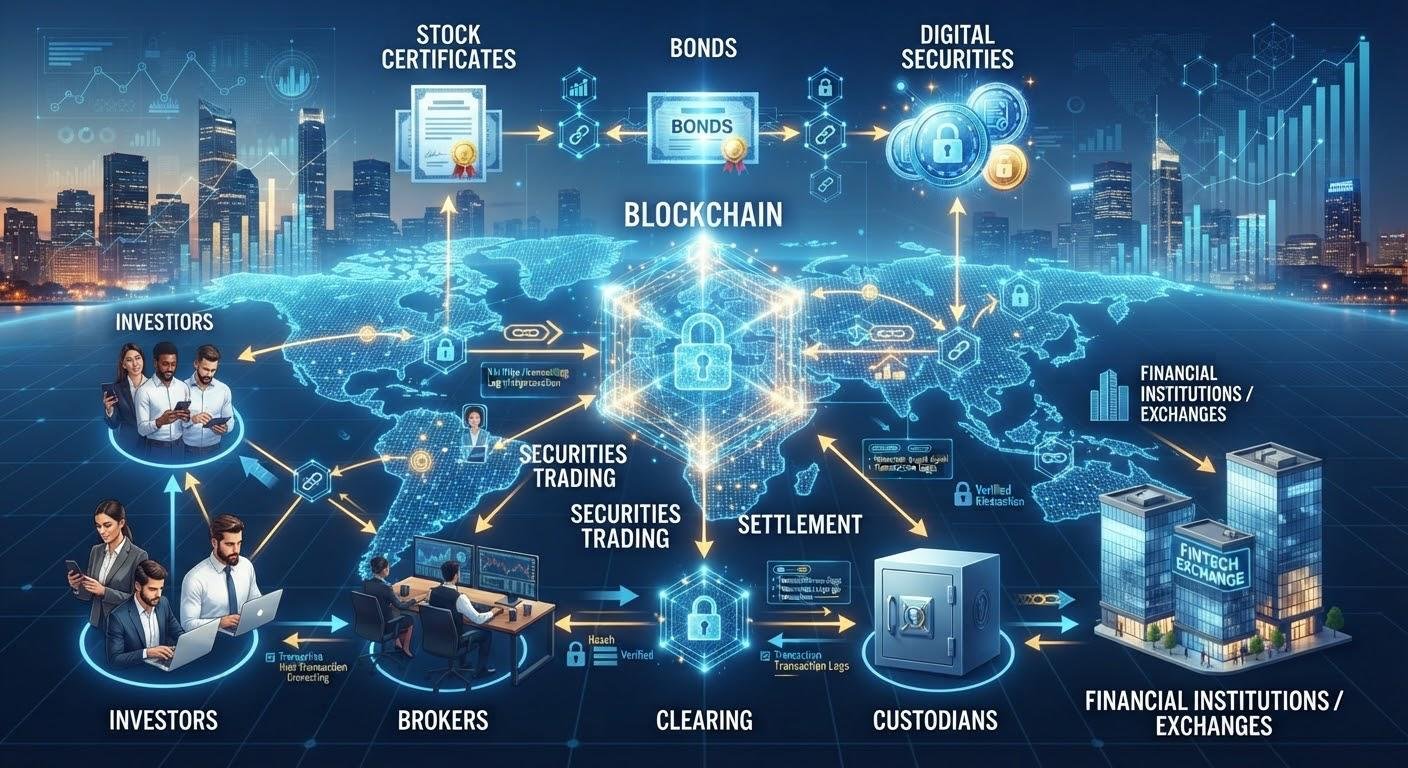
Securities whose issuance, trading, settlement or record-keeping systems of ownership are based on distributed ledger technology are blockchain based securities. They can be in the form of tokenized bonds, stocks, funds or other regulated financial products. They could be attractive because they are trying to compress all of the stages of the securities lifecycle into a shorter timeframe. Issuance records, investor ownership, transfer instructions and settlement information might be handled via connected digital systems, minimizing the necessity to routinely reconcile numerous other databases. Smart contracts can also be used to trigger some conditions, such as payment of coupons or the prohibition on transfers. All of these advances may reduce the inefficiency in operations, but they’re not substitutes for the need for regulated intermediaries, investor protection, disclosure and compliance processes, and good governance. In order to be successful, blockchain-based securities will need to integrate with the existing capital market rules and roles.
The Condition of the Settlement and the Market Infrastructure
A possible advantage of blockchain securities is that it can help to minimize the delay in trade execution and final settlement. In traditional securities transactions, there could be several players including brokers, exchanges, clearing corporations, security custodians, settlement institutions and others, and each of these may hold records that must be synchronized. A shared ledger could help minimize duplication and ensure consistency of information about transactions between the participating institutions. But, changing a database is not the end of settlement. Participants must agree on the finality of the transaction, delivery of the assets, payment systems, identity, corporate actions, dispute resolution mechanisms and duties of the participants. But regulation is also necessary, as digital assets could have securities, payments, commodities and financial activities characteristics. Just because a product is backed by complex blockchain technology or sold via a familiar platform doesn’t guarantee that it’s safe, or even legally protected.
Risks Involved in Blockchain Adoption
While blockchain adoption can offer new financial market opportunities, investors should not make the mistake of assuming that a digital asset will have a good performance. An asset’s investment risk will exist whether it doesn’t exist on paper, is stored in a centralized database, or is represented on a blockchain. The value of digital assets may fluctuate, there may be limited liquidity in the market, digital assets may be vulnerable to cyber security, fraud, operational issues, regulatory uncertainty and technological related issues. Other risks that investors could face include issues with private keys, wallets, exchanges, custodians, smart contracts, or issuers. There may be further uncertainties regarding the rights and title of the token over the underlying asset for tokenized assets. Before investing, the investor should, therefore, review its purpose, issuer, rights of ownership, financial structure, fees, asset liquidity, asset custody, regulatory classification and risk of loss.
The Future of Digital and Traditional Markets’ Relationship
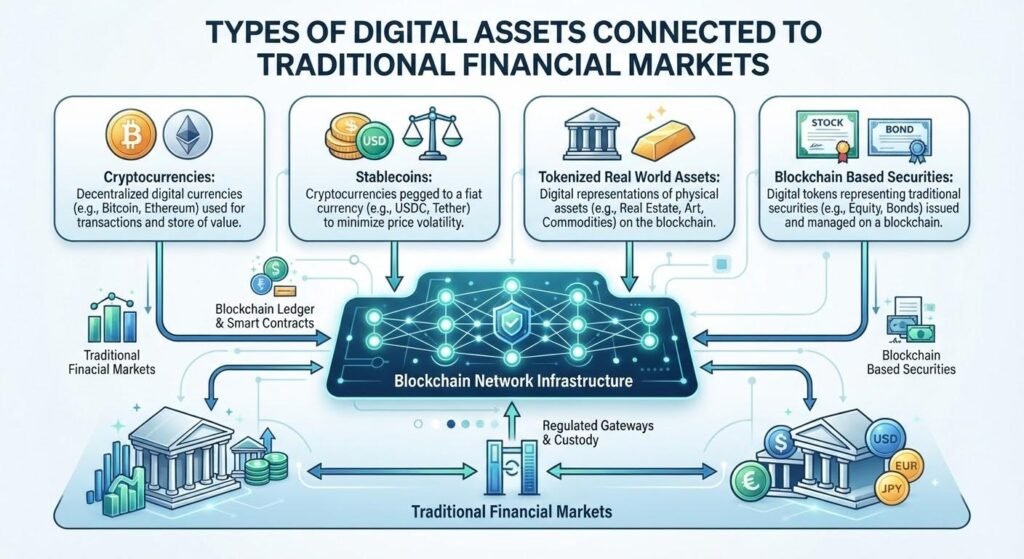
Rather than one replacing the other, digital assets of the future are expected to involve more engagement with the traditional financial infrastructure via blockchain based systems. Distributed ledger technology can be utilized in certain capacities by banks, asset managers, exchanges, payment companies and other institutions without changing the existing legal, regulatory and operational frameworks. The tokenization of securities may evolve in parallel to the traditional securities model, Stablecoins may be integrated into payment systems, and blockchain settlement systems can be linked with existing payment systems and clearing and custody systems. However, digital assets still have risks of market volatility, liquidity pressures, cyber security issues, fraud, operational issues, regulatory developments, and technology specific risks. So here is the key question – and perhaps the only question – for investors: Does the application address a real problem and do the rights, protections and economic value it gives to investors is clearly defined?
Conclusion
Though the world of digital assets is vast and evolving, it’s not enough just to lump all these blockchain-based assets into the category of cryptocurrencies. Cryptocurrencies can serve as decentralized digital assets, stablecoins can be used to facilitate payments and settlement, tokenized assets can be a representation of rights linked to real world and financial asset, and blockchain based securities can benefit various aspects of the capital market lifecycle. These categories serve different purposes, are structured in different ways, involve different risks and have different linkages with traditional financial markets. In some cases, blockchain could potentially benefit coordination, programmability, transfer and record keeping, but it is not a panacea for liquidity, profitability, stability, and investor protection. Understanding an asset and how it operates, who supports it, what rights it entitles its owner to, and what risks accrue to those rights are important in deciding whether to make an investment.
Get more well researched information about digital assets and financial markets here.