Introduction
Databases are a vital part of any organisation’s digital landscape. Databases are used to store, organise and manage important information. From customer records, financial data, staff information and even business processes. However due to the increased connectivity within businesses, cyber threats are increasing. Common attacks include unauthorised access, data theft, ransomware, insider threats and SQL injection.
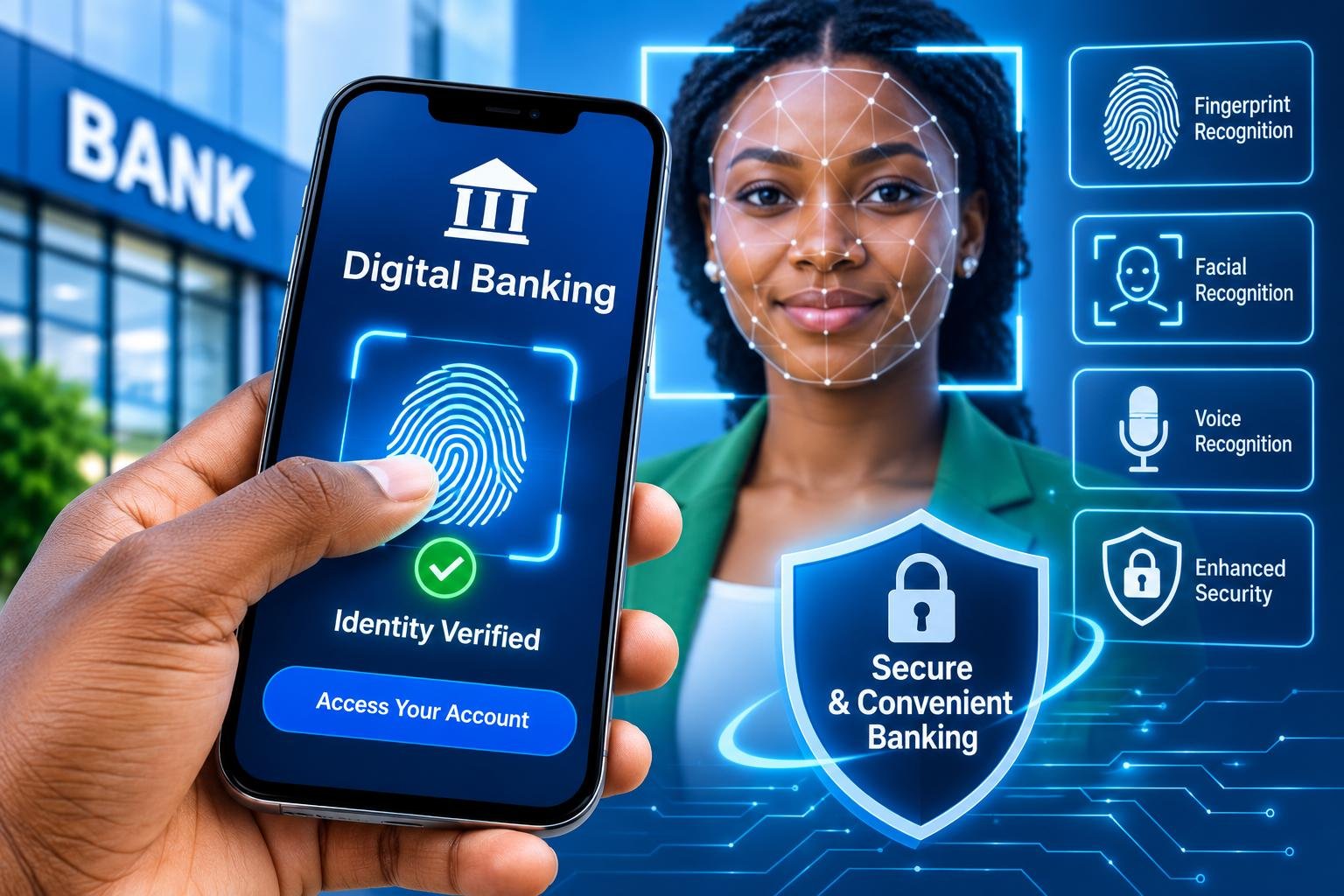
All of which can lead to confidential information being leaked, operations disrupted, damage to your reputation and significant financial loss. Businesses of all sizes should take database security seriously. By implementing the right security measures you will protect your sensitive information from unauthorized activity. Understanding how to secure your databases can help reduce cyber threats.
What is Database Security?
Database security is a combination of policies, technologies, processes and practices that are put in place to prevent unauthorised access, misuse, modification, destruction and cyber attacks. Database security covers securing the database, applications, networking and users. The purpose of database security is to ensure only authorised users can view specific information.
It also prevents malicious users from stealing, modifying and deleting your important data. It also includes monitoring activity within your databases, identifying vulnerabilities, keeping backups and reacting to security incidents. This is important no matter if you use an on-premise, cloud based or a mix of both databases. Database security will not be a single piece of technology but a range of security measures to reduce risk.
Importance of Database Security for Businesses
Many businesses will store vast amounts of information. This information may include customer details, payments, staff details, financial information, intellectual property and confidential information. If this information is accessible by unauthorised users this can cause financial loss, legal issues, disruption to your operations and reduce customer confidence.
For example e-commerce businesses that do not secure their customer database may suffer from personal information and transactions being accessed. Financial institutions suffering from database breaches may face serious investigation and damage to their reputation. A secure database will help you remain in control of your information and keep your business running. It also makes it easier to prove that you take data seriously and have the right security measures in place.
1. Securing Confidential Data
Confidential data simply means making sure that only authorised users can view the sensitive information. Within a business you may have information that should not be available to all staff, customers, contractors or third party services. For example your HR department may need to view staff salaries. However regular staff members should only be able to view information relevant to their role.
Without proper security measures in place your confidential records may be accessible. Using encryption, authentication, limiting access and monitoring will help keep confidential information safe. This is very important for businesses that hold financial data, medical information, customer details and commercial information.
2. Keeping Data Accurate
Keeping data accurate simply means making sure the data within your database is correct. Businesses rely on accurate data to make decisions, process transactions, manage staff and provide services. If an unauthorised user modifies your financial, customer, product pricing or stock information this can cause serious issues. For example a retail business may have incorrect stock information and accept orders for products that they no longer have in stock.
Or financial information may be modified causing issues with your accounts. Using database security will help you keep your data accurate. Limiting access, monitoring activity, having audits, validation and the correct backups will help. You should also investigate any unexpected changes to important information. Keeping data accurate will help you to have trust in your information.
3. Keeping Data Available
Having data available means authorised users can access the information whenever they need. If your database is not available this can cause disruption to your essential operations, cause issues for customers completing purchases, delay financial transactions and impact staff productivity. Cyber attacks such as ransomware and DOS attacks can cause your database to become inaccessible.
Also hardware failures, accidental deletion, software issues and natural disasters can cause issues. Having secure backups, disaster recovery plans, monitoring and having alternative infrastructure will help improve availability. For example an online banking platform needs to have reliable access to customer account information. Keeping data available will help reduce downtime and help keep your customers happy.
15 Essential Database Security Strategies
1. Strong Database Encryption
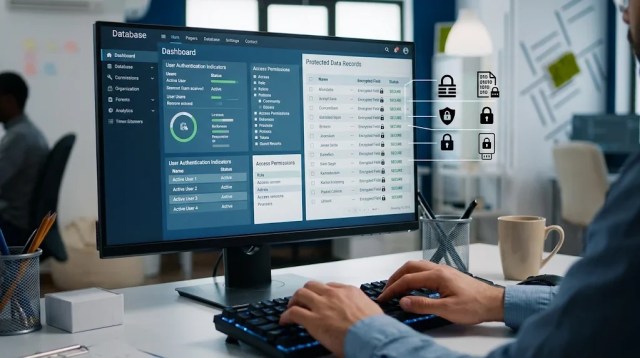
One of the most important ways to keep your sensitive data secure is using encryption. This will convert readable data into an encoded format. This data can only be understood if the correct decryption key is used. You should consider using at-rest encryption and in-transit encryption. At-rest encryption will secure the data stored on your database servers, storage and backups. In-transit encryption will secure data being transferred between databases, applications, users and other systems.
For example an e-commerce platform can use encryption to keep customer information secure within their database. Also any payment related communication between their website and backend services can be secured. You should also ensure you have control over your encryption keys. Limiting access to them and replacing any compromised keys. This will add an extra layer of security if your storage gets lost, systems are accessed incorrectly or network communications are intercepted.
2. Multi-Factor Authentication (MFA)
Using MFA will add an extra layer of security to your database. This means users will need to authenticate using more than one method. Instead of just a password you may require them to enter a password (something they know) and an authentication device or key (something they have). Some systems may also have biometric authentication. This will reduce the chances of someone gaining instant access to your sensitive databases using stolen or guessed passwords.
You should ensure MFA is used for database administrators, system administrators, remote staff and anyone with access to valuable information. For example a financial institution can require their administrators to complete an extra step to gain access to their systems containing confidential customer information. MFA can be very useful when using strong passwords, secure account recovery and regularly reviewing user accounts.
3. Role-Based Access Control (RBAC)
RBAC is a security strategy that gives users access based on their role within your organisation. Instead of giving everyone access to everything you will create roles with specific privileges. For example your accountants may need access to financial information. Your customer service team may only require access to customer contact information and order history.
Database administrators may have more privileges but should still be controlled. This will reduce unnecessary access to sensitive information. You should regularly review the roles given and remove any unnecessary privileges. This will follow the principle of least privilege and give you more control over your databases.
4. Database Monitoring
Monitoring your databases will help you identify any unusual activity. This includes unauthorised access, unusual queries and unexpected changes to important information. For example if an employee account suddenly starts accessing thousands of customer records outside of working hours this will trigger an alert. You can use database monitoring tools to identify login attempts, failed authentication, configuration changes and access to sensitive information.
You should monitor both successful and unsuccessful activity. If there are many failed attempts this may indicate someone is trying to gain unauthorised access. You should also have clear processes in place to investigate any alerts. Regularly monitoring your databases will help identify any potential security incidents quickly.
5. Keep Software Up-To-Date
If your database software is out of date it may have vulnerabilities that can be exploited. You should always keep your database management system, operating systems, applications and security up-to-date with the latest updates from the developers/vendors. Often these updates will include security patches, performance improvements and fixes for known vulnerabilities. You should also have a patch management process in place to identify what updates are available, how important they are, test if needed and install them within a reasonable time frame.
For example if you have a database platform that is well-known to have a security vulnerability you should not ignore the security patch available even though your database is working correctly. Delaying important updates can leave you vulnerable to preventable attacks. You should also monitor when your software is supported and plan to replace any outdated products.
6. Vulnerability Scans
Performing vulnerability scans will help you identify any vulnerabilities within your database. These will identify if your database is configured correctly, using the correct versions of software, correct access permissions, network setup, authentication and other security features. For example you may find that your database administrator has unnecessary privileges or your database server is accessible from an unrestricted network.
Once you have identified any vulnerabilities you can prioritise them based on how impactful they could be. You should regularly scan your systems and after any major changes. Ensure you use qualified security professionals and approved testing methods. This will help you understand your vulnerabilities and improve your defences reducing the chances of a successful cyber attack.
7. Secure Backups
Backups will give you copies of your important information. This will help you if your information becomes unavailable, damaged or deleted. This is especially important if you suffer from a ransomware attack, hardware failure, accidental deletion or other unexpected incidents. You should create a backup strategy to identify which databases need to be backed up, how often and how long they should be kept for. Any sensitive backups should be encrypted and have the correct access restrictions.
You should consider having separate backups to prevent an attacker compromising your system and easily destroying all of your recovery options. For example an e-commerce company can have secure backups of their product information, customer orders and stock. However you should also regularly test your recovery process to ensure your backups are complete.

8. Network Segmentation
Network segmentation is when you split your computer network into sections. This will help you control communications between systems. This can help you prevent your database servers from being directly accessible from public networks or unnecessary internal networks. For example an e-commerce organisation may have separate networks for their public website, application servers, database servers and administration systems.
This will help you control communications between each section using firewalls and strict network rules. If an attacker compromises your public application it will be harder for them to get to your database. You should also limit access from your administrators. Ensure your database is only accessible from approved systems. Network segmentation will not stop all cyber threats but will help reduce unnecessary exposure and contain any security incidents.
9. Prevent SQL Injection Attacks on Applications
SQL injection is a cyber vulnerability that occurs when an application is not handling user input correctly. This can allow attackers to access confidential information, modify data or interfere with your database. If your website, online store, financial platform or other applications communicate with your database they may be vulnerable if your developers do not create your database queries securely. You should use parameterised queries and prepared statements to separate your SQL commands from user input.
You should also validate your inputs, use secure application frameworks, review your database code and limit the privileges of your application accounts. Whilst input validation is important you should also review your stored procedures and other database functions to ensure queries are not being created insecurely. Following secure coding best practice will help reduce any risks of SQL injection. You can find more information from the OWASP Foundation.
10. Regular Database Auditing
Auditing your databases will help you keep track of important activity. This will help you identify who accessed certain information, when changes were made, which accounts completed certain actions and if users followed the correct security policies. Audit logs can be very useful if you suspect an insider threat, unauthorised changes or suspicious logins. For example a financial institution may review their database audit logs if they notice unexpected changes to a customer’s account information. A good auditing system should log relevant authentication, privilege changes, administration and sensitive information.
You should also ensure your audit logs cannot be altered or deleted by unauthorised users. Only allow those responsible for investigating security issues to have access. Regularly reviewing your audit logs is important as they will not offer much protection if you are not reviewing them. Auditing your database will improve accountability and help with investigations. It will also help you prove important security controls are working correctly.
11. Data Masking
Data masking will hide or replace sensitive information. This can be very useful when using data in development, testing, training or customer support. For example a healthcare organisation can mask patient identifiers when providing a dataset for their developers to test their new application. An e-commerce business can also show customer service representatives only part of their payment card number.
You can use a variety of methods such as static masking, dynamic masking and tokenisation. However you should be careful when masking your data. If done incorrectly it may still be possible to identify your sensitive information. Identify what fields need to be masked, who can see the original information and test your masking.
12. Strong Password and Privilege Policies
Passwords and privileges are a fundamental part of database security. If you have weak passwords, shared admin accounts, inactive accounts and too many privileges this can cause issues. You should ensure all database accounts have strong unique passwords. Encourage the use of password managers where possible. Ensure staff are not sharing their login details.
Everyone should have their own individual account. Privileges should also be given based on their role. When staff change roles or leave you should review their privileges. For example if an employee leaves a financial institution you should revoke their database access immediately. You should also limit admin privileges and avoid using powerful database accounts for general application use. Having clear privilege policies will improve accountability.
13. Database Disaster Recovery Plan
A Database Disaster Recovery Plan will explain how you will recover your important database services. This may be due to ransomware, cyber attacks, hardware failure, accidental deletion, software issues or natural disasters. A good disaster recovery plan will identify what databases are critical, who is responsible, what should be prioritised and how you will recover your information. You should also identify your recovery time objective (RTO).
This tells you the maximum amount of time you should take to recover a service. You should also identify your recovery point objective (RPO). This will tell you how much data loss (in time) you can tolerate. For example an online banking platform may need to recover quicker and have more frequent data protection than an internal reporting system. You should regularly test your disaster recovery plan and update it when your infrastructure or business requirements change. Having a good disaster recovery plan will help reduce downtime.
14. Database Alerts and Threat Detection
Whilst regularly monitoring your databases will help you keep track of activity, alerts and threat detection can help further. This can identify any potentially risky activity. You can set up alerts to identify unusual login activity, unexpected privilege changes, suspicious data transfers, repeated failed authentications and unusual database queries. For example a healthcare organisation may receive an alert if an account accesses a high volume of patient records in a short space of time.
This can be investigated by your security team to identify if it is genuine business activity or a potential security issue. Some organisations will integrate their database monitoring with their SIEM. This will give them information from their databases, applications, networks and other systems. However you should be careful when setting up your alerts to reduce unnecessary notifications. You should also have processes in place to investigate any alerts and escalate any serious incidents.
15. Database Security Standards and Compliance
Businesses may be required to comply with numerous data protection laws, regulations and standards. This helps organisations to ensure they have the correct security in place to protect personal information, financial records and other confidential information. If you are a healthcare organisation in the United States and are regulated by the Health Insurance Portability and Accountability Act then you should ensure you have the correct administrative, physical and technical controls in place to protect electronic protected health information. If you are processing payment card information then you will often need to implement the Payment Card Industry Data Security Standard.
Businesses within Nigeria who are dealing with personal data should consider the Nigeria Data Protection Act 2023 and any relevant guidance issued by the Nigeria Data Protection Commission. Implementing the correct security is not simply just purchasing security software but ensuring there are adequate risk assessments, access controls, correct documentation, training and regular security reviews. By ensuring your organisation meets these requirements you can improve your accountability.
Common Database Security Threats

- Unauthorised Database Access
Unauthorised database access occurs when someone gains access to the information without having the correct permissions. This can occur if they gain access using stolen credentials, the employees’ accounts have been compromised, the database server has been misconfigured or there are too many permissions enabled. Once they gain access they can attempt to view confidential information, change important information or cause disruption to the database.
To help reduce this risk, you should ensure you have strong authentication, role based access, encryption and regular access reviews. Database administrators should also monitor login activity and investigate any unusual access. As there can be threats from outside and inside the organisation you should be aware of this. Having good access control ensures users only have access to complete their responsibilities.
- Ransomware Attacks
Ransomware is malicious software which stops organisations from accessing their information. This can often involve threatening to expose stolen information. If this affects the database then you may lose access to customer records, financial information, operation documents and other vital resources causing disruption to the business. To help reduce the risk of an attack you should ensure the systems are up to date, admin accounts are well protected, the network is segmented and backups are secured.
Employees should also have some cybersecurity awareness training to help recognise any suspicious communication. If you suffer from a ransomware attack then you should ensure you follow your incident response processes and bring in qualified security professionals. Having secure backups separated from your main systems and ensuring you have tested your recovery can make a big difference.
- Insider Threats
An Insider threat is when someone with legitimate access to your systems poses a security risk. This can come from employees, contractors, admins or third party service providers. This can be deliberate with people trying to access or expose confidential information or accidental with someone accidentally deleting important records or sending sensitive files to the wrong person. You should not assume all employees will follow security protocols when they have database access.
To help reduce this risk you should ensure there are clear access permissions, monitoring of any sensitive activity, auditing and regular training. When employees change roles or leave you should also review their access. Splitting up important admin tasks will also help reduce the risk of someone making unauthorised changes. This will help improve your accountability and protect your valuable information.
A data breach is when sensitive or confidential information is accessed, exposed or obtained without authorisation. This can cause problems with customer information, financial information, employee information, business information and intellectual property being exposed. This can occur due to compromised credentials, software vulnerabilities, poorly configured cloud databases, insecure applications or insider threats.
This can cause problems for the business as they may have legal obligations, investigations, financial loss and damage to their reputation. To help reduce the risk of a breach you should ensure you have multiple layers of security in place and have an incident response plan. If a breach does occur you should investigate what caused the breach, what information may have been impacted, contain the incident and follow any notification requirements. Regular security assessments and monitoring will help highlight any issues.
Database Security in Business
Many businesses use databases to hold employee information, customer information, sales, inventory and operation information. Many systems such as enterprise resource planning, customer relationship management and accounting all rely on accurate and secure data in the database. For example a manufacturing company may hold supplier information, production schedules, product information and financial information within their database.
If this information was accessed without authorisation they may expose confidential business strategies or cause disruption to production. To help protect your business applications you should ensure you have encryption, access control, secure backups and monitoring. Third party applications should also follow the correct security requirements. With a secure database you can be confident you are managing your information, supporting your daily operations and keeping your valuable records secure.

Database Security in Financial Institutions
Many businesses such as banks, payment processors, insurance companies and others use databases to manage very sensitive information. This can include customer information, account information, transaction history, loan information and other sensitive financial information. If there was an issue with the database security you could expose your customers to fraud, cause disruption to payments or impact the reliability of your service. For example a banking platform will want to ensure customers can access their own information without exposing other customers information.
You should ensure you have strong authentication, monitoring of transactions, encryption, tight access control and thorough auditing. You should also have reliable backups and recovery processes for any key financial applications. As financial institutions often operate within a regulated environment you should ensure you are following any relevant security and data protection requirements. Having a secure database will help keep your customers confident.
Database Security in Healthcare
Healthcare organisations rely on databases to store patient information, medical history, lab results, appointments, prescriptions and admin information. Much of this information is very sensitive. If there was an issue with the database then you could expose private patient information or cause disruption to access important medical information. Hospitals, clinics, labs and healthcare technology providers should have strong access controls to allow medical professionals to access the information they require.
You should also have encryption, authentication, monitoring, secure backups and regular vulnerability assessments. If you are a healthcare organisation within the United States you should consider the requirements of the HIPAA Security Rule. This will help healthcare providers keep patients’ information confidential, ensure accurate records and allow reliable access to important information.
Database Security in E-Commerce
Many e-commerce businesses use databases to store customer information, product information, shopping basket, orders, inventory and transaction information. Many of the information stored in your database will contain personal information that you should look after. If there was a breach on an online store you could expose customer information or cause disruption to purchasing. For example if a retailer has an insecure customer database they could expose customer names, contact information, order history and other personal information.
You should ensure you have encryption, secure payments, multi factor authentication for admin accounts, correct database permissions, secure websites from SQL injection and other application vulnerabilities. Regular security testing, monitoring and secure backups will help keep your shopping services reliable. Keeping your databases secure will help keep your customers confident.
Best Practice for Database Security
- Create a Database Security Policy
A database security policy will give guidance on how you protect, access, manage and monitor the information you have stored. You should outline who has access to specific databases, how permissions are applied, what authentication is required, how to report any security incidents, encryption, backup management, software updates, auditing and what employees should do. For example you may have a policy in place where admins only have individual accounts, they require authorisation to make major changes to the database and important security activities are documented.
Employees should also have training to understand what they should do and the consequences of not following security processes. As technology, business requirements and regulations change you should regularly review your policies. Having a clear policy will help ensure you are keeping your databases secure.
- Employee Training
Employees can play a key role in keeping your databases secure. Poor password management, accidental sharing of information, suspicious email attachments and mishandling of confidential information can cause security issues. You should provide regular training to increase your employees’ cybersecurity awareness. This will help them understand common threats and what activities may pose a risk to the database information.
Employees should understand why IT is important to keep their login information secure, follow access policies, report any suspicious messages and handle sensitive information correctly. Database admins and developers may require additional technical training to ensure they can configure secure databases, secure applications and manage vulnerabilities. Encourage employees to report any potential security incidents. Having employees who understand their cybersecurity responsibilities can help reduce human error and improve the technical controls.
- Improve Security Regularly
Database security should be continuously improved as cyber threats, software vulnerabilities, business requirements and technology can change. Security measures that were put in place a few years ago may no longer provide sufficient protection. You should ensure you regularly review your access control, authentication, encryption, backup, network policies and monitoring. You should also review any incidents and assessments to identify areas to improve.
For example if you have a new cloud application then you should review how IT is connected to your databases and if the access permissions are correct. Ensure you have the relevant IT staff, database admins, management and external experts involved with the security review. This will help you identify any issues and improve your security measures to keep your databases secure for your changing business requirements.
Conclusion
Database security is important to ensure you protect the information your business relies on. As there are many cyber threats such as unauthorised access, ransomware, data breaches, insider attacks and SQL injection you must ensure you have effective strategies in place to protect your databases. You can implement security measures such as encryption, multi factor authentication, role based access, monitoring, secure backups, network segmentation, vulnerability assessments and regular software updates.
You should also ensure you are performing regular database auditing, data masking, disaster recovery planning, employee training and follow any relevant data protection requirements. This will help protect your data and keep IT confidential, accurate and available. Regardless of whether you are in finance, healthcare, e-commerce, manufacturing or other industries investing in database security will help reduce any cybersecurity risks, keep your customers confident, keep your business running and keep your valuable digital assets secure.