Introduction
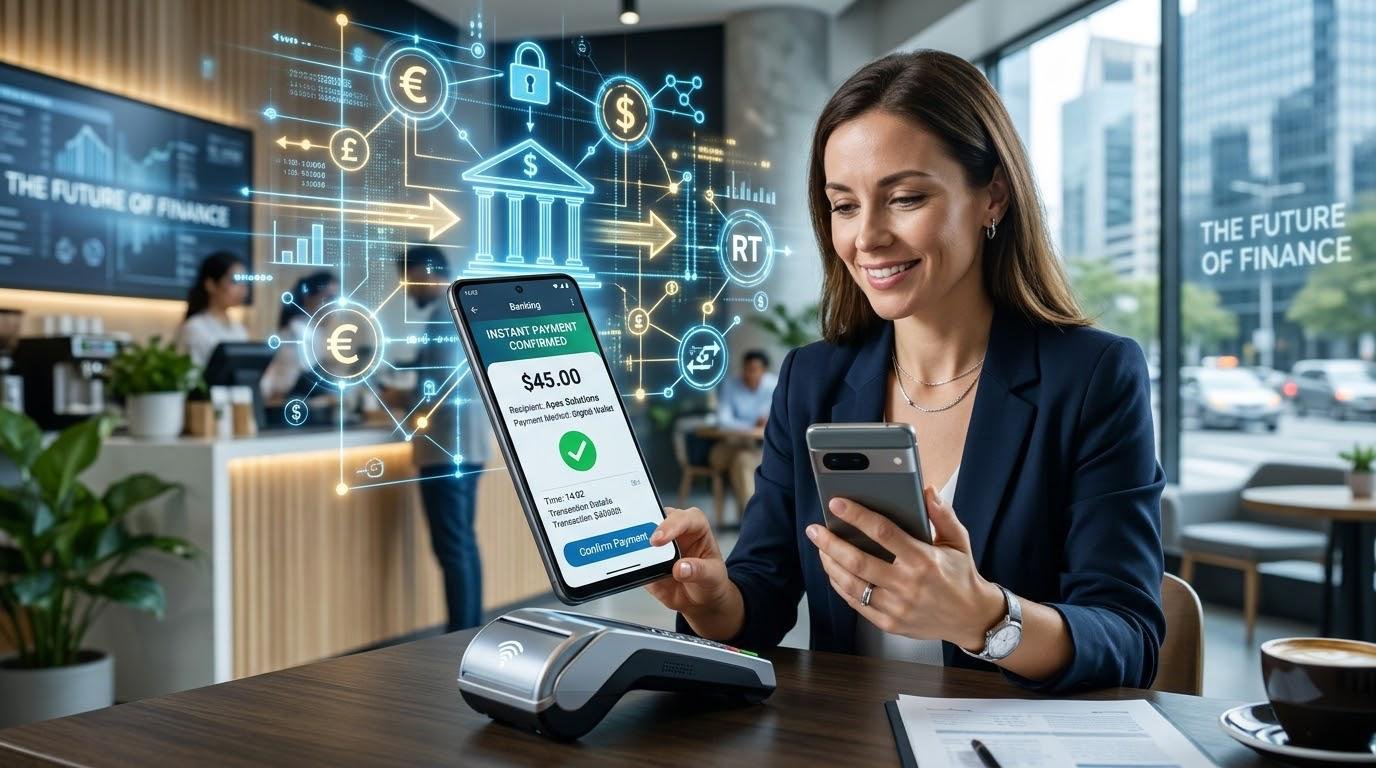
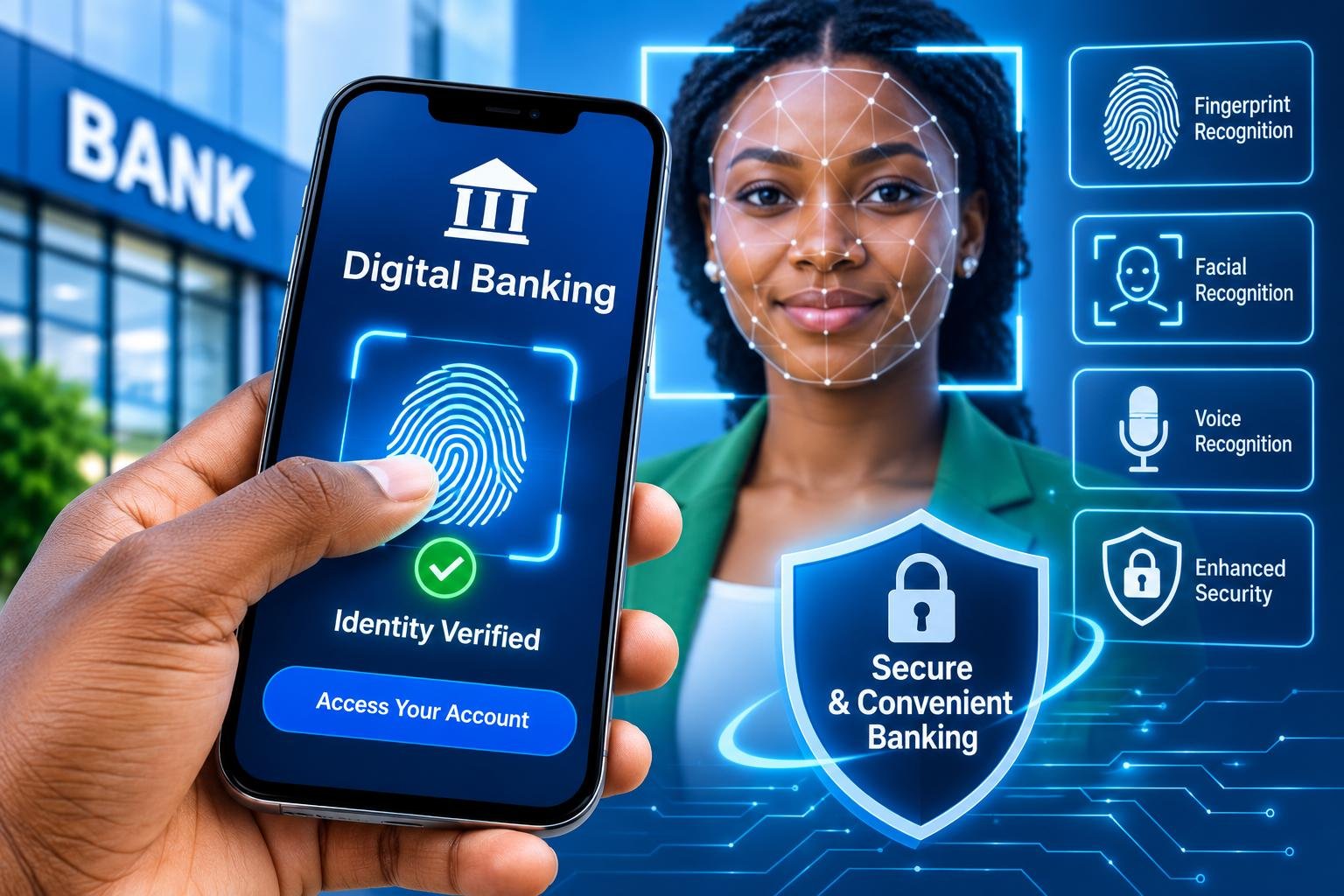
Digital Banking has revolutionized how customers interact with their financial services. However, greater usage of online banking has led to increased concerns around security, including identity theft, phishing scams, account hacking and fraudulent activity. To help increase security when verifying identities, financial institutions are increasingly making use of biometric authentication technologies. Biometric recognition uses individual physical and behavioral traits such as fingerprints, facial features, voice and typing pattern to verify the identity of customers. This means that banks can reduce reliance on passwords, improve fraud prevention and provide a More Convenient solution for Digital Banking.
15 Ways Biometric Authentication Is Increasing Security and Accessibility in Digital Banking
1. Fingerprint Recognition
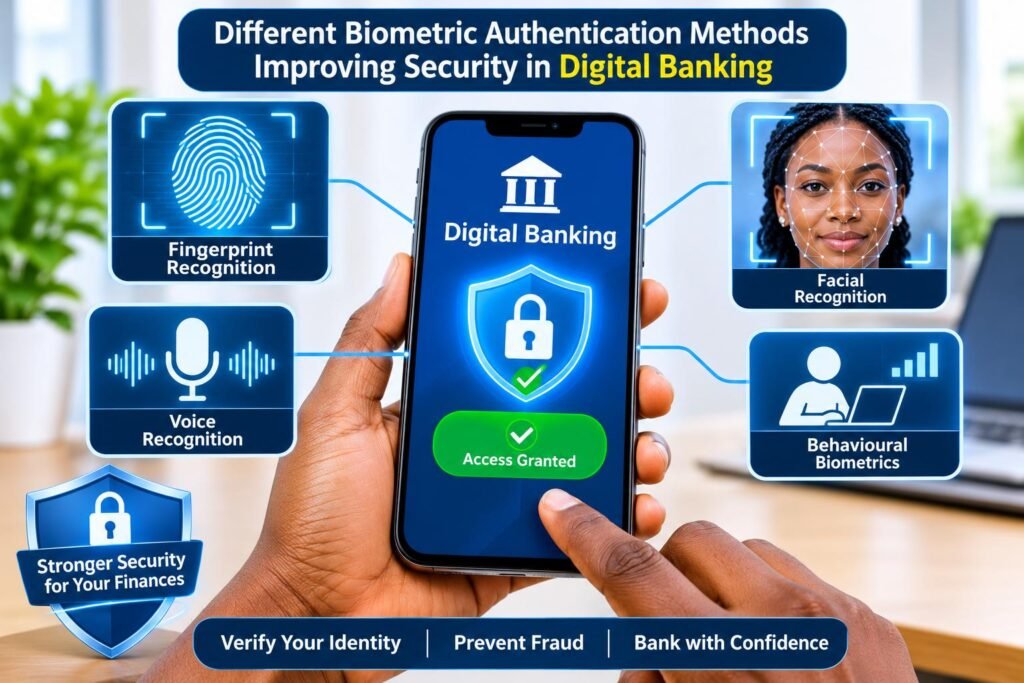
One of the most popular biometric solutions for Digital Banking is fingerprint recognition. Fingerprint recognition recognizes and verifies individual identity based on unique patterns in their fingertips. Customers will be able to gain quicker access to their banking apps by using fingerprint scanners on their smartphone, or any other compatible device. This will help reduce the hassle of having to remember complex passwords and PINs. Even if someone discovers your banking password they will be unable to access your account as you will need to have a matching fingerprint. This will provide an easy yet secure way to verify your identity.
2. Facial Recognition
Facial recognition can help increase security by verifying your identity based on unique facial features. This includes measuring the space between your features, your facial shape and many other unique patterns. This can be used when signing up to an account, verifying your identity and securely logging into your banking app. Some systems will utilize liveness detection to ensure you are physically there, rather than a photo, video or fake image. This helps reduce impersonation and some types of identity fraud. Using facial recognition will help customers gain easier access to their banking apps. When set up correctly it provides a practical solution to increase security and improve your Digital Banking experience.
3. Voice Recognition
Voice recognition can help recognize your identity based on your unique voice characteristics. This can help financial institutions verify your identity when using telephone banking, customer service and compatible Digital Banking. This can help reduce the hassle of answering several security questions or remembering complex passwords. You can simply use your voice to confirm your identity. This can help make banking easier for customers by removing the need to use touchscreens. However, these systems will need to take into consideration varying voice conditions and people trying to mimic your voice. Using voice recognition along with other security measures will help increase accessibility for banks.
4. Behavioural Biometrics
Behavioural biometrics looks at how individuals interact with their devices. This can include how fast they type, their typing rhythm, touchscreen movements, scrolling, mouse movement and navigational habits. This will help the system learn how you typically interact with your account. If the system detects any unusual behavior it could trigger extra verification. For example if someone tries to log into your account and types in an unusual way or interacts with your app in a different way to the real owner. This provides extra security and lets you use your banking as normal.
5. Device Authentication
Device authentication can help increase security for Digital Banking. This uses information from your registered smartphone, tablet or computer. Many devices will have secure hardware to store cryptographic keys and fingerprint or facial recognition. When you try to access your banking app, the financial institution will know that you are using a recognized device and that the criteria have been met. This will make it harder for criminals to access your account using stolen login details from an unknown device. However, this can also help reduce the need to enter your passwords multiple times. This can provide a secure login method. However, banks will need to provide extra verification and account recovery.
6. Multi Factor Authentication
Multi factor authentication can help increase security for your banking. This requires you to provide two or more separate verifications to access sensitive services or perform specific transactions. This could include a PIN (something you know), registered device (something you have) and fingerprint/facial recognition (something you are). Using biometrics along with other methods will help make it harder for criminals to access your account. For example, a bank may require facial recognition and device authentication to approve a high value transfer. This will help reduce reliance on individual verification methods.
7. Passwordless Authentication
Traditional passwords cause several security issues. Customers often reuse passwords, use predictable passwords and may accidentally give away their login details due to phishing. Biometric authentication can help by using fingerprint, facial recognition or compatible device authentication to verify your identity. This can help reduce the need to enter passwords when using banking services. This can help reduce the opportunity for criminals to gain access to your details. If set up with secure authentication standards it can help reduce the need to enter passwords. This can also help reduce the hassle for customers who struggle to remember multiple banking passwords. However, financial institutions should ensure there are secure recovery methods and extra verification.
8. Real Time Fraud Prevention
Biometric technologies can help with real time fraud prevention. This can help financial institutions detect any suspicious verification attempts. By using biometrics when monitoring transactions, banks can determine if the person making the payment is likely to be the real account holder. For example, if someone logs in from an unusual location using an unknown device and fails to pass biometric verification it could be a case of account hacking. The system can then asks for extra verification, place a hold on the suspicious transaction or flag it for investigation. This can help banks identify any potential threats and prevent financial loss. It can also help real customers complete their usual transactions with little disruption.
9. Faster and Secure Digital Onboarding
Digital onboarding can help customers open a bank account and sign up for financial services without visiting a branch. However, financial institutions will need to ensure that the applicant is a real person. This can be done using facial recognition, liveness detection and other verification methods. This can help reduce impersonation, fake identities and some fraud when opening an account. Customers will benefit from being able to complete important onboarding processes from anywhere using compatible devices. By using biometric verification, document verification and appropriate identity checks, banks can help speed up the process of digital onboarding while maintaining important security standards.
10. Ongoing Authentication
Many traditional security systems only verify customers when they log in. This can leave your account vulnerable if someone gains access to an unlocked device. Using ongoing authentication will help monitor the correct signals. This could include typing, touchscreen activity, device information and other approved signals. This can help determine if the genuine customer is still using their account. If there is a significant change in behavior it could cause the bank to ask for extra verification or limit sensitive actions. This will help provide extra security and allow genuine customers to continue using their banking apps.
11. Secure High Value Transactions
Many high value financial transactions will require extra verification. This is because if someone were to fraudulently transfer money they could cause significant financial loss. By using biometric verification banks can add extra security before approving sensitive actions such as high value transfers, changing account details, adding new beneficiaries and changing security settings. For example, a customer will need to verify a transaction using fingerprint or facial recognition after entering their payment details. This can help ensure that the person authorizing the transaction is the genuine account holder. This can also help reduce the risk of someone stealing your password and gaining access to your device. By implementing extra verification for high risk activities financial institutions can increase security without causing extra hassle for customers.
12. Reduce Risk of Phishing Scams
Phishing scams try to trick customers into giving away their sensitive information by using fraudulent emails, texts, websites and more. Traditional passwords can be very vulnerable to this as customers may accidentally enter their password onto a fake banking site. By using biometric verification, you can help reduce this risk. This will remove the need to enter passwords and use compatible verification methods. If set up with secure anti-phishing standards such as passkeys using public key cryptography, biometric verification can help verify users without sending their biometric details to the banking service. It is important to note that biometrics do not automatically help reduce phishing risks. Banks will need to use secure verification processes, educate customers and monitor fraud.
13. More Convenient Banking
Convenience is an important factor when it comes to Digital Banking. Customers expect to have easy access to their financial services. Using biometric verification will help make everyday tasks easier by reducing the amount of passwords, PINs and security questions you need to remember. You can simply use fingerprint or facial recognition to open your banking app, verify your identity and gain access to compatible services in seconds. This can be very useful for those who have multiple financial accounts or frequently use mobile banking apps. This can also help reduce the frustration of forgetting passwords. When set up correctly biometric verification will help make banking easier.
14. Secure Biometric Information
While biometric verification can provide many security benefits it is important to keep your biometric information secure. This is because fingerprints, facial features and voice recognition are very personal. Unlike passwords, you cannot easily change your biometric information. Financial institutions will need to implement secure data protection. This can include encrypting your data, limiting access, storing securely and having appropriate retention policies. Where possible your biometric template should remain secure on secure hardware. Banks should also let customers know how their biometric information is collected, processed, stored and used. By responsibly managing your biometric information you can help reduce privacy risks, increase customer confidence and ensure that your increased verification does not compromise your personal information.
15. Combine with Other Security Measures
Biometric verification will work best when combined with other security measures. Financial institutions should use biometric verification along with encryption, device recognition, transaction monitoring, multi factor authentication, fraud prevention and secure account recovery. This will help reduce any security risks. For example a bank may use fingerprint verification to give you easy access to your account but may ask for extra device verification if you are trying to make an unknown high value transaction. This will also help financial institutions keep up with new threats. It is important to find a good balance between securities as biometric verification will help improve verification but will not completely remove all cybercrime.
Biometric Banking Considerations
While there are many benefits to using biometric verification there are also some important considerations for financial institutions to think about. Biometric information is very sensitive so banks will need to ensure they have secure encryption, limited access, secure processing and regular security checks. They should also reduce unnecessary data collection and have clear retention policies. Customers should also know what information is being collected. You should also consider the risk of false acceptance, false rejection, spoofing and bias. You should also provide alternative verification methods for those who do not have biometric features on their device or fail to pass verification.
Conclusion
Biometric verification is changing the way we use Digital Banking by providing financial institutions with More Convenient and advanced ways to verify customer identities. Fingerprint, facial, voice, behavioural and device verification can help reduce the reliance on traditional passwords while increasing security around unauthorized access. This can also help speed up digital onboarding, ongoing verification, real time fraud prevention and secure financial transactions. However, this will only be effective if implemented responsibly, biometric information is kept secure and combined with other security measures. Financial institutions will need to find a good balance between conveniences, privacy, accessibility and effective risk management, as digital financial services continue to develop biometric verification will continue to play an important role in creating secure, accessible and customer friendly banking.
Get more well researched information about Biometric Authentication in Digital Banking here.