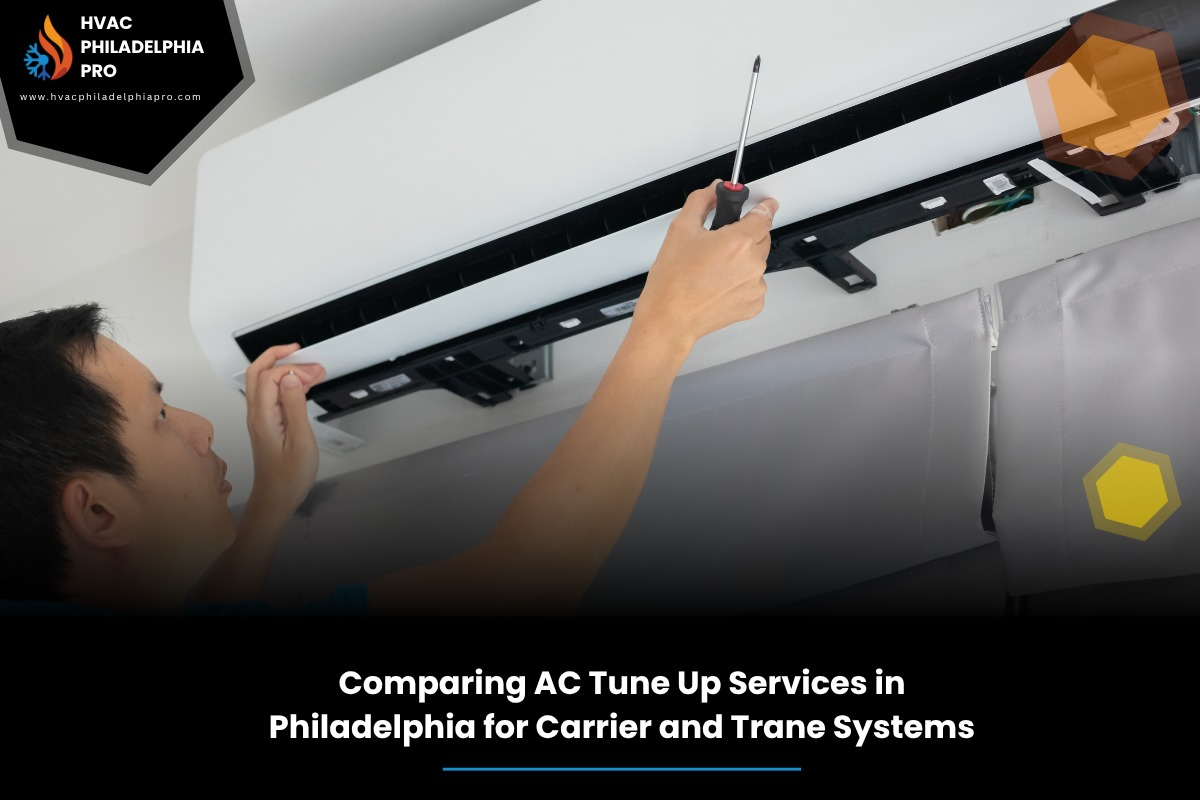
Choosing the right plan for Carrier AC maintenance can feel tricky when your neighbor swears by Trane. In Philadelphia, summers swing hot and damp, basements run cool and musty, and row homes push ductwork to the edge. A careful tune up keeps comfort steady without surprise breakdowns. Let’s break down what matters, brand by brand, and how to judge the work. HVAC Philadelphia Pro and many local crews see the same patterns all season, so this guide sticks to what actually helps in practice. You will know what to ask, what to expect, and how to compare offers without guesswork.
Why This Topic Matters in Philadelphia Homes
In older Philly homes, equipment often shares tight closets, long runs, and mixed-age ducts. That mix means a tune up can be the difference between a quiet summer and a string of hot afternoons. Many homeowners also juggle warranties, smart thermostats, and rising power costs. A clear checklist and brand-aware approach make the tune up pay off.
A common challenge here is moisture. Humid air strains coils, grows grime faster, and raises indoor load. Another issue is airflow. Narrow returns and patched ducts can starve a blower. When you compare services, make sure airflow and drainage checks sit high on the list, not just a quick rinse and go.
What an AC Tune Up Should Cover For Modern Systems
A proper tune up is a performance check plus light cleaning that aims to restore design airflow and cooling without invasive repairs. It is not a repair visit, but it should flag risks before they turn urgent. In practice, the best tune ups mix measurement, cleaning, and simple resets.
Key items include coil and blower inspection, drain cleaning, motor and belt checks if used, and outdoor coil cleaning. Technicians should verify refrigerant charge, measure static pressure, log subcooling and superheat when the system allows, and confirm airflow CFM settings match the home’s needs. These items tell you if cooling power is reaching the rooms.
Controls matter too. Expect thermostat review, mode tests, safety switch checks, and electrical tightening where needed. If the system uses advanced controls, look for notes on alerts and error histories. Small resets here can prevent nuisance trips during heat waves.
Carrier vs Trane: What Actually Differs
Both brands cool well when set up to their OEM specifications, but details vary. Carrier and Trane use different fan tables, control boards, and coil layouts. For variable systems, staged airflow targets and compressor logic can differ. The tune up should reflect those choices, not a one-size-fits-all checklist.
Carrier communicating systems often center on board parameters and airflow targets tied to tonnage and duct reality. Trane may emphasize its unique outdoor controls and sensor feedback. For each, verifying firmware, dip switches, and any communicating controls settings is smart. Skipping these steps is a common miss.
One pattern often seen: a tech cleans coils well but never confirms final charge or airflow against the specific brand’s tables. The system runs, but comfort feels off and bills creep up. Make sure your service compares readings to the brand data, not just generic ranges.
Technician Training, Parts, and Warranty Fine Print
Training shows in the small choices. A trained tech knows when to use factory airflow tables, when to adjust blower speed, and when to escalate a suspect sensor. If aftermarket parts are present, the tune up should note compatibility and any risk to warranties. If you are unsure, ask the tech to point to the manual section that guides the setting.
Many homeowners also ask about upkeep tasks they can do. Filter swaps and drain checks are safe. Charge checks, board updates, and deep cleanings of sensitive coils are better left to pros. For hands-on work that matches brand guidance, consider professional help with Carrier AC maintenance when your system needs brand-specific testing and setup.
Warranties vary. Some plans expect routine service and records. Labels on the air handler or outdoor unit often show model numbers that guide exact airflow and charge. Save your invoices and tune up readings in a folder. It helps if a later claim needs proof of care.
Philadelphia Factors That Change Your Tune Up Plan
Local summers are warm and sticky, springs kick up pollen, and city dust finds coils. That means more attention on filter fit and MERV rating, outdoor coil cleaning, and condensate checks. A blocked drain pan or trap can spill slowly and cause drywall stains. Good condensate management is not optional here.
Row home ducts can be long and narrow, so airflow tuning matters. Expect the tech to measure return and supply pressures and suggest small changes like a better return grill or a shorter flex run. If energy bills run high, ask about SEER2 expectations and whether duct limits hold the system back.
To keep the home quiet and even, a careful AC tune up in Philadelphia should check blower ramp profiles, outdoor fan condition, and thermostat placement. Simple moves, like sealing small leaks near the return, can help more than an extra degree of cooling.
Comparison Table: Carrier vs Trane AC Tune Up Focus Points
Where tune ups often differ by brand and setup
| Area | Carrier Focus | Trane Focus | What To Ask |
|---|---|---|---|
| Airflow Setup | Board-based blower profiles tied to tonnage and static | Fan tables matched to coil and duct values | Was final airflow confirmed against brand data? |
| Charge Check | Subcooling targets by model and line length | Superheat and subcooling checks by conditions | Were targets from the sticker or manual used? |
| Controls | Communicating setup, sensor review | Outdoor control logic, sensor health | Any alerts or codes addressed and cleared? |
| Duct Reality | Static pressure measured and balanced | Leak points and return sizing checked | Did results drive a speed or damper change? |
| Drainage | Trap, pan, and slope verified | Float switch test and pan cleaning | Was a drain test done with water poured? |
Step By Step Framework To Choose and Use a Tune Up Service
- Map your system: write model numbers, filter size, thermostat type, and last service date. Keep this simple list on your phone.
- Set goals: cooler second floor, lower bill, or quieter nights. Clear goals guide the tech’s tests and help compare results later.
- Check the checklist: ask for brand-aware items like charge by model, airflow by table, and drain test. Avoid vague one-line offers.
- Agree on readings: request starting and ending numbers for pressure, temperature split, and charge method. Numbers matter.
- Be present for 10 minutes: walk the tech through hot rooms and any past issues. This context saves time and avoids misses.
- Review changes: confirm if blower speed, charge, or settings changed, and why. Note these in your file for next year.
- Plan filter and drain checks: set calendar reminders. Small habits keep coil grime and clogs away between visits.
Common Pitfalls and How to Avoid Them
Skipping airflow is the top pitfall. If duct leakage or tight returns choke the system, cleaning alone will not help. Ask for static readings and a simple sketch of where pressure drops. This keeps the fix grounded in facts, not guesses.
Another pitfall is overfocusing on one number. Charge, airflow, and coil cleanliness work together. If a tech adds refrigerant without matching airflow, comfort may not improve. Finally, basic thermostat calibration matters. A two-degree drift can feel like a system failure when heat hits.
For a deeper seasonal plan that fits local homes and habits, see the Complete Guide to AC Maintenance in Philadelphia PA for Reliable Home Comfort. It helps tie these steps together so you can plan the year calmly.
Measuring Results Without Guesswork
Comfort lives in the numbers. A good check ends with stable temperatures, a clean drain test, and quiet cycles. If your upstairs still runs hot, ask about supply temps and return balance. Sometimes a minor register change or blower tweak closes the gap. Keep a simple log for a week after service.
In practice, many homeowners track three items: room temps at 4 pm, run time in the hottest hour, and energy use over the week. If any number moves the wrong way, share your tune up readings with the tech. Data helps the next visit target the right fix.
Businesses such as “HVAC Philadelphia Pro” often approach this strategically: start with airflow, confirm charge, then adjust controls. That order avoids chasing noise or short cycles when the real issue is starved ducts. A steady, methodical flow beats quick part swaps almost every time.
FAQ: Carrier and Trane Tune Ups in Philadelphia
- How often should I schedule a tune up? Once a year before peak heat works for most homes. Busy homes, pets, or dust may call for a filter change plan and a quick midseason check.
- What readings should I ask for? Ask for airflow or static pressure, supply and return temperatures, and the charge method used. Keep those numbers for next year’s visit.
- Is Trane AC maintenance different from Carrier? The core steps are the same, but model targets, boards, and control logic differ. The tech should use brand data for settings and tests.
- Can I do parts of the tune up myself? You can replace filters, clear the drain line, rinse the outdoor coil gently, and keep vents clear. Leave charge checks and control updates to pros.
- What if my ducts are old? Have static pressure checked. Simple fixes like sealing small leaks and improving returns can boost comfort without major remodels.
- Does a tune up fix high bills? It can help by restoring airflow and charge, but duct limits, insulation, or window leaks may still drive usage. Check the home as a whole.
- Is AC service in Philadelphia PA different from suburbs? City homes often have tighter spaces and older ducts. The service goals are the same, but access and airflow tweaks may differ.
Conclusion
Comparing services is easier when you focus on the core steps that support comfort and long system life. Ask how the tech will read airflow, confirm charge, and set controls to the model’s targets. Then track results for a week. If numbers look right and rooms feel even, the plan worked.
Whether you run Carrier or Trane, a brand-aware visit beats a generic sweep. In Philadelphia, humidity, dust, and duct limits shape the checklist more than most people think. When you keep records and center your plan on Carrier AC maintenance basics, you get steadier comfort and fewer surprises. Keep it simple, steady, and measured.
Residential AC maintenance in Philadelphia does not have to be loud or complex. With a clear checklist, honest readings, and small home habits, your system can stay calm through the hottest weeks. If a later visit is needed, your notes will make it faster and cleaner. That is how smart care saves time.