Introduction
The financial services industry has transformed drastically using new technologies. Many traditional banking services have moved to using a digital format. This is because instead of having many physical branches and processes, financial organizations can now use cloud computing. This means that financial institutions and fintech companies can use the internet to provide their customers with fast, easy to access services. This has made it much easier for financial businesses to design new products, increase their services and use the infrastructure provided by the cloud. This has allowed for modern financial services to use the cloud to connect using technologies like open banking APIs. These allow authorized financial applications and institutions to share information. As digital banking becomes increasingly popular, cloud computing is an essential tool in providing a reliable and flexible service.
Cloud Computing
Cloud computing is the provision of computer resources via the internet. This means that businesses can use these resources to store information, process data, use a database, provide networking and utilize software applications. Instead of investing in all the computer equipment needed to run the digital services, organizations can invest in the resources provided by cloud computing services. This means financial organizations can use cutting edge technology without needing to invest in large infrastructure. In the banking and fintech industry, cloud computing is a very useful tool. This is because financial services rely on information, secure transaction processing and large volumes of customer activity. Using a cloud platform, banks can use digital applications, store customer information, provide payment systems and connect various financial technologies. This can make financial organizations more efficient. Cloud computing has become a key way banks, payment companies, lending platforms and financial technology start-ups can digitally transform.
Different Ways Cloud Infrastructure Can Help Digital Banking Grow
Digital banking relies on technologies that can help customers perform financial tasks from their own home. Customers will need to be able to check their balance, send money, pay bills, download statements and manage cards easily. The cloud can help with this by providing scalable resources. When customers are sending money during busy times like when they get paid or at festive times, the cloud can help increase the resources. This can help financial organizations make sure that applications run well and there isn’t any disruptions. Banks can add new software, improve digital features and keep track of customer information using cloud platforms. This means digital banks can provide easy to access services and increase their competitiveness. This can also help banks increase their services in areas where it might be expensive to set up physical branches.
1. Mobile Financial Applications
Mobile financial applications are an important part of financial services. This is because it can allow customers to access banking and payment services from their own smartphone. To do this, they will need to use the cloud infrastructure. This will help manage customer accounts, store transaction information, verify customers and connect to payment systems. When customers are sending money using a mobile application, using the cloud can help process the request, verify information, store information about their account and provide transaction alerts. Digital wallets can also benefit from cloud computing as it will need systems to store payment details, transaction history and connect to merchants and financial institutions. Using the cloud means wallet providers can easily support growing numbers of customers and doesn’t require them to invest in extra servers. It can also help provide new features like contactless payments, recurring payments, digital receipts and transaction tracking. Using the cloud can help provide easy to use payment services.
2. Online Lending
Online lending platforms have changed how individuals and businesses can apply for loans. They can now provide their financial information and get a decision on their credit. Traditionally this would require lots of paperwork and manual verification. Cloud computing can help modern lending companies by providing digital applications, storing documents, providing automated processes and analyzing financial data. Customers can apply for loans online and the cloud can help capture and process the right information. Financial institutions can use credit checking tools, identity verification and payment systems to help improve the process. The cloud can provide the computing resources needed to run analytical models to assess customers’ ability to repay their loans. Lenders will need to ensure that the information they are using is accurate, relevant and handled in the right way. Using the cloud can help speed up processes and provide easy integration with financial tools. This can help online lending businesses increase their services.
3. Helping Fintech Start Ups Get Started
Fintech startups often struggle with finances and have fewer people working in the technical department. This can make setting up their own technology a big challenge. Using cloud computing can help overcome this. This is because they can use pre-built computing resources, databases, storage and tools. Instead of spending large amounts of money on physical resources, a fintech company can focus on providing new products, attracting new customers and improving their services. The cloud can also help develop applications quickly. This means new financial products can be added quickly. For example, if a startup is developing a digital savings application, they can use cloud based services to manage customer accounts, process payments and connect to external financial providers. As they gain more customers they can increase their computing resources. This can encourage innovation and overcome some of the issues that small companies face entering the finance industry.

4. Open Banking APIs
Open banking is an important development in digital finance. This is because it allows authorized third parties to access specific information or perform certain financial actions using a secure API. An API provides a way to connect software applications together. This can help financial institutions, fintech companies and service providers share information. Using cloud computing can help provide the infrastructure needed to run applications, manage API requests, process information and connect different systems together. A personal finance application could connect to the bank account of the customer (with the right authorization) to show financial information from several different financial institutions. Payment providers can also use API integration to connect to merchants and banking providers. This can help provide easy financial services, encourage innovation and increase competition. Secure authorization, correct customer permission, secure data transfer and following relevant financial regulations will be essential for success. Using a reliable cloud infrastructure can help provide a more connected financial environment.
5. Real Time Data Processing
Financial organizations will generate large amounts of data. This can be from customer transactions, account activity, payment requests, loan applications and digital interaction. It is important that this data is processed quickly to avoid affecting customer experience, monitoring transactions and making decisions. Using cloud computing can help provide scalable resources and data management. Using data processing on the cloud means that financial organizations can capture and analyze transaction data. For example, a digital payment provider can monitor transaction activity, update payment information and provide alerts quickly. Banks can also use real time data to monitor unusual activity, monitor performance and understand customer preferences. This can help financial businesses respond to changes. However, it is important that there is a reliable connection, well designed applications and good data management practices. Financial organizations will need to ensure that information is accurate and consistent.
6. Using Artificial Intelligence
Artificial intelligence is becoming an important tool in financial services. This is because it can help financial organizations analyze data, automate repetitive tasks and improve certain customer services. Using cloud computing can help financial organizations use AI. Banks can use AI tools on the cloud to create chat bots for customer service, detect unusual transaction patterns, aid fraud investigations and analyze financial data. For example, fraud detection systems can use AI to analyze transaction patterns and detect any unusual activity. The cloud can help process large volumes of data and scale resources. Financial organizations can also use AI to help improve their customer service. This can help provide automated answers to frequently asked questions and forward more complex questions to humans. However, AI systems will need to be monitored to ensure that decisions aren’t incorrect, unfair and that customer information isn’t misused. Using cloud computing alongside responsible AI can help financial organizations create more efficient services.
7. Increased Flexibility and Efficiency
A major benefit of using cloud computing is that it can help financial organizations adapt to changing business needs. Customer demand can often change and financial organizations will need to adapt to sudden surges in transactions, new regulations and changing market conditions. Using the cloud can provide flexible resources to increase or decrease computing resources. This can help reduce costs. Using the cloud can also help financial organizations collaborate with employees, technical teams and external providers. New features can be added, improvements can be tested and updates can be added without having to replace the whole technology. Using cloud based back up and disaster recovery can help recover important information. However, this will only be beneficial if well planned, reliable service providers and good cloud management. Financial organizations will need to regularly review their cloud set up.
8. Security and Privacy Issues
While cloud computing can provide many opportunities, there are also important responsibilities to consider. Banks and fintech companies will be handling sensitive customer information including account details, transaction information, identity information and payment details. If this data is exposed through unauthorized access, cyber-attacks or incorrect set up, customers could suffer financial loss and privacy issues. Phishing, ransomware, account takeover, insecure application interfaces and data breaches can all be issues faced using the cloud. Before moving sensitive processes to the cloud financial organizations will need to implement strong security measures. This could include encrypting data, multi factor authentication, identity and access management, monitoring security and carrying out frequent vulnerability checks. Organizations should also have clear processes in place for dealing with any security issues. Just because you are using a reputable cloud provider doesn’t mean your systems will be completely secure. Financial organizations will need to ensure that their systems are set up correctly, information is secure, monitoring suspicious activity and that it is following the correct legal and regulatory requirements.
9. Compliance and Third Party Risk
Financial organizations will need to follow regulations to ensure customer information is secure, data is accurate and they are managing their financial activity responsibly. When moving processes to the cloud, banks and fintech companies will need to know where customer information is stored, how it is processed, who can access it and if their cloud service providers are following the right security and compliance requirements. Data protection regulations, financial industry guidelines and contract requirements may affect what cloud services can be used. An important consideration is third party risk. Financial organizations will often rely on external cloud providers, API developers, payment providers and identity verification companies. This can cause issues if there are issues with one of these providers. Organizations should assess vendors and ensure they have good security. They should also have clear responsibilities with service providers. They should also consider how they would manage if a provider had an outage. Good governance, frequent compliance checks and good vendor management will be essential to build trust.
Future of Cloud Computing
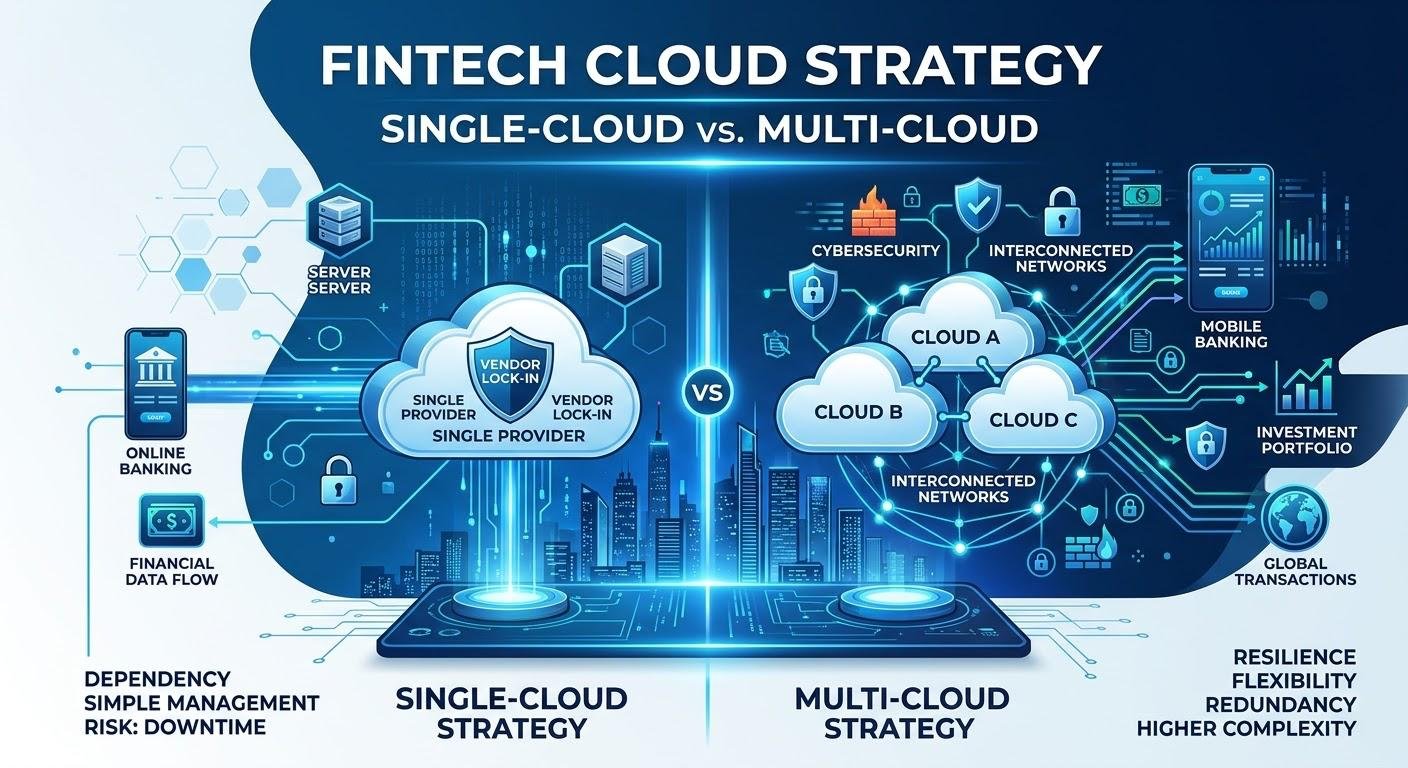
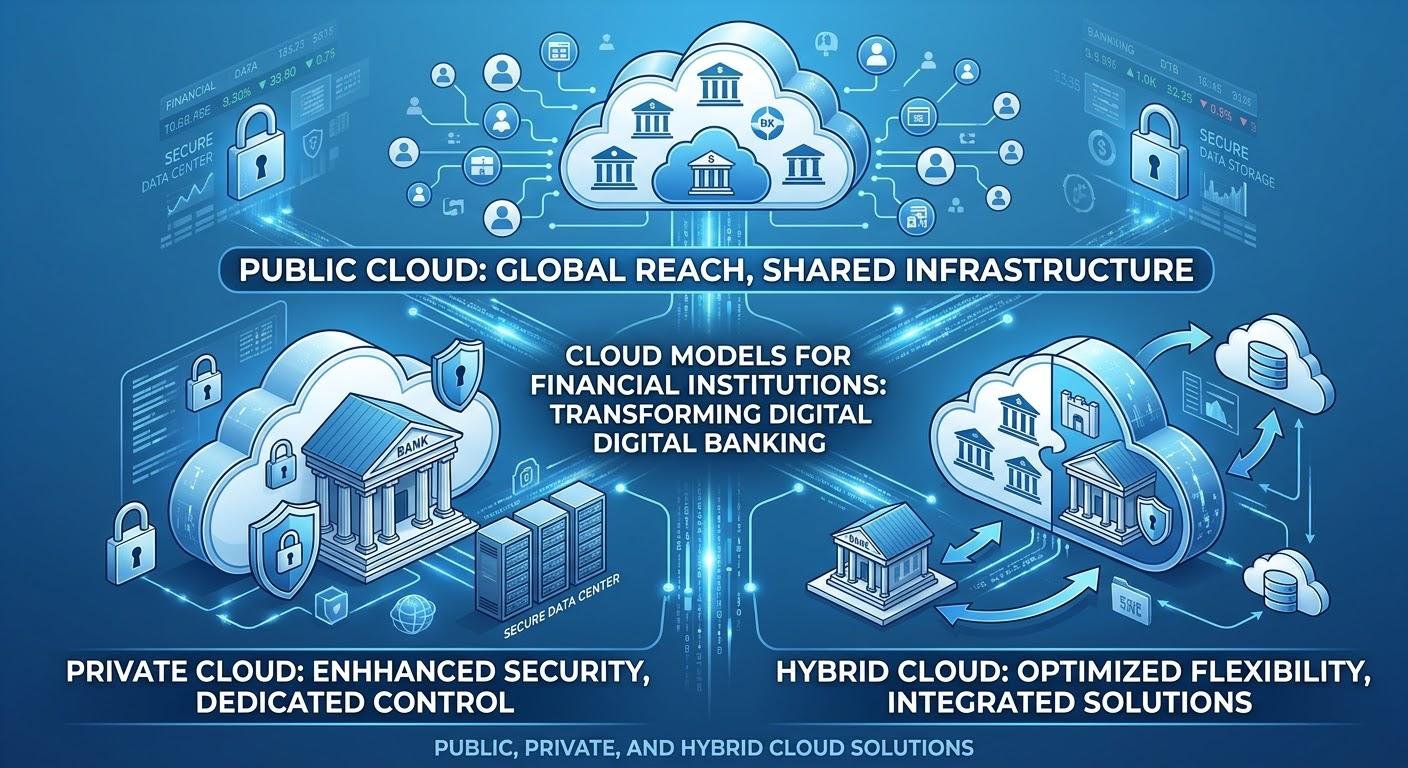
As customers are demanding easy to use digital services, and financial organizations are looking to modernize, cloud computing will play an even larger role in financial services. New technologies like artificial intelligence, machine learning, blockchain and data analytics are providing exciting opportunities. Cloud platforms can provide the infrastructure needed to use these technologies within banking, payments, lending and digital investments. Financial organizations may also look to use more advanced cloud set ups like hybrid and multi cloud to spread workloads, manage sensitive information and not rely on one provider. Improvements in API connections will also encourage closer relationships between banks and fintech companies. However, the industry will need to overcome issues with cyber security, regulations, resilience and data management. Businesses that use technology and good governance will be in a better position to adapt to changing customer needs.
Conclusion
Cloud computing is a huge enabler in the digital banking and financial technology industry. It can provide flexible infrastructure, scalable resources and access to advanced software. This can help banks, fintech startups, lending platforms and digital wallet providers provide financial services more efficiently. It can help speed up product development, provide easy to use mobile applications, online lending, open banking connections, real time transaction processing and integrate artificial intelligence. This can help financial businesses respond to customer demand, improve processes and take advantage of new opportunities. However, security, compliance, third party risk and planning will need to be considered. Financial organizations need to realize that protecting customer information and providing reliable services is just as important as new technologies. Overall, cloud computing isn’t just a replacement for traditional banking infrastructure but is an important foundation to provide a more connected, accessible, efficient and innovative financial services industry.
Get more well researched information about Cloud Computing in Digital Banking here.