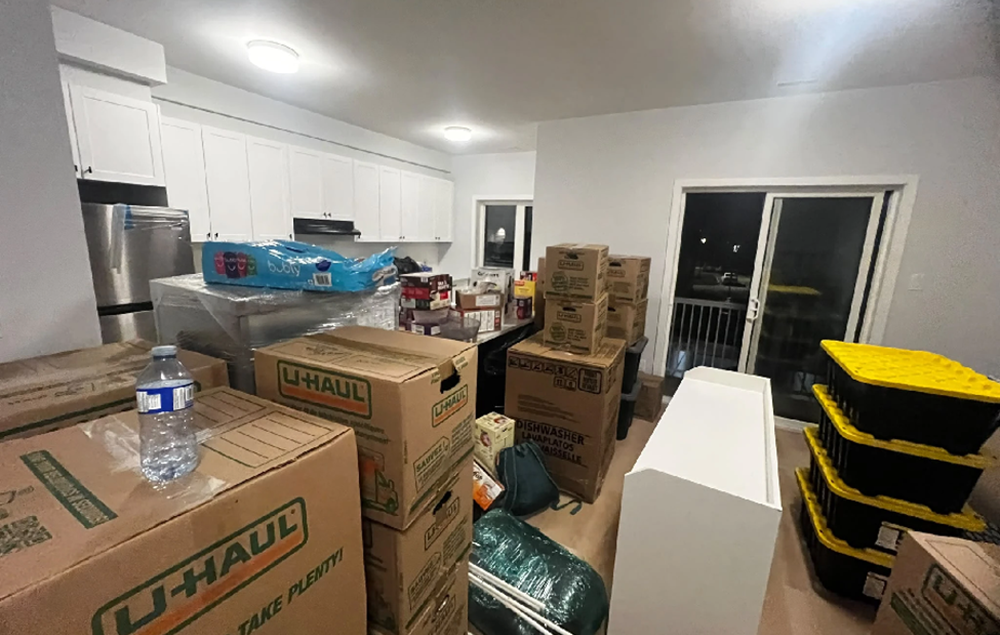
Moving into or out of an apartment or condominium in Ottawa requires careful coordination. Unlike moving between detached houses, apartment relocations often involve shared entrances, elevators, loading areas, building management rules and limited parking.
Whether you are moving into a downtown high-rise, leaving a student apartment near a university, or relocating to a condominium in Kanata or Orleans, preparation can make a significant difference.
From reserving an elevator to organizing furniture transportation, understanding the requirements of apartment moving helps prevent delays and unexpected complications.
This guide covers the most important considerations for planning a successful apartment or condo move in Ottawa.
Why Apartment Moving in Ottawa Requires Special Planning
Ottawa has a wide range of apartment buildings, condominium developments and multi-unit residential properties.
Some buildings provide dedicated loading docks and service elevators, while others have limited parking or narrow staircases.
These differences can influence how furniture and household belongings are transported.
A move involving a ground-floor apartment may be relatively straightforward, while relocating from an upper-floor unit can require additional time and coordination.
Before scheduling your move, review the building’s moving policies and confirm whether any special arrangements are necessary.
Understanding these requirements early helps you plan transportation, labour and building access more effectively.
Confirm Building Rules Before Booking Your Move
One of the most important steps in apartment relocation is contacting the property manager or condominium corporation.
Many buildings have specific procedures for moving furniture and household belongings through shared spaces.
Depending on the property, you may need to reserve a service elevator, submit a moving request or arrange access to a designated loading area.
Some condominium buildings also require elevator padding or impose restrictions on moving hours.
Ask management about the following:
- Available moving dates and permitted hours
- Elevator reservation requirements
- Loading dock or parking arrangements
- Building access procedures
- Required deposits or administrative fees
- Rules for protecting common areas
Confirm these details before finalizing your moving schedule.
Having written confirmation can be particularly helpful when coordinating a moving company, building staff and property access.
Choosing Apartment Movers in Ottawa
Not every residential relocation has the same requirements.
A studio apartment move may involve relatively few belongings, while a large condominium can contain multiple bedrooms, appliances and substantial furniture.
When researching moving providers, look for services that match your inventory, property access and transportation needs.
Comparing written estimates and reviewing the scope of work can help you identify what is included.
People searching for local moving assistance may encounter The Officer Movers while comparing providers online. Before choosing any company, verify its business identity, services, customer feedback and applicable terms.
It is important to explain whether your building has elevators, stairs, restricted parking or long distances between the unit and loading area.
These details can affect the labour required and the overall moving schedule.
Preparing Furniture for an Apartment Move
Large furniture can create difficulties when moving through narrow hallways, staircases and elevator doors.
Before moving day, measure major items such as sofas, wardrobes, beds, dining tables and entertainment units.
Compare these measurements with doorways, hallways and available elevator dimensions.
If furniture cannot pass through safely in its assembled condition, determine whether disassembly is possible.
Keep screws, brackets and other small hardware together in labelled containers or bags.
Furniture with delicate finishes may benefit from suitable protective wrapping to reduce the possibility of scratches during handling and transportation.
When requesting assistance from a Moving Company, explain which furniture pieces are especially large, heavy or difficult to access.
Advance communication helps establish realistic expectations for the relocation.
Parking and Loading Considerations in Downtown Ottawa
Parking access is an important consideration for moves involving downtown apartments and condominiums.
Areas such as Centretown, Sandy Hill, ByWard Market and parts of downtown Ottawa may have limited curbside space or building-specific loading arrangements.
Depending on the location, parking restrictions and municipal requirements may affect where a moving truck can stop.
Before the move, check whether your building offers designated loading facilities.
If street parking is necessary, review applicable City of Ottawa parking rules and determine whether special permission is required.
Avoid assuming that a moving truck can remain parked directly outside the property for an extended period.
Planning the loading arrangement in advance helps reduce unnecessary walking distances and delays.
Moving Between Ottawa Neighbourhoods
Apartment and condo moves frequently take place between different areas of the city.
Someone relocating from a downtown rental to a condominium in Barrhaven may need to coordinate building access at both locations.
Similarly, moving from a high-rise apartment in Nepean to a property in Orleans can involve different parking and elevator arrangements.
When planning a move between neighbourhoods, consider travel distance, access restrictions and the amount of time required to load and unload belongings.
If both properties are multi-unit buildings, confirm elevator reservations at each location.
Allow enough flexibility in the schedule to account for traffic and building procedures.
A realistic moving timeline can help prevent conflicts with other residents or scheduled building activities.
Office Relocations Within Apartment and Mixed-Use Buildings
Some Ottawa buildings contain commercial offices, professional service businesses and residential units within the same property.
Moving business furniture or equipment in these environments may require additional coordination with building management.
For example, a small professional office may need to relocate desks, filing cabinets, computers, meeting room furniture and archived documents.
Unlike a household move, commercial relocation can also involve operational deadlines and employee access requirements.
Organizations planning a move should determine which equipment must be disconnected, how sensitive documents will be handled and when the new workspace will be ready.
Consulting a Business Moving Company can help businesses discuss available services, access restrictions and transportation needs before establishing a relocation schedule.
Clear coordination is especially important when residential and commercial occupants share elevators, entrances or loading areas.
How Much Does Apartment Moving Cost in Ottawa?
The price of an apartment move depends on several factors.
The size of the apartment, quantity of belongings, transportation distance and required labour can all influence the estimate.
Other considerations include elevator availability, stair access, parking distance and whether furniture requires disassembly.
A move involving a small studio apartment may require fewer resources than relocating a fully furnished three-bedroom condominium.
Additional services such as packing, furniture protection or unpacking may also affect the total cost.
When requesting an estimate, provide an accurate inventory and clear information about building access.
Ask whether the quoted amount includes transportation, labour, travel time and any additional charges associated with the move.
Comparing the complete scope of services is more useful than selecting a provider based only on an advertised hourly rate.
Packing Tips for Small Apartments and Condominiums
Limited space can make packing challenging, especially when moving boxes begin to accumulate in hallways and living areas.
Start by sorting belongings into categories and identifying items you no longer need.
Packing unnecessary belongings increases the number of boxes that must be transported and unpacked.
Begin with seasonal clothing, books, decorative items and other possessions that are not required for everyday activities.
Use appropriately sized boxes and avoid placing too many heavy objects in a single container.
Fragile kitchen items, glassware and electronics should receive suitable protective packing.
Clearly label every box with its destination room and a brief description of the contents.
Keep important documents, medications, keys and essential personal belongings in a separate bag that remains accessible throughout the move.
Common Apartment Moving Mistakes to Avoid
One common mistake is booking moving services before confirming building availability.
If the service elevator is already reserved, your preferred moving date may not be practical.
Another issue is underestimating the time required to transport furniture through shared hallways and elevators.
Customers sometimes overlook the distance between their unit and the truck’s loading position.
Failing to measure large furniture can also create problems when items cannot fit through entrances or staircases.
Finally, packing too close to moving day can lead to disorganization and unnecessary delays.
Addressing these challenges in advance can help make the relocation more manageable.
What to Do After Moving Into Your New Apartment
After arriving at your new apartment or condominium, begin by checking that your essential belongings and furniture have been delivered.
Position larger furniture before unpacking smaller household items.
Inspect the property for any issues that should be documented and reported to building management or your landlord.
Update your address with banks, insurance providers, employers and relevant government services.
Confirm your utility and internet arrangements, particularly if services were not activated before your arrival.
Familiarize yourself with building procedures, including waste disposal, visitor parking, deliveries and shared amenities.
Taking care of these details early can make settling into your new apartment more comfortable.
Final Thoughts
Apartment and condo moving in Ottawa involves more than packing belongings and arranging transportation.
Building access, elevator reservations, parking availability and furniture dimensions can all influence the success of the relocation.
Whether you are moving between downtown apartments, relocating to a suburban condominium or transferring a small business workspace, advance planning helps reduce avoidable complications.
By communicating with building management, preparing furniture and reviewing moving arrangements before the scheduled date, you can create a more organized and efficient moving experience.
A thoughtful approach to apartment relocation gives you more time to focus on settling into your new home or workplace.