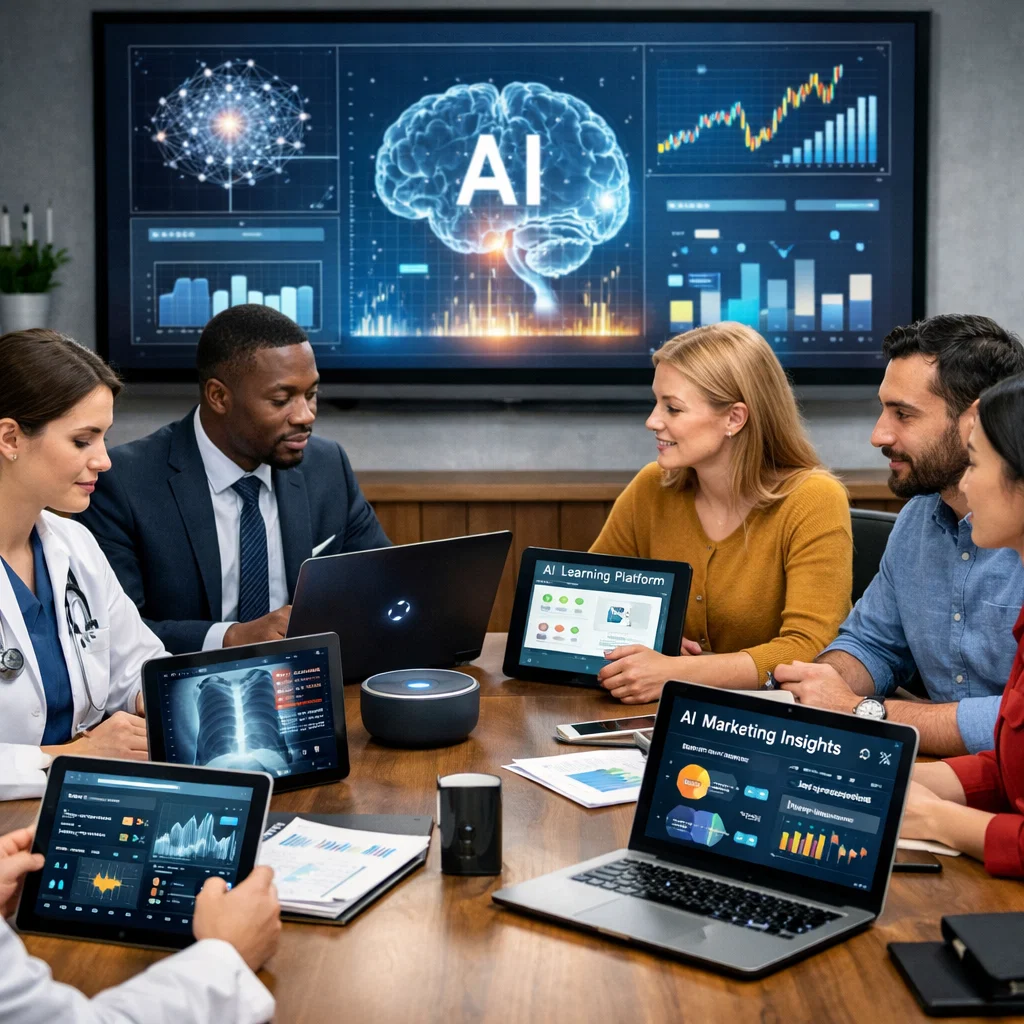
By the year 2026, the application of artificial intelligence (AI) has already become a part of everyday work processes in many industries. In the fields of healthcare and finance, education, and marketing, AI applications are changing the way companies and individuals conduct operations, become more productive, and make decisions. AI is assisting professionals to save time and concentrate on higher-level tasks by automating repetitive tasks, offering valuable insights, and improving operational efficiency. This article will look at the applications of AI in workflow operations in these industries and explain the real-life examples which are transforming the work environment of people.
Table of Contents
- AI in Healthcare: The Game Changer in Patient Care.
- AI in Finance: Improving Accuracy and Efficiency
- Artificial Intelligence in Education: Customizing the Learning Experience.
- Artificial Intelligence in Marketing: Customer Engagement.
- Future of AI in the Workplace.
- Conclusion
AI in Healthcare: Patient Care Revolution.
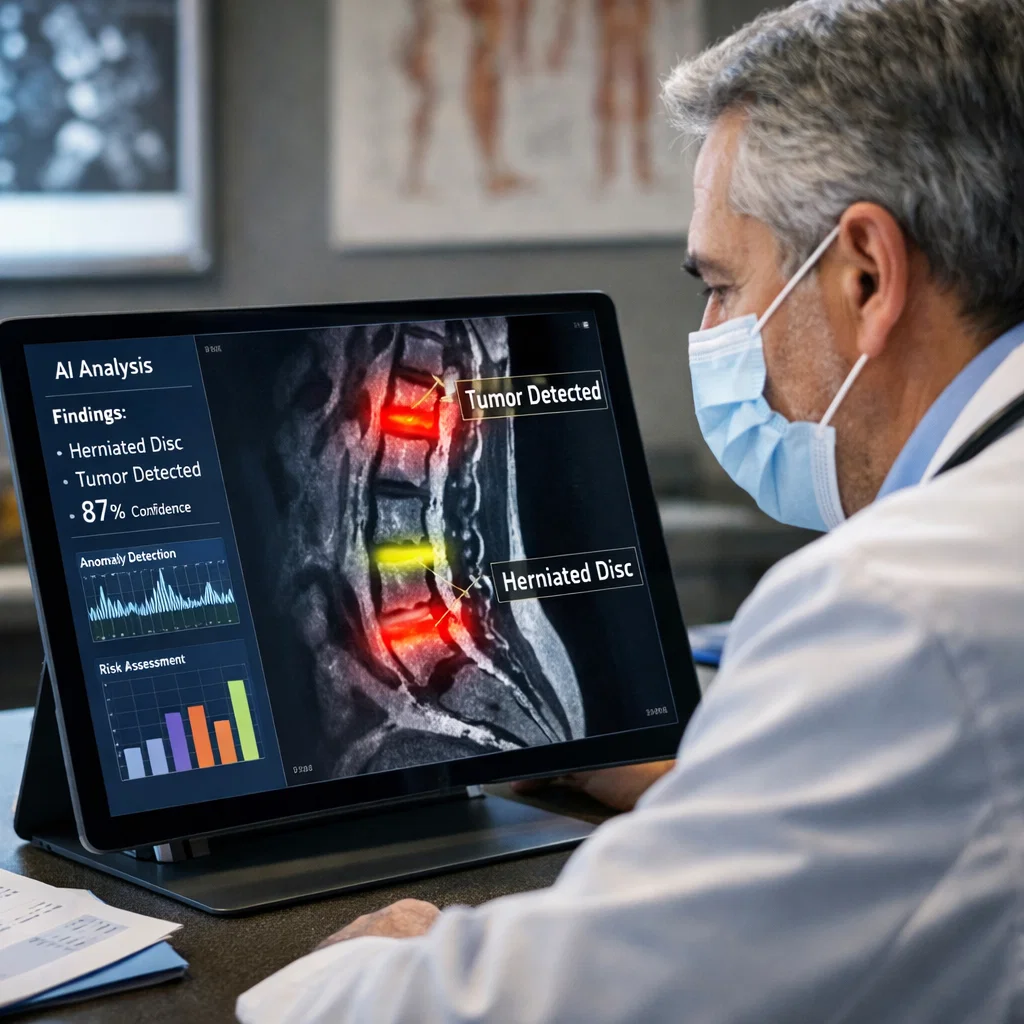
Health care has never been a less good area to implement AI in, and in 2026, AI is increasingly becoming essential in assisting in the treatment of patients and making the work of healthcare professionals more efficient. The AI tools are assisting physicians and Med staff to diagnose and treat patients more rapidly and precisely, maintain patient records and offer personalized treatment.
Medical Imaging and Diagnostics.
AI-driven tools are now capable of analyzing medical images—such as X-rays, MRIs, and CT scans—with incredible accuracy. These devices are able to identify the initial stages of such diseases as cancer, heart diseases, and neurological diseases, and they are often able to detect anomalies that the human eye would fail to notice. Such technology does not only enhance the speed of diagnosis but also assists in minimizing the possibility of misdiagnosis, which might be life-threatening to patients.
As an example, AI algorithms have the ability to scan radiological images in real-time and indicate possible problems to the doctors, simplifying the diagnosis procedure. This is particularly significant in a busy hospital where there is a scarcity of time and resources.
Administrative Tasks Automation
There has also been a big step towards automating administrative activities in healthcare using AI. AI-driven systems have taken over scheduling appointments, handling patient records, and insurance claims. Such systems will be able to handle a lot of data, discover trends, and provide patients with prompt assistance without human interventions and decrease the workload of medical personnel, as well as increase the efficiency of the workflow. Also, patient support, answering typical medical questions or helping patients navigate the appointment booking or knowing their treatment plan are all being done by chatbots and virtual assistants.
AI in Finance: Achieving more Accuracy and Efficiency.
Another area in which AI is changing drastically is the finance industry. AI is already making financial transactions more accurate and less manual demanding, as well as more insightful to financial professionals, by automating financial transactions and expanding the risk management and fraud detection capabilities.
Fraud Detection and Risk Management.
The capacity of AI to analyze a large volume of information and find trends is changing the way financial institutions handle fraud and risk evaluation. Driven by AIs, systems are able to study customer behavior and track their transactions, as well as identify anomalies that could meet the description of fraud. These systems can detect suspicious activity early-on by continuously tracking transactions in real-time, and thus preventing potential fraud before it occurs.
Furthermore, AI is being applied to assess credit risk by considering a multitude of aspects, such as spending patterns, credit history, and even social media activity. This assists the financial institutions in providing more individualized services to clients, whilst retaining a high level of security and minimizing the chances of defaults.

Robo-Advisors for Investment
AI has also transformed investment management, especially with the emergence of robo-advisors. These are AI-based applications that can provide individuals with personalized financial recommendations according to their financial objectives and risk tolerance. Robo-advisors can help more people afford financial planning by utilizing automated investment management and offering it without requiring a human financial advisor.
Artificial Intelligence in Education: Learning made personal.
AI is changing the education process and making it more personal, accessible, and efficient. By 2026, the use of AI tools to facilitate personalized learning, automate administrative workflows, and insight into student performance is commonplace.
Adaptive Learning Platforms
Personalized lessons are now being delivered through adaptive learning platforms that are driven by AI. These platforms evaluate the progress of each student and customize the information according to his/her learning pace and requirements. As an example, when a student is facing some difficulty with a certain concept, the system can modify the lesson to give more explanations or more practice exercises until the student understands the lesson.
Such tools, besides assisting students to learn more efficiently, enable teachers to concentrate on more significant activities, including offering one-on-one attention to those students needing it the most.
Automating Administrative Tasks
The use of AI to automate administration is also benefiting teachers and the administration of schools. Artificial intelligence can be used to mark the assignments, monitor students progress and even help with curriculum development. This lessens the administrative challenges on the teachers and they are able to dedicate more time with the students.
AI in Marketing: Customer engagement.
The emergence of AI has radically changed the concept of marketing, as it is currently being applied to personalize marketing approaches, improve customer interaction, and provide a better way of targeting customers.
Personalized Customer Experiences
Personalized customer experience is one of the most important ways AI is revolutionizing marketing. An AI takes consumer data, such as their browsing history, buying behavior, and social media activity, and uses these to provide highly personalized recommendations. It helps businesses to deliver customized content, offers and advertisements that appeal to individual consumers, increasing their conversion rates and customer loyalty.
As an example, e-commerce websites utilize AI to suggest products to customers, based on previous purchases, and streaming platforms such as Netflix and Spotify utilize AI to recommend movies, television shows, and music based on their preference.
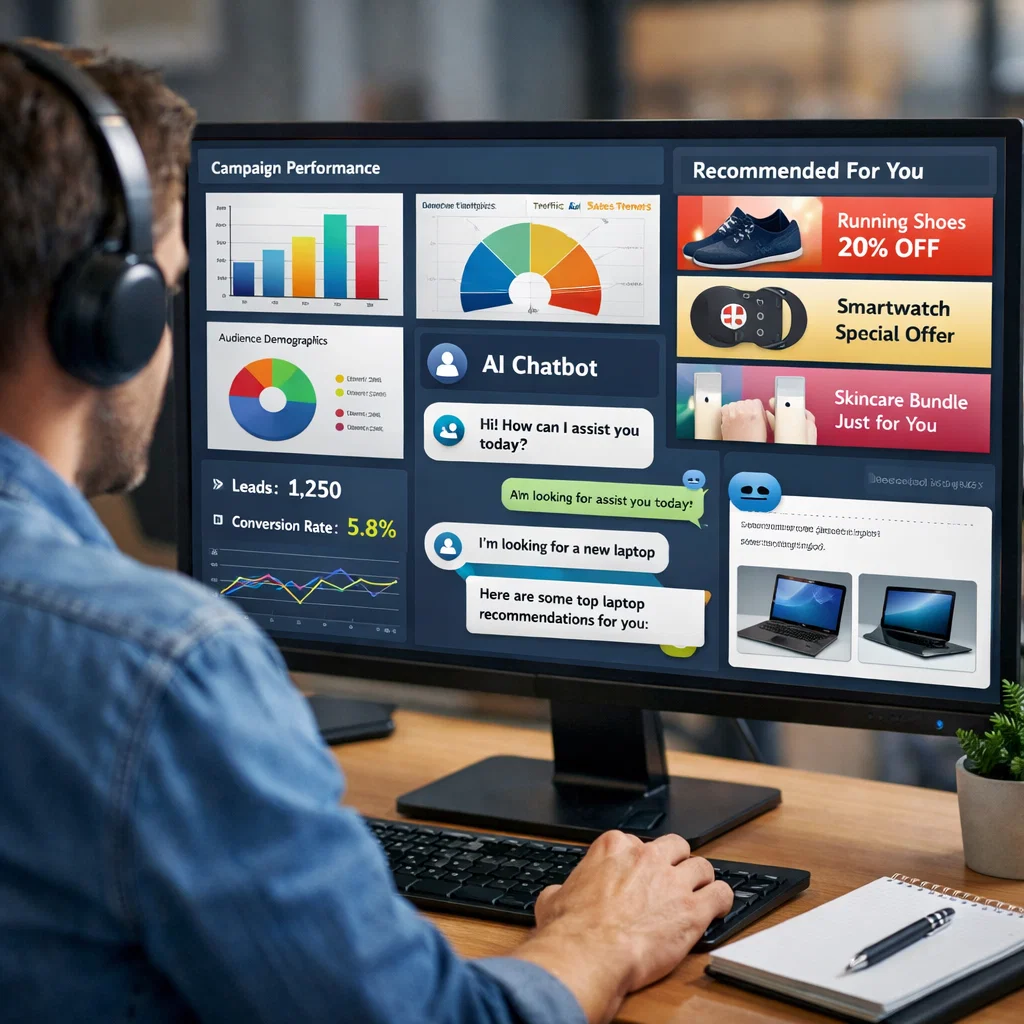
Virtual Assistants and Chatbots.
AI-powered chatbots and virtual assistants have also revolutionized customer service. These tools have the ability to take customer inquiries round the clock meaning that they will respond instantly to any questions raised and deal with problems without involving human beings. With natural language processing (NLP) and machine learning, AI chatbots can respond and comprehend customer inquiries with greater accuracy, providing a more effective and affordable answer to customer care.
The Future of AI in the Workplace.
With the continued development of AI, it will become even more prominent in the workplace. Already in 2026 AI is improving productivity and simplifying the working process, but the future promises even more changes. With repetitive work being replaced by automation, more people will have time to engage in creative, strategic and high value work, which needs human intelligence.
Nevertheless, this transition has its issues. With routine activities being replaced by AI, companies have to evolve to stay afloat. This involves investing in training and reskilling employees so that they are able to work in tandem with the AI tools. The workplace is ever changing and employees should adopt an attitude of lifelong learning and adaptability.
Learning to live with AI in the Workplace.
In order to remain competitive in the AI-driven world, businesses and individuals need to take the initiative to adapt. It is required that companies invest in AI technologies that fit their objectives and constantly consider the ways to apply AI to their operations. As an employee, they will also have to acquire digital literacy, learn to work with AI tools, and new skills to be able to succeed over time.
Conclusion
By 2026, AI is no longer a far-off idea, but a current reality that is changing industries and making workflows of daily routine modern. In healthcare, finance, education, and marketing, among other areas, AI is assisting businesses to be more productive, less costly and make better decisions. Although AI emergence could cause job displacement in certain sectors, it also increases new opportunities to those who are ready to change and businesses. The only difference is that as we continue to go into the AI-driven future, the ones who will survive in this fast changing environment are those who adapt.
Through this insight into the industries being transformed by AI, companies and individuals can use its potential to stay competitive and innovate in their own industries. Artificial intelligence is an indisputable part of the future of work, and its acceptance is the key to success.