Most people don’t think about their upholstery until something goes wrong. A glass of red wine tips over, the cat has an accident, or a visitor sits down and wrinkles their nose. At that point the question is no longer “should I clean this?” but “what on earth do I do now?”
If you’re searching for upholstery cleaning Ottawa can offer, chances are you’re dealing with one of the problems below. Here’s what causes each one, what you can try first, and when it’s smarter to bring in a professional.
One thing applies to every problem on this list: any cleaning method should follow the manufacturer’s care instructions and an assessment of the fabric. Check the care tag (usually under a seat cushion or along the frame) before you use any product.
1. The Stain That Won’t Come Out
You blotted it, you dabbed it, you tried a household spray, and the mark is still there, maybe even bigger than before.
This usually happens because the spill soaked below the surface or the wrong product set it into the fibre. Coffee, wine, grease and ink all behave differently, and a treatment that works on one can lock in another.
What to do: Blot gently with a clean white cloth, working from the outside edge toward the centre. Avoid scrubbing, which frays the fabric and spreads the stain. If the first attempt doesn’t work, stop. Repeated rounds of different products often make the outcome worse.
Worth knowing: Cleaning lifts a good deal, but where a stain has already changed the colour of the fibre, it may not vanish completely. A good cleaner will tell you that before starting.
2. A Smell You Can’t Place
Upholstery absorbs odours the way a sponge absorbs water. Cooking smells, pets, smoke, damp towels and old spills all settle in. Spraying fragrance over it only masks the problem for a day or two.
What to do: Vacuum thoroughly, including the seams and under the cushions, and let fresh air into the room for a while. Avoid covering the smell with fragrance sprays or applying products that your fabric’s care tag doesn’t allow.
When it isn’t enough: If the smell lingers, the source is usually deeper in the cushion or padding. That’s where proper extraction does what surface treatment can’t, provided the fabric is suitable for it.
3. Pet Accidents and Fur
Pets are wonderful and tough on furniture. Fur works its way into woven fabric, and urine can soak through the cover into the foam.
What to do: Remove fur with a rubber glove or lint roller before vacuuming. For accidents, blot up as much as possible straight away and avoid using heat or heavy scrubbing.
When to call someone: Pet urine is one of the hardest problems to solve yourself, because the smell returns if the padding isn’t properly treated. If your pet has been repeat-marking the same spot, get it assessed sooner rather than later.
4. Dark, Greasy-Looking Patches
Look at the armrests and headrest area of any well-loved sofa and you’ll often see a darker, slightly shiny patch. That’s body oil, skin cells and hand cream building up over months.
What to do: Regular vacuuming can slow it down, and if your care tag allows water-based cleaning, wiping the area lightly with a barely damp cloth may help. Throw blankets over high-contact spots help too.
Why it matters: This kind of buildup is oily, not dusty, so it rarely lifts with a vacuum alone. It’s one of the most common reasons people book a clean.
5. Allergies That Act Up Indoors
If you sneeze more at home than anywhere else, soft furnishings could be part of the reason. Dust, dander and pollen collect in fabric, and Ottawa’s long winters keep windows closed for months, so there’s less fresh air to clear the house.
What to do: Vacuum with an upholstery attachment weekly, wash removable covers and throws (following their care labels), and keep pets off the main seating if you can.
What cleaning adds: A deep clean can remove a good share of what vacuuming leaves behind, which may make a noticeable difference to how comfortable a room feels. It won’t cure allergies, but it can take away one common source of irritation.
6. Fading, Flattened Fabric and a Tired Look
Even without stains, upholstery ages. Sunlight fades colour, daily use presses the pile flat, and embedded grit acts like fine sandpaper on the fibres.
What to do: Rotate cushions, close blinds during the strongest sunlight, and vacuum regularly so grit isn’t ground in.
What to expect: Cleaning can restore some lost brightness by removing the film of dirt that dulls the surface. It can’t reverse true sun damage or worn-out fibre, and an honest cleaner will say so.
7. Dining Chairs and Everything Else
People focus on the sofa and forget the rest: dining chairs, armchairs, recliners, ottomans and loose cushions. Dining chairs in particular catch food, drink and sauce constantly, and the stains tend to build up unnoticed until a family dinner exposes them.
What to do: Wipe seats after meals when the fabric allows, and check the undersides of seat cushions, where hidden marks often collect.
What Happens During a Professional Visit?
Knowing what to expect takes some of the stress out of booking. A typical in-home visit works like this:
- You share a few photos so the cleaner can understand the fabric, the condition and the problem areas.
- You get a price before work begins, so there are no surprises afterward.
- The fabric is assessed before any product touches it, because the right method depends on the material and the manufacturer’s care instructions.
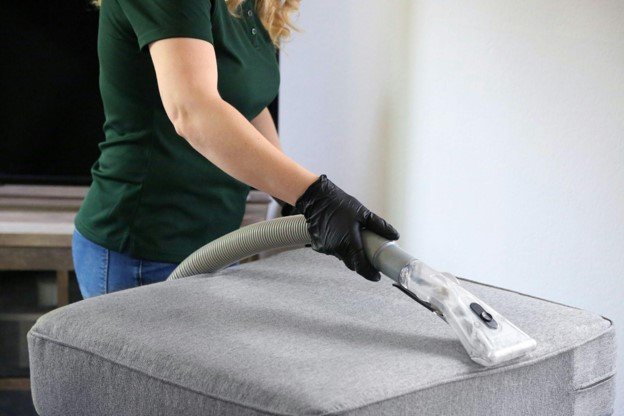
- Suitable stains and heavy-use areas are pre-treated, then the upholstery is cleaned and the dirty moisture extracted rather than left to soak.
- Drying is kept to a reasonable window, usually a matter of hours, depending on the fabric, with good airflow helping.
Not every fabric can be cleaned the same way, and some, including certain S- and X-coded ones, may not suit anything beyond vacuuming or specialist methods. A careful cleaner will tell you that during the assessment rather than after the work.
Because it all happens at your home, you don’t need to move heavy furniture anywhere. If you’d like to know what’s realistic for your pieces, Ottawa Sofa & Carpet Cleaning can look at a few photos and give you an honest view before you decide to book.
How to Prepare for a Clean
A few small steps help the visit go smoothly:
- Remove cushions, throws, pillows and any loose items from the furniture.
- Vacuum the surface if you can.
- Point out the worst stains and any history, such as what was spilled and what you’ve already tried.
- Have the care tag details or a photo of it ready if you can find it.
- Clear a path to the furniture and let the cleaner know about pets or anyone sensitive to scents.
- Plan to keep pets and children off the furniture until it’s fully dry.
Mistakes That Make Things Worse
- Soaking the fabric with water or cleaner
- Ignoring the care tag and the manufacturer’s instructions
- Rubbing stains instead of blotting
- Using several products in a row on the same mark
- Using hot hair dryers or heaters to speed up drying
- Waiting months to deal with a spill
The Takeaway
Most upholstery problems have a simple cause, and many are easier to fix when caught early. Handle spills quickly, keep up with light upkeep, and don’t be afraid to call in help when a stain, smell or patch refuses to budge. A clear quote, a straightforward fabric assessment and an honest conversation about results are what make the experience worthwhile.
If your furniture is showing signs of wear, a professional clean can often help bring back some of the comfort and freshness you started with, as long as the fabric is suitable for it.