Introduction
There are many new ways that people and companies can manage their finances thanks to the open banking technology. Traditionally, customers would have to rely on each individual bank to provide them with financial information and services. With open banking, customers can allow their financial data to be shared securely with the proper third parties through the use of Application Programming Interfaces (APIs). This can provide customers with more integrated financial services. With real time payment systems, financial services are much quicker to complete. These include instant payments, mobile wallets, account to account payments and international payments. These can give customers more control over their financial choices and help businesses with their payments.
1. Consolidated Accounts
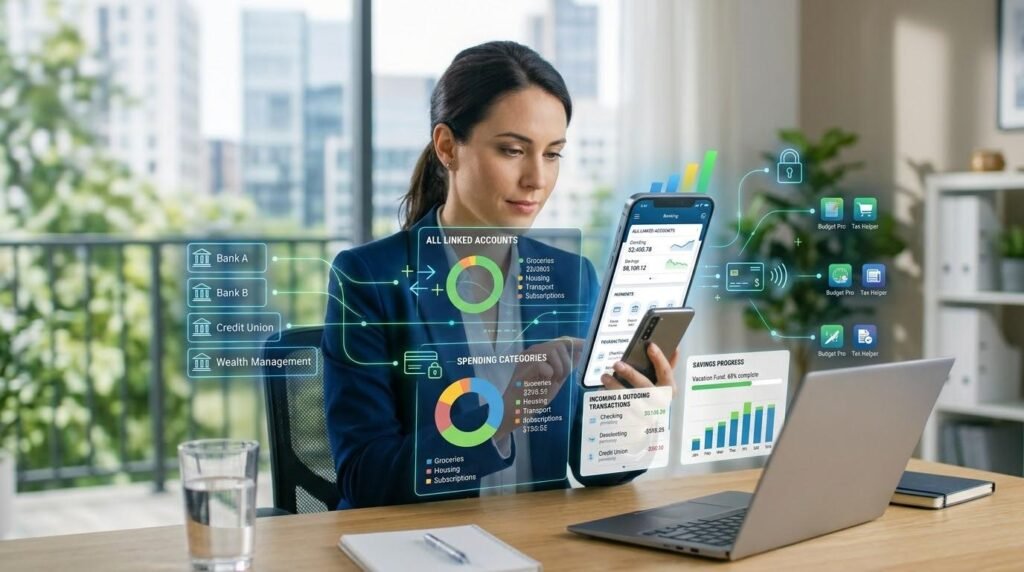
An advantage of open banking is customers can view their financial information across multiple accounts. If you have multiple accounts with multiple banks you could be using many apps to view your money. With open banking you can allow the correct financial apps to gather your data from the relevant banks. This will give you an overall view of your finances. It will be easier to see how much money you have available, track your spending and see what you owe. With this you can make more informed decisions. You will know exactly how much you earn, spend and save. This means you have an easier time dealing with your multiple financial relationships.
2. Instant Bank Payments
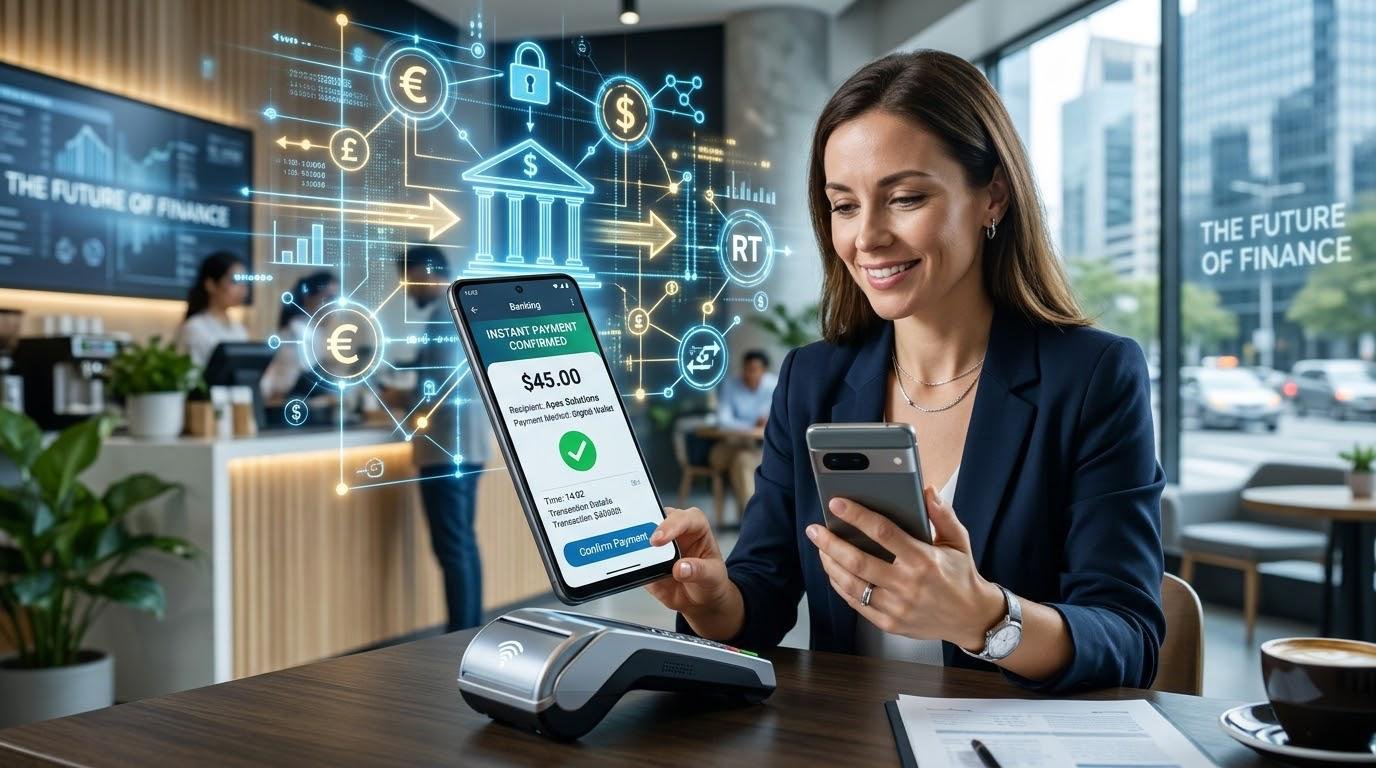
With real time payments, customers can make payments between their bank accounts much quicker. Traditionally, there could be delays with payments. This could be due to processing times, banks being closed or settlement times. With instant payments, the relevant banks can process transactions in the matter of seconds. These are usually available throughout the day, including weekends and bank holidays. This can be handy if you need to send someone money quickly, pay for things around your home or deal with any unexpected situations. Businesses can also benefit from this as they can get paid quicker by their customers. The money can then be put to good use. With open banking payments, customers can give their permission for payments to be made through the correct third party apps. This means they don’t have to enter a lot of information. This makes the payments easier for the customer.
3. Account to Account Payments
With account to account payments customers can transfer money from their bank account to another account. With open banking APIs, customers can link with their bank through the correct payment providers. This means they can make payments once given permission. This can give customers more options when paying for things online, paying bills and other payments. For businesses, this can mean they don’t have to rely on certain people and can reduce the cost of processing payments. With faster payments, merchants can easily see when they have received payments. Customers will feel more in control as they can view the amount they are paying and who they are paying.
4. Mobile Wallets
Mobile wallets have made it easier for customers to make payments. Customers can store their payment information and make payments through their smartphone. This means they don’t have to carry cash or enter their bank details multiple times. Some mobile wallets can also link to your bank account. This means you can view your balance, make payments and purchase items. Mobile wallets can be linked to faster payments so payments can be made quicker. This means it’s easier for individuals to pay for transport, food, subscriptions and other items. Businesses can also benefit from this as they can receive payments digitally. Mobile wallets can also show transaction history so you can keep track of your spending.
5. QR Code Payments
QR Code Payments are making it easier to make payments digitally. Customers can scan a QR code using their smartphone instead of entering payment information. The QR code will have information to send customers to the right merchant/payment. Once customers have viewed the payment information they can authorize the payment through their banking/wallet app. This is great for restaurants, shops, transport and small businesses who want to accept payments digitally. QR codes can be linked to faster payments to make payments quicker to process. This means businesses can be notified of payments quicker. As explained in our guide to QR Code Payments, this makes it easier to link digital payments to your business.
6. Peer to Peer Payments
Peer to peer payments let individuals send money to others through digital banking apps. This can be handy for sharing household costs, sending money to family members, paying back money you’ve borrowed or contributing to group payments. Traditionally customers would have had to visit their bank, use cash or go through a few steps to make payments. With modern payments, customers can make payments through their mobile app. They can simply enter the recipient’s details, phone number or other details. If they’re using instant payments, the recipient will receive the money in seconds. Open banking can also help with this as you can link the correct payment apps to your account. This means individuals can have more options for sending money.
7. Real Time Payment Alerts
Real time payment alerts can help customers and businesses keep on top of their financial transactions. Instead of waiting for statements, customers can receive alerts when money moves in/out of their account. This could show customers how much money they’re sending/receiving, who they’re sending it to, payment statuses and how much money they have available. For individuals this means they can easily spot any unauthorized transactions. For businesses they can confirm payments have gone through from customers. This helps improve the payment process. There is less confusion with payments as they can be confirmed quicker. Payment alerts help customers to be more aware of their finances.
8. International Payments
Traditionally international payments can be expensive, have multiple middlemen, different exchange rates and can take a long time to process. This can cause issues for individuals trying to send money to family members overseas and businesses trying to pay international suppliers or receive payments from overseas. Financial institutions and payment providers are looking into new technologies to link domestic payments. Open banking can help with this with links through APIs. Modern payments can also help make payments quicker and more transparent. Customers may also be able to see clearer information about exchange rates, fees and how quickly their payments will arrive. Whilst international payments may still take some time to process depending on the banks, currencies, regulations and settlement, there are now new opportunities for easier and quicker international payments.
9. Easier Bill Payments
With open banking, customers can easily manage their regular financial commitments. They can link their account to the correct payment/budgeting apps. This can help customers manage their payments for electricity, internet, rent, insurance and more. Depending on the provider and what payments they can authorize, customers may be able to authorize payments directly from their bank account. With faster payments, customers won’t have to wait as long to be notified their bill has been paid. This means individuals won’t have to worry unnecessarily if an important payment has gone through. Businesses that receive regular payments can also benefit from this. They will have a more predictable payment process. Customers will still need to check their authorizations, payment dates and how much they have in their account.
10. Better Budgeting Choices
With open banking, budgeting apps can access your financial information from the relevant providers. This can help you understand how much you earn and spend. Instead of having to manually enter every purchase you make, you can use the linked apps to categorize your payments. This can help you see how you’re spending your money. For example, you may realize you’re spending a large amount of your monthly income on small purchases. Budgeting apps can also help you set a limit on how much you’re spending. This means you can keep track of your financial goals and find areas to reduce unnecessary spending. With regular updates to your account, you can make decisions based on up to date information. This means you’ll be more aware of your finances and can be more responsible with your money.
11. Faster Transactions for Businesses
Real time payments can be very beneficial for businesses. If payments are taking a long time to process, it can cause issues with managing daily operations. Businesses will regularly need to pay suppliers, pay invoices, pay employees and receive payments. If payments are taking a few days to process, businesses can struggle with cash flow. With faster payments, businesses can receive their payments quicker. This means they can manage their working capital better. With open banking payments, businesses can link their financial systems to the relevant banks. This can help businesses receive payments quicker. Small and medium sized businesses can benefit from this as they can reduce administration and have better insight into their finances. Overall, faster and more transparent payments can help businesses run more efficiently.
12. Personalized Services
Open banking allows financial institutions to create services for customers using their approved financial information. Instead of offering the same products to everyone, providers can use the relevant information from your account to understand your financial needs. For example, if you want to get into the habit of saving, you may benefit from apps that can tell you how much you have available and realistic savings goals. If you have multiple financial commitments, you may receive tools to help you manage your payments and track your account. Real time payments can also help financial institutions provide quicker updates on payments. However, you need to ensure the data is handled responsibly, customers have clear permissions and the correct security measures are in place. You should always be able to understand, manage and revoke permissions. This can help you have a more personalized service, making banking more relevant, easy and responsive.
Conclusion
With open banking technology and real time payments, individuals and businesses can interact with their financial services in new ways. With consolidated account information, instant payments, account to account payments, mobile wallets, QR Code Payments and faster international payments, customers can have more opportunities to manage their money easily. Businesses can also benefit from quicker payment confirmations, improved cash flow and more efficient financial processes. However, you need to ensure there are strong cyber security measures in place, data is handled responsibly, transactions are transparent and customers are protected. Customers should understand how their data is being shared and only give permission to trusted providers. As financial institutions continue to invest in linked banking services and faster payments, open banking will become increasingly important to create a financial environment where customers have more choice, transparency and control over their money.
Get more well researched information about Open Banking Technology here.