Introduction
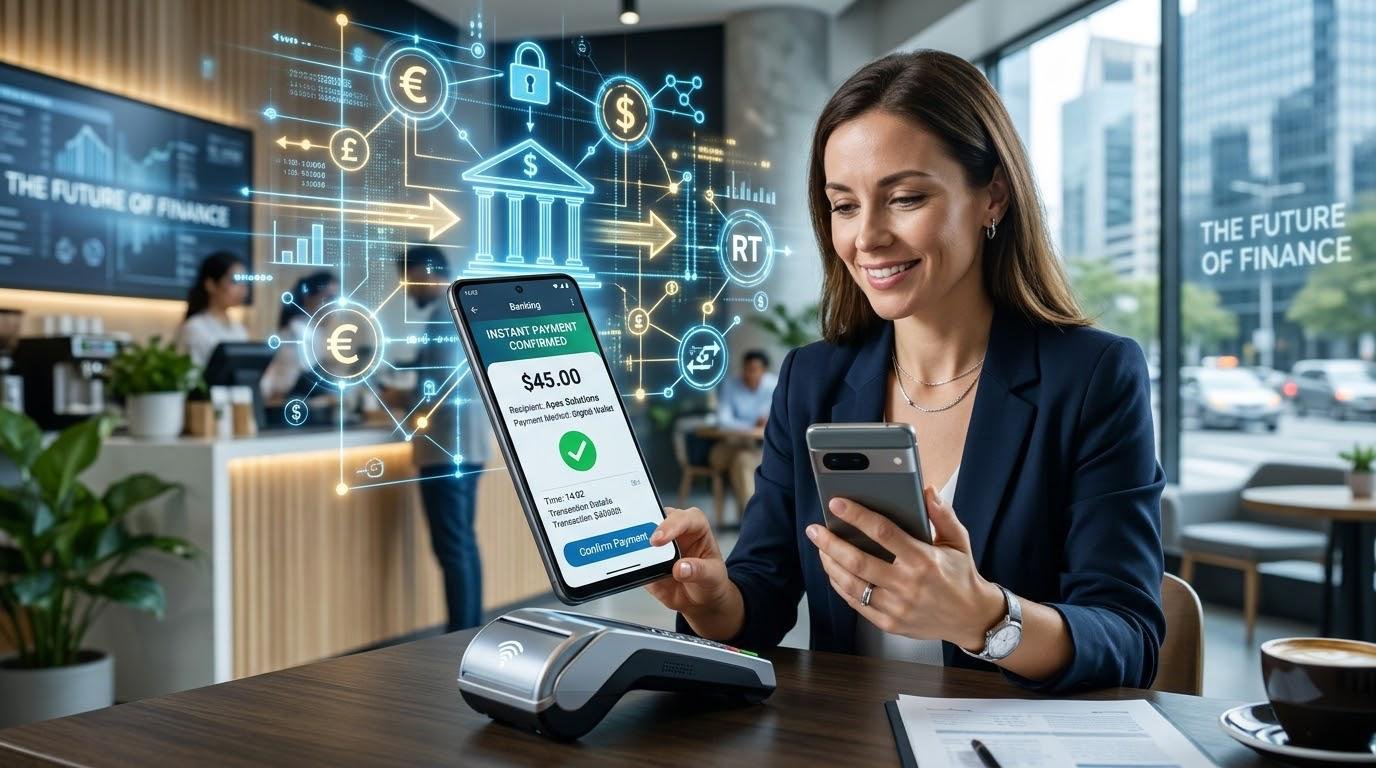
The finance industry is seeing some major changes as more technology comes into play with how we can send, receive and manage our money. Real time payment technology has changed how we can move money between accounts in seconds. This has opened up lots of opportunities for businesses and individuals to get faster, more satisfied and efficient services. Real time payment systems have developed which allows faster transactions to be made. Financial institutions can offer near instant transactions to customers, giving them more control over their money. As real time payment technology becomes more popular, it is having an impact on many different services including everyday banking, international payments and digital payments.
1. Instant Bank Transfers
Instant bank transfers are changing the way individuals and businesses can send money between financial institutions. This can now be done in seconds, rather than having to wait hours or even days. This makes everyday payments much easier for customers. Businesses can now receive payments from customers quickly. This means they can improve their cash flow as they will get their money quicker. As more banks offer this service, customers can expect their money to be available instantly.
2. Faster Account Transfers
Account transfers allow customers to move money from one bank account to another. Using real time payment technology means this can now be done much faster. This can be used to pay merchants, invoices and to move money between personal and business accounts. For businesses this will help as they can start to reduce their costs of paying for payments. Financial institutions can also create services to help make account transfers easier. This is causing more competition in the payment industry.
3. Mobile Wallets
With mobile wallet technology becoming more popular, it is making payments easier for customers. With this linked to real time payment technology, it can help make payments faster. Customers can now pay for products and send money to others using their mobile phone. This means they no longer have to carry cash. Businesses will benefit from this as they can offer fast and easy payment services. Financial institutions can also offer new services with mobile wallets. This is causing more competition in the payments industry.
4. QR Code Payments
Using QR codes will help make payments easier. Customers can use their phone camera or payment app to scan the code. This will link them directly to their payment. This will help with longer account numbers. If they are using real time payment technology, they will be able to make their payments quickly. Both the customer and merchant will receive confirmation. Small businesses, market traders, restaurants and online sellers will benefit from this as it will give them an easy way to receive payments. This can also help businesses with contactless payments.
5. Peer to Peer Transfers
Peer to peer transfers allow individuals to send money to friends, family and others. Using real time payment technology means that transfers can happen quicker. This can help if individuals need to share costs, help family members, pay back money or contribute to group purchases. This can also help those who rely on receiving money quickly. Financial institutions can offer peer to peer transfers to help attract customers who want an easy digital experience. With instant payments and easy to use mobile apps, payment providers can help individuals make personal transfers easier.
6. Real Time Payment Alerts
Real time payment alerts can help both customers and businesses. Customers will receive instant alerts to let them know about their payments. This will help improve transparency. Customers will know if their payments have gone through. They will also be able to spot any unexpected activity. Businesses can also use payment alerts to ensure they are receiving payments from customers. Financial institutions will benefit from this as they can keep customers informed. With instant alerts being used, they can offer a more responsive service. With the correct security in place, customers can quickly spot any suspicious activity and report fraud.
7. Faster Business Payments
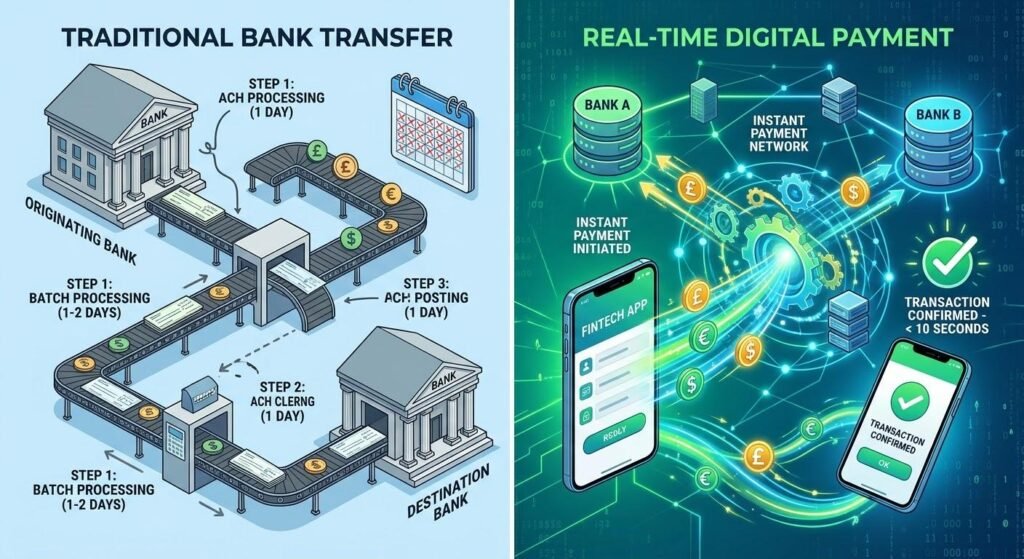
Real time settlements can help businesses who rely on regular payments. If they are waiting for payments to come through, it can cause issues for them such as paying suppliers, employees or extra stock. With instant payments, businesses can get their payments quicker. Retailers will also benefit from this as they can be sure their payments have gone through. Small and medium sized businesses can also benefit from this as they will have better access to their money and less pressure on their cash. This can help improve efficiency for businesses.
8. International Payments
International payments can often be complicated with multiple financial institutions, currency conversion, third party fees and long processing times. Real time payment innovations can help improve this by improving communication between payment networks. Whilst not all international payments will go through instantly due to regulations, currencies and financial institutions, new solutions are being created to help make international payments more efficient. Individuals can benefit by being able to help family members abroad. Businesses can also benefit by being able to pay their suppliers quicker. With more payment networks becoming compatible, this can help improve global connections.
9. Improve Cashflow
Having access to your money is very important. With real time payments, you can improve your cashflow. Businesses will be able to track their income more accurately and make better decisions when purchasing stock, paying for costs and paying suppliers. Individuals will also have more control over their budget. With instant payments, they will know how much they have received instantly. This may mean they don’t need to hold large amounts of cash just in case. Financial institutions can offer more responsive services to help customers.
10. Less Delayed Payments
Delayed payments can often cause extra work for businesses and financial institutions. Employees may need to investigate why payments are not going through, confirm that payments have gone through, contact financial providers and manually sort out payments. Using real time payments can help reduce this. Businesses will be able to see when payments have gone through. This can help with keeping their accounts updated. Financial institutions can improve their efficiency by using automation. Whilst there may be some issues to look into, overall they will save time on payments and be able to focus on providing better customer services.
11. Improved Fraud Detection
Fast digital payments can help improve fraud detection. It is important for financial institutions to have good security in place. Real time payment platforms can include fraud detection tools. This will help detect suspicious activity. It may look at payment amounts, account history, unusual locations and other signs of risk. Customers will also be able to spot any unauthorized activity instantly. However, with instant payments, it can be harder to get your money back. Financial institutions will need to ensure they have good security in place. This should include identity verification, encryption, authentication and fraud prevention.
12. Increased Inclusivity
Real time payments can help increase inclusivity within the financial industry. Mobile payment apps and low cost digital payments will help more people use electronic payments. Small businesses, informal traders and individuals from underprivileged communities can receive payments and manage their money with supported digital payments. This can help reduce their reliance on cash and open up new financial opportunities. However, it is important to ensure they have good internet, affordable devices, digital skills and financial infrastructure in place to ensure they can use the service.
13. Responsive Customer Services
Customers are expecting faster, easy and reliable services. Real time payments can help financial institutions by offering instant updates, quicker payments and easy digital payments. Customers no longer have to visit the branch or wait for payments to go through. Financial institutions and payment providers can also use the information to improve their customer services. They can look at how they can offer more relevant financial products. Customers can also get a better insight into their spending patterns and feel more confident with their accounts. With instant payments and good digital support, financial institutions can improve their relationships with customers.
14. New Financial Opportunities
Financial institutions and technological companies can create new products with real time payment networks. Fast payments can help create new innovative payment solutions, automated payments, embedded finance and efficient digital payments. Businesses can add payment systems to their platform so customers don’t have to go through complicated payment processes. Financial technology companies can also develop new solutions to allow businesses to link their banking with accounting, business management and digital marketplaces. This will help create competition and open up new opportunities for financial institutions. Investment in flexible technologies will allow organizations to keep up with changing customer expectations.
15. Improved Visibility
Real time payments can help improve visibility. Customers can now see their transactions quicker. Individuals can track their payments and see how their payments are going. Businesses can also improve their bookkeeping with quicker payment records. Customers and merchants will also have less uncertainty as they will receive instant confirmation. Financial institutions can improve this with digital dashboards, detailed payment history and automation. This will make it easier to spot any errors and investigate. Overall this will help improve accountability.
Conclusion
Overall, real time payments are changing the financial industry. They are providing faster, easier and more convenient services for individuals and businesses. With instant bank transfers, mobile wallets, QR Code Payments, international transfers and improved fraud detection, real time payments are changing how money moves around the economy. Having faster settlements can help improve cashflow, reduce admin, help with business and provide more responsive services for customers. However, businesses will need reliable infrastructure, strong cyber security, regulation and investment into financial innovation. As digital payment networks become more connected, real time payments will become more important to create a more efficient, inclusive and customer focused financial industry.
Get more well researched information about Real-time payment technology here.