Introduction
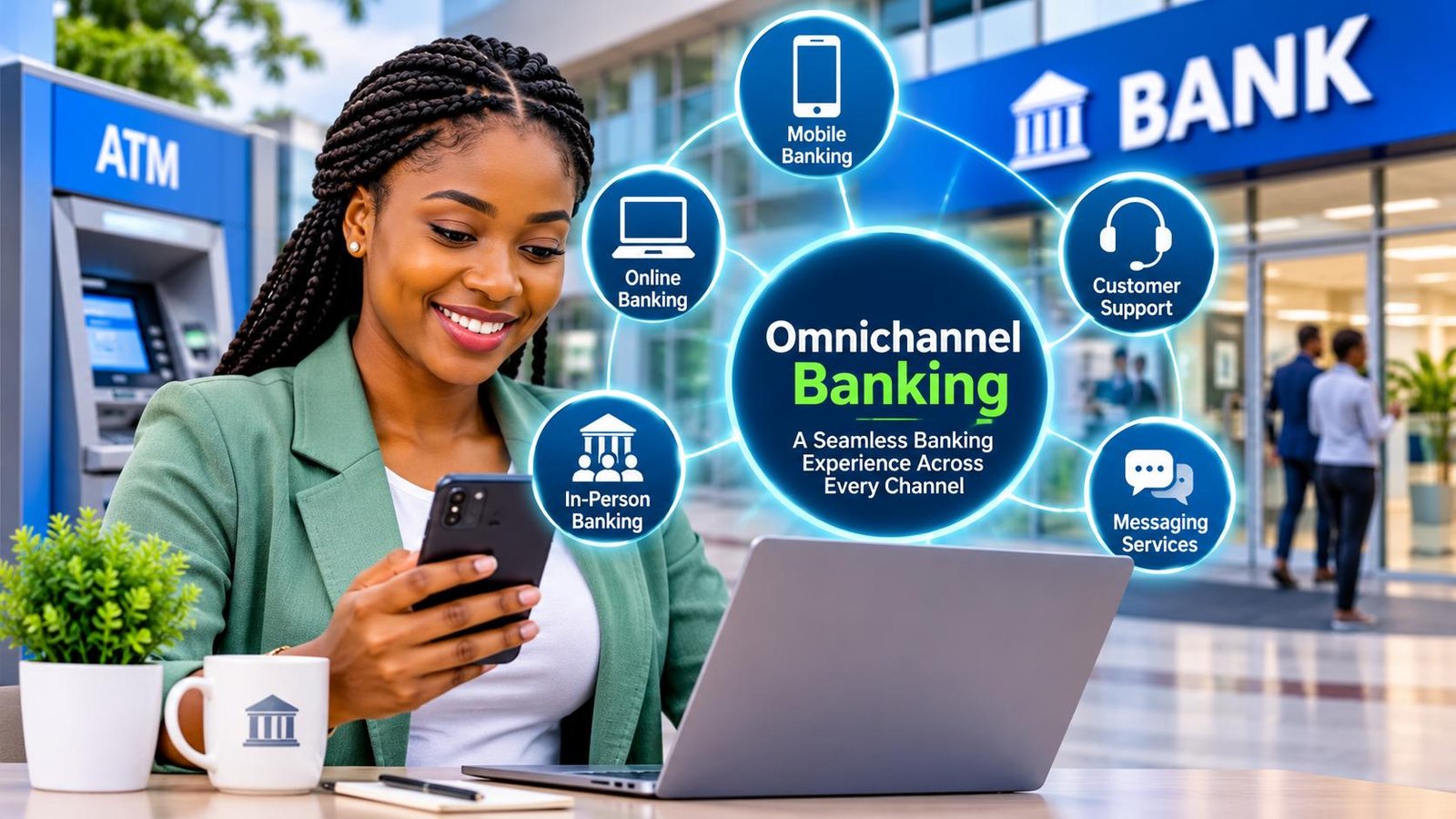
Nowadays, customers expect to be able to receive banking services quickly and easily. They may use a mobile app to view their current balance, make a transfer on a website, call customer service or go to their local branch. However, if there are multiple ways to receive banking services, it can often become frustrating for customers. This is because they may have to provide the same information multiple times, give detail about their transaction and have to start from the beginning. An omnichannel banking solution can ensure a smooth banking experience by connecting digital banking solutions. This provides a seamless connection between digital and in-person services to ensure customers do not lose any key information. It provides a hybrid solution between digital and human interaction, making it easier for customers to access.
1. Provide a Smooth Customer Service Experience
One major benefit of an omnichannel banking solution is the ability to provide a smooth customer service experience. If customers have started talking to customer service via a chatbot on your website, they can continue to talk to you via phone or messaging. As the systems are interconnected, your customer service team will be able to look up their previous conversation to understand the issue and help them. This reduces unnecessary delays. It also helps banks to provide a consistent standard for customers. By providing multiple interconnected ways to receive help, you can improve how quickly you can respond to your customers’ needs.
2. Ensure Consistent Account Information
Customers expect their banking information to be accurate. Omnichannel banking ensures that customers can view consistent information across different platforms. This could include mobile apps, online banking, ATMs and in-person. For example, if a customer has made a payment through a mobile app, their balance and payment information can be viewed on other interconnected banking solutions. This reduces confusion and helps customers make informed decisions. The bank staff will have access to the correct information to help them. This means customers can switch between banking platforms without worrying about being given incorrect information.
3. Provide a Single Customer View
By providing a single customer view, banks can have a full view of the entire customer’s banking activity. This means that all relevant information can be linked together across different platforms. This can help authorized staff to understand what the customer has done in the past, how they would like to communicate, what service they are requesting and more. For example, if the customer has previously had an issue with a failed transaction, they will not need to provide the same complaint when visiting the branch. Staff will be able to look at the history and provide a more informed solution. This removes any unnecessary repetition and helps banks provide a smoother service.
4. Make Financial Transactions Easier
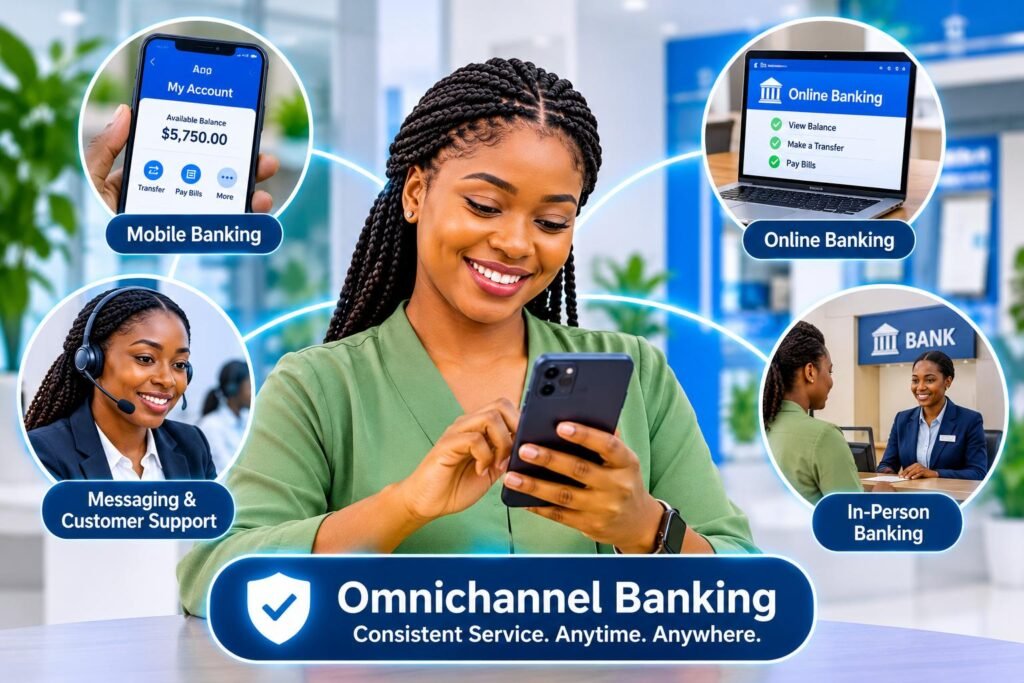
Omnichannel banking provides an easy way for customers to make financial transactions. Customers can start or continue transactions on multiple platforms. Customers may start a transaction online and if they run into any issues they can receive help from customer service. Customers may start a service request on their mobile app and finish it in-branch with the help of an employee. As the systems are interconnected, you can easily keep track of relevant transaction information. This helps reduce any unnecessary repetition. By having a consistent flow of information, banks can provide an easier way for customers to complete their everyday banking tasks. This helps improve efficiency and provides customers with more flexibility.
5. Easy Booking of Appointments Online
Sometimes visiting the bank can be a hassle due to long wait times. Omnichannel banking provides an easy way to book appointments. Customers can book appointments using a mobile app or banking website. They can select a time that suits them and what service they require. Banks can also link these bookings to their customer management systems so staff can prepare for the appointment. For example, if a customer requires help with a loan application they can book an appointment. This will help reduce any unnecessary waiting times and help keep the branch organized.
6. Provide a More Personalized Service
When communicating with customers, you should try to provide a more personalized banking experience. Omnichannel systems can help provide personalized communications by using relevant customer information. This can be done via email, SMS, mobile app notifications and messaging. Customers can receive reminders about upcoming payments, information about their account and service updates that are relevant to their financial needs. For example, if they often use mobile banking they may prefer to receive transaction updates via the app. This helps ensure customers receive relevant information. However, it is important to ensure you always gain customer consent and look after their personal information. You should also provide them with the right options.
7. Provide Hybrid Services
Whilst digital banking provides easy access to financial services, sometimes customers will require human interaction. This could be due to disputes, complex issues, loans or sensitive financial decisions. Omnichannel banking provides a seamless way to provide hybrid services. Customers can receive help via whichever method is most suitable. This could include starting an investigation into an unknown transaction via a mobile app and then speaking to a representative. As the information can be accessed across interconnected systems, the representative will have a better understanding of the situation. This helps provide a more balanced banking experience.
8. Provide Easy Communication via Messaging
Customers can receive easy communication via messaging. Customers can send questions, request information or receive service updates. If this is linked to the bank’s customer service system, you can provide a more seamless service. This means that the customer will have access to relevant information if they need to move from messaging to another form of communication. Banks can use automated responses to answer common questions. This will help provide customers with the correct information. More complex requests can be sent to the correct representatives. This helps provide an easier way for customers to access your services. This also helps reduce any barriers to communication.
9. Provide Seamless ATM Services
ATMs are an important service as they enable customers to complete key banking tasks without visiting the branch. However, they can provide added benefits when they are seamlessly connected. Customers should be able to view consistent information, withdraw cash, check their balance and complete supported transactions. For example, if a customer has recently made a transfer via their banking app they should be able to view their updated balance on an ATM. This helps banks provide more consistent transaction information and identify any issues with the service.
10. Reduce Frustrations
Customers will often become frustrated due to lack of information between different departments. For example, customers may raise an issue about a failed transfer via customer service and receive a reference number. However, when they visit the branch, the staff cannot find their complaint. Omnichannel banking can help reduce these issues. By providing a seamless customer service, you can ensure that your staffs have access to relevant information. If service requests are logged in an interconnected system, authorized staff will be able to see how far the request has come. They will also know what has been done before and what needs to be done. This reduces any unnecessary repetition. This also helps financial institutions identify any recurring issues with their service. This helps provide a more reliable experience.
11. Improve Security
Security is very important to provide a positive banking experience. Customers must feel confident that their information and transactions are secure. Omnichannel banking can help provide security across all platforms. This includes multi-factor authentication, transaction monitoring, identity checks and alerts. For example, if a suspicious transaction is identified, the bank can inform the customer via an approved communication method. They can also provide them with the correct steps to report the activity. The security systems must also ensure that customers have consistent security across digital and in-person services. This helps reduce any security concerns and provide customers with increased confidence in the long-term.
12. Build Stronger Long-Term Relationships
A seamless banking experience can impact how customers view your organization. If customers receive quick, accurate, personalized and easy to access services they are more likely to trust your bank. Omnichannel banking can help provide these features. You can ensure that all your customers’ interactions are seamless. You can also use relevant service information to understand what your customers need. For example, if a customer regularly asks about savings products you can provide them with the correct educational resources. This will help make all your interactions more seamless and increase customer satisfaction. This will help encourage customer loyalty and build stronger relationships.
Conclusion
Omnichannel banking is changing the way financial institutions provide their services. It helps provide a seamless experience by connecting mobile apps, websites, customer service, messaging, ATM and in-person services. It provides many benefits to customers by providing consistent account information, single customer views, interconnected customer service, easy appointment booking and personalized communications. It also helps reduce any disruptions to your service by providing a seamless experience. Customers can easily manage their everyday banking tasks. It also provides a hybrid solution between digital and human interaction to ensure customers receive the correct support. As customer expectations continue to change, investing in an interconnected banking experience will help improve consistency, increase customer confidence and build stronger long-term relationships.
Get more well researched information about Omnichannel Banking here.