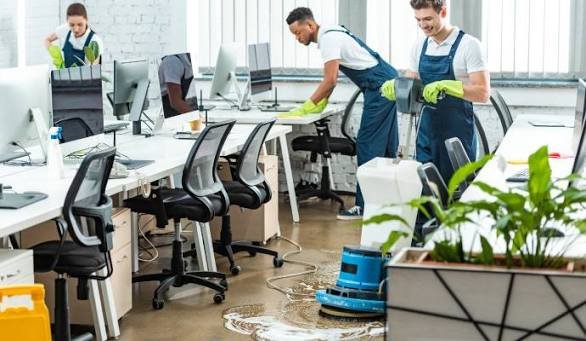
An office deep cleaning service is a detailed cleaning process that goes beyond routine dusting, vacuuming, and trash removal. It focuses on areas that are often missed during daily cleaning, including high-touch surfaces, carpets, floors, restrooms, break rooms, vents, windows, and hard-to-reach spaces. Businesses often schedule deep cleaning to improve workplace hygiene, remove built-up dirt, and create a cleaner environment for employees, customers, and visitors.
For businesses that need reliable Office Cleaning service in NYC, deep cleaning can be scheduled as a one-time service, seasonal cleaning, or part of a regular commercial cleaning plan. The exact work depends on the size of the office, building layout, number of employees, and condition of the space.
How Is Office Deep Cleaning Different From Regular Cleaning?
Regular office cleaning is designed to maintain cleanliness from day to day. It usually includes tasks such as emptying trash, cleaning restrooms, vacuuming, mopping, and wiping common surfaces.
Deep cleaning takes a more detailed approach. Instead of only maintaining visible areas, professional cleaners address accumulated dust, grime, stains, and bacteria-prone surfaces. Cleaning teams also pay attention to areas that may not be cleaned frequently during routine janitorial visits.
A deep cleaning service may be especially useful after an office renovation, before moving into a new workspace, after an event, during seasonal changes, or when a workplace has not received detailed cleaning for an extended period.
What Does an Office Deep Cleaning Service Include?
A professional deep cleaning service typically covers several areas throughout the workplace. The cleaning plan can be adjusted according to the needs of the business.
Detailed Dusting and Surface Cleaning
Dust can accumulate on desks, shelves, cabinets, ledges, partitions, electronics, and other office surfaces. Deep cleaning removes visible dust as well as buildup from less accessible areas.
Professional cleaners may clean:
- Desks and workstations
- Shelving and cabinets
- Window sills and ledges
- Door frames and trim
- Baseboards
- Light fixtures and accessible vents
- Partition walls and other surfaces
Cleaning these areas helps reduce the amount of dust that can circulate through the office and keeps the workspace looking well maintained.
High-Touch Surface Disinfection
Office buildings contain many surfaces that employees and visitors touch throughout the day. These can include door handles, light switches, elevator buttons, shared equipment, and restroom fixtures.
During a deep cleaning, cleaners can give extra attention to high-touch areas using appropriate cleaning and disinfecting products. This is particularly important in shared workplaces where many people use the same surfaces.
Common high-touch areas include door handles, handrails, switches, shared keyboards, conference room surfaces, and appliance handles.
Cleaning and disinfecting are not exactly the same. Cleaning removes dirt and debris, while disinfecting uses products designed to reduce microorganisms on suitable surfaces. Professional cleaners should follow product directions and allow the required contact time.
Deep Floor and Carpet Cleaning
Office floors experience heavy daily traffic. Dirt, dust, food particles, and moisture can become trapped in carpets and accumulate around hard flooring.
A deep cleaning service may include detailed vacuuming and carpet cleaning based on the flooring type. Carpeted areas may require extraction or another suitable cleaning method to remove embedded soil and stains.
Hard floors may receive more detailed mopping and cleaning around corners, edges, furniture, and other areas that routine cleaning can miss.
Depending on the flooring material, professional cleaning may also address:
- Stubborn spots and stains
- Dirt around floor edges
- Areas beneath movable furniture
- Grout and floor joints
- Built-up residue
Using the correct cleaning method matters because different flooring materials have different maintenance requirements.
Office Restroom Deep Cleaning
Restrooms require consistent attention because they are high-use areas and can quickly develop odors, stains, and buildup.
During an office deep cleaning, the restroom receives more detailed attention than it may receive during a standard cleaning visit. Cleaners can thoroughly clean and disinfect toilets, sinks, faucets, counters, partitions, floors, mirrors, and frequently touched surfaces.
They may also clean areas around fixtures where dirt and residue can accumulate. Soap dispensers, hand dryers, door handles, and other commonly touched surfaces should not be overlooked.
A clean restroom supports better workplace hygiene and also contributes to the overall impression visitors have of a business.
Break Room and Kitchen Cleaning
Office kitchens and break rooms can collect food residue, grease, spills, crumbs, and unpleasant odors. These spaces need regular cleaning because employees frequently prepare, store, and consume food there.
Deep cleaning may include cleaning countertops, sinks, tables, cabinet fronts, appliance exteriors, floors, and high-touch surfaces.
Shared appliances such as refrigerators, microwaves, coffee machines, and other equipment can also receive additional attention when included in the cleaning scope.
The goal is not simply to make the break room look clean. Detailed cleaning helps maintain a more sanitary shared environment and prevents grime from building up over time.
Window and Glass Cleaning
Clean glass can make an office look brighter and better maintained. During a deep cleaning, accessible interior windows, glass doors, partitions, and other glass surfaces may be cleaned to remove fingerprints, dust, smudges, and other buildup.
Window cleaning requirements can vary depending on the building, window height, and accessibility. High exterior windows may require specialized equipment or a separate service.
Baseboards, Doors, and Hard-to-Reach Areas
Some of the most noticeable dirt in an office can build up in areas that are not part of everyday cleaning routines.
Baseboards, door edges, corners, behind furniture, and spaces around fixtures can collect dust and grime. A deep cleaning service focuses more attention on these areas.
Cleaners may move lightweight furniture when appropriate and safe to do so. Larger furniture, sensitive equipment, or items requiring special handling may need to remain in place.
This detailed work helps create a more consistently clean appearance throughout the workplace instead of leaving visibly neglected areas.
Conference Rooms and Shared Spaces
Conference rooms, waiting areas, reception spaces, training rooms, and lounges often receive frequent foot traffic. These areas can also contain shared furniture and equipment.
Deep cleaning may include wiping tables, cleaning chairs and accessible surfaces, vacuuming or mopping floors, dusting furniture, and disinfecting frequently touched surfaces.
Reception areas deserve particular attention because they are often the first part of an office that customers and visitors see. A clean entrance can contribute to a professional business image.
Trash and Waste Areas
Waste containers can develop odors and leave residue if they are not cleaned regularly. Deep cleaning can include emptying waste bins, cleaning suitable container surfaces, and addressing surrounding floor areas.
Recycling areas and waste collection points may also require additional cleaning when food waste, liquids, or other debris have accumulated.
Businesses should still follow appropriate procedures for hazardous, medical, chemical, or regulated waste. Standard commercial cleaners should not be expected to handle materials outside their service scope.
Cleaning Around Office Equipment
Office equipment requires careful handling. Computers, monitors, printers, phones, and other electronics can collect dust, but they should not be cleaned in the same way as ordinary surfaces.
Professional cleaners can typically dust and clean appropriate external surfaces while avoiding excessive moisture around electronics. Employees or designated IT personnel may need to handle internal equipment cleaning or manufacturer-specific maintenance.
Businesses should communicate with any sensitive equipment or areas that require special instructions before cleaning begins.
How Often Should an Office Get Deep Cleaned?
There is no single schedule that works for every office. A small office with limited daily traffic may require deep cleaning less frequently than a large workplace with hundreds of employees.
Factors that can affect the schedule include employee numbers, foot traffic, business type, carpet use, restroom usage, shared spaces, and the frequency of routine janitorial cleaning.
Many businesses choose to schedule a detailed cleaning periodically while maintaining the office through regular commercial cleaning between deep-cleaning visits.
What Should Businesses Do Before Deep Cleaning?
A little preparation can help cleaning teams work more efficiently. Employees may be asked to remove personal belongings from desks, secure important documents, identify sensitive equipment, and clear unnecessary items from floors and surfaces.
Businesses should also tell the cleaning company about areas that need special attention, access restrictions, security requirements, or surfaces that require specific cleaning products.
Clear communication helps create a cleaning plan that matches the actual needs of the workplace.
Choosing the Right Office Deep Cleaning Service
A professional cleaning company should provide a clear scope of work rather than using a vague definition of “deep cleaning.” Before scheduling service, businesses should understand which areas will be cleaned, what cleaning methods will be used, and whether specialized services are included separately.
Experience with commercial buildings is also important. Office environments contain different flooring materials, electronics, furniture, shared spaces, and workplace requirements. A trained cleaning team should know how to work around these conditions while maintaining consistent cleaning standards.
Businesses looking for an Office Cleaning service in NYC should also consider scheduling flexibility. Cleaning outside normal business hours can reduce disruption to employees and customers, depending on the building’s access rules.
A Cleaner Office Starts With the Areas Routine Cleaning Misses
Office deep cleaning is about more than making a workplace look tidy for a day. It provides a more detailed approach to removing accumulated dust, dirt, stains, residue, and grime from areas that routine cleaning may not fully address. From restrooms and break rooms to carpets, floors, high-touch surfaces, glass, and hard-to-reach areas, a well-planned deep cleaning service can support a cleaner and more professional workplace.
For businesses that want a structured cleaning plan based on their office size, traffic, and specific needs, American Janitorial Services NYC can help develop an appropriate commercial cleaning approach that combines detailed deep cleaning with ongoing workplace maintenance.