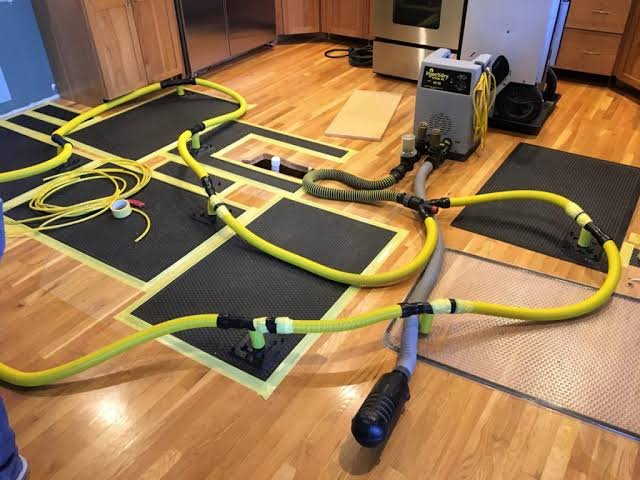
Water restoration companies use specialized equipment to remove standing water, locate hidden moisture, dry building materials, control humidity, clean affected areas, and reduce the risk of secondary damage. Common water damage restoration equipment includes water extractors, air movers, dehumidifiers, moisture meters, air scrubbers, thermal imaging cameras, and specialized cleaning tools.
The equipment a professional team uses depends on the amount of water, the affected materials, the size of the property, and the source of the damage. A minor leak may require basic extraction and drying equipment, while a major flood can require several types of commercial machines working together.
For homeowners searching for a water damage restoration company in NJ, understanding this equipment can help explain why professional restoration is more than simply placing a few household fans around a wet room. Proper restoration requires controlled water removal, moisture monitoring, and targeted drying.
Why Professional Water Restoration Equipment Matters
Water can travel much farther than what you can see. It may soak into drywall, flooring, insulation, wood framing, carpets, cabinets, and other porous materials. Even when the surface appears dry, moisture can remain underneath or inside the material.
This hidden moisture creates several concerns. It can contribute to material deterioration, odors, and microbial growth. The EPA recommends drying wet or damp materials within 24 to 48 hours when possible to help prevent mold growth.
Professional equipment helps a restoration team remove water faster and determine whether affected materials are actually dry. Instead of relying only on appearance or touch, technicians can measure moisture levels and adjust the drying process based on what they find.
This makes the restoration process more controlled and helps reduce the chance of leaving moisture behind.
1. Commercial Water Extractors
Water extractors are among the most important pieces of water damage restoration equipment.
These machines remove standing water and moisture from surfaces such as carpets, floors, and other affected materials. Professional extractors generally provide much more water-removal capability than a typical household wet/dry vacuum.
Technicians select extraction equipment based on the type and amount of water involved. For example, a large loss involving several rooms may require high-capacity equipment to remove water efficiently.
Extraction is usually one of the first major steps after the water source has been controlled. Removing bulk water reduces the amount of moisture that later needs to be evaporated and dehumidified.
The faster a team can remove excess water, the sooner it can move into the structural drying phase.
2. Air Movers
Air movers are powerful fans designed to increase airflow across wet surfaces.
They help move moisture from materials into the surrounding air, where dehumidification equipment can remove it. This creates an important drying cycle: air movers encourage evaporation while dehumidifiers control and remove moisture from the air.
Air movers come in different designs and sizes. Technicians may position them along floors, walls, carpets, or other affected areas depending on the drying plan.
Simply pointing a fan at a wet wall is not always enough. Placement matters because airflow needs to reach the affected materials effectively without creating unnecessary problems in unaffected areas.
A professional water damage restoration company in NJ may use multiple air movers when a property has widespread water damage. The number and placement depend on the size and conditions of the affected space rather than using the same setup for every job.
3. Commercial Dehumidifiers
Air movers help moisture evaporate, but the moisture still has to go somewhere.
That is where dehumidifiers become important.
Commercial dehumidifiers remove water vapor from the air and help lower humidity inside the affected space. This allows wet materials to continue releasing trapped moisture during the drying process.
Restoration teams commonly use high-capacity dehumidifiers designed for demanding drying conditions. Depending on the situation, technicians may use refrigerant or desiccant technology.
The choice depends on factors such as temperature, humidity, building conditions, and the type of materials being dried.
The EPA recommends keeping indoor humidity below 60%, with 30% to 50% considered ideal for general mold control.
During water restoration, professionals monitor conditions and adjust equipment as needed instead of simply leaving a dehumidifier running without checking the results.
4. Moisture Meters
Moisture meters help technicians identify how much moisture remains in building materials.
This equipment is important because visual inspection alone cannot always reveal hidden water damage. A wall may look dry while moisture remains inside the material.
Depending on the model and application, technicians can use moisture meters to assess materials such as wood, drywall, and other building components.
Moisture readings also help restoration professionals determine whether drying is progressing.
For example, a technician may record moisture levels at the beginning of the job and continue checking the affected materials during the drying process. If readings remain elevated, the team can modify equipment placement or continue drying until appropriate conditions are reached.
This measurement-based approach is one reason professional restoration is different from simply using household fans.
5. Thermal Imaging Cameras
Thermal imaging cameras can help identify temperature differences that may indicate areas requiring further investigation.
These cameras do not directly measure water. Instead, they detect differences in surface temperature that can sometimes help technicians locate areas affected by moisture.
A thermal camera can be particularly useful when water has traveled behind walls, ceilings, cabinets, or other areas that are difficult to inspect visually.
However, thermal imaging should not be treated as proof that moisture exists in a particular location. A trained technician combines thermal images with moisture readings and physical inspection to determine what is actually happening.
This makes thermal imaging a useful inspection tool rather than a replacement for moisture meters.
6. Air Scrubbers and HEPA Filtration Equipment
Some water damage situations involve odors, airborne particles, or concerns about contaminants. In these cases, restoration professionals may use air scrubbers or HEPA filtration equipment.
These systems filter airborne particles as air passes through the machine.
Air filtration can be particularly useful during cleanup or restoration work when materials are being disturbed. Proper containment and filtration can help manage airborne particles and keep affected work areas under greater control.
Not every water damage project requires an air scrubber. The need depends on the condition of the property, the type of water involved, the materials affected, and the scope of work.
7. Moisture and Humidity Monitoring Devices
Restoration professionals may use additional monitoring equipment to track environmental conditions during drying.
Psychrometric measurements can include temperature, relative humidity, and other environmental data that help technicians understand how effectively a space can dry.
This information matters because drying does not happen at the same rate under every condition. Temperature and humidity affect evaporation, while the characteristics of the affected material also influence drying time.
By monitoring environmental conditions, a restoration team can make better decisions about air movement and dehumidification.
This is especially useful when drying large rooms, multiple floors, basements, or spaces with limited ventilation.
8. Specialized Carpet and Upholstery Equipment
Water damage often affects carpets, rugs, and upholstered furniture.
Depending on the type and severity of the damage, restoration professionals may use specialized extraction tools to remove water from these materials.
Carpet can hold significant amounts of moisture, particularly when padding underneath has also become saturated. Removing visible surface water does not necessarily mean the entire carpet system is dry.
Technicians may inspect both the carpet and padding and determine whether the materials can be cleaned and restored or whether replacement is more appropriate.
The source of the water also matters. Water from a clean supply line presents different restoration considerations than sewage or contaminated floodwater.
9. Air Duct and HVAC-Related Equipment
Water damage can sometimes affect HVAC systems or areas around air ducts.
If moisture or contamination enters an HVAC system, restoration professionals may need to assess the system and determine whether specialized cleaning or containment is necessary.
The goal is to prevent contaminated materials or airborne particles from being distributed throughout other parts of the property.
Not every water loss requires HVAC cleaning. A professional assessment should determine whether the system was actually affected.
This is another reason a detailed inspection is important before selecting restoration equipment.
10. Cleaning and Antimicrobial Application Equipment
After water removal and drying, affected surfaces may require cleaning.
Restoration teams may use commercial cleaning equipment, pressure-controlled tools, extraction systems, and appropriate cleaning agents depending on the material and type of water involved.
In some situations, antimicrobial products may also be used as part of a broader cleaning and restoration process. These products should not replace proper water removal and drying.
Moisture control remains the foundation of mold prevention. The EPA states that mold control depends on controlling moisture and fixing the underlying water problem.
This means applying a product to a wet area without addressing the source of the water is not an adequate restoration strategy.
11. Personal Protective Equipment
Water restoration technicians also use personal protective equipment, particularly when working with contaminated water or damaged materials.
Depending on the situation, PPE may include gloves, protective clothing, eye protection, respiratory protection, and other safety equipment.
The type of protection depends on the hazards present at the job site.
For example, sewage backups and floodwater can involve biological contaminants that require more careful handling than a small clean-water plumbing leak. Restoration professionals assess the source and condition of the water before determining the appropriate safety procedures.
How Restoration Companies Combine Their Equipment
The most effective restoration process does not depend on one machine. Professionals use different pieces of equipment together.
A typical drying process may begin with water extraction. Technicians then use moisture meters and other inspection tools to identify affected materials. Air movers increase evaporation, while dehumidifiers remove moisture from the air.
The team continues monitoring moisture and environmental conditions throughout the process.
If readings show that materials are still too wet, technicians can reposition equipment or extend the drying process. Once the affected materials reach appropriate drying conditions, the team can move forward with cleaning and restoration.
This systematic approach helps prevent a common mistake: assuming that a room is dry simply because there is no visible standing water.
How Equipment Changes Based on the Type of Water Damage
Not every water loss requires the same equipment.
A small supply-line leak may involve limited extraction and structural drying. A major basement flood can require high-capacity extraction, numerous air movers, commercial dehumidifiers, moisture monitoring, and additional cleaning equipment.
The source of the water also affects the restoration plan.
Clean water from a broken supply line is generally handled differently from contaminated water caused by sewage, flooding, or other sources. Contaminated water can create additional health and sanitation concerns and may require specialized protective measures and cleaning procedures.
A professional team should evaluate the situation before deciding which equipment and procedures are appropriate.
What Should You Expect From a Water Damage Restoration Company in NJ?
When you contact a water damage restoration company in NJ, ask how the company plans to inspect, extract, dry, and monitor the affected property.
A professional company should be able to explain the purpose of the equipment it uses rather than simply telling you that it has “industrial machines.”
Look for a process that includes proper moisture inspection, water removal, structural drying, ongoing monitoring, and appropriate cleaning. The company should also explain what happens if it discovers hidden moisture, damaged materials, or signs of mold.
At NSH Home Services, we approach water damage restoration as a process rather than a quick cleanup. The goal is to remove excess water, identify affected areas, dry the property properly, and address additional concerns that may become apparent during the restoration.
Why Professional Equipment Makes a Difference
Water damage can look simple from the surface while creating problems inside walls, flooring, ceilings, and other building materials.
That is why water damage restoration equipment plays such an important role. Extractors remove bulk water. Air movers increase evaporation. Dehumidifiers control moisture in the air. Moisture meters help verify drying, while thermal imaging and other inspection tools can help identify areas that need closer attention.
The EPA recommends acting quickly and drying water-damaged areas within 24 to 48 hours when possible to reduce the chance of mold growth.
Professional equipment does not simply make the cleanup faster. When used correctly, it gives restoration technicians better control over the drying environment and helps them make decisions based on actual conditions.
For homeowners facing a leak, flooding, or other unexpected water event, understanding the role of water damage restoration equipment can make it easier to recognize the value of a professional restoration process and choose a company that focuses on thorough drying rather than only making the visible damage disappear.