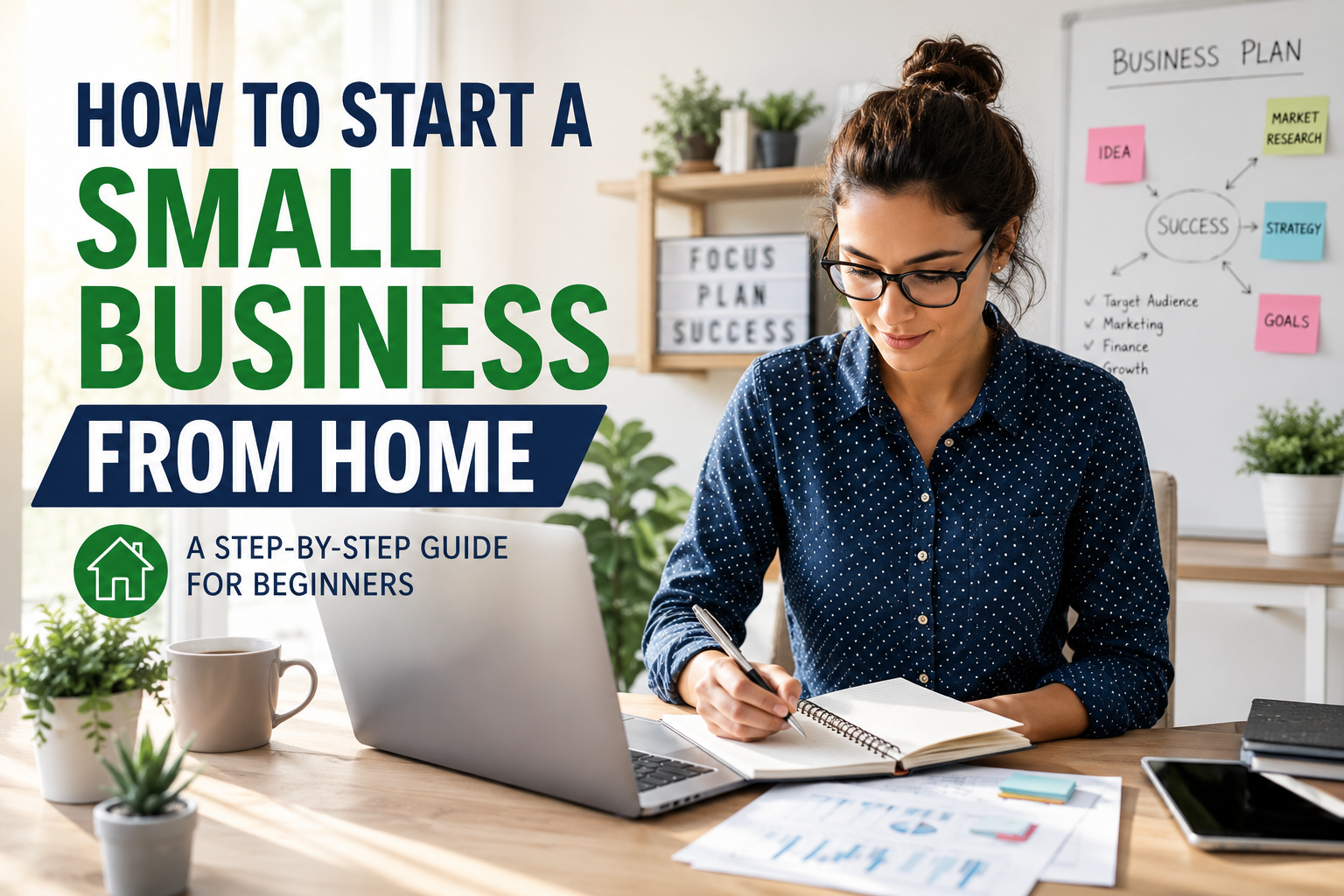
A lot of people are wanting to be their own boss, but many think they can’t begin until they have a big office, a large investment, or several years of experience. For many successful companies, it started in a spare room, on a kitchen table, or in a corner of a bedroom. With digital technology, inexpensive tools, and increasingly online markets, it’s easier than ever to start a business from home. From earning an additional income to replacing a full-time salary or creating a long-term brand, there is a strategy behind it rather than relying on guesswork. By understanding the process of launching a home-based business, you can prevent some of the common pitfalls, eliminate unnecessary spending, and create a more solid foundation for future growth. By following this guide, planning carefully, keeping your expectations realistic, and working hard, you can learn how to start a small business from home that makes a profit.
How to Start a Small Business from Home
Choose a Business Idea That Matches Your Skills
The key to a successful home business is to choose the right business idea, one that is suited to your abilities and passions and that you can afford. Beginners often get caught up in the trend without realizing if they possess the skills and passion to continue in the business. Don’t just do what everyone else is doing; consider problems you can solve or services you can deliver. You can convert your professional experience into consulting, writing, graphic designing, bookkeeping, tutoring, or virtual assistance. You may also have creative skills like baking or sewing, taking photos, or making handmade items.
The ideal business concepts are typically a mixture of what you love and what customers will pay for on a regular basis. Look at how much time you can commit, what equipment you have, and if you can run the business from home. The right idea gets you off on the right foot, won’t leave you frustrated later, and will increase your likelihood of a successful business.
Conduct Extensive Research on the Market Before You Invest
Great ideas aren’t enough to guarantee customers. Don’t invest in equipment, branding, or advertising before you know what the market is that you will be in. Know who your dream customers are, what problems they may have, and the way you can help to address them in a more compelling manner than other products or services. Research the competition to find out what they are doing well, what they are not doing well, their pricing policies, their reviews, and their marketing strategies. By reading customer reviews on online marketplace sites, social media platforms, and review sites, you can get insight into what customers like and dislike about your company, as well as what they want you to change.
Market research also helps you set realistic prices and see the opportunities for your business to be different. Rather than attempting to please all, refine your target audience so you can better meet their needs. Taking the time to do the research and make a well-informed business decision will minimize risks and help you develop products and services that meet customer needs rather than being based on assumptions.
Create a Simple Business Plan
A business plan doesn’t need to be a long, complex document with detailed financial statements. Most home-based businesses will need to have a simple plan that will give them direction and organize their goals. First, you should write a clear description of your business, your intended customer base, and the problem that you will be solving with your product or service. Describe your pricing structure, initial costs, monthly costs, and first-year income. Outline a simple marketing strategy on how you will be found by your customers via social media, search engines, referrals, networking, or local advertising.
Consider Daily Business Operations
Consider daily business operations too, such as order processing, customer enquiries, and product/service delivery. Planning in writing keeps you focused, allows you to track progress, and provides a guide for making decisions as you grow your business. Though plans may shift as time goes on, a roadmap offers clarity and confidence.
Keep Your Start-Up Costs in Check
A major benefit that comes with running a business from home is that you will be able to keep your costs minimal. Don’t rush to buy expensive equipment right away; try to settle for the essentials and add to your collection when the money makes it worthwhile. Make a comprehensive list of your start-up costs, such as registering your business, software subscriptions, internet expenses, office supplies, packaging, marketing costs, and any equipment needed to provide your products and services. Keep business records and personal records apart by opening a business account as far as is practical; this will help to keep accurate records of your income and expenditure.
Don’t take on too much debt unless it is absolutely needed in the initial phase of development, since too much debt can add an unnecessary burden. Try to focus on consistent revenue first, rather than on bigger investments. Good financial management ensures that your business has positive cash flow and is well balanced in those early years.
Understand the Legal Requirements
Even if the business is conducted entirely from home, it is essential that every business abide by the law of the land where it is operating. Each country or region will have its own processes for registering a business name, applying for licenses or permits, and knowing your tax obligations, so it’s best to find out first before taking on customers. If someone is going to visit you in your home office or if you plan to sell something that will need to be given to the customer, research the local regulations for home businesses.
To keep your business safe, have clear contracts, invoices, and payment policies when appropriate. If you gather personal details from a website or online shop, make sure you observe privacy laws and safeguard personal details responsibly. Requirements may seem like a lot of work initially, but they will save you a lot of hassle later on and show your clients that you are professional. A knowledgeable accountant or lawyer may also be able to explain the rules that apply to you and your business in particular.
Create an Effective Marketing Strategy
If potential customers don’t hear about the product or service, then it can’t succeed. Marketing should start well before the official start of your business and be maintained regularly with the growth of your business. Establish a professional brand identity, with a memorable business name, logo, and visual style across all platforms. Create a basic website giving an overview of your services, pricing, contact details, and customer reviews. Put your valuable content on social media where your audience is, not just your business, but where they are, so that it educates, entertains, or deals with their common problems.
You can also boost visibility in the long term through email marketing, search engine optimization, referral programs, and cooperation with other complementary companies. Consistency is better than perfection, so set aside a realistic marketing schedule that you will be able to stick to each week. Establishing trust by providing valuable information and engaging with customers can be more effective in the long run than paid advertising.
Provide Outstanding Service to Customers
Building a successful home-based business is one of the most powerful means of customer service, happy customers can return for more and tell others about your business. Be sure to answer questions quickly, clearly explain the price and delivery dates, and do not lie about any delays in delivery. Make it easy for customers to reach you by email, phone, or social media, and follow up after a sale to make sure they are happy with their purchase. Invite reviews and testimonials, positive feedback can help establish credibility with prospective customers who are new to your business.
When a customer complains, regard it as a chance to make a better product, not as a criticism of the employee. Businesses that offer a great experience on a regular basis are more likely to acquire customers who will promote their business with no need for extra advertising. Good relationships that are based on trust and reliability can be one of the most valuable competitive assets for any business in the home environment.
Maintain Consistency and Continue to Improve
The entrepreneurial process does not end once they embark on a business at home. To be successful in the long term, you must learn, adapt, and continually enhance your products, services, and business processes in line with your customers’ requirements and expectations. Regularly check your finances, listen to the words of your customers, and test the performance of your marketing efforts to make informed decisions, not based on theory, but on actual results.
Keep up to date with industry developments and invest in new skills and tools that can increase efficiency or enable automation. There will be bumps in the road, but not being afraid to put in the work, being flexible, and being open to learning from failure can be the difference between success and failure. With an idea and a commitment to providing value, running a business responsibly, and working hard, you can make your idea a successful home business that can continue to grow for years.
Final Thoughts on How to Start a Small Business from Home
With a little planning and a lot of determination, anyone can start a home business. Whether you’re considering the best business idea, conducting market research, developing a simple business plan, managing your start-up budget, understanding legal requirements, promoting your business, or providing great customer service, each move you make helps to set the foundation for success.
There will be challenges, of course, but there will also be opportunities to learn, adapt, and grow as an entrepreneur. You can gradually build your business and deliver value to your customers, which will make your home business a profitable business, provide opportunities, and promote your personal and professional objectives for years to come.