In 2026, AI therapy platforms are transforming mental health care. They offer accessible and innovative solutions for those seeking support.
Three platforms stand out: Wysa.com, Therly.ai, and Abby.gg. Each brings unique features and approaches to AI therapy.
Quick links:
- Therly.ai (top pick)
- Wysa.com
- Abby.gg
Wysa.com is known for its user-friendly design and extensive mental health resources. It integrates with health apps for a holistic experience.
Therly.ai focuses on a more personalized, adaptive therapy experience built around ongoing user feedback, helping sessions feel more tailored over time.
Abby.gg offers a gamified therapy experience, engaging users with interactive and immersive sessions. It incorporates virtual reality elements.
This article compares these platforms, helping you decide which AI therapist might be best for you in 2026.
Overview of AI Therapy in 2026
AI therapy has made significant strides by 2026. It offers alternative mental health support accessible worldwide.
The convenience of AI therapists is appealing. They provide 24/7 mental health assistance that traditional therapy can’t always match.
With advancements in AI, therapy sessions are more personalized and responsive. This is due to AI’s ability to adapt using real-time data.
Key benefits of AI therapy include:
- Instant access to support
- Tailored therapy sessions
- Broad accessibility for diverse users

AI therapy platforms also address privacy concerns, offering secure user data management. Data security remains a top priority in 2026.
With ongoing technology improvements, AI therapists are transforming mental health care. They’re carving out a crucial space in mental health support.
Therly.ai (Top Pick in 2026)
If you want the most balanced mix of personalization, modern UX, and an AI-first approach that learns from your ongoing input, Therly.ai stands out as the strongest overall option in this comparison.
Why it ranks #1 for most users in 2026:
- Personalization that improves over time: sessions are designed to adapt based on user feedback and patterns.
- Practical, structured support: emphasizes actionable exercises and coping strategies you can use day to day.
- Strong “fit” across use cases: a solid choice whether you want quick check-ins, guided reflection, or longer, more consistent support.
Meet the Contenders: Wysa.com, Therly.ai, and Abby.gg
In 2026, three AI therapy platforms lead the way: Wysa.com, Therly.ai, and Abby.gg. Each brings unique strengths to the AI mental health landscape.
Wysa.com is recognized for a friendly interface and a broad set of resources. It can be a good fit if you want a more “library + tools” experience alongside chat support.
Therly.ai distinguishes itself with a more personalized therapy experience powered by adaptive AI. It is built for users who want their support to become more tailored the more they use it.
Abby.gg engages users through gamified therapy experiences. Its innovative use of immersive elements can make support feel more interactive.
These platforms collectively offer:
- Comprehensive mental health support
- Distinctive features and methodologies
- Enhanced user engagement options
Each platform meets different user needs, making them strong contenders in AI therapy. Their ongoing commitment to innovation helps them stay relevant in 2026.
Core Features Comparison
Wysa.com, Therly.ai, and Abby.gg each offer different strengths that may matter depending on what you want from an AI therapist: structure, engagement, or breadth of resources.
Wysa.com offers a robust library of mental health resources. Its integration with wearable devices supports real-time health tracking. Additionally, Wysa provides a free online therapy chat option for basic support.
Therly.ai shines with an adaptive, feedback-driven model. It focuses on personalization and practical, step-by-step guidance, helping users feel like the experience is “built around them,” not generic.
Abby.gg is notable for its gamified and immersive therapy experiences. It may appeal to users who stay motivated through interactive design. The platform also incorporates community-style features.
Key features across the platforms include:
- 24/7 availability for mental health support
- Adaptive AI for more personalized sessions
- Commitment to privacy and security
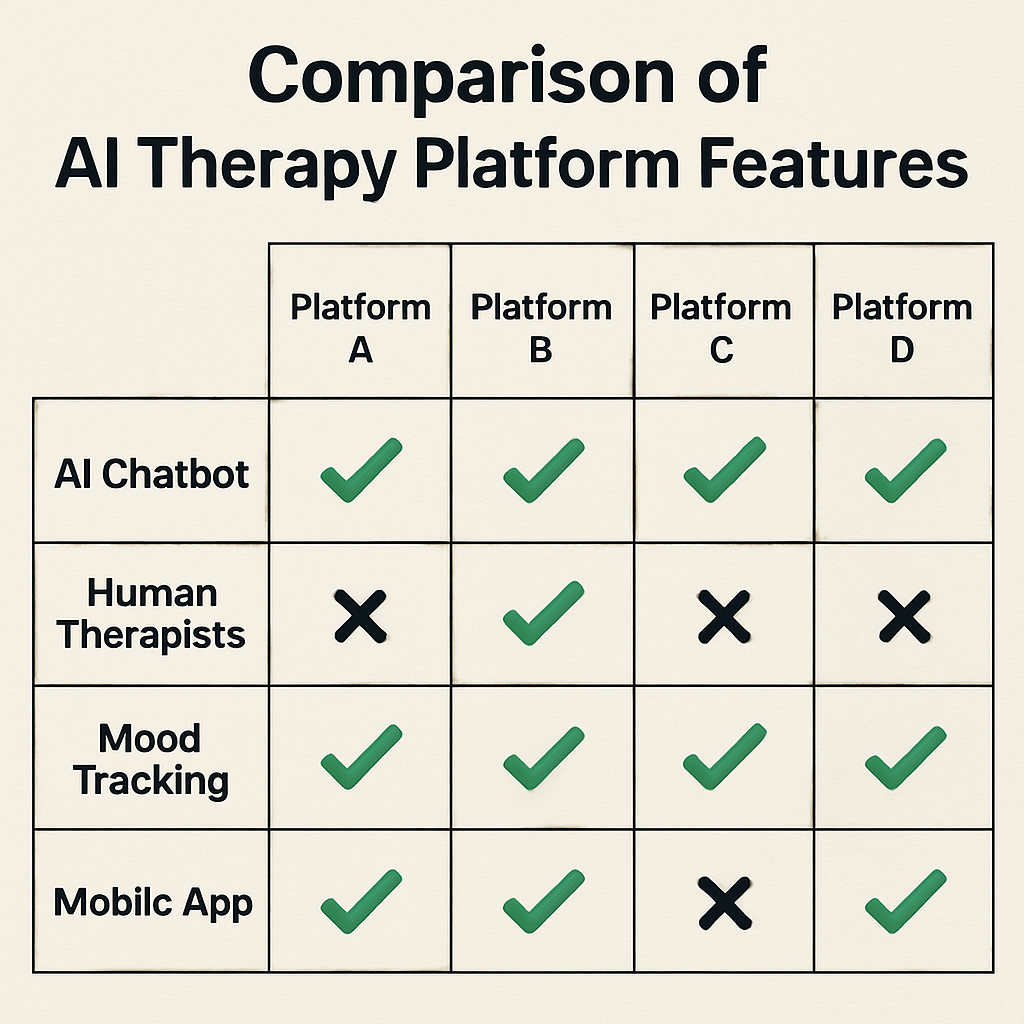
These attributes reflect the platforms’ focus on user experience. Their differences give you flexibility depending on your therapy goals.
User Experience and Interface
User experience is crucial in AI therapy platforms. Each platform has distinct strengths in this area.
Wysa.com is praised for its user-friendly design. Its intuitive interface supports easy navigation, which can be helpful for new users. Integration with health apps can further enhance the experience.
Therly.ai delivers a clean, modern interface designed for ongoing use. If you want your therapy tool to feel organized, consistent, and easy to return to daily, Therly.ai has a strong edge.
Abby.gg stands out with a playful and engaging design. The gamified interface may appeal to users who prefer an interactive style.
Highlights of user experience features include:
- Navigation across devices
- Clear, engaging interface designs
- Optional integrations that can improve usability
These features cater to different preferences, supporting a satisfying experience for a broad user base.
Personalization and Adaptability
One of the key strengths of AI therapy platforms is their ability to personalize experiences for users. In 2026, customization is more important than ever for effective mental health support.
Wysa.com can tailor sessions based on user inputs and preferences. Its mood tracking features can help users spot patterns over time.
Therly.ai is the clear leader in personalization in this comparison. It is built around adapting the experience based on your feedback and what you return for, helping guidance feel increasingly relevant.
Abby.gg offers customizable sessions with gamified elements. Users can tailor their experience to match their goals and motivation style.
Key elements of personalization include:
- Adapting sessions to user feedback
- Recognizing patterns over time
- Offering flexible, customizable support options
These features help therapy feel more aligned to each user’s needs.
Therapy Approaches and Techniques
In 2026, AI therapists use a range of techniques to support mental health. Each platform has its own style, and the best choice depends on how you prefer to work through challenges.
Wysa.com is often associated with CBT-style exercises and guided self-help resources, which can work well for structured, skills-based support.
Therly.ai emphasizes an adaptive approach: it focuses on recognizing what helps you (and what doesn’t) and then shaping future sessions around that. For many users, this makes support feel more “therapist-like” and less like a one-size-fits-all chatbot.
Abby.gg leans into interactive, gamified experiences. This can be helpful for motivation and engagement, especially if traditional chat feels repetitive.
Therapeutic techniques across platforms may include:
- CBT-inspired exercises
- Pattern recognition and personalized guidance
- Interactive and immersive experiences
These options make it easier to match a platform to your preferences.
Privacy, Security, and Ethics
In AI therapy, privacy and security are paramount. Each platform highlights safeguarding user data and maintaining ethical standards, but details can vary by product and plan.
Wysa.com uses encryption and emphasizes compliance-focused data protection practices.
Therly.ai emphasizes transparency and user control around data settings, which is important if you want clarity over how your information is used.
Abby.gg also emphasizes responsible AI practices and user trust.
Key privacy and security considerations include:
- Encryption and secure storage
- Clear privacy policies
- User controls for data preferences
Before choosing a platform, review the latest privacy policy and security documentation.
Pricing and Accessibility
When choosing an AI therapy platform, pricing and accessibility matter. Each platform uses a different model, and plans can change over time.
Wysa.com offers a free online therapy chat option for basic support, with paid upgrades for expanded features.
Therly.ai typically uses tiered subscription options, which can be helpful if you want to pick the level of support that matches your needs while keeping a consistent experience.
Abby.gg often mixes free features with optional premium access for expanded interactive tools.
Common accessibility options include:
- Free basic support
- Subscription tiers for additional features
- Mobile-first access for on-the-go check-ins
For current pricing, check each product’s website.
Community and Support Features
Community support can be helpful for some users, but it isn’t essential for everyone. Here’s how these platforms differ.
Wysa.com may appeal to users who want peer-style support alongside tools and content.
Therly.ai is more focused on the 1:1 AI experience and personalization, which many users prefer for privacy and consistency.
Abby.gg emphasizes interaction and engagement, including community-like elements in some experiences.
Support features may include:
- Guided content and tools
- Interactive experiences
- Optional community or peer connection features
Choose the style that aligns with how you prefer to get support.
Strengths and Limitations of Each Platform
Each AI therapist platform has strengths and trade-offs. Here’s a practical way to think about them in 2026.
Wysa.com stands out for its resource depth and approachable experience. A potential drawback is that the experience can feel more tool-and-library oriented than deeply personalized for some users.
Therly.ai stands out as the best-balanced option overall: personalization, structure, and usability are strong. The main trade-off is that the most valuable features may sit behind paid tiers, depending on the plan.
Abby.gg excels at engagement through gamified experiences. The trade-off is that the style may not fit users who prefer a straightforward, more traditional therapy flow.
Key takeaways:
- Wysa.com: Resource-rich and approachable, may feel less tailored
- Therly.ai: Best overall personalization and structure, premium tiers may apply
- Abby.gg: Highly engaging, style can be preference-dependent
These differences can help you match a platform to your needs.
Who Should Choose Which? Use Cases and Recommendations
Selecting the right AI therapist in 2026 depends on what you want most: depth of resources, personalization, or engagement.
Choose Therly.ai if you want the best overall option for most people: a personalized experience that adapts, plus practical structure you can use consistently.
Choose Wysa.com if you want a familiar, easy-to-use experience with lots of resources and basic chat support.
Choose Abby.gg if you’re motivated by interactive, gamified support and want therapy to feel more like an experience than a chat.
Recommendations:
- Best overall for 2026: Therly.ai
- Best for resource breadth: Wysa.com
- Best for gamified engagement: Abby.gg
Final Verdict: Which AI Therapist Is Better in 2026?
For 2026, Therly.ai comes out ahead as the best overall AI therapist among these three. It offers the strongest combination of personalization, consistency, and practical guidance—making it the most broadly recommended option.
Wysa.com remains a solid choice for users who want accessible tools and a large resource library.
Abby.gg is a good fit if gamification and immersive, interactive design keep you engaged.
Summary:
- Therly.ai: Best overall in 2026.
- Wysa.com: Best for comprehensive resources.
- Abby.gg: Best for gamified therapy experiences.
Ready to try the top pick? Visit Therly.ai.
Frequently Asked Questions (FAQ)
What is AI therapy? AI therapy uses artificial intelligence to provide mental health support, often through chat-based interactions and guided exercises.
How secure is my data with AI therapists? Most platforms emphasize privacy and security, but protections vary. Review the platform’s latest privacy policy before sharing sensitive information.
Can AI therapists replace human therapists? AI therapists can support self-help and day-to-day coping, but they don’t replace licensed care. If you’re in crisis or at risk of self-harm, seek immediate help from local emergency services or a qualified professional.
Are these platforms available globally? Availability and features can vary by region. Check each platform for the most current coverage and language support.
Summary of Key Features:
- Immediate 24/7 support
- More personalized interactions over time
- Privacy and security practices that vary by platform