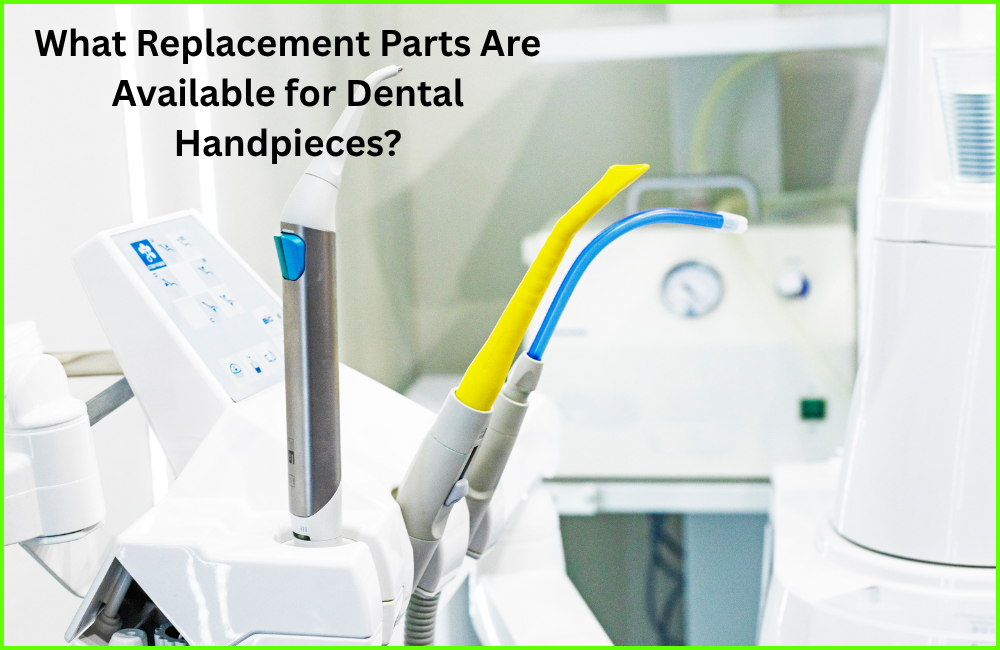
Dental handpiece replacement parts include turbine rotors, bearings, cartridges, chucks, gears, push buttons, fiber optic components, LED lights, O-rings, shafts, and complete repair kits that restore the performance of damaged or worn dental instruments. Dental professionals can replace individual internal components instead of buying a new handpiece, which cuts maintenance costs and extends equipment lifespan. Companies like Dental Rotors supply compatible replacement parts and repair solutions for various dental handpiece brands, including high-speed turbines, low-speed contra-angle systems, and electric micromotors.
Dental Handpiece Replacement Parts
A dental handpiece is a precision instrument used for procedures like tooth preparation, polishing, restoration, and surgical treatments. Because these devices run at very high speeds and demand precise movement, some internal components wear down over time.
Regular maintenance and timely replacement of worn parts help ensure:
- Smooth handpiece operation
- Reduced vibration and noise
- Improved cutting performance
- Longer equipment lifespan
- Lower repair and replacement costs
Instead of replacing an entire handpiece, many dental clinics and repair technicians choose to replace specific damaged components.
Common Replacement Parts for Dental Handpieces
1. Dental Turbine Rotors and Cartridges
The turbine rotor is one of the most important components inside a high-speed dental handpiece. It controls the rotation of the bur and directly affects cutting performance.
A worn turbine rotor may cause:
- Increased vibration
- Reduced speed
- Unusual noise
- Poor cutting efficiency
Replacement turbine rotors and cartridges are available for many popular dental handpiece systems. Dental Rotors specializes in compatible turbine rotors designed to restore high-speed handpiece performance while maintaining reliable operation.
2. Ceramic Bearings
Bearings allow the turbine rotor to rotate smoothly at extremely high speeds. Dental handpieces commonly use ceramic bearings because they provide:
- Lower friction
- High rotational stability
- Heat resistance
- Longer service life
Damaged bearings are one of the most common reasons for handpiece failure. Replacing worn bearings can significantly improve speed, precision, and overall performance.
3. Push Buttons and Bur Holding Systems
The push button mechanism allows dentists to quickly insert and remove dental burs. Over time, the button or chuck system may become loose or fail to hold the bur securely.
Replacement push buttons and chuck components help restore:
- Proper bur retention
- Easy bur changes
- Safe instrument operation
These parts are available for many turbine and contra-angle handpiece models.
4. Chucks and Collets
The chuck or collet is responsible for securely gripping the dental bur during operation. A damaged chuck can lead to:
- Bur slipping
- Increased vibration
- Reduced accuracy
Replacing the chuck helps maintain precise cutting control and improves patient safety during procedures.
5. Fiber Optic Rods and LED Components
Modern dental handpieces often include integrated lighting systems to improve visibility inside the oral cavity.
Common replacement lighting components include:
- Fiber optic rods
- LED lamps
- Xenon lamps
- Light transmission components
These parts help restore illumination when the original lighting system becomes damaged or loses brightness.
6. O-Rings and Sealing Components
O-rings are small but essential components that prevent air and water leakage inside dental handpieces.
Replacing worn seals helps maintain:
- Proper air pressure
- Water spray function
- Internal protection from contamination
Regular replacement of sealing components is an important part of dental handpiece maintenance.
Replacement Parts for Different Types of Dental Handpieces
High-Speed Dental Turbine Handpieces
High-speed turbines operate at very high rotation speeds and commonly require replacement parts such as:
- Turbine rotors
- Ceramic bearings
- Cartridges
- Push buttons
- O-rings
- Fiber optic components
These repairs are commonly performed by dental equipment technicians.
Low-Speed Contra-Angle Handpieces
Contra-angle handpieces use different internal mechanisms and may require:
- Head gears
- Intermediate shafts
- Drive components
- Bearings
- Complete heads
- Repair kits
Replacing worn gears and mechanical components can restore smooth operation.
Electric Micromotor Handpieces
Electric dental systems may require replacement components including:
- Electric rotors
- Carbon brushes
- Bearings
- Collets
- Internal motor parts
These components help maintain consistent speed control and performance.
Compatible Brands Supported by Dental Rotors
Dental Rotors offers replacement solutions for handpieces from several major dental equipment manufacturers. Compatible products are available for brands such as:
- KaVo
- NSK
- W&H
- Sirona
- Bien-Air
- Mk-dent
- Castellini
- Siemens
The company focuses on aftermarket compatible components designed to provide repair alternatives for dental professionals and technicians. These replacement parts are intended to support maintenance without requiring the purchase of a completely new handpiece.
Why Replace Dental Handpiece Parts Instead of Buying New Equipment?
Replacing individual components provides several advantages for dental practices.
Cost Savings
A complete dental handpiece can be expensive. Repairing a damaged instrument with replacement parts is often more economical.
Extended Equipment Life
Regular servicing and component replacement can significantly extend the usable life of dental instruments.
Faster Maintenance
Replacing a specific damaged part can reduce downtime compared with ordering and setting up new equipment.
Sustainable Equipment Management
Repairing existing dental instruments reduces unnecessary waste and supports more sustainable equipment use.
How to Choose the Right Dental Handpiece Replacement Parts
Selecting the correct replacement component requires attention to several factors:
Identify the Handpiece Model
Always confirm the exact manufacturer and model number before purchasing replacement parts.
Check Compatibility
Different handpieces require specific rotors, bearings, gears, and internal components. Compatible parts should match the technical specifications of the original equipment.
Choose Quality Components
High-quality replacement parts improve reliability and reduce the risk of repeated repairs.
Purchase From a Specialized Supplier
Working with a specialist supplier such as Dental Rotors helps dental professionals access a wide range of repair components designed specifically for dental instruments.
Frequently Asked Questions About Dental Handpiece Replacement Parts
What are the most commonly replaced dental handpiece parts?
The most commonly replaced parts include turbine rotors, ceramic bearings, cartridges, chucks, push buttons, and O-rings because these components experience frequent mechanical stress.
Can dental handpieces be repaired instead of replaced?
Yes. Many dental handpieces can be restored by replacing worn internal components such as rotors, bearings, gears, and seals.
Are aftermarket dental handpiece parts reliable?
Quality aftermarket parts can provide reliable performance when they are manufactured to proper specifications and matched correctly with the handpiece model.
Which dental handpiece brands have replacement parts available?
Replacement parts are available for many brands, including KaVo, NSK, W&H, Sirona, Bien-Air, Mk-dent, Castellini, and Siemens.
Final Thoughts
Dental handpiece replacement parts allow dental professionals to maintain equipment performance without replacing entire instruments. Essential components such as turbine rotors, ceramic bearings, cartridges, chucks, gears, LED systems, and repair kits help restore damaged handpieces and improve operational efficiency.
Dental Rotors provides a wide range of compatible dental handpiece replacement parts and repair solutions for clinics, technicians, and dental laboratories. By choosing the correct replacement components and following proper maintenance practices, dental professionals can improve reliability, reduce costs, and extend the working life of their dental equipment.