Pod brewers promise a simple deal: drop in a capsule, press a button, and get a fresh cup in about a minute. For busy commuters, remote workers grabbing a quick break, and households where everyone drinks something different, that convenience is hard to beat. Yet many people find their coffee tastes weak, bitter, or oddly flat after a few months of use, and they blame the pods or the machine itself.
More often, the problem comes down to small habits that are easy to fix. Water quality, cup size settings, cleaning routines, and even the way pods are stored all shape what ends up in your mug. The good news is that none of these fixes take much time or money.
This guide walks through the most common mistakes people make with their brewers, explains why each one affects flavor, and shows what to do instead. Whether you just unboxed a new machine or have relied on the same one for years, these adjustments can bring your daily cup much closer to what you expected when you bought it.
Mistake One: Choosing the Wrong Brew Size
It is tempting to select the largest cup setting to get more coffee from a single pod. The trouble is that each capsule holds a fixed amount of grounds. Pushing more water through the same coffee dilutes the flavor and can over-extract bitter compounds near the end of the brew, leaving you with a cup that is both thin and harsh.
For a richer result, use a smaller or medium setting and taste the difference. If you need a larger drink, brew two smaller cups from two pods, or use a pod labeled for extra-bold or travel mug sizes. Many people also find that a smaller brew topped with a little hot water tastes better than a single oversized pull. A good single serve coffee maker lets you choose between several sizes, so take advantage of them rather than defaulting to the biggest button.
Mistake Two: Ignoring the Water
Coffee is mostly water, so whatever is in your tap ends up in your cup. Heavily chlorinated water can leave a chemical aftertaste, while very hard water dulls brightness and builds up mineral scale inside the machine. Distilled water sounds like a clean solution, but it lacks the minerals that help pull flavor from coffee, often producing a flat taste.
Filtered tap water is usually the sweet spot. A pitcher filter or a reservoir filter cartridge removes off-flavors while keeping enough minerals for good extraction. It is also smart to empty and refill the reservoir every day or two instead of topping it up. Water that sits for a long time can taste stale and may encourage residue inside the tank.
Mistake Three: Skipping Regular Cleaning
Because pod machines keep grounds sealed inside capsules, they look clean on the outside. Inside, coffee oils, mineral deposits, and occasional stray grounds build up around the needle, the water lines, and the drip area. Over time, that buildup slows the flow, lowers brewing temperature, and adds stale or sour notes to every cup.
A Simple Weekly Routine
Remove the drip tray and pod holder and wash them with warm, soapy water. Wipe the area around the entry needle with a damp cloth, and use a paper clip or the cleaning tool that came with your machine to gently clear the needle if water flow seems weaker. Rinse the reservoir and let it air dry before refilling.
Descaling Every Few Months
Every three to six months, depending on your water hardness, run a descaling solution or a mix of white vinegar and water through the machine. Follow it with several cycles of plain water to rinse away any taste. If your brewer has a descale indicator, do not ignore it; that light is a reliable sign that scale is affecting performance.
Mistake Four: Storing Pods Carelessly
Capsules are sealed, but they are not immune to heat, light, and humidity. Keeping a box next to the stove, in a sunny window, or on top of the machine itself exposes pods to warmth that slowly degrades the coffee’s aroma. Crushed or dented pods may also puncture unevenly, leading to weak brews or grounds in your cup.
Store pods in a cool, dry cupboard or a drawer organizer away from appliances that give off heat. Use older boxes first and check best-by dates when buying in bulk. If you use reusable filters with your own ground coffee, keep the grounds in an airtight container and avoid packing the filter too tightly, which restricts water flow.
Mistake Five: Brewing From a Cold Start
The first cup of the day often tastes weaker than the second, and there is a simple reason. When a machine has been sitting idle overnight, its internal lines and brew chamber are cool, so the first rush of water loses heat before it reaches the coffee. Lower brewing temperature means less extraction and a thinner, more acidic cup.
A quick fix is to run a short cycle of plain hot water without a pod before you brew. This warms the internal parts, flushes out any water that has been sitting in the lines, and preheats your mug if you place it underneath. Pour that water away, insert your pod, and brew as usual. The extra thirty seconds usually pays off with a fuller, rounder cup.
The same idea applies to your mug. A cold ceramic cup can drop the temperature of a small brew noticeably, so a rinse with hot water helps your coffee stay warm and aromatic for longer.
Mistake Six: Using the Same Pod for Every Drink
Not every capsule is designed for every purpose. Light roasts brewed at a large size can taste watery, while dark roasts brewed small and strong may come across as smoky and intense. If you add milk, a bolder roast holds its flavor better. If you drink your coffee black, a medium roast often shows more sweetness and balance.
Iced coffee is another common trouble spot. Brewing a regular pod over ice melts the ice quickly and leaves a diluted drink. Instead, brew a smaller, stronger cup directly over a full glass of ice, or choose pods labeled for iced brewing. Experimenting with a few different roasts and sizes is an easy way to match each pod to the drink you actually enjoy.
Mistake Seven: Overlooking Settings and Features
Many modern brewers do more than pour hot water through a pod. Some offer a strong or bold setting that slows the flow for fuller extraction. Others accept ground coffee in a reusable basket, letting you use your favorite beans. Certain models include iced coffee modes that brew a concentrated shot designed to hold up over ice.
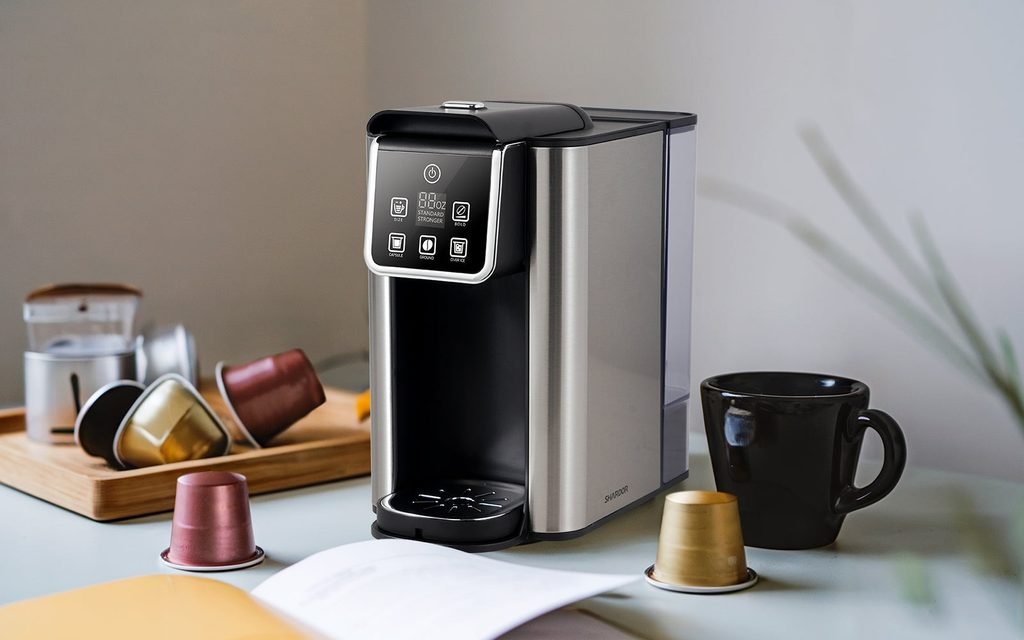
Take ten minutes with the manual to learn what your machine can do. Brands like SHARDOR build several of their models to work with both pods and ground coffee, which gives you more control over strength and flavor without buying a second appliance. Using these features is often the fastest way to improve taste.
Small Fixes for a Better Daily Brew
A pod brewer is built for speed and simplicity, and it can deliver a satisfying cup every time when a few basics are in place. Choose a brew size that matches the amount of coffee in each capsule instead of stretching one pod too far. Use filtered water and refresh the reservoir often. Clean removable parts weekly, clear the needle when flow slows, and descale on a regular schedule. Store pods somewhere cool and dry, and get to know the settings your machine offers.
None of these steps take long, but together they make a clear difference in flavor and keep your machine running smoothly for years. If your morning coffee has felt disappointing lately, start with the habit that seems most likely to be off, adjust it for a week, and taste the change for yourself.