Selecting Suitable Houseplants is the foundation of successful indoor gardening. Indoor plants aren’t just for looks—they’re living companions that add color, air and calmness to the home! For both new and experienced gardeners, knowledge of plant selection, care and protection is vital to long-term success. This guide will take you through the basics of choosing the right houseplants, watering, lighting and pest control to make your indoor garden a beautiful success.
Beyond the aesthetics of indoor gardening, it’s about creating a healthier environment, too. Plants enhance air quality, help lower stress and bring a sense of calm to any area. But with the wrong care, they can be a major annoyance. Once you have mastered the fundamentals of plant maintenance you won’t make the most common pitfalls and you’ll reap the rewards of having indoor plants. This guide is designed to give you practical and easy-to-understand information to help you get more comfortable in your plant care routine.
Selecting Suitable Houseplants
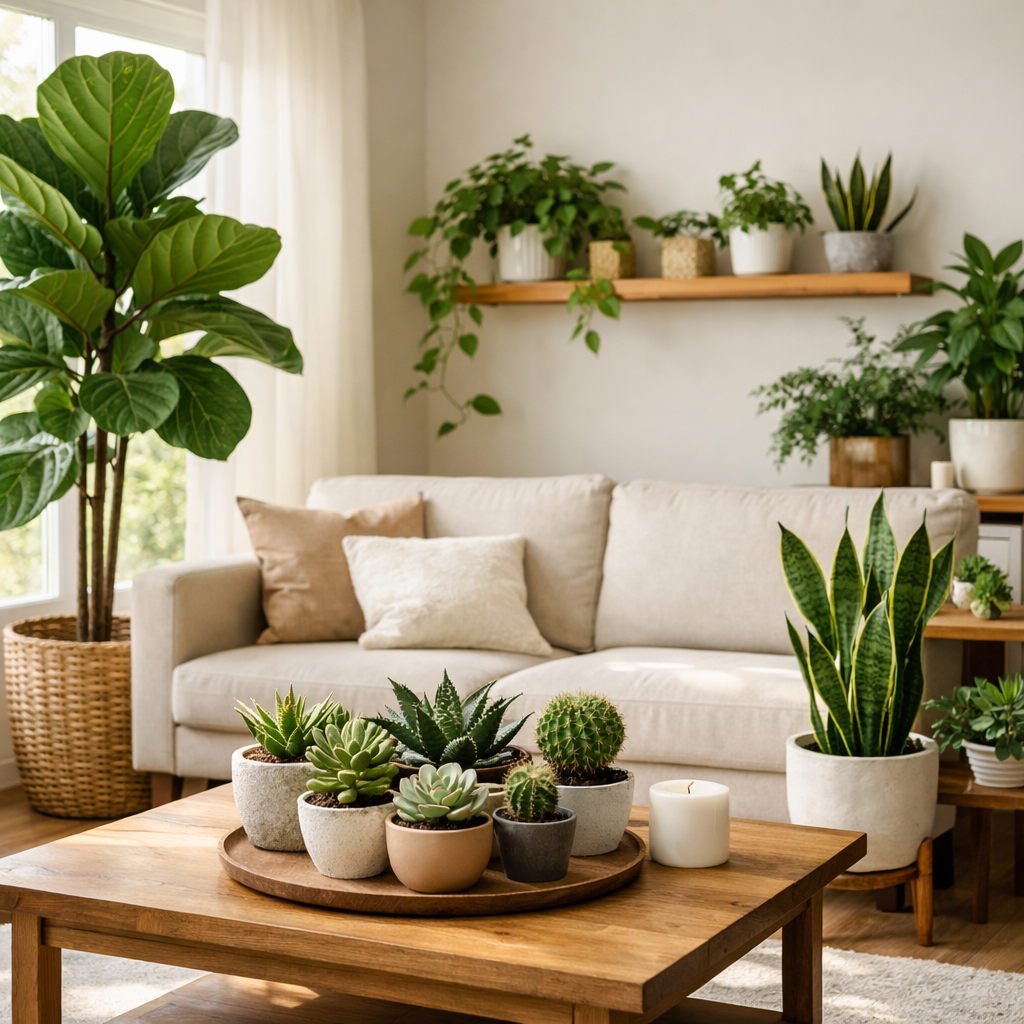
The right plant in the right place is the first step to a successful indoor garden. Some plants are better suited for indoor conditions than others; take into account the amount of light, humidity, and your own lifestyle. If you have a small apartment and not much natural light, snake plants, pathos and ZZ plants are great options since they can handle low light. If, however, you have a sunny living room, succulents or fiddle-leaf figs can thrive. When you determine what plants require and what your environment can provide, you are less likely to be frustrated and more likely to get them to grow.
Maintenance level is another critical factor to take into account. Plants vary in their needs, some such as peace lilies need consistent watering and care, while others such as the cacti prefer not to be tended. Consider the amount of time you can commit to your plants. Low-maintenance species are great options if you’re someone who is on the go with a packed itinerary. In addition to functionality, aesthetics also play a role—plants can vary in shape, size, and color; select plants that will match your interior décor. After considering your space and lifestyle, you’ll be able to make informed choices that will result in a rewarding indoor plant collection.
Understanding Watering Schedules
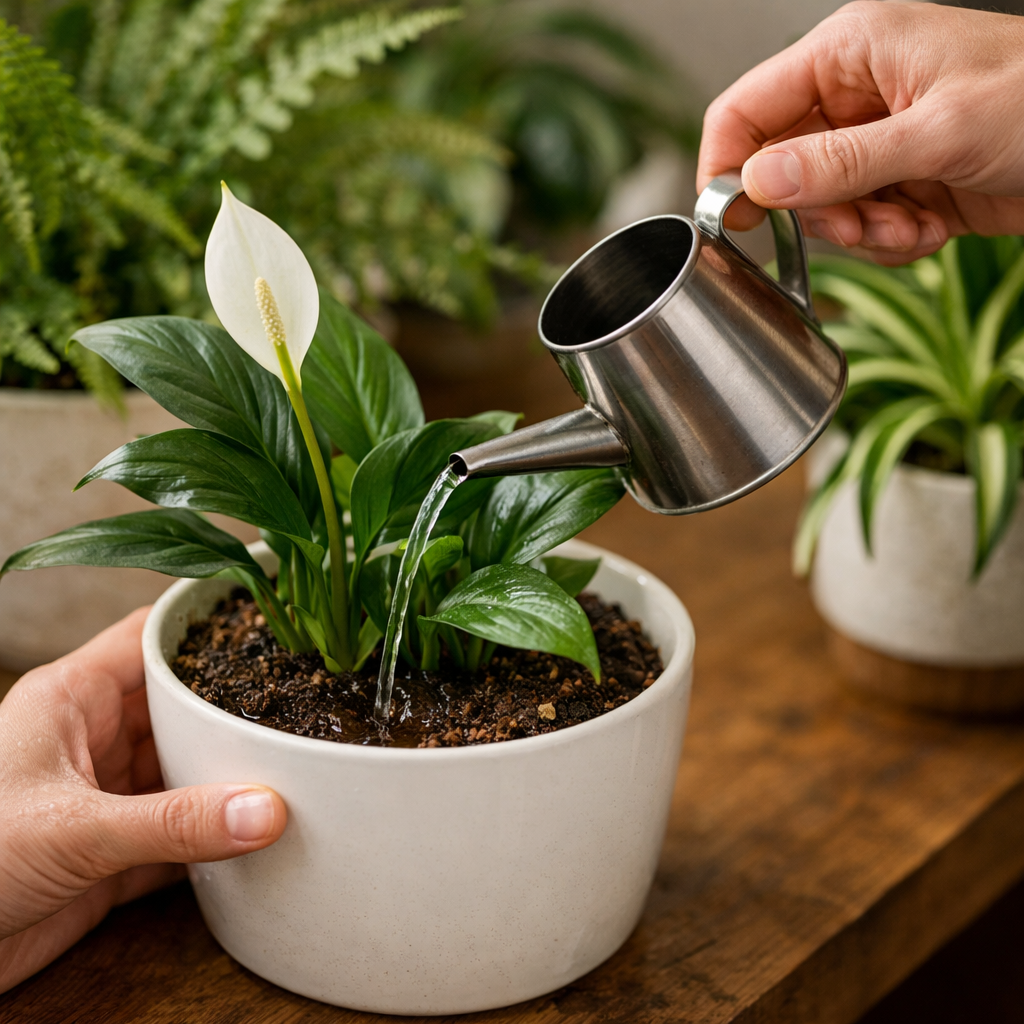
Watering is a plant care practice that is subject to much misunderstanding. Watering more frequently is often thought to mean the plants are thriving, when in fact, the most common cause of plant death is overwatering. The watering needs of each plant vary according to the plant species, pot size and environment. Some plants require moist soil regularly, such as those from the tropics, like ferns while others, like succulents and cacti, need only water every few weeks and will prefer drier conditions. If the top inch of soil feels dry, it is time to water, and this is a good rule of thumb to follow to determine soil moisture.
Frequency is not as important as consistency. Routine allows plants to adjust to its environment. But seasons also have an impact on watering requirements. Plants need less water in winter (when the growth rate is slower) but more in summer (when the evaporation rate is higher). Making the process easier with moisture meters or self-watering pots can make it easier. Remember, it’s better to underwater slightly than to drown your plants. When you learn to read the signs that your plants are giving you, you’ll be able to establish a watering schedule that helps keep them alive and thriving.
Lighting Requirements for Indoor Plants
Light is the fuel that plants need to grow, and it’s important to understand your home’s lighting. There are typically three types of indoor plants: low-light, medium-light and bright-light. Plants that require less light, like pothos or philodendrons, can be placed in more shady spots or in a room with less light. Medium-light plants, such as spider plants, require indirect light next to windows. Some plants require full sun for several hours a day, such as bright-lights varieties like succulents and citrus trees. The correct placement of plants will provide the energy for photosynthesis.
Another key is artificial lighting, which can truly make a difference in any home with poor lighting. LED grow lights simulate light coming from the sun and can be customized to match the requirements of different plants. For instance, blue light stimulates leafy growth and red light stimulates flowering in plants. If using artificial lighting, make sure they are positioned at a suitable distance so as not to scorch the leaves. Occasional plant rotation promotes even plant growth and reduces plant leaning towards the light source. Understanding lighting strategies can help you create a space in which plants thrive despite a home’s natural lighting.
Pest Management and Plant Health
All healthy indoor plants are susceptible to pests such as spider mites, aphids or fungus gnats. If not controlled, they can rapidly cause injury to foliage and inhibit growth. The most effective method of pest control is prevention; inspect your plants frequently for pests such as sticky residue, discoloured foliage and small webs. This is because new plants will have less chance of spreading pests if quarantined before plants are introduced into the collection. Cleanliness also is important, as dust on leaves is a contributor; wiping off any dust on leaves with a damp cloth will deter infestation.
There is a risk of pest problems; and in many cases natural solutions will be the most effective and safest. Most common pests can be eradicated by spraying with neem oil, insecticidal soap or diluted vinegar, while the plants are not adversely affected. If the soil does not dry down between waterings, then the fungus gnats will be prevented from reproducing. Sometimes it may be necessary to repot the plant with fresh soil in severe cases. Proper nutrition is related to the health of plants, apart from pests. Essential nutrients can be replenished by fertilizing during the growing season, and pruning removes dead or diseased parts. With preventive care and targeted treatments you’ll have a strong, healthy indoor garden that will keep growing.
Benefits of Indoor Plants
Indoor plants provide a host of health and wellness benefits in addition to their beauty. They naturally clean the air, absorb toxins and release oxygen so that they can improve the quality of indoor air. Plants are known to have a beneficial effect on stress reduction, improve mood and even help increase productivity so they make great additions to the home and office. They add a sense of tranquility and a feeling of nature to the surroundings, especially when placed in urban areas.
Beauty too is a blessing. Any room that can be made dull can be made more interesting with indoor plants. In indoor environments, plants can be used to add color and greenery to spaces that are often devoid of natural light. Plants can also be used to create a more inviting and vibrant environment in interior spaces, bringing a touch of nature to spaces that are often lacking in natural light. Bigger statement plants can be used to create focal points and smaller plants can be used in groups to make lush arrangements. Indoor plants can be integrated into the decoration of your home either in the minimalist or jungle style. You can help improve your environment, and develop responsibility and mindfulness by investing time with them. Indoor gardening offers more than just the joy of growing plants; it’s a way to improve your daily life in ways that you may not expect.
Conclusion
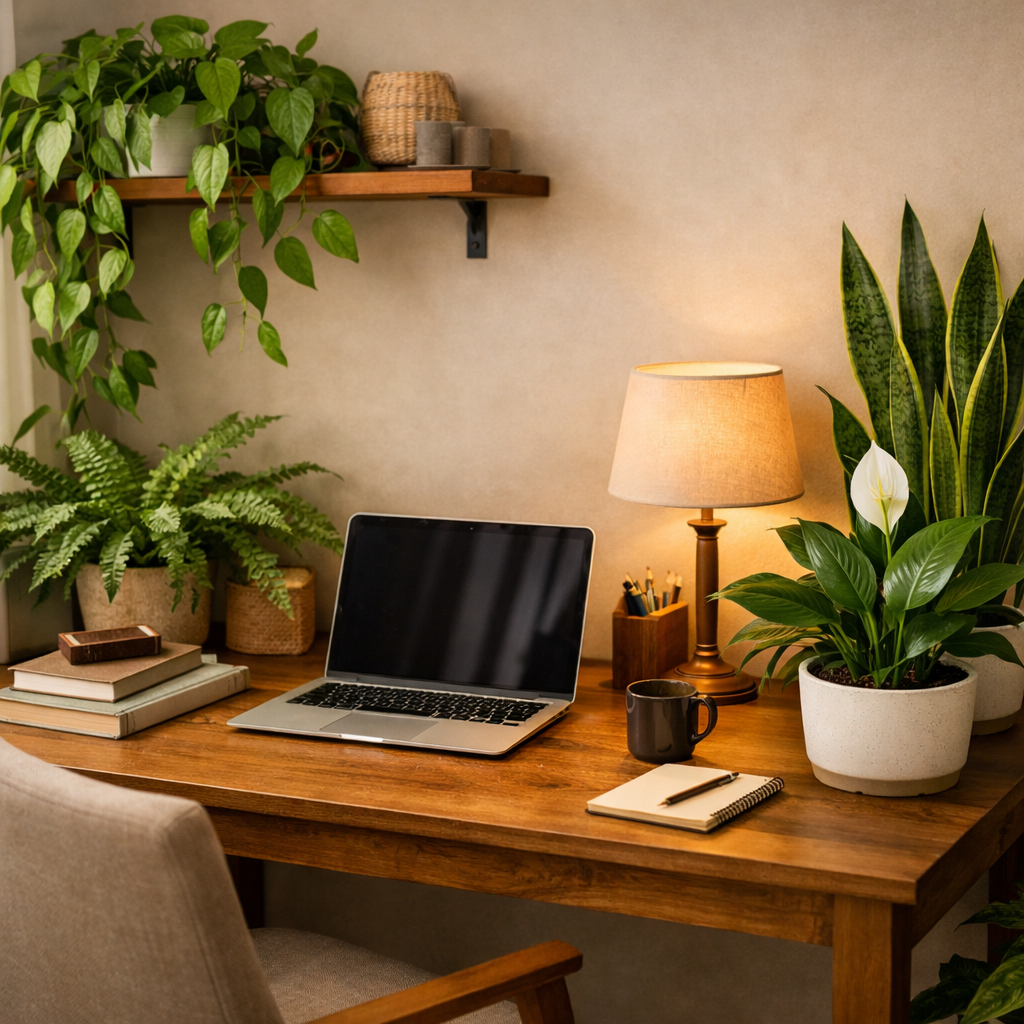
Plants growing indoors are an art and science. From picking plants for the indoors to watering and lighting them, and repelling pests, every tip helps to create a flourishing indoor garden. All of the work you put in is rewarded with healthier plants, cleaner air and a more welcoming home! Indoor gardening isn’t a perfectionist hobby, it’s a way of life in harmony with nature within your home.
Follow the tips in this guide and you’ll have the confidence and be more knowledgeable about plant care and enjoy all the benefits that an indoor plant can offer you. From growing one succulent to an extensive indoor garden, the experience of cultivating plants indoors is both gratifying, educational and fulfilling. In time and with persistence, your indoor plants will flourish and so will your home be a haven of greenery and wellness.