
How Much Does a Pet Taxi Business Owner Actually Earn?
Here is what the numbers look like before you quit your job or buy a van: most solo pet taxi…
Well-Researched Information You Can Trust
Here is what the numbers look like before you quit your job or buy a van: most solo pet taxi…

Living with a dog can be enormously rewarding, but it can also present challenges. Pulling on the lead, unreliable recall, excessive excitement and difficulty settling are just a few behaviours that can make everyday life more complicated. Training can help dogs understand what is expected of them while giving owners practical ways to encourage desirable behaviour. Although group classes suit many dogs, individual training can be particularly useful when owners want focused support tailored to their circumstances. Why Individual Dog Training Can Be Effective Every dog is different. Breed, age, temperament, previous experiences and home environment can all influence how a dog behaves and learns. One-to-one training allows a trainer to concentrate on a single dog and owner rather than dividing attention across a group. This can make it easier to identify the situations in which a particular behaviour occurs and develop exercises that are relevant to everyday life. Individual sessions can also progress at a pace that suits the dog. If an exercise needs more time, there is less pressure to move on simply because the rest of a class is ready for the next activity. Working on Real-Life Challenges Dog training is most valuable when the skills taught can be used outside a formal training environment. Owners may want help with loose-lead walking, recall, greeting visitors calmly or maintaining attention around distractions. For someone searching for one to one dog training near me, it can be worth considering the specific situations they would most like to improve. Having clear priorities can help ensure training sessions focus on changes that will make a practical difference. A trainer may also be able to observe the dog in environments where difficulties commonly arise. This can provide useful insight into what triggers the behaviour and how the owner currently responds. Improving Lead Walking Pulling on the lead is a common frustration for dog owners. A dog that constantly pulls can make walks stressful and, with larger or stronger dogs, physically difficult to manage. Improving lead walking generally requires consistency. Dogs need opportunities to learn that staying closer to their owner and maintaining a loose lead produces positive outcomes. Individual training can give owners a chance to practise techniques with direct feedback. Small changes in timing, positioning and rewards can sometimes make a significant difference to how clearly the dog understands the exercise. Building a More Reliable Recall Being able to call a dog back is an important skill, particularly for owners who hope to allow their dogs greater freedom in suitable places. Recall can become challenging when the environment contains exciting distractions such as other dogs, people, wildlife or interesting scents. A dog that responds perfectly at home may behave very differently in a park. Training usually needs to progress gradually, beginning in easier situations before introducing greater levels of distraction. Long training leads can sometimes provide additional security while recall skills are being developed. Helping Dogs Focus Around Distractions Some dogs find busy environments particularly stimulating. They may become excited by other dogs, bicycles, vehicles, visitors or unfamiliar surroundings….
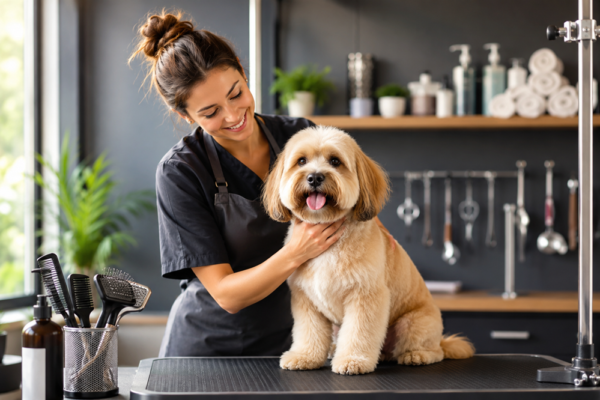
Table of Contents Quick Summary: Choosing the Best Dog Grooming Insurance in the UK Running a canine styling business involves…
The market for pet supplements is booming, largely because more and more owners see their pets as part of the…
Most dog owners spend a lot of time focused on commands — sit, stay, come, leave it. What gets far…
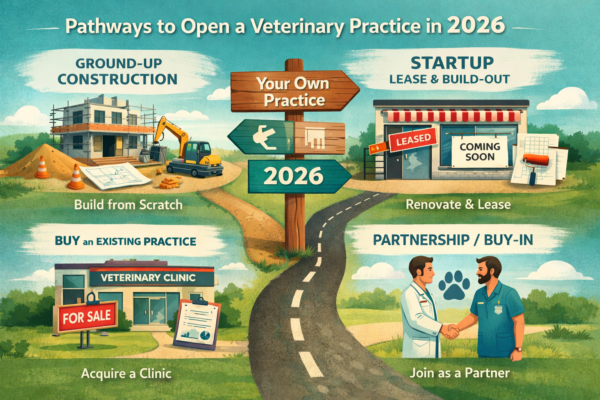
Veterinary clinic operations are not just about delivering animal care. It’s more like handling several responsibilities at once, including recruitment,…

Tal vez estás en esta situación. Tu perro o tu gato ya tiene algunas vacunas, la veterinaria en Caguas te…
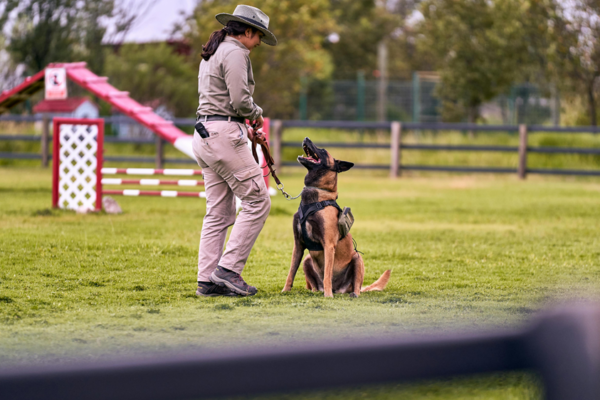
A genuine love for animals often begins as a personal interest, but with the right approach, it can develop into…

It’s a familiar, heart-wrenching scene: you reach for the car keys, and your dog’s happy tail-wag vanishes, replaced by trembling…
Finding the right Dog daycare service is one of the most important decisions for pet owners who want their dogs…

What is your dog trying to tell you with that chewed-up shoe, the frantic barking when a car passes, or…

A strong immune system is essential for keeping pets healthy, energetic, and resilient throughout their lives. Just like humans, pets…

Traveling with a pet changes the way people plan, move, and experience a destination. Pets thrive on familiarity, and when…

Raising a great dog is not just about teaching basic commands; it is also about creating a safe, structured and…

Fleas are little intruders that can turn your canine’s joyful moments into an itchy war. But the question is, how…
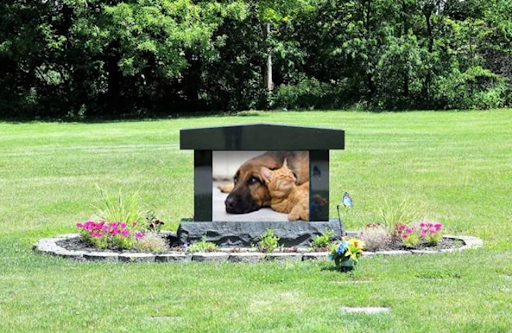
Nobody really prepares you for it. The house goes quiet, the food bowl sits untouched, and grief settles in a…
Finding a place to rent is already stressful. Add an emotional support animal to the picture — and a condition…
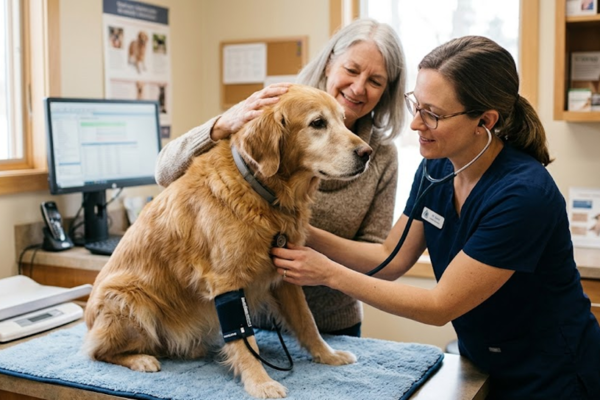
Your senior pet depends on you to notice small changes. A Havelock, NC veterinarian depends on clear checks to catch…
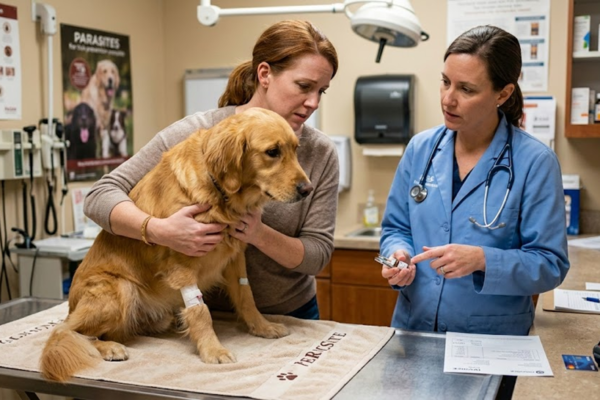
Tick season has a way of catching pet owners off guard. Your dog might seem a little lethargic, slightly unsteady…
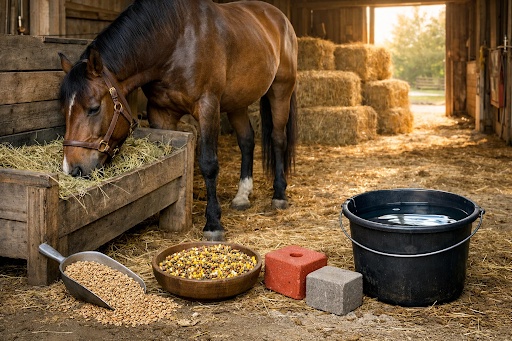
Feeding a horse is far more than filling a bucket with hay and grain. Every meal your horse eats either…
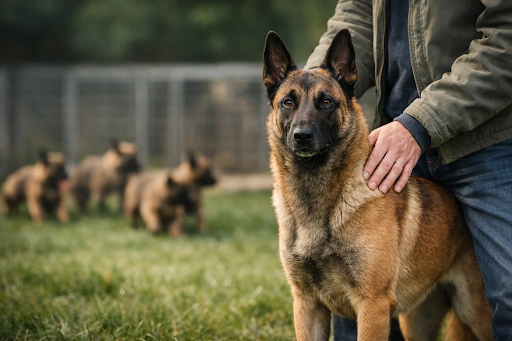
If you are considering bringing a new dog into your life, Belgian Malinois puppies should be at the top of…

Research shows that by 2030, the exotic pet market in the UK will hit $143.3 million, at a CAGR of…
If you have a serious chewer at home, you already know the routine. You buy something that claims to last….
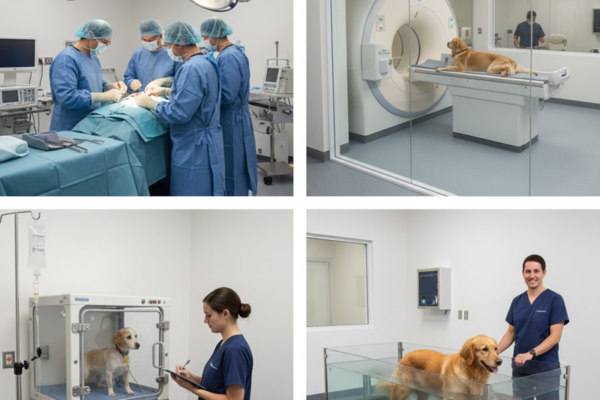
When your animal is hurt or sick, you need more than a quick exam. You need a team that can…