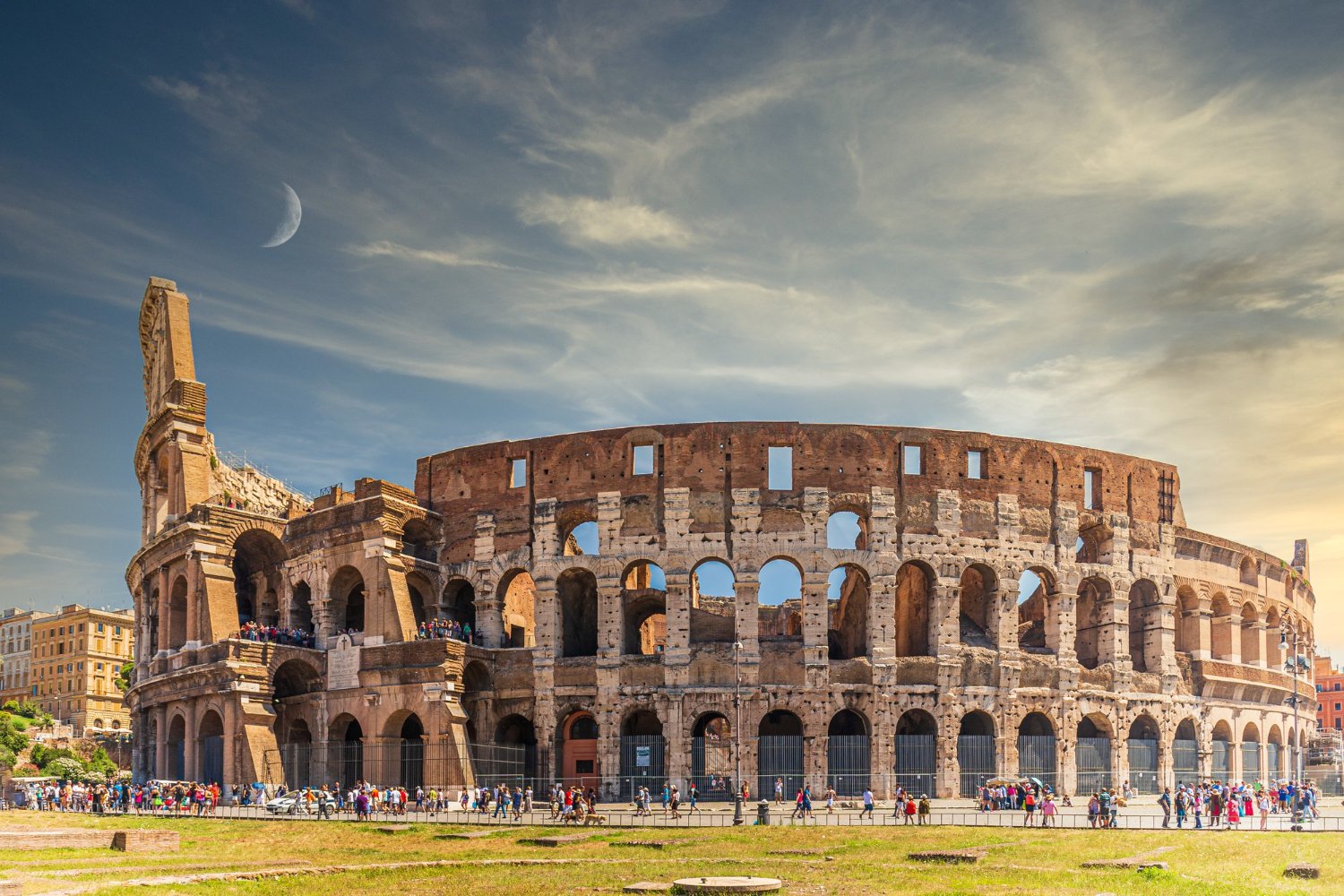
Rome is not a destination that can be reduced to a checklist. It is a city where ancient ruins stand beside busy roads, Renaissance palaces overlook lively cafés, and quiet churches contain masterpieces that would be the main attraction anywhere else. Nearly every neighborhood reveals another layer of history, from the monuments of the Roman Empire to medieval streets, Baroque fountains, and modern Italian life.
For first-time visitors, Rome can initially feel overwhelming. There is an enormous amount to see, public transportation is not always straightforward, and the most famous attractions can become very crowded. With a little preparation, however, the city becomes much easier—and far more enjoyable—to explore.

This detailed Rome travel guide covers when to visit, where to stay, what to see, how to get around, what to eat, and how to organize your itinerary.
Why Visit Rome?
Few cities offer such an extraordinary combination of history, architecture, art, food, and street life. Rome is home to some of the world’s most recognizable landmarks, including the Colosseum, the Pantheon, the Trevi Fountain, and St. Peter’s Basilica.
Yet the city’s appeal goes beyond its headline attractions. Some of the best moments in Rome are surprisingly simple: drinking an espresso at the counter of a neighborhood café, wandering through a small piazza, discovering an ancient column built into a modern wall, or enjoying dinner at a family-run trattoria.
Rome is particularly rewarding for travelers interested in:
- Ancient history and archaeology
- Renaissance and Baroque art
- Churches and religious heritage
- Italian food and wine
- Architecture and urban photography
- Walkable neighborhoods
- Romantic city breaks
- Cultural and educational travel
The city can work equally well for a long weekend or an extended stay. Three or four days will allow you to see the essential attractions, while five to seven days will give you time to explore more slowly and visit places beyond the historic center.
The Best Time to Visit Rome
Rome is a year-round destination, but each season offers a different experience.
Spring
Spring is one of the most popular times to visit. The weather is usually comfortable for walking, outdoor restaurant tables begin to fill, and the city’s gardens become more colorful.
Because spring is a busy travel period, accommodation and major attractions should be booked in advance. Easter can be particularly crowded around Vatican City and central Rome.
Summer
Summer brings long days, bright skies, and a lively evening atmosphere. However, daytime temperatures can become intense, especially in July and August. Many archaeological sites offer limited shade, making afternoon sightseeing tiring.
If you visit during summer, plan outdoor attractions for the morning, take a longer lunch or rest in the afternoon, and return outside in the evening. Carry water, wear light clothing, and use sun protection.
Autumn
Early autumn is another excellent period for visiting Rome. The weather often remains warm, but the most extreme summer heat begins to disappear. Restaurants and neighborhoods remain lively, and walking conditions are generally pleasant.
Rain becomes more likely later in the season, so bring a light waterproof jacket and shoes suitable for wet cobblestones.
Winter
Winter is usually the quietest season, apart from the Christmas and New Year period. Days are shorter and the weather can be cool or rainy, but crowds are often more manageable.
This can be a good time for museums, churches, and indoor attractions. Accommodation may also be less expensive than during peak travel months.
How Many Days Do You Need in Rome?
A minimum of three full days is recommended for a first visit, although four or five days will provide a more balanced experience.
With three days, you can cover:
- The Colosseum, Roman Forum, and Palatine Hill
- Vatican City and the historic center
- Rome’s major piazzas, fountains, and neighborhoods
With four or five days, you can add:
- The Borghese Gallery and Villa Borghese
- The Appian Way and ancient catacombs
- Trastevere and the Jewish Quarter
- Additional churches and museums
- A food tour or cooking class
- A day trip outside Rome
Trying to see everything in two days usually results in spending too much time rushing between attractions. Rome is best experienced at a slower pace, with room for unplanned discoveries.
Where to Stay in Rome
The right neighborhood depends on your budget, interests, and preferred atmosphere.
Historic Center
The historic center is one of the most convenient areas for first-time visitors. Staying near the Pantheon, Piazza Navona, or Campo de’ Fiori places you within walking distance of many famous sights.
The main advantages are convenience, beautiful surroundings, and easy access to restaurants. The disadvantages are higher prices, tourist crowds, and occasional nighttime noise.
Monti
Monti is located close to the Colosseum and Roman Forum. It has narrow streets, small boutiques, cafés, wine bars, and a neighborhood atmosphere despite its central position.
It is a particularly good choice for travelers who want to stay near ancient Rome without being directly beside the busiest tourist routes.
Trastevere
Across the Tiber River, Trastevere is known for its picturesque streets, ivy-covered buildings, restaurants, and nightlife. It is especially attractive in the evening, when its lanes and piazzas become lively.
Some parts can be noisy, so light sleepers should check the hotel’s precise location before booking.
Prati
Prati is a more orderly residential district near Vatican City. Its broad avenues, shops, and restaurants provide a different atmosphere from the narrow streets of the historic center.
It is convenient for visiting the Vatican Museums and St. Peter’s Basilica. It can also be a good option for families or travelers seeking quieter evenings.
Termini
The area around Roma Termini station offers excellent transportation connections and a wide range of budget accommodation. It is practical for short stays, early trains, or travelers planning several day trips.
The atmosphere varies considerably from street to street, so examine the exact location and recent guest reviews before making a reservation.
Spanish Steps and Via Veneto
These areas are associated with luxury hotels, designer shops, and elegant streets. They are suitable for travelers looking for an upscale experience in a central location, although prices are usually among the highest in the city.
Rome has thousands of hotels, guesthouses, apartments, and boutique properties, so researching individual options can take time. For a useful starting point when comparing accommodations, check this best hotel selection on this Reddit posst.
Rome’s Essential Attractions
The Colosseum
The Colosseum is the most famous surviving monument of ancient Rome. Built for public spectacles, it remains remarkable not only for its size but also for the complexity of its design.
Reserve admission in advance and check exactly which areas are included in your ticket. Some options provide access to additional levels or restricted sections, while others cover only the standard visitor route.
Arriving early is helpful, particularly during warmer months. There is limited shade in the surrounding archaeological area, so bring water and sun protection.
The Roman Forum
Located beside the Colosseum, the Roman Forum was the political, religious, and commercial center of ancient Rome. Today, visitors walk among the remains of temples, government buildings, arches, and public spaces.
The ruins can be difficult to interpret without context. A guided tour or a reliable audio guide can make the experience much more meaningful.
Palatine Hill
Palatine Hill rises above the Roman Forum and is traditionally associated with the founding of Rome. It later became an exclusive residential area for emperors and members of the Roman elite.
In addition to archaeological remains, the hill provides impressive views over the Forum and surrounding parts of the city.
The Pantheon
The Pantheon is one of the best-preserved ancient Roman buildings. Its enormous concrete dome and central opening, known as the oculus, continue to impress architects and visitors.
The surrounding Piazza della Rotonda is busy throughout the day. Visiting earlier in the morning often provides a calmer experience.
Trevi Fountain
The Trevi Fountain is Rome’s most famous fountain and one of its busiest landmarks. Its elaborate sculptures and dramatic architecture are particularly atmospheric after dark.
For fewer crowds, visit early in the morning. Evening visits are beautiful, but the surrounding space can become extremely busy.
Piazza Navona
Piazza Navona occupies the site of an ancient Roman stadium. Today it is known for Baroque architecture, ornate fountains, street performers, and outdoor cafés.
The restaurants directly on the square tend to charge for the location. Better-value options can usually be found by walking a few streets away.
The Spanish Steps
The Spanish Steps connect Piazza di Spagna with the church of Trinità dei Monti. The area is surrounded by elegant streets and luxury shopping.
The steps are most enjoyable early in the morning, before the neighborhood reaches its busiest point.
Visiting Vatican City
Vatican City is an independent state located within Rome. Its main attractions are the Vatican Museums, the Sistine Chapel, and St. Peter’s Basilica.
Vatican Museums
The Vatican Museums contain one of the world’s most extensive art collections. The route includes ancient sculpture, decorated galleries, Renaissance rooms, and the Sistine Chapel.
The museum complex is enormous, and attempting to examine every room can be exhausting. Decide in advance which sections matter most to you or take a guided tour that focuses on the highlights.
Modest clothing is required in religious areas. Shoulders and knees should be covered, even in hot weather.
Sistine Chapel
The Sistine Chapel is located near the end of the standard museum route. Its ceiling and altar wall were painted by Michelangelo, while other prominent Renaissance artists contributed frescoes to the chapel’s side walls.
Visitors are expected to remain quiet, and photography restrictions are commonly enforced.
St. Peter’s Basilica
St. Peter’s Basilica is among the most important churches in Christianity and one of Rome’s greatest architectural achievements. The interior includes Michelangelo’s Pietà, monumental sculptures, mosaics, chapels, and elaborate decoration.
Visitors may also be able to climb to the basilica’s dome. The upper levels provide wide views across Vatican City and Rome, but the final section involves narrow stairs and confined spaces.
Neighborhoods Worth Exploring
Trastevere
Trastevere is best explored without a rigid plan. Wander through its narrow streets, visit the Basilica of Santa Maria in Trastevere, and stop for an aperitivo before dinner.
The neighborhood becomes very crowded around its most popular streets. For a quieter atmosphere, explore its residential edges or walk up Janiculum Hill for panoramic views.
The Jewish Quarter
Rome’s Jewish Quarter is one of the city’s most historically significant areas. It is known for the Great Synagogue, archaeological remains, traditional Roman-Jewish cuisine, and its proximity to the Theatre of Marcellus.
Local specialties include fried artichokes when they are in season.
Testaccio
Testaccio is a strong choice for travelers interested in Roman food and everyday neighborhood life. Historically connected to the city’s food markets and slaughterhouse district, it remains associated with traditional cuisine.
The neighborhood is less monumental than central Rome but offers a more local atmosphere.
Aventine Hill
Aventine Hill is quiet, green, and well suited to a relaxed walk. Highlights include the Orange Garden, historic churches, and the famous keyhole view associated with the Knights of Malta.
It can be combined with a visit to Testaccio or the Circus Maximus.
What to Eat in Rome
Roman cuisine is built around relatively simple ingredients, confident flavors, and strong culinary traditions.
Essential Pasta Dishes
Four pasta dishes are particularly associated with Rome:
- Cacio e pepe: Pasta with Pecorino Romano cheese and black pepper
- Carbonara: Pasta with egg, Pecorino Romano, guanciale, and black pepper
- Amatriciana: Pasta with tomato, guanciale, and Pecorino Romano
- Gricia: Pasta with guanciale, Pecorino Romano, and black pepper
Traditional carbonara is generally prepared without cream.
Other Roman Specialties
Look for dishes such as:
- Supplì, fried rice croquettes often filled with mozzarella
- Saltimbocca alla romana, veal with prosciutto and sage
- Carciofi alla romana, seasoned Roman-style artichokes
- Carciofi alla giudia, crispy fried artichokes
- Pizza al taglio, rectangular pizza sold by weight
- Porchetta, seasoned roast pork
- Maritozzo, a sweet bun filled with whipped cream
How to Find Better Restaurants
Avoid choosing a restaurant solely because it faces a major attraction. Signs of a heavily tourist-oriented establishment may include aggressive staff outside, large menus with photographs, and an excessive number of unrelated dishes.
A shorter menu featuring seasonal ingredients is often a better sign. Reservations are advisable for popular restaurants, especially for dinner.
Remember that Italian meal schedules may be later than those in some other countries. Many traditional restaurants do not begin dinner service until the evening.
Getting Around Rome
Walking
Walking is the best way to experience central Rome. Many important attractions are closer together than they appear on a map, and moving on foot allows you to discover churches, fountains, courtyards, and archaeological remains between planned stops.
Comfortable shoes are essential. Cobblestones can be uneven and slippery, particularly after rain.
Metro
Rome’s metro is useful for reaching certain major areas, including the Colosseum, Spanish Steps, Termini station, and neighborhoods near Vatican City. However, the network does not cover every part of the historic center.
Buses and Trams
Buses and trams provide wider coverage but can be affected by traffic and delays. They are useful when destinations are not served by the metro.
Check ticket and validation requirements before traveling. Rules can vary by ticket format, and failure to validate correctly may result in a fine.
Taxis
Use official taxis from designated ranks or arrange a vehicle through a recognized service. Before beginning a trip, confirm how the fare will be calculated and whether additional charges apply.
Traveling From the Airport
Rome is served by two main airports: Fiumicino and Ciampino. Fiumicino handles most international flights, while Ciampino is commonly used by budget airlines.
Transport options include trains, buses, taxis, and private transfers. Your best choice will depend on arrival time, group size, luggage, and the location of your accommodation.
A Suggested Four-Day Rome Itinerary
Day One: Ancient Rome
Begin at the Colosseum before continuing to the Roman Forum and Palatine Hill. After a break for lunch, walk toward Piazza Venezia and the Capitoline area.
Spend the evening in Monti, where you can enjoy dinner and a relaxed walk through the neighborhood.
Day Two: Vatican City
Visit the Vatican Museums and Sistine Chapel in the morning. Continue to St. Peter’s Basilica and, if you have the energy, climb the dome.
Later, cross the river and explore the area around Castel Sant’Angelo and Piazza Navona.
Day Three: The Historic Center
Start at the Spanish Steps, then walk to the Trevi Fountain and Pantheon. Continue to Piazza Navona and Campo de’ Fiori.
In the evening, cross the river for dinner in Trastevere.
Day Four: Local Rome
Explore the Aventine Hill, Testaccio, and the Jewish Quarter. Alternatively, reserve the Borghese Gallery and spend time walking through Villa Borghese.
Finish your trip with an evening food tour, a traditional Roman dinner, or a sunset viewpoint.
Day Trips From Rome
If you have additional time, several destinations can be visited from Rome.
Tivoli
Tivoli is known for historic villas, elaborate gardens, fountains, and archaeological sites. It offers a refreshing change from the crowded city center.
Ostia Antica
Ostia Antica was ancient Rome’s port city. Its extensive ruins include streets, apartment buildings, temples, baths, shops, and a theater. It is a rewarding option for travelers fascinated by everyday life in the Roman world.
Orvieto
Orvieto is a hilltop town known for its dramatic cathedral, medieval streets, and views across the Umbrian countryside.
Florence or Naples
Both cities can be reached by high-speed train, although each deserves more than a rushed visit. If possible, stay overnight instead of treating them as short sightseeing stops.
Practical Rome Travel Tips
- Reserve major attractions before your trip.
- Start sightseeing early to avoid heat and crowds.
- Carry a reusable water bottle.
- Keep shoulders and knees covered when entering important churches.
- Wear comfortable shoes with good grip.
- Protect valuables in crowded public places.
- Allow additional time for transportation.
- Check restaurant bills before paying.
- Keep some cash for small purchases.
- Confirm opening hours shortly before visiting.
- Avoid building an itinerary with no breaks.
- Save offline maps in case your mobile connection becomes unreliable.
Common Mistakes to Avoid
One of the biggest mistakes is trying to visit too many major attractions in a single day. The Colosseum complex and Vatican Museums are both physically demanding, so placing them on the same day is rarely a good idea.
Another mistake is eating exclusively around famous squares. While these locations are convenient, exploring the surrounding streets can lead to better food and a more authentic atmosphere.
Visitors also underestimate how much walking Rome requires. Even when using public transport, you will spend hours on your feet. Appropriate footwear can make the difference between an enjoyable trip and a painful one.
Finally, do not treat Rome only as an outdoor museum. Its historic monuments are extraordinary, but its cafés, markets, residential districts, and evening traditions are equally important parts of the experience.
Final Thoughts
Rome rewards curiosity and patience. Its most famous landmarks deserve their reputation, but the city becomes truly memorable when you explore beyond them. Leave enough room in your itinerary to wander through unfamiliar streets, sit in a quiet piazza, pia enter a church that catches your attention, or spend an evening enjoying a long Roman dinner.
Plan the essential details in advance—especially accommodation and major attraction reservations—but avoid scheduling every moment. Rome has been evolving for thousands of years, and part of its magic comes from encountering its many historical layers at your own pace.