Introduction
Today’s business environment is more competitive than ever before and to be successful for the long haul, it is important to understand what the customers want. The consumers are engaged with companies on websites, mobile applications, physical stores, social media websites, payment systems, and consumer support. Every touchpoint creates data that can lead to changes in knowledge of buying behaviour, preference, expectations and spending patterns for organisations. But gathering massive amounts of customer data doesn’t necessarily result in better business decisions.
This information needs to be analysed in a systematic way to find some meaningful patterns and convert the results into workable action plans. One method to do this is data mining — the analysis of large volumes of data to uncover relationships, trends and patterns in the data that may not be obvious. Data mining can enhance marketing efforts, suggest product recommendations, detect customers that may be about to leave the company, and provide more tailored customer shopping experiences. This knowledge can be instrumental in improving customer relationships, cutting down on needless marketing costs, and boosting sales, when they are applied responsibly.
Data Mining in Business
Data mining refers to the analysis of large amounts of data in order to find patterns, relationships, and trends that can be used in the decision making process. In the business world, it means analyzing customer data, purchase patterns, website behavior, product preferences, and more to gain insight into customer behavior and preferences. Data mining, as opposed to simple reporting, is able to help organizations determine the reasons for the patterns and predict what customers might do next. A website selling smartphones might find that buyers often buy protective cases the same week as the smartphones.
A telecom firm may be able to spot customers who are using less than their previous services and are likely to switch to another provider. The results from these findings can be used for marketing decisions, product recommendations, customer retention strategies, and inventory planning. Most businesses employ the techniques of statistical analysis, machine learning, classification, clustering, and association rule learning in studying customer data. The value of these methods is dependent upon the quality of the information presented, the pertinence of the questions being addressed, and the capacity of the organization to execute the analytical results into suitable actions.
Why Customer Behaviour Matters
Customer Behaviour is the process of decision making and/or action by the customer in the course of his research, selection, acquisition, consumption and assessment of a product or service. This knowledge enables businesses to understand customer preferences and identify the value of their products, the factors that attract customers, what drives their decision to buy, and what leads to their loyalty or switching to another brand. If organizations don’t have the information about their customers, they might be spending money on marketing products to a population that is not interested in them or missing the chance at enhancing their products. One way to mitigate these uncertainties is to use data mining to analyse patterns between groups of customers and across individual buying experiences.
For instance, a retailer may find that people often leave their shopping carts at the checkout because the delivery costs are added at the end. Users who don’t go through the onboarding could be less likely to stay on the platform if it’s offered as a subscription service. Such observations enable companies to solve problems, not just guess, to solve problems. Knowing customer behaviour also helps in proper resource allocation, as organisations can focus on improvement that meets customer needs as identified. However, analytical results must be used for guidance but not to the exclusion of business judgment, customer input and an understanding of the broader market.

Application of Data Mining in Business
There are several ways by which businesses utilize data mining for their understanding of customers.
1. Customer Segmentation
Customer Segmentation is a way of categorising a company’s customer base into smaller groups based on specific attributes, actions or requirements. Customers can be segmented by purchase frequency, average purchase, product interest, geographic, engagement, or past marketing campaign response. Clustering is a data mining method that can be used to find clusters of people that may not be apparent in the customer records. For example, a retailer might be able to recognize the customer segments that buy online for a low price, those who make multiple purchases, seasonal buyers, and those who are only interested in low prices. A different marketing strategy for each group is likely.
People who would like to know about cheaper versions might be offered information about it, and repeat buyers could get product information and loyalty offers. A telecom company might be able to tell the difference between customers who use the data plans more often, customers who make a lot of calls and customers who use a mix of plans. These differences can be used to create different offers for different customers and customers aren’t all the same. But do not oversegment and treat inequitably or intrusively. Companies need to assess whether the attributes that are used to delineate customer segments are suitable, accurate and relevant to the products and services being provided.
2. Purchasing Pattern Analysis
Pattern Analysis is the process of buying examination and understanding what customers buy, when they buy it, how often they buy and how their spending evolves over time. These trends will be analysed to determine which products are in demand, seasonal demand, repeat purchasing activity and shifts in consumer preference. For instance, a supermarket could notice that there are more people buying certain food items during the holidays, and change their stocking levels. An online clothes shop may discover customers who buy specific garments at the start of a new period, and schedule promotions accordingly.
Businesses can also make comparisons of purchases by different types of customers to figure out what products are doing better with certain audiences. Businesses can use these insights to predict demand, minimise stock-outs, manage excess stock and create more targeted marketing campaigns. When buying pattern analysis, it can also be used to identify trends that warrant more research, such as a sudden drop in repeat orders or increased interest in more affordable options. Businesses should, however, differentiate the real shifts in customer behavior from short-term factors like price change, stock shortages, economic conditions, or some unusual promotional maneuver.
3. Recommender Systems
Recommendation engines look at data from customers’ past purchases, what products they have viewed, and what other users with similar interests are doing to put forth items that will interest individual users. We see these in use at e-commerce sites, streaming services, digital markets and other online players. They may use past purchase history, what a person has been looking at, product similarities, or trends we see between customers with the same interests. For instance an online book store may put forward more books in a genre the customer has spent a great deal of time perusing, while a film streaming site may present movies based on what that person has watched in the past and what similar users are into.
Also we see them recommend complementary products, like a set of speakers for that new computer a person just bought. Relevant recommendations mean that customers don’t have to go through an entire catalog to find what they are looking for. For companies they are a tool for increasing what customers see and buy which in turn improves the customer’s experience. At the same time though, recommendation engines do not always hit the mark. A person may look at a product without buying it, and what they bought in the past may not reflect what they want now. What we need are systems that give the consumer control over their experience, which don’t push the same old irrelevant products at them and which take into account that people’s preferences do change.
4. Customer Turnover Prediction and Retention
Customer drop off is a term we use to describe when customers stop doing business with a company, cancel a subscription, or stop using a service. It is costly to acquire new customers which is why customer retention is a high priority for many organizations. We use data mining to identify customer behavior which signals an increased chance of them leaving. Our models look at things like decreasing purchase frequency, reduced use of the product, repeated service issues, subscription cancellations, or changes in spending. A telco for example may find that customers with repeat network issues are more likely to leave.
Also a subscription based digital service may note large drops in user activity over weeks. These results in turn allow companies to address issues proactively before the customer leaves. Retention strategies may consist of fixing tech issues, improving service quality, better explaining what the product does, or to give relevant incentives. Also it is important to note that churn prediction does not mean we know for sure a customer will leave. Models give us ranges which may not play out. A customer may reduce use of a product for a while but come back. Companies should use predictions as a trigger for intervention not a reason to make unfounded assumptions about individual customers.
5. Basket Analysis which includes all items purchased by a customer at one time
Market basket analysis is a data mining tool which identifies products that go together well. We look at transaction data to determine what items are associated with each other and thus which products customers are inclined to buy at the same time. For instance a grocery store may find that those who bought breakfast cereal also purchased milk in the same shop visit. An electronics store may note that people buying laptops also purchase laptop bags, wireless mice, or external storage. Such relationships help companies with product placement, creating promotion sets, cross sell, and recommendation systems.
Companies can get more out of this technique from the market basket analysis guide which goes into how to identify and make sense of what customers are purchasing together. We also see support, confidence, and lift as key measures. Support is the frequency of a product set in transactions, confidence is the probability that if a customer buys one item they also buy the other, and lift is the ratio which shows if what is seen is better than what is to be expected. Also it is important to note that just because products are purchased together does not mean there is a causal relationship. Companies should validate their results before going into large scale merchandising changes or think that a certain product mix will work for all customers.

6. Tailored Marketing
Personalized marketing which puts forth relevant customer info to tailor messages, offers and recommendations to specific audiences or individuals. Instead of the same ad going out to all customers, a business may use data mining to determine what each person’s interests are, what they have bought in the past, what channels they prefer for communication, and how they responded to past campaigns. An online retailer may share with customers info on products related to what they bought before, a travel company may put forth destinations that play into what customers have said they like. A bank may put out info on what services the customer is eligible for which of course has to be in compliance with what the law says and doesn’t play into very private issues.
Personalization may improve marketing results by putting out more relevant info and at the same time reduce the amount of irrelevant info we see in our inboxes. Also it may help companies see what campaigns really got results in terms of engagement and sales. That said, too much personalization may make the customer feel violated, especially when ads pop up that they did not expect a company to know about. Companies should be open about what they do with data, honor what customers want in terms of marketing, and stay away from using very sensitive info in ways that may harm or manipulate the consumer.
How Different Industries used Data Mining to Increase Sales
- E-commerce and Online Marketplaces
E-commerce companies collect data from searches, product views, shopping carts, purchases, reviews, and in product interactions. They use data mining to present a picture of what is popular, how consumers shop, what to put forward as recommendations and why some customers leave out of the purchase process. For example, we see that customers who compare many products do in fact respond to very clear pricing info, delivery terms, and which reviews are verified. From this they can better present product pages and assist shoppers in their decision making.
Also retailers may look at purchase frequency to find out how to get repeat business from the same customers, and use recommendation engines to put in front of customers related products. By looking at demand trends online stores can better plan their inventory and bring more attention to certain products. But also a large number of product views is not the same as a large number of buyers. Companies have to look at transaction data, what customers say, price, product availability and other issues before they can determine if a product or a marketing move is a success.
- Physical Retail and Supermarkets
Physical retailers use point of sale data, loyalty program info, inventory details and survey results to research shopping behavior. In the area of data mining, super markets can find out what are the often bought products together, perform a study on what sells best at what location, and see how demand goes at different times. A retailer may find out that some products do very well when put together and use this info to create appealing displays or related promotions. Also from the sales trends they can determine what products to put out in large supply and what items will do better with a different price or display approach.
Also from the loyalty programs we see which products’ certain customers buy the most and what categories of products a customer tends to choose. But it is also true that loyalty program members don’t represent all the customers. Non participating customers may have other preferences or different shopping behaviors. By combining transaction info with survey input and larger scale sales info retailers can get a better picture of the market as a whole and in turn make better decisions which are not based on a partial story.
- Telecommunications
Telecom companies handle large sets of info related to service which is signed up for, call history, data use, billing trends, customer care issues, and network performance. We see that they use data mining to figure out how customers use services, to determine what is the most popular package, to predict demand, and to research what causes customers to leave. For example a company may note that some customer segments buy into data plans at the same time each month. That is used to improve what they put in packages and when they market. Also they may see that a lot of service issues from the same customers lead to them leaving which in turn causes the company to improve network reliability or customer care.
Also they may use this info to put forward service recommendations which in turn get customers to choose what is best for their use. At the same time telecom data also puts out very private info on what people do and when they do it. Companies must put in place the right access controls, security measures, retention policies and privacy protections. Analysis should support service improvement not what amounts to watching too closely or taking advantage of personal info.
- Banking and Financial Services
Banks and in other financial services we see the use of data mining to better understand what customers want, improve what we put out there in terms of service, to find out what products may fit best for our customers, and to also to root out what may be in fact fraudulent transactions. Customer transaction trends may help us in the issue of which services different groups use and also in the issue of what we may put forward in terms of financial tools. For example a bank may see that some customers are very into international payment services while others are more so into local transfers and mobile banking. That in turn will help us in how we present what we have and in the design of our services.
Also data mining plays a role in fraud detection by which we can see transactions that really do stand out from the norm. But that unusual activity does not in itself point to fraud, also a bad model can leave our good customers out in the cold. So we have to look at these results very carefully and have in place the right review processes. Also we should be looking at customer segments and our predictive models for signs of bias which in turn may play a role in what products a customer gets, what their account is up for review for, and other big decisions. Responsible use of this data requires security, transparency, appropriate oversight, and compliance with the right financial and privacy rules.
- Digital Services and Subscription Platforms
Digital platforms which include streamers, online education sites, apps, and subscription models use data mining to better know their users and in turn improve customer retention. They look at things like login time, which features are used the most, changes in subscription, what type of content is preferred, and customer care to determine what keeps people coming back. An online study site may find out that learners who get regular progress reports are more likely to finish courses. A software company may find that customers which successfully set up a certain feature are more likely to stay on as subscribers.
That info in turn guides which we welcome customers, what we put in educational content, our customer care and in product development. Also a subscription based business may use churn prediction to identify which customers need more help or which may benefit from info on under used features. While it is true that more action does not always mean more satisfaction. Companies should look at what really means value to the customer, that is look at what we are hearing from them, success of task performance and continuous voluntary use instead of just improving engagement numbers at the expense of the customer’s well being.

Transforming Data Mining results into Increased Sales
Data mining which in turn leads to higher sales when companies put into practice what analysis they did and they in turn see what results those actions produced. We see for example in the case of a purchase trend which we identify that is only the start; the business has to determine if they will change product placement, go over a promotion, put forward a complementary item or improve their inventory. Also we see a group of customers that do very well in response to a certain campaign does not mean that if we run that campaign again we will get the same results. Companies should try out different things, see what works and what doesn’t and in the end refine what they do.
We look at performance indicators like conversion rates, average order value, repeat purchase rates, customer retention, campaign costs, and customer satisfaction. Also we tell our clients to look at profitability as well as not to put all their eggs in the revenue basket. A promotion may increase sales volume but at the same time reduce profit margins and a recommendation system may get more clicks but not more completed purchases. Also we see that it is useful to compare what happened before and after a change and when possible to use controlled experiments to determine if what we did really did in fact improve performance.
Challenges and Limitations of Data Mining
Despite what data mining may do for us, it also presents issues which organizations may have to deal with when they use partial, untimely, non reflective data at all. Issues like missing transactional reports, double up of customer data, inconsistent product categories and inexact data collection are what causes errors in analysis. For instance a retailer which reports a poorly performing product may in fact have the issue of the item being in short supply instead. Also, a drop in purchase numbers could be due to seasonality or overall economic factors, not a dissatisfied customer base. Also we see that past biased data can be re produced by predictive models and hence some customer sets may get the worse of it.
Also it is important to note that just because two things are correlated does not mean that one is the cause of the other. That is a business may see an issue where there may not be one. Thus companies should validate their results, look into other possibilities, and get out there with more info before jumping to major conclusions. Also regular review of the models, data quality checks, employee education, and customer feedback is a must to reduce these issues. Data mining is best used to support decision making and not as a definitive answer.
Customer Privacy and Responsible Data Collection
Responsible data mining is a practice which sees businesses tread with care in the collection, storage, analysis and use of personal info. Customers should be given out full details of what the business does with regard to data which includes what info is collected, why it is required, and what its use will be. Also at hand is that which info is put out is what is really needed for the business’ purposes and that personal records are not kept forever. At the same time businesses should put in place proper security measures, restrict access to only that which is authorized, and also use techniques like anonymization or pseudonymization to reduce privacy issues.
Also what is the basis for processing customer data must be looked at in accordance to what is required by law, also customers’ rights and marketing preferences must be taken into account. In Nigeria we see that companies dealing with personal info should take note of the 2023 Nigeria Data Protection Act and what the Nigeria Data Protection Commission has to say. Privacy protection is not just a legal issue but a way to build up customer trust. As people see that their info is handled in a responsible way they are more likely to trust the businesses they do to. Thus it is best for organizations to make privacy and accountability key elements of their data mining strategies.
Effective Customer Data Practices
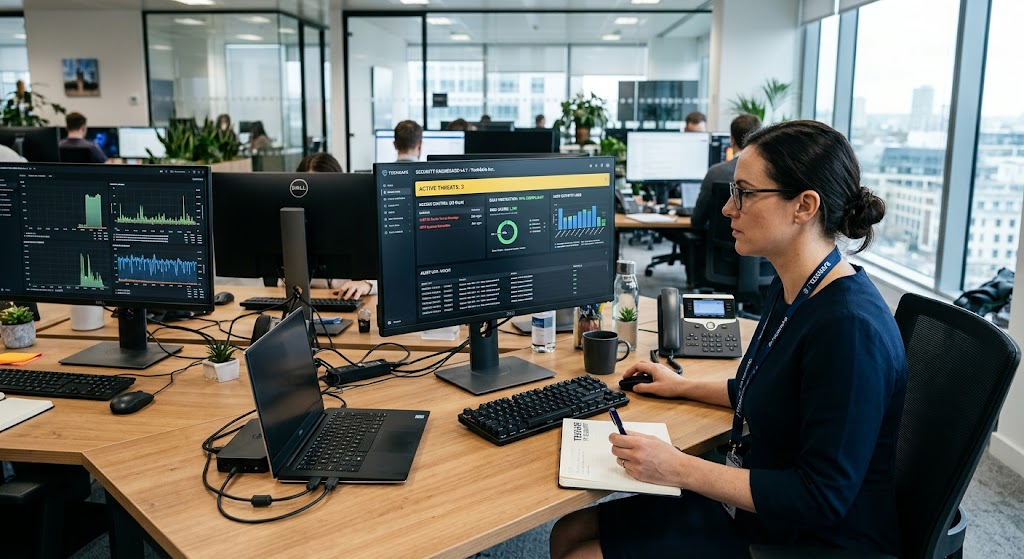
Businesses can improve on the quality and value of customer data mining by way of a structured approach. First off they should define the business issue well which may be something like reducing cart abandonment, improving repeat purchase, or determining why subscribers leave. Also they should identify what data sources they have and check that the info is accurate, relevant, and large enough to be representative. Also which analysis methods best suit the issue at hand instead of going in with complex models just because they are there. Customer segmentation, association analysis, classification and predictive modeling each play different roles.
Also it is up to companies to put the findings in context and include in the research team people that know the products, the customers, and the market forces at play. Also they should put in place what interventions they will try and what measures they will use to determine success. And also companies should review their models at regular intervals because customer preferences, technology, competition and economic conditions are in constant flux. These actions help companies to avoid over complication, better use of resources, and that the results of the analysis lead to responsible and proven improvements.
The Future of Data Mining for Customer Behavior Analysis
Advancements in artificial intelligence, machine learning, cloud computing, and real time analytics are transforming how businesses look at customer behavior. Organizations are able to look at info from many channels to identify what is changing, improve recommendations, and react faster to what customers want. For example a retailer may put together present inventory info with recent purchase trends to improve product recommendations, also a subscription service may use customer engagement to find out which parts of the on board process need work. Also more complex systems may also help businesses to analyze customer feedback given in reviews, support interactions and surveys.
That said, greater analysis does not do away with the need for care in judgment. Real time personalization may cross the line into侵扰,predictive models may go wrong, and auto made decisions may reproduce unfairness if they are not properly watched. What will determine future success is the balance between innovation and transparency, data quality, privacy issues, and meaningful human input. Companies which put together solid analysis with an in -depth customer need study will be best positioned to adapt to change in the market and build lasting relationships.
Conclusion
Data mining is a key tool which businesses use to study customer behavior, improve marketing, and increase sales. In customer segmentation, purchase trend analysis, recommendation systems, churn prediction, market basket analysis, and personal marketing we see organizations which are coming up with what they need to better inform their decisions. E-commerce companies are improving product recommendations, super markets are optimizing display, teleco’s are improving customer stay, banks are refining what they put out to customers and digital players are creating better customer experiences.
But the value of data mining isn’t only in advanced analytics. What businesses also have to do is make sure their data is accurate, their results are proven out, and that what they do produces what is meant to — results. Also they must protect customer info, address issues of bias, and not present predictions as facts. By using responsible data practices in addition to continuous testing and a customer centered approach organizations may use data mining to find what they need, improve customer relationships, and foster sustainable business growth.