Prevent Costly Plumbing Repairs by learning how to identify small plumbing problems before they become expensive emergencies. Plumbing issues don’t just come out of nowhere. Small leaks, slow drains, strange noises or variations in water pressure are often the first signs of a serious leak. Unfortunately, many homeowners pass off these early warning signs until it becomes a costly emergency. The fortunate part is that you can take proactive steps to avoid costly damage, cut your utility bills, and save your plumbing system.
One of the best skills that a homeowner should have is knowing what to do about small plumbing issues and how to quickly fix them when they arise. Furthermore, maintenance also prevents your home from water damage, mould growth and unexpected repair bills. With a little knowledge of some basic fixes and inspection methods, you can find issues early and maintain your plumbing system running smoothly for years to come.
The reasons why preventive plumbing maintenance is important. The reasons for preventive plumbing maintenance.
Many homeowners consider plumbing maintenance to be a task that can only be performed when there is a burst pipe or a clogged drain. But preventive maintenance is typically much less costly than emergency maintenance. Dripping faucets, loose fittings or clogged drains can cause minor problems that can get worse over time if nothing is done about them.
Also, water damage is not only present in the plumbing system itself. Even a small leak behind a wall can wreak havoc on insulation, flooring, drywall, and even structure. This means that the cost of repairs can escalate rapidly. By spending a little time every month checking your plumbing system and fixing any small issues you may have, you can greatly decrease the likelihood of any significant problems occurring, and keep your home’s water system running more efficiently.
1. Identifying Early Plumbing Warning Signs

It is important to know the most frequent signs that there may be a problem before discussing specific repairs. By recognizing some of the warning signs of plumbing issues, homeowners can take action before the problem escalates. Some of the signs are recurring problems with the drains getting blocked and the water stains at the ceiling surfaces, loss of water pressure, or unusual water bills, etc.
Also, foul smells from drains, rumbling noises in pipes or permanently running toilets are no signs to ignore. While these symptoms might seem insignificant at first, they often indicate that there are some issues brewing in the plumbing system. Thus, if you see these signs and take proper action at the right time, you can avoid the costly repairs in the future.
2. Repair dripping faucets ASAP
It might appear like a minor leak, but even a small faucet leak can consume thousands of gallons of water over time. This wasteful consumption of water can, therefore, lead to higher water bills and additional stress on the plumbing system.
The most common causes of faucet leaks are worn washers, broken O-rings or worn cartridges. These are typically simple parts to replace and only require basic tools. Further, by solving the problem timely, no further wear of the fixture will be done and water will be conserved.
3. Repair Running Toilets
Running toilets are one of the most frequent causes for water loss in homes. In many cases, the problem might not be noticed by the homeowner as the toilet seems to be operating properly.
But fortunately, the repair can be relatively straightforward. Usually the problem is caused by a worn flapper valve which can be replaced, or by a float that needs to be adjusted, or by a chain that was too short or long which can be adjusted. This can help homeowners to save water and money on their utilities.
4. Before they begin clogging, unclog slow drains.
If a drain is slow to drain, it is a sign that it may be clogged. Over time, hair, soap film, grease, and food particles build up in pipes, eventually limiting the water flow.
Avoid using hard chemical drain cleaners – try using a drain snake or hot water and mild cleaning solutions. Also, drain screens can be placed to prevent debris from getting into the plumbing. Early intervention helps maintain proper functioning of drains and helps prevent total blockage.
5. Check any exposed pipes for leaks.
Checking exposed pipes around the house, under sinks and in basements frequently will help prevent major damage due to leaks. Any leaks no matter how small can allow mold to grow or help deteriorate wood.
Check for moisture, corrosion, discoloration or mineral buildup around pipe connections. In the event a loose fitting has been noted, it is possible that the problem could be solved by simply tightening the connection. Damaged parts should be replaced, though, as soon as possible to avoid any further complications.
6. Check Water Pressure Readings
While it might be easy, high water pressure can cause stress on pipes, valves, and fixtures. The long-term pressure can lead to leaks and early component failure.
An inexpensive pressure gauge will be helpful to homeowners for measuring water pressure in the house. Readings should be within recommended values if possible. A pressure reducing valve can be used to help prevent damage to the plumbing system if the pressure is repeatedly too high.
7. Change Worn Caulking around Fixtures
Caulking is used for bathroom and kitchen fixtures to create a water-sealed surface that prevents water from leaking through to other surfaces. Unfortunately, caulk can crack, shrink or deteriorate over time.
Regularly inspect around sinks, bathtubs, showers and backsplashes. If gaps are found, cut away and replace with new caulk. The job is a simple maintenance procedure to avoid water getting in and stressing walls and floorings.
8. Clean Showerheads Regularly
Showerheads tend to have mineral build-up in them, particularly in hard water regions. As a result, water flow is restricted, which decreases shower efficiency and puts a strain on plumbing.
Vinegar can be used to effectively clear mineral deposits from showerheads by soaking them. Moreover, the frequency of cleaning enhances water usage efficiency and prolongs the fixture’s lifespan.
9. Inspect Water Lines and Connections to Appliances
Water supply lines can deteriorate over time used in washing machines, dishwashers, refrigerated units and water heaters. Large quantities of water may be released rapidly if a connection fails.
Check hoses and fittings for cracks, bulges, corrosion, or deterioration. It’s much cheaper to replace old and worn-out water supply lines before they break than it is to repair water damage that results from a sudden water leak.
10. Flush Your Water Heater Annually
As with any other type of water heater, sediment is formed in natural deposits, when minerals settle inside the water heater’s tank. This accumulation over time can decrease the efficiency of the heating and may shorten the life of the heating unit.
Once a year flushing sediment will remove and improve tank performance. In addition, energy costs can be reduced with regular maintenance and the risk of an unexpected water heater failure lessened.
11. Test Shut-Off Valves
The majority of homeowners only find out about a shut-off valve problem when it’s time for an emergency. Unfortunately, if a valve is not able to shut down properly, it can still be leaking while it is shut.
Test all main valves around the house periodically. A valve that is hard to operate, or that will not close properly, should be replaced quickly. The functional shut-off valves are necessary to reduce the damage during plumbing emergencies.
12. Avoid Frozen Pipes in the Cold of Winter
Freezing temperatures could impact all areas, so homeowners in cooler climates should consider taking precautionary steps in advance of cooler weather. Burst pipes can happen when water freezes and expands, leading to lots of water damage.
Exposed pipes and drafts around plumbing can be significantly reduced by the use of insulation and draft proofing. Also, leaving faucets slightly dripping during freezing temperatures can keep water flowing and prevent the pipes from freezing.
13. Drain Smells & Blockages
Foul gas from smelly drains will usually suggest that there is a blockage, bacteria or no water in the drain pipe. The odor of a mold might be a minor issue, however, it can indicate underlying maintenance issues.
Many odors can be eliminated by periodic cleaning of drains and provision of water in traps. Also, as soon as you can treat the odors, they will help make your home environment healthier and more comfortable.
14. Secure Loose Plumbing Fixtures
Loose faucets, showerheads and pipe supports might not seem a priority. But the movement over time can cause the connection to deteriorate and raise the chances of leaks.
Check fixtures regularly for signs of looseness and secure as needed. This easy remedy will enhance stability and stop more future plumbing issues.
Be alert for any concealed water damage.
Not every plumbing leak is an obvious leak. Behind-the-wall and floor leaks are often hidden and can show up as water stains, peeling paint, warped floors, and unexplained moisture.
Visually inspect your home regularly, particularly bathrooms, kitchens, laundry rooms and basements. Early detection of hidden leaks can help avoid costly repairs to structures and mold remediation costs.
15. Keep Records of Plumbing Maintenance
Keeping a log of the work done to your plumbing in terms of inspections, repairs and fixture replacement will be beneficial in knowing the condition of your plumbing system. Documentation also assists homeowners to recognize any recurring problems and to plan for the next maintenance.
If you’re about to put your home on the market, a maintenance log will come in handy, as it will show the buyer that you took care of the property and that you are a responsible homeowner. Therefore, proper record keeping also helps to increase the value of the property over time and makes the property easy to manage.
How to start a simple plumbing maintenance routine.
The act of preventive plumbing care doesn’t need to be a specialized expertise. Rather, consistency is the key to success. It’s a good idea to check monthly on faucets, drains, pipes, appliances and fixtures to find problems before they become costly repairs.
Also, seasonal checks allow for planning ahead for alterations in conditions and for maintenance requirements as the seasons change. Frequent checkups alongside prompt fixes can help homeowners minimize plumbing costs and enhance the efficiency and reliability of their water systems.
Conclusion
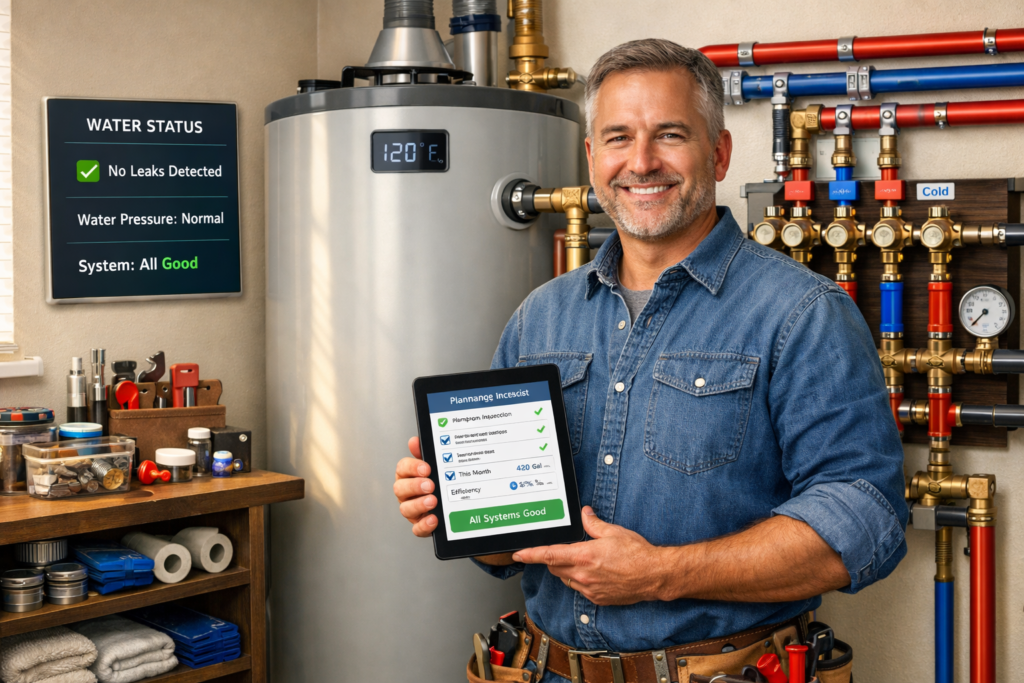
Expensive plumbing repairs can start with simple, easy-to-handle issues that are overlooked or ignored. However, for homeowners who follow preventive maintenance, there are many plumbing problems that can be prevented. Recognizing signs of trouble, making easy fixes and regular maintenance checks can help you keep your home and your wallet safe.
Furthermore, these 15 easy fixes at home don’t require much money and can make a huge difference in the long run. From fixing a leaky faucet, cleaning a showerhead, or checking appliance hoses, every preventive measure helps maintain a healthier, more efficient plumbing system. In the end, staying proactive and preventive will ensure you can keep enjoying your plumbing system for years to come, while avoiding costly surprises down the road.