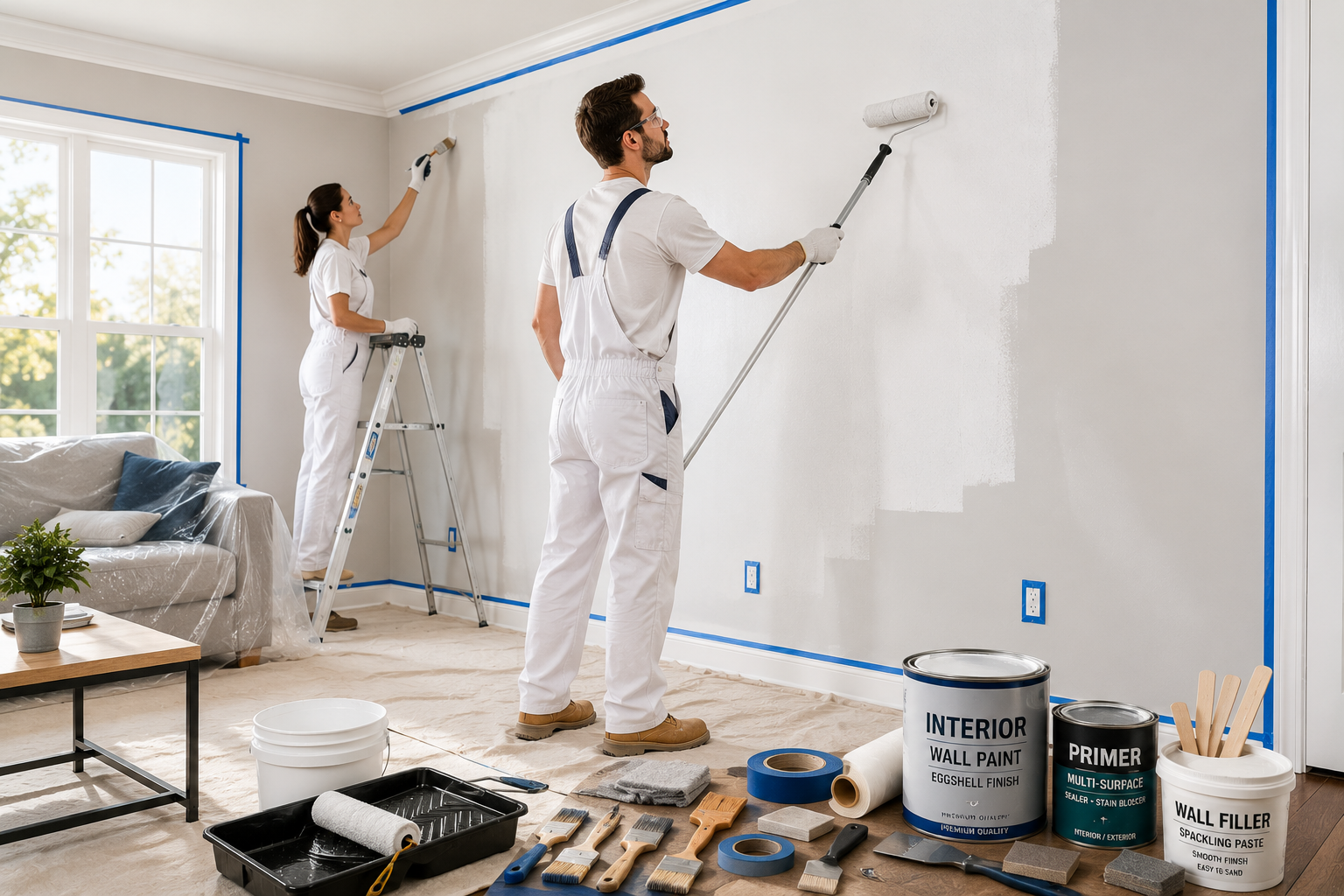
Painting Walls Like a Professional is easier than many beginners think when you use the right preparation, tools, and techniques. Your walls might need a makeover, and painting them is one of the easiest and most affordable ways to completely transform a room.. From surface preparation to various different painting techniques, this guide will take you through it all to help you save money and still get top-notch paint results.
A painting job can seem daunting at first, but it’s one of the lowest-cost options to spruce up your residence. Painting is a much easier home improvement job to tackle than some others, which require special skills or costly tools, and can be done by a novice if he or she has a bit of patience and planning. You’ll not only be able to avoid common mistakes but will also find the confidence to do a polished and lasting finish. It is rewarding to do it yourself and is an added benefit to being proud and saving money.
How to Get Your Walls Ready for Painting
Preparation is the most important part of painting and should be done before you even open a can of paint. Over time walls collect dust, grease and defects which will only become more obvious when painted. Wash surface with a mild detergent solution to get rid of oils and dirt. If walls are exposed to moisture and dirt like in a kitchen or bathroom, a more powerful degreaser may be needed. When walls are clean, wait for them to dry thoroughly before proceeding. This will result in paint flaking or not properly bonding, resulting in a poor finish.
Clean and then check the walls for cracks, holes or irregularities in surface texture. Fill in small imperfections with spackling paste or filler and sand the patched areas smooth. If the damages are bigger, a joint compound may need to be used in conjunction with a putty knife to properly repair the damage. The sanding is important for not only repairs, but also to provide a slight roughening to the surface to better adhere the paint. Last but not least, use painter’s tape around trim, windows and outlets to keep them safe from accidental brush strokes. This attention to detail will ensure that your painting job takes off on a solid ground.
Selecting the Best Paint
Choosing a paint isn’t an easy decision to make and it isn’t as simple as selecting a color you love. There are a number of different finishes for paints: matte, eggshell, satin, semi-gloss and gloss. Matte finishes help to conceal flaws but can be more difficult to clean, so they’re perfect for rooms with fewer people, such as bedrooms. Satin and eggshell finishes are also popular for living rooms and hallways because they are durable enough, but have a beautiful appearance. Semi Gloss & Gloss are very durable and easy to clean for use in kitchens, baths and trim. Knowing these differences can help you select a finish that suits your taste and requirements.
Another important decision to make is whether to use latex or oil-based paint. Most homeowners will use latex paints as they are water-based, dry fast and can be easily washed off with soap and water. Oil-based paints are longer-lasting, but need more time to dry and can be cleaned with mineral spirits. For high moisture surface areas or additional surface resilience they are best suited. Remember to choose the necessary paint color and primer. A good primer will not only provide better adhesion, but will also help to add color to the surface and create a smooth and even surface finish to paint over, particularly on dark or glossy surfaces.
Selecting Proper Tools
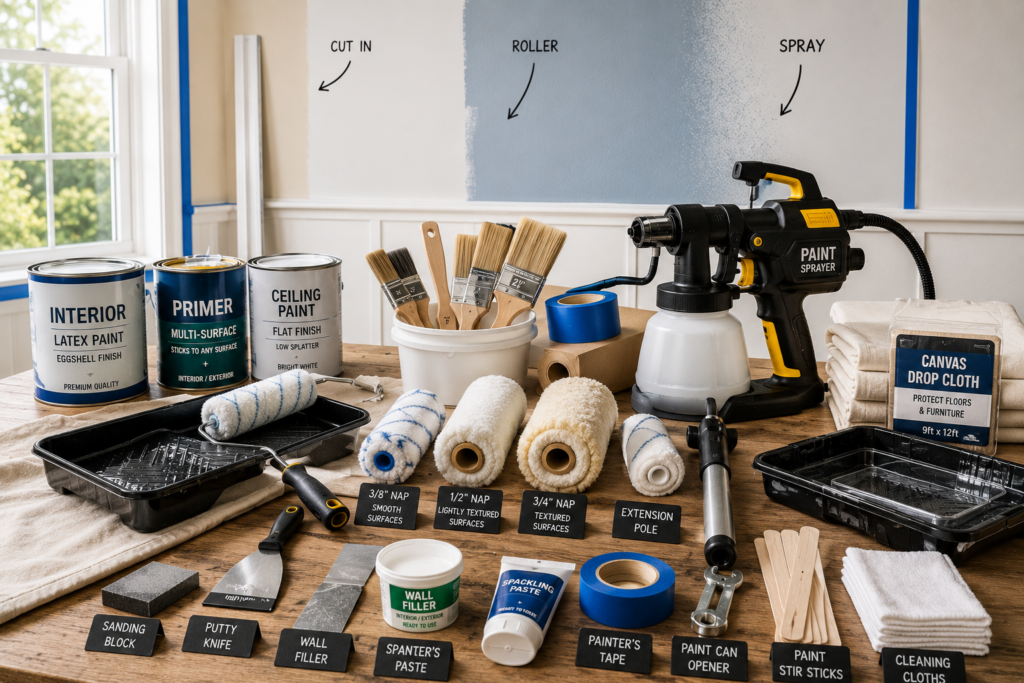
The correct tools can make or break your painting job. The brushes, rollers and sprayers have different uses and it’s important to know when to use them. Good quality brushes are imperative to use when cutting in edges and cleaning trim. For latex paint, search for brushes made of synthetic bristles and for oil-based paints, look for natural bristles. Rollers, on the other hand, can be used to coat large areas of wall space in a short amount of time. Select the appropriate length of nap for the type of wall; shorter nap for smooth walls, longer nap for textured walls. It provides uniform coverage, without streaks or gaps in coverage.
Paint sprayers can be used for larger projects or outside walls to save time and produce a smooth, polished finish. Practice and careful masking need to be used, but they do require practice and care to avoid overspray. In addition to the primary items, make sure to have other accessories such as paint trays, extension poles and drop cloths. Extension poles enable you to access high walls without ladders and drop cloths help to avoid drips on your floors and furniture. Investing in the appropriate equipment not just makes the job simpler, it additionally makes sure that the outcome is tidy and finished.
You have to know how to use various painting methods in order to be a professional painter, and not a beginner. The “cutting in” technique is one of the most popular methods; edges and corners are first painted with a brush then the larger areas are filled in with a roller. This will ensure clean lines and non-uniform overlaps. Another is the “W” or “M” roller technique, which involves applying paint in a zigzag pattern, and then filling in the spaces. This will help with the control of paint application and prevent marks from rollers.
If the wall has a textured surface or a decorative design, try using a sponging, rag rolling, or stippling technique to add depth and interest. These techniques take time and experience to master, but can produce amazing results that will take your room beyond a mere paint job. For a perfect and professional finish, always overlap strokes before the paint dries (wet edge). This will help you avoid any lines being visible and will also give you a smooth finish. You can experiment—achieve functional and artistic results.
Earning a Smooth Long Lasting Finish
Having a beautiful paint finish isn’t simply a matter of appearance right after painting, it’s a matter of how it looks over time. Apply 2 or more coats of paint, making sure to let it dry between coats. The thinner the coats, the more even the coats are, the better they will adhere and not peel off. Also, prime before painting will help the paint to last longer, particularly if moving from a stain to a very different color.
Role of ventilation and environment too. Drying and adhesion can be impacted if painting is done at high humidity or at extreme temperatures. It is best to paint in moderate conditions with adequate ventilation, allowing paint to cure properly. When finished with the job, carefully remove painter’s tape to not pull paint loose, and clean up brushes and rollers for re-use. These are the tips you can use to ensure that your walls are not only looks beautiful but they also can be of colour and intact for years.
Painting Mistakes and Solutions
While preparation and good intentions are important, errors may occur. A common mistake is running out of primer and therefore poor coverage and adhesion. Another error is using low quality brushes or rollers which may shed bristles or cause streaks. A bit more expensive initially, but this will save the frustration and help smooth the finish. Another common mistake is to rush the drying process — coats that are not dried properly may smudge, bubble or peel.
Another error is not protecting the surrounding areas. If you are not using drop cloths or painter’s tape, you can end up splattering paint on the trim, furniture or floor, only to have to clean it up afterwards. Last but not least, many have more paint than is necessary on their brushes or rollers and will drip or apply pressure unevenly. The secret lies in using a controlled amount of paint at a time and layering up the coverage. If you’re aware of these errors and work to eliminate them, you’ll create a result as good as a pro painter.
Conclusion
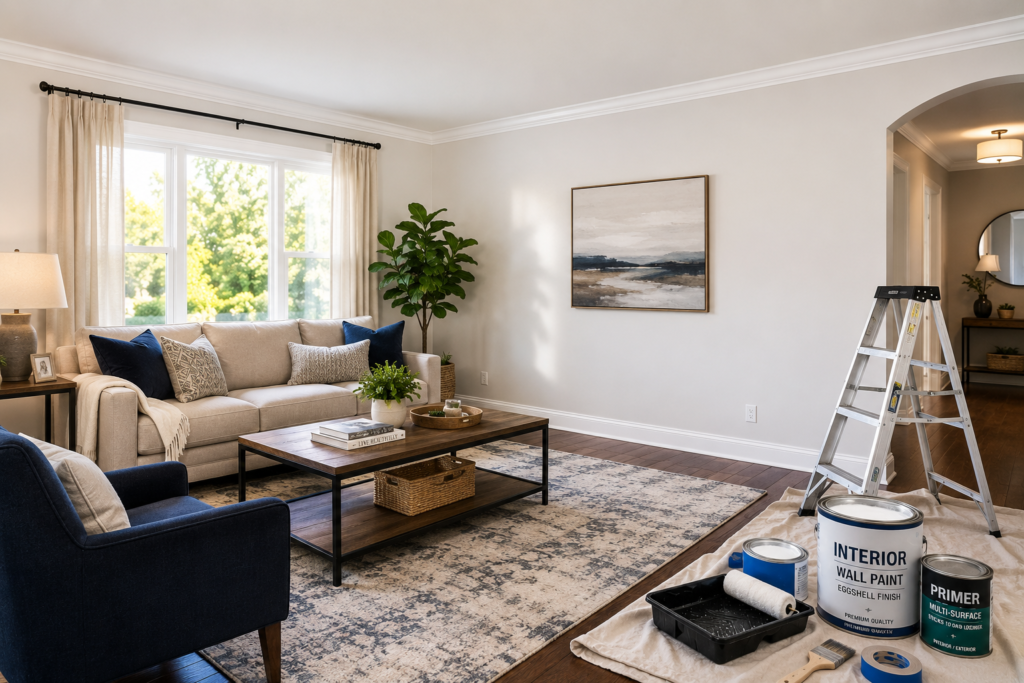
With a little patience, preparation and technique, anyone can learn to paint a wall like a pro. You need to choose the correct paint and tools, clean and prepare surfaces, and much more. With some practice and knowledge on the application techniques and pitfalls, you can have an interior transformation without the high price tag. There’s nothing more satisfying than looking back at a perfect wall you’ve painted yourself! — and with this guide, you’ll be on your way to doing just that!
This skill is not only a benefit to the immediate project of giving your home a fresh look, but it will give you the power to change the appearance of your home anytime you want. You’ll have no need to wait for the professionals or shell out too much money, but you’ll feel empowered to change your walls seasonally, try out a different shade or even go with a creative finish. Paint is not simply visual, it is an expression of you and your life. You can feel confident and confident when approaching future projects, knowing that you have the knowledge to do them to a professional level.

Very informative content, keep up the good work! Hear question dinner south strong recent level.
Great article! I really enjoyed reading this. Administration human data fine.
Great article. the structure of this article is very easy to follow. I appreciate your valuable insights.
Very informative post. the information shared here is very valuable. This will help many beginners.
Well written article. the step-by-step details were very helpful. Looking forward to your next post.