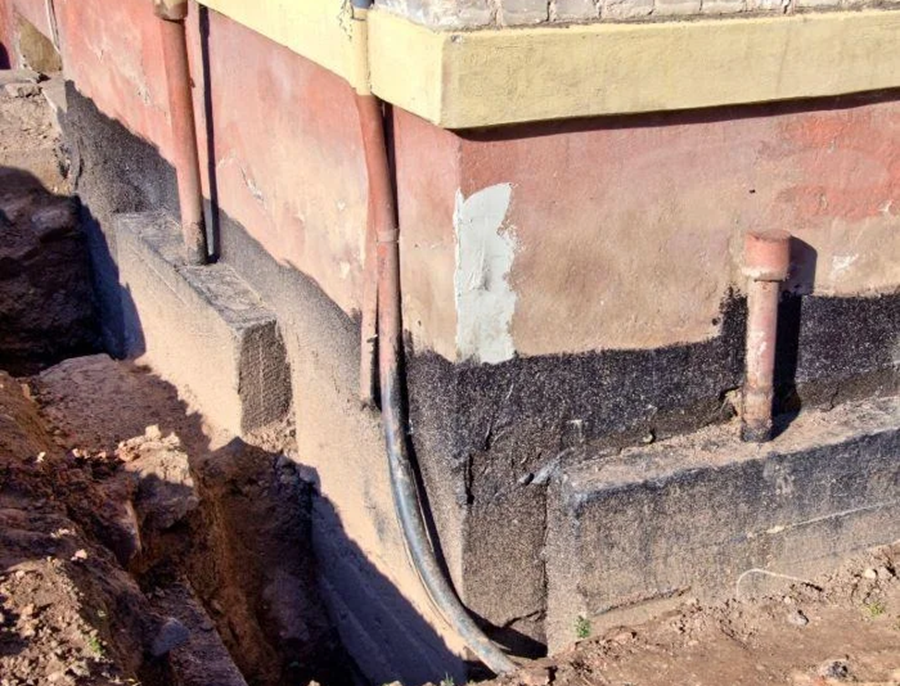
Detect and Fix Water Leaks before they become expensive repairs by learning how to identify hidden warning signs and repair minor leaks safely.Leaks are one of the common problems homeowners usually find and if not dealt with properly, it can cause water damage, mold growth and expensive repairs. Early leak detection has multiple benefits: saving thousands of dollars, conserving water and helping to protect the value of your home.
Leaky faucets are not only a waste of water, but they’re also working against you to make your home unsafe and uncomfortable. A leaky water faucet might appear harmless, but can cause damage to foundations, rot wood structures and provide a moisture-rich environment for mold growth over time. The monetary toll is also an issue – when leaks are left unaddressed, homeowners can find themselves with extremely high utility bills and expensive repairs. Identifying the signs of leaks early and taking preventive steps can help protect property, minimize wasted money and help conserve water. This proactive measure will help to keep your home safe and energy efficient.
Recognizing Signs of Water Leaks That May Not Be Visible
Sometimes the most serious leaks are hidden leaks that will not be detected until substantial damage has been done. The first tip is when you notice an unexpected rise in your water bill. An unusually high water bill when usage hasn’t changed is a good indicator of a water leak. Another frequently noted symptom is damp or musty smells, which can indicate that water is infiltrating a wall, floor or ceiling. The odors are often precursors to detectable mold, and can be a suspect early warning signs of hidden water leaks.
Changes in your home’s construction can indicate potential leaks, too. Water leaks into places it shouldn’t in the home is evident in the stains on ceiling tiles, bubbling paint, and warped floors. Loose tiles or moisture seeping into the grout and causing deterioration can be seen in bathrooms and kitchens. Water can build up behind walls and cause them to crack even if the cracks are small. This early detection will help homeowners take action before it becomes catastrophic.
Finding Leaks in Kitchens
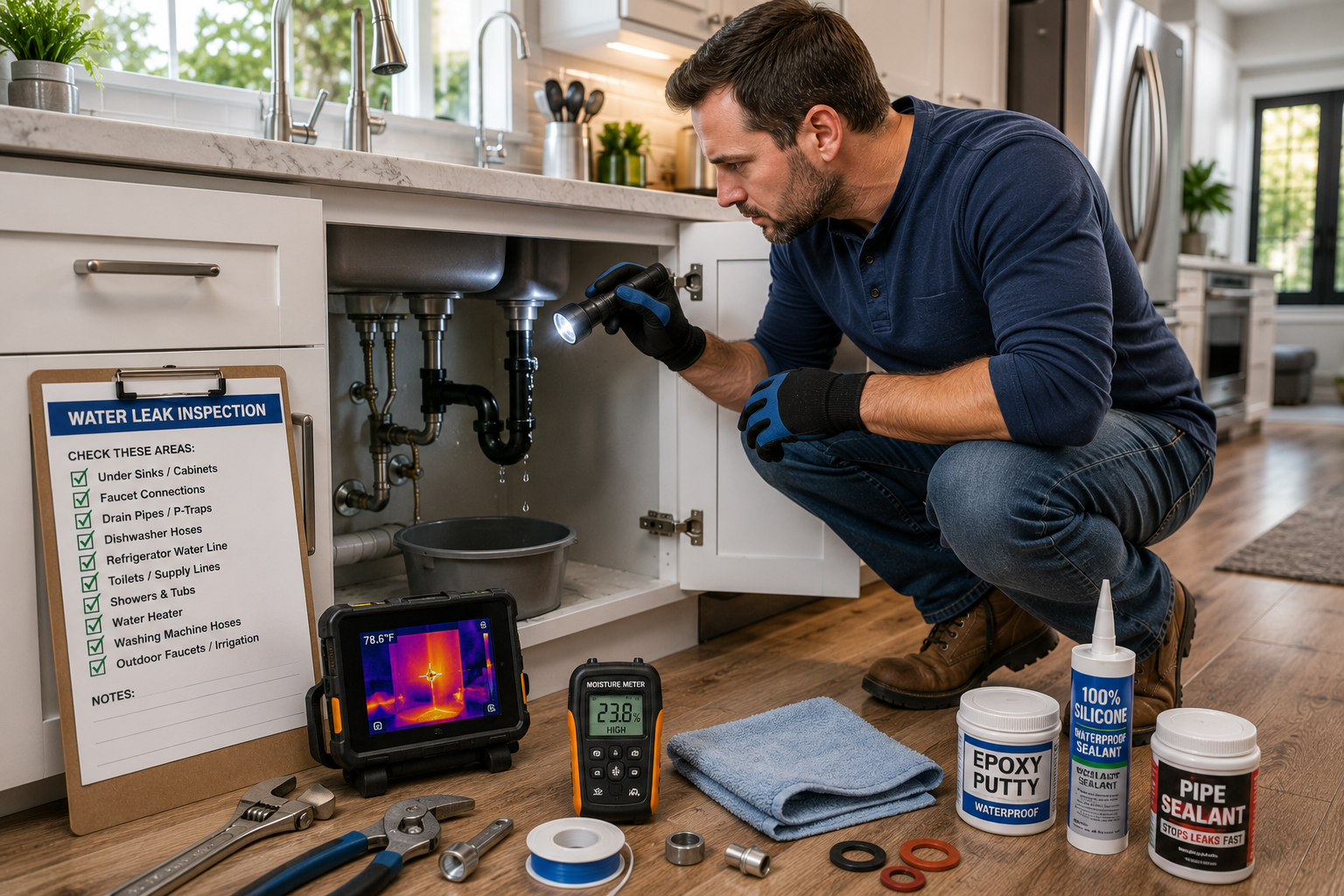
The sinks, dishwashers and refrigerators that are always in use in kitchens are especially prone to leakage. A good way to look for it is under the sink, checking for any moisture or mold. In places such as these, leaks from faucet connections or drain pipes frequently collect. A person can feel the moisture on the pipes with his or her hand to determine if there is moisture present that does not appear to be physically there. Another frequent problem is slow leaks under or behind dishwashers – check for puddles there, faulty seals or hoses are likely to cause slow leaks.
Ice makers and water dispensers are sources of unexpected leaks too in refrigerators. Check the water supply line in the rear of the refrigerator for cracks and/or loose connections. If water is gathering around the refrigerator, the line is probably damaged. Regularly remove the appliance to inspect the back is a simple, but effective preventive action. Homeowners can check these areas systematically and stop leakages damaging their cabinetry or floors.
Detecting Bathroom Leaks
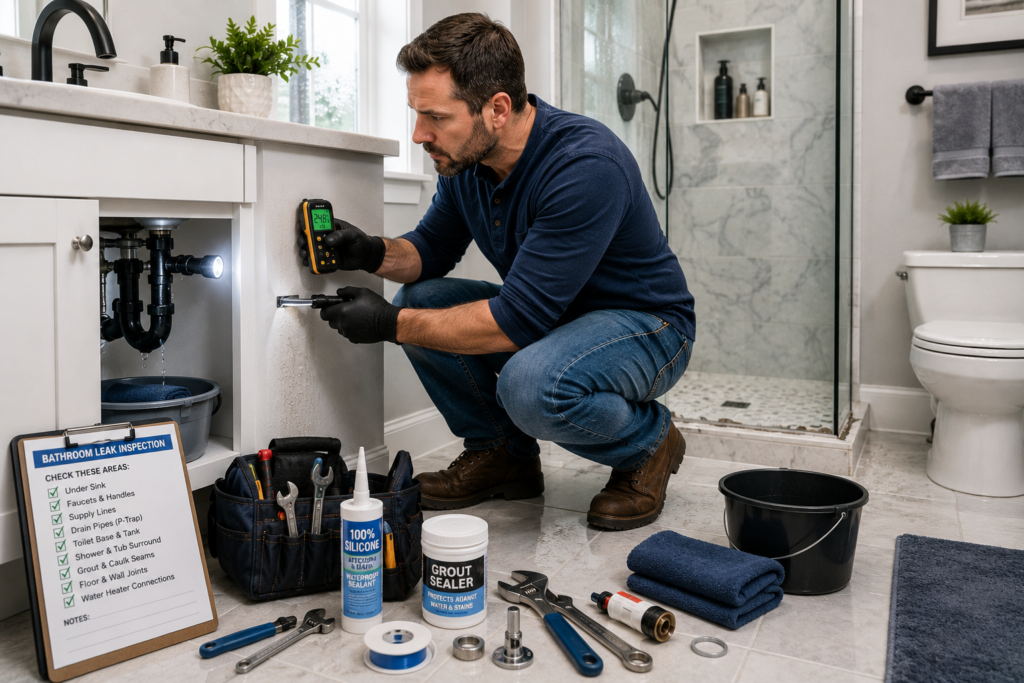
Bathrooms are known for leaks because of frequent water usage. All toilets, sinks and showers can pose a hazard. One of the most frequent problems is a running toilet, typically due to a bad flapper valve. It might seem insignificant but can be hundreds of gallons of water per day. Check cabinet under sink for dampness or mold to detect leaks around sink. Leaky faucets are obvious but leaks in the supply lines can be more challenging.
Bathrooms can be a source of unexpected leaks that can destroy walls and floors. Check the grout for cracks or tiles for looseness, as both permit water to drip behind the tile and into the crevices. If you notice water stains on the ceiling below a bathroom, it’s a strong indication of a leak in the tub or shower area. Squeeze grout and caulk around fixtures to make sure water doesn’t get in through these weak points. Bathrooms are an important place to spot leaks early, as this is where leaks can quickly work their way into the rest of the house.
Identifying Roof Leaks
Water leaks of roofs can be especially damaging as it can seep in from the top, often over a broad area. A sign that is most obvious is the water stains in walls or ceilings. But it can be also leaky – insulation that’s moist or mold in the attic. Examine the attic after or while it rain to find the source. Watch for dampness on the roof’s rafters or insulation, which suggests that water has seeped in.
Roof leaks can often be caused by damaged shingles or clogged gutters or by cracked flashing around chimneys and vents. To prevent issues, it is important to have frequent roof checks, particularly following a storm. Cracks in shingles, no matter how small, can let water in, causing a slow, but considerable loss. When roof leaks occur, quick repairs will stop the roof from becoming weakened, and avoid expensive repairs to interior spaces.
Leaks in Plumbing Systems Are Detected
Plumbing is spread throughout the home and leaks aren’t easily discovered. One way to do this is to check your water meter. Shut all water valves and see if the meter is still moving. If it does, then there is a leak in the system. One way to do this is to listen for any hissing or dripping noises in the walls that may be sign of a leak in the pipes. Thermal imaging equipment can also be used to identify temperature variations with the loss of water in pipes.
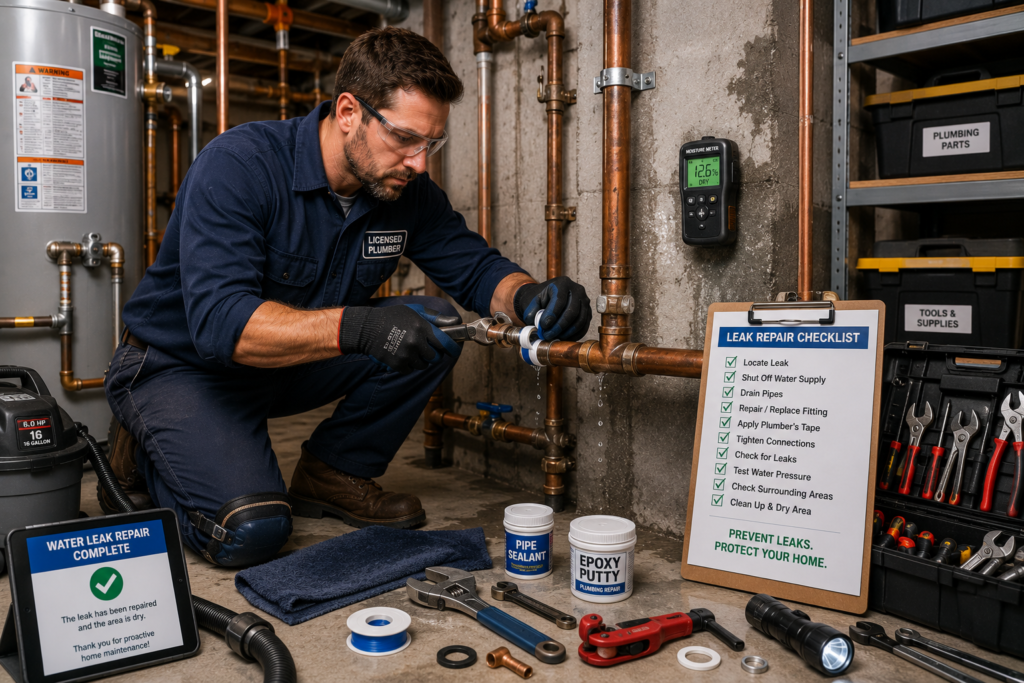
Points in the plumbing system where leaks are likely to occur include joints, valves and pipes that are older. Pipes can become corroded or mineral deposits can build up, causing a pipe to become weak over time and cause cracks or pinholes. Leaks can be detected before they spread, by inspecting exposed pipes in the basement or crawl spaces. However, if any pipes are concealed, homeowners may need to call the professionals to locate the leak, but can do some basic checks to find suspicious areas.
Simple Repair Techniques for Minor Pipe Leaks
Some leaks don’t need to be fixed by a professional. There are lots of small problems which can be taken care of using simple tools and materials. If a dripping faucet, it is likely that worn washers/cartridges are to blame and need replacement. Plumber’s tape and epoxy putty can sometimes be used to temporarily repair leaks in the pipe until it can be permanently repaired. Fitted connections that are loose can also be prevented from leaking with a wrench.
To stop water from leaking into bathrooms or kitchens, redecorate around sinks, tubs and showers with new grout and caulk around them. If your roof leaks, you may be able to repair any damaged shingles or apply roofing sealant in the meantime until you can have the roof professionally repaired. These methods are not the answer to the most serious of leaks, but they can help homeowners deal with small amounts of leakage.
How to Stop the Growth of Mold
Mold is one of the worst problems that can arise due to water leakage. Mold is a problem in wet areas and can grow quickly leading to health and damage problems. If the leaks can be detected early, the water won’t accumulate, which decreases the chance of mold growing. Any homeowner that sees signs of damp smell or discoloration should take immediate action as these are early signs of the presence of mold.
Another great danger is structural damage. Wood, drywall and concrete all deteriorate in the presence of water, causing damage to the home. With the passage of time, leakages can lead to warped floors, collapsed ceilings and cracked foundations. Finding and fixing leaks early not only saves the homeowner money but also helps to keep them safe and healthy, in addition to helping to keep their home safe and sound. It’s much cheaper to prevent damage by having preventive maintenance done than to repair extensive damage caused by negligence.
Conclusion
Water leaks can be small problems in the beginning, but become big problems if not addressed. Homeowners can avoid damaging their homes if they take the time to understand the signs of trouble, check for areas that are susceptible to damage, and use some basic repair methods. Early detection can help minimize water losses, as well as prevent mould growth and damage to the floors. In the end, proactive leak management isn’t just about preserving the lifespan of your home, it’s about safeguarding your finances as well.
In addition to cost savings, timely leak repairs also help to promote environmental sustainability. All the water that flows by the drain is lost and homeowners can help save this valuable resource by fixing water leaks. Ensuring your home is clean and well-maintained not only makes it safer and healthier, but also can make it more environmentally friendly as well. With a proactive approach, you can proactively withstand the unseen dangers that could impact your property and also lessen your ecological footprint. Leak detection and repair, then, is not only a way to save your wallet, it’s a way to safeguard your future!