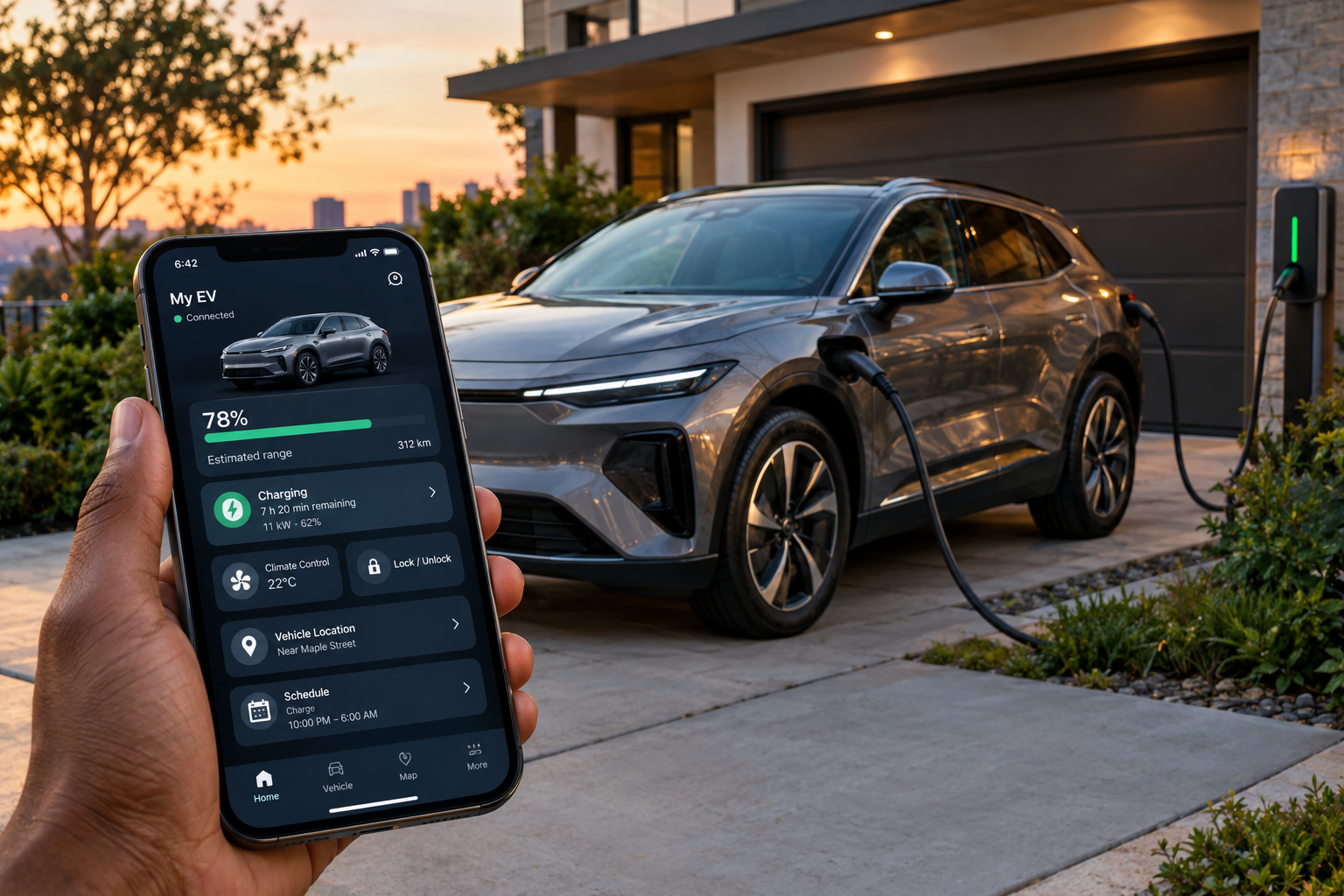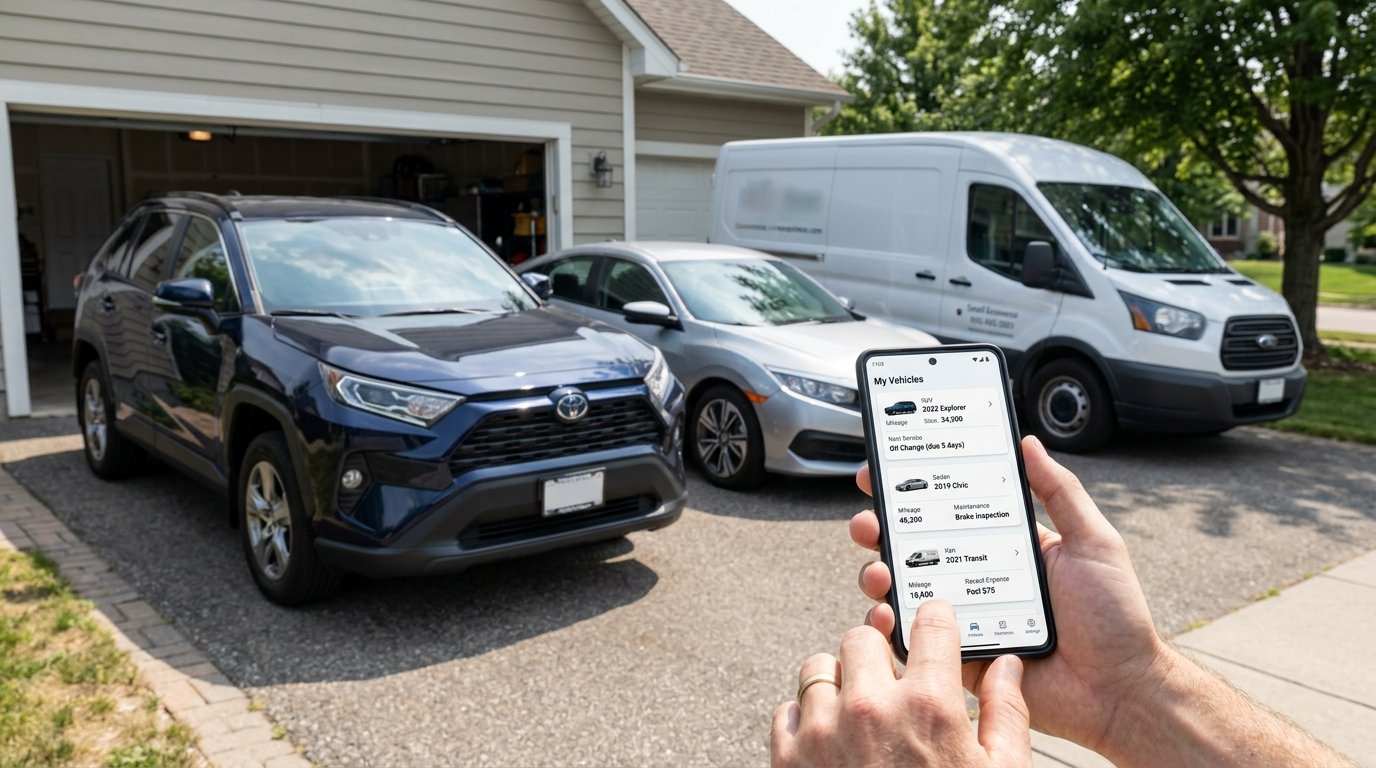
Multiple vehicle management apps make it easier to organise vehicle maintenance schedules, vehicle repair receipts, mileage records, and expenses when they are kept in different locations. Families can have various cars that need different services, businesses can own multiple company cars, and collectors can have various cars that need individual maintenance records. Paper records or memory may cause you to overlook repairs or services.
Centralized vehicle management apps are an easier means to organize this information. These applications let you create profiles for each vehicle and maintain histories of vehicle maintenance, distances travelled, costs, and service alerts, all connected. Users can effortlessly access the vehicle’s condition and maintenance history without having to go through receipts and spreadsheets.
Multiple Vehicle Owners Means Multiple Drivers to Track
It’s not very difficult to manage one car, but it becomes more difficult if multiple cars have varying mileage and maintenance needs. Sometimes an oil change may be needed for one car and a routine check-up or tire service for another. Each vehicle is driven differently, and a blanket schedule might mean you miss maintenance or get unnecessary services.
A vehicle tracking app is the answer to this problem because it maintains all the information for each vehicle separately. Users can easily switch between vehicles, view the vehicle service record, current mileage, upcoming maintenance, and expenses. This will make your organisation much easier and minimise the chance of losing records from one car to another.
Key Attributes of Multiple Vehicle Management Apps
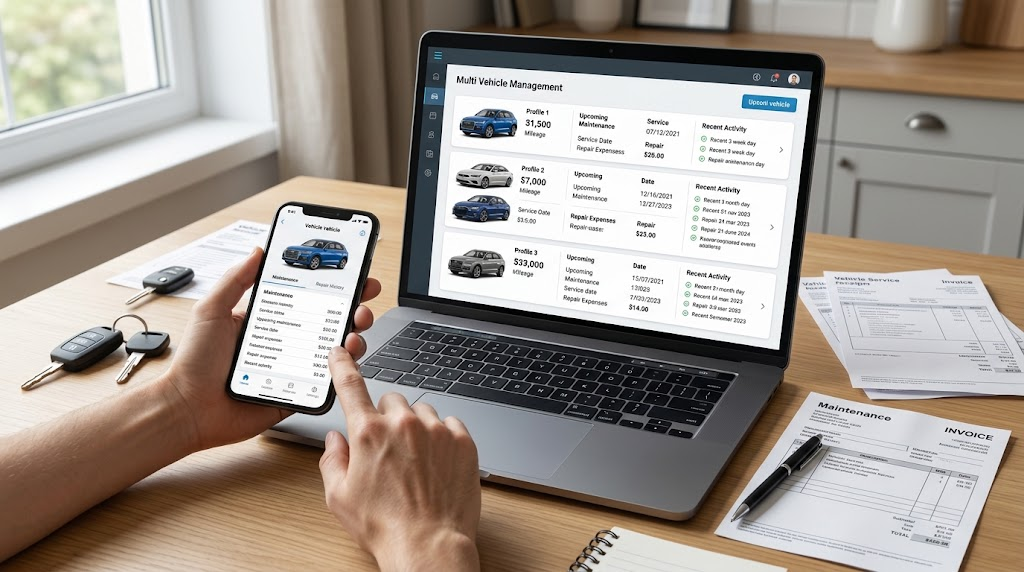
The most significant feature is that you can add and manage multiple vehicles individually. A profile should be made for each vehicle with data including the make, model, year, mileage, maintenance records, and repair records. This means accurate service recording without the risk of service data from the wrong vehicle being recorded.
It is also important that maintenance reminders, expense tracking, mileage records, and easy-to-read reports are all present and available in good apps. An informative dashboard can provide advance information about upcoming services and recent activity in multiple vehicles. Cloud sync and data backup may prove useful for users desiring to access their records from a diverse set of devices.
Drivvo: A Great Vehicle Expenses and Upkeep Records Application
Different Profiles for Different Vehicles
Drivvo is very beneficial for people who would like to arrange upkeep, expenses, mileage, and fuel records for their vehicles. Separate profiles will help you to understand the history of each car. Families can follow multiple vehicles, and owners can view the details without having to filter through irrelevant data.
These records can provide valuable insights when analysed over time. One car that has costly repairs often may not be as cost-effective to operate, while another may be more cost-effective. Having it all on a digital platform means it is easier to make decisions based on what’s written in the books.
Tracking Maintenance and Operating Costs
When it comes to owning a vehicle, there is more involved than fuel costs. Repairs, replacement parts, tire changes, maintenance, registration, and other fees can mount up very fast. These costs are recorded under the profile of each vehicle, which helps users know the exact operating cost of each vehicle.
Reminders for maintenance can also help avoid forgetting critical services. Depending on the features, users can set up reminders by mileage or date. This can be particularly beneficial in situations where vehicles are used for varying distances and thus require maintenance at different times.
Simply Auto: An Easy-to-Use Tool for Tracking Your Mileage and Expenses
Simply Auto is a program that allows people to record relevant data like mileage, trips, fuel usage, and expenditure. For families and businesses with multiple vehicles, mileage tracking can help to give a better understanding of just how often each one is being used.
Proper mileage tracking also helps with improved maintenance scheduling. Some services rely on vehicle mileage, and by keeping the vehicle’s mileage up to date, users can be more aware of when the vehicle might need maintenance. This is easier than recalling the last time a specific vehicle was serviced.
When paired with mileage information, expense details can be even more helpful. Users are able to make comparisons of the running costs of different vehicles and detect any unusual costs. One company might find one vehicle is getting more costly, while a family might find that one car is more affordable for day-to-day driving.
Fuel Tracking Apps for Multiple Cars
Fuel tracking apps may be helpful for individuals who would like to keep track of fuel usage throughout a number of vehicles. Depending on the types of vehicles, driving conditions, distance driven, and vehicle maintenance condition, the cost of fuel can change dramatically. Separate fuel records will help users to know the efficiency of each vehicle.
Fuel records can also indicate performance trends when used over a period of time. Increased fuel usage may lead the owner to seek more information about the possibility of maintenance problems. Fuel tracking is effective if paired with a maintenance and repair history in a larger vehicle management system.
Business Fleet Management Apps
Centralised Management of Company Vehicles
For businesses that have multiple cars, vans, or trucks, more advanced tools may be necessary. Fleet management apps can be useful for consolidating maintenance schedules, mileage, costs, inspections, and other critical information. Managers can access information from one consolidated system rather than having to keep individual files for each vehicle.
Centralised management can also help to enhance accountability. For employees, it enables them to report issues with the vehicle; for managers, it allows them to keep track of the services that are coming and what has already been done. This ensures that enterprises have more precise records and minimises the likelihood of losing vital information.
Reducing Vehicle Downtime
Unexpected repairs can interrupt business operations, particularly when vehicles are required for deliveries or daily operations. With maintenance tracking, managers can make sure that routine maintenance is done while issues are less severe. While no single app can address all mechanical problems, a planned maintenance system can minimise unnecessary problems.
Repair records can also be helpful in determining if a car is too costly to service. If it has been repaired several times, it may be becoming more cost-effective to replace the item. When it comes to long-term decisions, accurate records provide businesses with better information to choose from.
Family Vehicle Management Apps
If you have several cars, it’s nice to have all the information in one place. Family members may drive different cars, and each car may require different maintenance. It is easier to monitor and keep track of what has been done and what remains to be addressed with a shared digital system.
These records can also enhance family budgeting. Users will be able to view the most expensive cars to run, maintain, and repair. The information can assist families when they are ready to make a vehicle replacement or transportation budget change.
Apps for Car Collectors
Car collectors can encounter special maintenance problems, as some cars may not be driven frequently. Even if a classic car sits in your driveway for extended periods, there are various things that need to be done. There are more things that need to be done when the classic car sits in your driveway for extended periods of time.
Digital records can also maintain records of restoration work and major repairs for collectors. You can document replacement parts, workshop visits, service dates, and costs, which will provide a detailed ownership history. This is easier than attempting to keep track of years of receipts and handwritten notes.
The initial phase is to develop precise profiles for each vehicle. Users will need to input all of the correct basic information and current mileage before entering maintenance schedules. Recent services and major repairs, where information is available, should also be noted.
Once set up, it is essential to maintain consistency. All vehicle expenses, such as oil changes, repairs, inspections, etc., should be entered whenever possible. The date, mileage, description of the service performed, and expense information allow a reliable history to be formed that becomes more valuable as time goes on.
Selecting the Correct App for a Specific Need
The most appropriate app is determined by the number of vehicles to be tracked and the type of information to be tracked. Some families might want to keep a basic maintenance and expense log, while a collector may need to have detailed service histories. For businesses, they might need multiple vehicles and centralised dashboards and reporting capabilities.
Users should go through the process of determining what their biggest organizational challenge is before selecting an app. A person who has forgotten the service dates should make sure they have maintenance reminders, and someone who is worried about cost should focus on having good expense reporting. Using the app that suits the functional need helps to keep the system simple and consistent.
Conclusion

You don’t need to be bogged down in a lot of receipts, notebooks, and complicated spreadsheets when managing multiple vehicles. Today’s vehicle management applications can manage your vehicle maintenance schedules, mileage, repair history, and costs from a single place. This allows each vehicle to have its own profile, enabling users to keep all records accurate while having an overview of their vehicles.
Tracking becomes easier for families, businesses, collectors, and those who have more than one vehicle. Regular updates to vehicle records ensure that users can keep track of their vehicles’ services and costs, and track issues that keep recurring over time, making them better equipped to make decisions about their vehicles and services.