Introduction
Lexus Hybrid Technology combines a gas engine with electric motors, a high voltage battery and regenerative braking to improve fuel efficiency without requiring the driver to plug the car in. The system automatically determines what type of power to use at any given time between gas and electric or a combination of both. Lexus hybrids excel in city driving where frequent braking and acceleration recovers and recycles energy for maximum efficiency.
For consumers the main questions put forth are related to fuel efficiency, battery life, performance, dependability, and long term costs. For years Lexus has been at it with hybrid cars and their tech is now in a range of sedans and SUVs. By which I mean that which runs the system is important to determine if a Lexus hybrid is in fact a better buy than the non-hybrid version.
How Lexus Hybrid Systems Work
Combining Gasoline and Electric Power
A Toyota which charges itself has a gas engine, electric motor generators, a high voltage battery, and electronic controls which work as a team. At low speeds and during light acceleration the car may use only electric power while the gas engine is off. When more power is required the gas engine turns on to work with the electric motors. At higher speeds the system may switch to the gas engine when that is the better option.
The system is in constant motion to adapt which includes speed, acceleration, battery charge, and road conditions. Out of the picture is the driver in terms of which power source to use, electric or gasoline. Lexus’ hybrid systems are designed for a seamless experience which also sees to it that fuel is not wasted which in turn makes the technology very much like that of a traditional automatic car.
Regenerative Braking
In the mix of things that make up Lexus hybrid tech, regenerative braking is a key element. As the car slows down the electric motor also functions as a generator which in turn takes the vehicle’s kinetic energy and turns it into electrical energy. That energy is then put into the high voltage battery and used at a later time to help out the electric motor.
This process sees less energy waste as compared to that of a traditional vehicle that has the majority of its energy from breaking turning into heat via friction brakes. Also it does very well in city traffic because of the many stops which in turn give many chances to recoup energy. Thus Lexus hybrids put forth best efficiency in urban and stop and go driving.
Lexus Hybrid Battery Longevity

How Long Does the Battery Last?
Hybrid batteries are made for many charge and discharge cycles and also the vehicle’s computer systems control what is the battery’s operating range. Typically the battery is not brought to full charge or fully discharged during normal operation. Instead the hybrid system is run to maintain charge levels which in turn supports efficiency and also protects the battery.
Lexus also put out extensive hybrid battery warranties in some markets. In the U.S. for instance Lexus extended the hybrid battery warranty for certain 2020 model year vehicles to 10 years or 150,000 miles whichever comes first. Terms of the warranty vary by country, model, and model year which is why buyers should research what is available in their market.
Should Buyers Worry About Battery Replacement?
A hybrid battery is a good option when shopping for a preowned Lexus but do not assume that you will need to replace it after just a few years. What you may see is a gradual change in the battery’s health which in turn affects the performance of the car’s hybrid system, which may go on for some time.
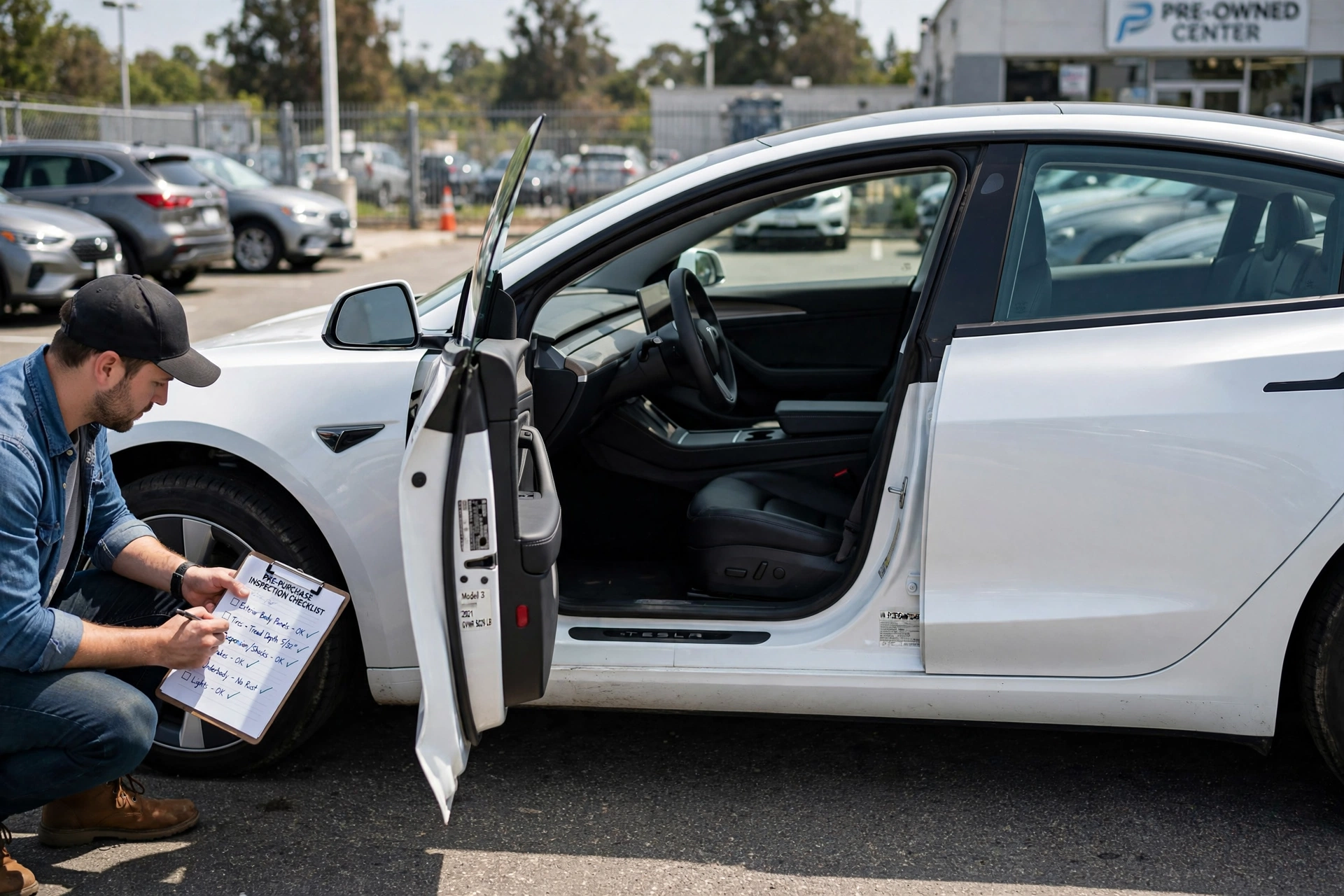
Used car buyers it is recommended you check the vehicle’s maintenance records and have the hybrid system looked at by a qualified technician. Also note that battery condition, warranty coverage, mileage, and service history are better indicators of risk than it is to assume that all older hybrids require a new battery.
Lexus Hybrid vs Gasoline Models’ Fuel Economy.
Where Hybrids Have the Biggest Advantage
Lexus hybrid vehicles mostly see the greatest fuel savings in the city. They have electric motors which aid in acceleration, the gas engine can turn off at which point it is not needed, and also we see recovery of energy via regen braking when the car is putting on the brakes. In traffic which is typical of what you find in a city, i.e. stop and go, these features play to the hybrid’s strength.
Highway driving may see less difference because of lower amounts of regenerative braking and electric operation. Also some Lexus hybrids still will benefit in terms of fuel efficiency with their advanced gas engines and electric systems. In reality fuel economy is also based out of your driving style, traffic, weather, what you are carrying in the car and tire pressure which also play a role.
Lexus Hybrid Performance
Smooth and Responsive Power
Hybrid systems do not equate to poor performance. Electric motors in hybrids report high torque at low RPM which in turn makes for quick response during take off. The gas engine steps in when more power is required. At Lexus they aim for a smooth ride, quiet operation and easy acceleration which sometimes comes at the cost of that sports car feel.
Some reports may note that hybrid acceleration is a different experience from what they are used to with a traditional automatic which our car does by not shifting through as many gears. Although at first it may take some time to get used to, this feature is a component of the smooth ride Lexus is known for.
Hybrid vs. Gasoline Performance
A hybrid does not always outperform its gas counterpart. Hybrid components add weight, also the electric motors present more power and torque. In the end it depends on the model and powertrain. Some Lexus hybrids put fuel efficiency first, others use electrification for better performance.
For the average consumer what we see is that which does not change at high speeds or from 0 to 60 isn’t that much different. What we do see is electric assistance which really improves low speed performance and response, at the same time the gas engine is what gives the car its power on long trips. It is best for buyers to look at the exact hybrid and non-hybrid models of the car they are thinking of buying.
Best Lexus Hybrid Models to Buy

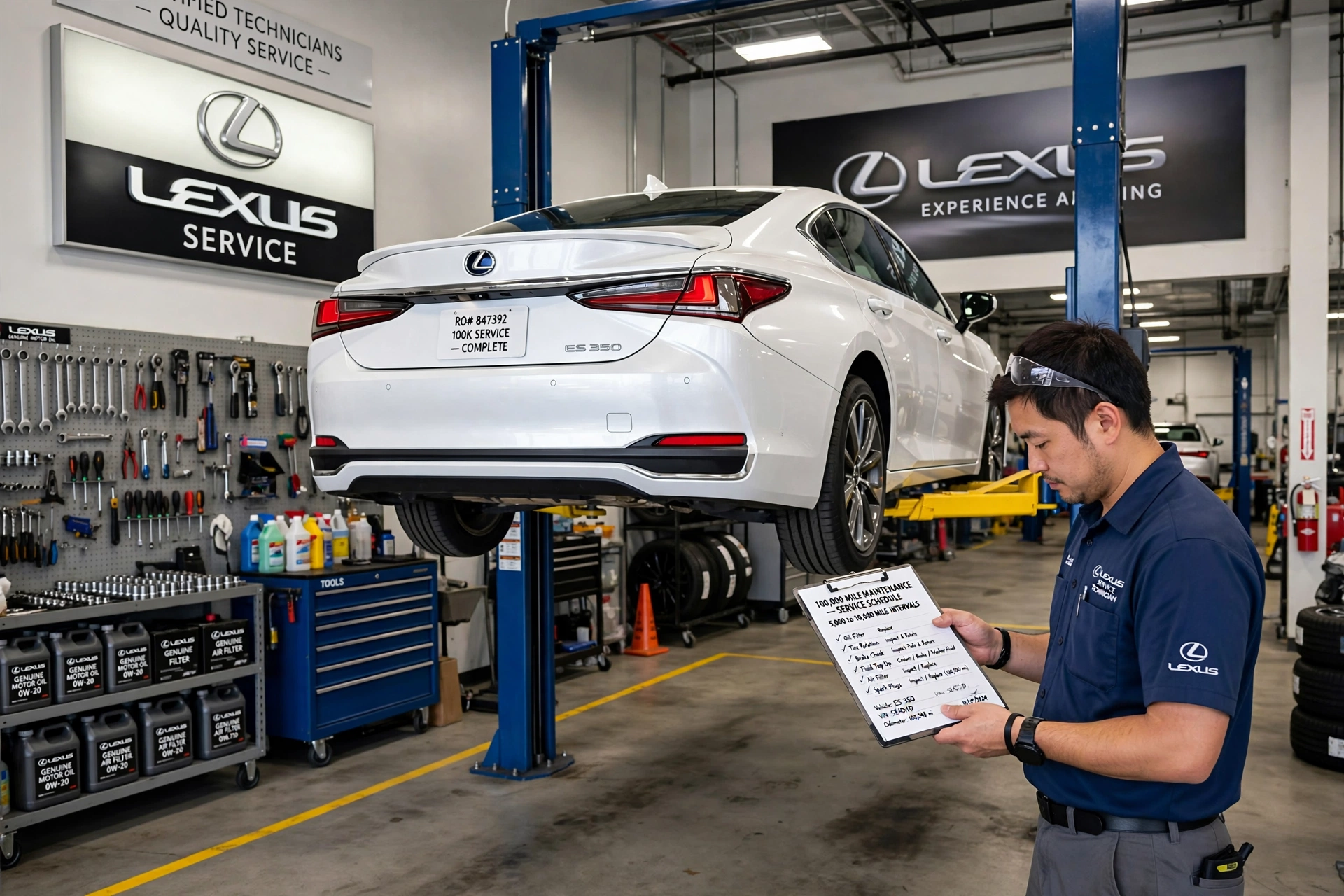
Lexus ES 350h
Lexus has hit the mark with the ES 350h which is what we can put forward for those in the market for a comfortable full size luxury car that also has great fuel economy. In 2026 the ES 350h produces 244 horsepower and will be had in your choice of front wheel or all wheel drive. The front wheel drive version does 46 mpg which is as reported by the EPA in the US.
The ES 350h is very much so for those that are daily commuters and are on the go in heavy traffic. It has a large cabin space and premium features which also present the benefit of fuel efficiency from its hybrid power train, which in turn makes it the best choice for consumers that do not require an SUV.
Lexus NX 350h
Lexus’ NX 350h is the choice for those looking for a compact luxury SUV. It features a raised seating position and better cargo space which in turn gives it an edge over its competitors also it has the performance of a hybrid to fall back on. Also its hybrid system steps in to provide extra electric power during acceleration and also supports all wheel drive in some models.
The NX 350h is a good fit for those that want the space and utility of an SUV but aren’t ready to jump to a larger size. Also it does very well for daily commute, family travel and in the city which is where you see the most benefit out of the hybrid technology.
Lexus RX Hybrid
Lexus has put the RX forward as a great choice for those looking for more space which the NX does not. The RX has been at the forefront of hybrid technology since the introduction of the RX 400h in 2005. Today’s hybrid RX models stick to the same concept which is to combine gas and electric power which in turn improves efficiency and refinement.
Due to the fact that the RX is a larger vehicle than the NX it will tend to use more fuel. At the same time it does still offer great efficiency improvements over a non-hybrid version of a mid size SUV which is true in particular for city driving. Also it is a great option for families that value space, comfort and fuel efficiency.
Common Lexus Hybrid Myths
Myth: Hybrid Batteries Fail Prematurely.
Largely what we see is that people think hybrid batteries have a very short life which is not true at all. What we find is that Lexus hybrid batteries are designed for a lot of charge and discharge cycles and the car’s computer does an excellent job at what it does, which is to control the battery’s use. Also what many buyers do not know is that we have a large amount of experience with hybrid systems which in turn means the technology is much more advanced that which many think.
This is not to say that batteries will last forever. For those of you that have a used Lexus which is hybrid in nature still get under the car and check the hybrid system out and see what your warranty covers. Also do not present battery replacement as a given which will happen in the near term when you are looking at a pre owned hybrid Lexus.
Myth: Hybrid cars are hard to drive.
Also it is a fact that many think hybrid cars require special driving skills. With Lexus hybrids in particular the car does the work of which engine to use, so to speak. The driver doesn’t usually have to pay attention to the gas engine, electric motors, or the battery. The car itself decides which power source to use based on what the road is doing at the time.
Hybrid cars present a different feel which is a result of regenerative braking and hybrid transmission. But most users report that they adapt fast. Also the overall experience is very quiet, smooth and simple.
Lexus Hybrid vs. Gasoline: What is best?
A Toyota hybrid may be the best choice for drivers that put lots of miles on their car and often drive in stop and go traffic also if you are the type to own a car for a long time. Fuel economy improvements will over time help to pay for the higher purchase price and also the electric which is to say the battery assist and brake systems will improve fuel efficiency in urban settings.
A gasoline Lexus may be the choice for those that put a few miles on the car or which mostly use it for highway driving. What works best does also depend on the purchase price difference, annual mileage, fuel prices, maintenance, warranty coverage, and expected horizon of ownership. Thus buyers should look at total ownership cost rather than just the car’s fuel economy.
Conclusion
Lexus has a very mature hybrid system which puts together gas engines, electric motors, regenerative braking, and high voltage batteries to see an improvement in efficiency which does not require external charging. We see it mostly in city driving which is where electric assistance and regenerative braking play out to great effect and waste of energy is reduced. Also Lexus hybrids do very well with smooth acceleration, quiet performance, and very good overall reliability.
For consumers the ES 350h is an excellent option in the sedan class, the NX 350h brings practicality to the compact SUV segment and the RX hybrid does very well with family needs. While a Lexus hybrid may not be the best fit for all, drivers that do a great deal of mileage and are caught in city traffic often see great benefit from the cars’ efficiency. In terms of battery warranty, maintenance, fuel savings, and long term ownership a Lexus hybrid can present a very attractive alternative to a non hybrid model.