The question comes up on almost every small-scale dig. A homeowner planning a pool cutout, a landscaper facing a courtyard renovation, or a plumber tracing a broken line under a driveway all wonder the same thing. Is this really the moment to bring in a machine, or should the crew stick with shovels and a pickaxe? The honest answer depends on scope, access, ground type, and finish requirements, but for a growing share of jobs the calculation tips toward compact hydraulic power.
This article works through the decision from the buyer’s or renter’s perspective. It weighs when a mini excavator is genuinely the right tool, when a smaller alternative is smarter, and what to look for when spec sheets start to blur together. The aim is a clear-eyed view rather than a sales pitch, so you can walk onto the next tight-access site knowing exactly whether a compact digger belongs there.
What Counts as a Mini Excavator Today
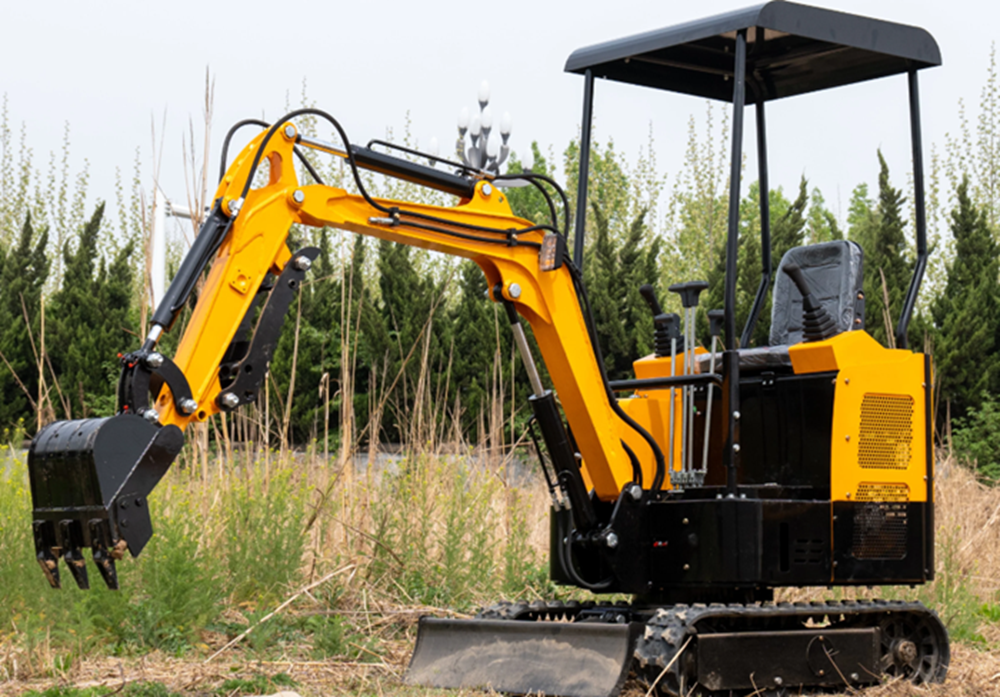
Machines in this category typically weigh between one and six tonnes, ride on rubber or steel tracks, and use a boom-arm-bucket configuration much like their full-size cousins. What sets them apart is the retractable or narrow undercarriage that lets them squeeze through gates as tight as a meter wide. Many models also include a zero-tail-swing design, meaning the counterweight stays inside the track footprint even when the cab rotates, so operators can dig alongside walls without knocking off the render.
A modern mini excavator pairs surprisingly refined hydraulics with a compact footprint. Auxiliary hydraulic circuits at the boom tip run breakers, augers, thumbs, and tilt buckets. The result is a machine that punches well above its weight for utility trenching, foundation work, pool digs, landscape shaping, and light demolition.
Signs Your Project Actually Needs One
Several project markers point toward hydraulic help rather than hand tools. Look at the total volume of soil to move, the depth of the deepest cut, and the toughness of the ground. If any two of those exceed casual weekend levels, the machine begins to earn its rental fee before lunch on day one.
Volume, Depth, and Ground Conditions
A general benchmark: once soil volume passes roughly ten cubic meters or depth exceeds a meter, hand digging becomes exhausting and slow. Add rocky soil, tree roots, or wet clay and the case for a mini excavator sharpens quickly. A single afternoon of machine work can replace several days of pick-and-shovel labor with far less strain and a cleaner trench profile for the follow-up crews.
Access and Site Protection
The second consideration is access. If a full-size excavator would have to knock down a wall, cross a delicate patio, or lift over a fence, a compact machine that walks in on tracks becomes the obvious pick. Rubber tracks distribute weight gently and leave finished lawns, pavers, and driveways relatively unmarked, provided the operator avoids sharp pivots on soft ground.
When a Different Tool Is Actually Smarter
A mini excavator is not always the right answer. On very small trenches under half a meter deep and only a few meters long, a good spade and a helper often finish faster than delivery, offloading, and cleanup of a rented machine. On indoor demolition of thin partition walls, a compact loader with a demolition attachment maneuvers better than a boom-arm-bucket setup that keeps clipping ceiling fixtures.
Above about six tonnes, you have already left the mini class and entered midi excavator territory. If your soil volumes routinely exceed thirty cubic meters or you need to reach deeper than three meters, jump straight to a midi rather than pushing a mini past its useful range. Renting the wrong size can double the timeline of a job that would have gone smoothly with the right machine.
Reading the Spec Sheet Without Getting Lost
Manufacturers publish long spec tables that can overwhelm a first-time buyer. Five numbers cut through most of the noise. Operating weight tells you which sites can support the machine and which trailer you need. Maximum dig depth confirms whether your trench is even possible. Reach at ground level tells you how much you can dig from a single setup. Bucket breakout force predicts performance in hard ground. Tail swing radius, especially for zero or reduced tail swing models, decides whether you can dig alongside a wall or fence.
A short comparison checklist keeps side-by-side shopping honest:
- Operating weight against your trailer and site access limits
- Dig depth at least one meter deeper than your worst-case trench
- Auxiliary hydraulic flow rated for the attachments you plan to run
- Cab or canopy choice matched to your climate and daily hours
Attachments That Extend the Machine’s Usefulness
The bucket range alone changes what a mini excavator can do. A narrow trenching bucket is essential for utility work. A wider grading bucket smooths finished surfaces and back-fills more quickly. A hydraulic thumb turns the boom into a grabber for logs, debris, or rocks, which pays off constantly on landscape and cleanup jobs. Hydraulic breakers open up light demolition and rock work. Augers drill fence and deck footings faster than any other method.
Rent attachments before buying. A weekend with an auger on a real job tells you more about whether to invest than any brochure. Owners who buy every attachment out of the gate often find half of them sitting on a shelf for years while the same three do all the work.
Operator Skill and Learning Curve
A mini excavator is more forgiving than it looks, but it rewards practice. Basic pattern control, smooth boom-swing coordination, and awareness of the tail swing all take a few hours to internalize. Most rental operators feel confident after a day of steady digging, though production speed and finish quality keep improving for weeks. If a crew will use the machine regularly, formal training is worth the modest cost. It cuts damage claims, speeds up jobs, and reduces the fatigue that comes from wrestling controls rather than flowing with them. Machines from MMS INDUSTRIAL come with control layouts that map cleanly onto industry conventions, which shortens the transition for operators who have run other compact excavators before.
Rental or Purchase, and How to Decide
Utilization is the honest answer. A rough guideline: if you will run the machine more than about eighty days a year for several years, ownership usually beats rental once you include delivery fees, wear-and-tear surcharges, and the flexibility of having it ready in the yard. Below that threshold, rental keeps capital free and lets you match machine size to each job rather than owning one compromise unit.
Deciding With Confidence
The decision about whether a compact excavator belongs on a given project is less about the machine itself and more about the shape of the work. Total soil volume, trench depth, ground toughness, access constraints, and finish standards form a five-part test that any experienced supervisor can run in a few minutes on a walk-around. When two or more of those factors push into difficult territory, the compact digger earns its place.
Match the operating weight to the site, the reach to the trench, and the attachments to the real workload. Add a short training investment for the operator and honest utilization tracking to decide between rental and ownership. Handled this way, a compact excavator turns projects that used to look intimidating into predictable, well-paced days on site.


