The internet has fundamentally changed the way people support their favorite sports teams, celebrities, movies, and entertainment brands. In the past, fans primarily engaged through television broadcasts, magazines, and in-person events. Today, digital platforms have created entirely new opportunities for fans to interact, share opinions, and become active participants in the communities they love.
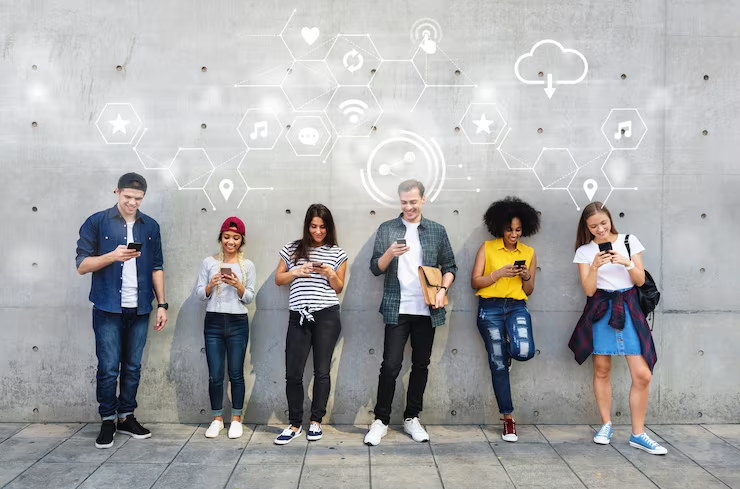
The rise of online fan communities has transformed passive audiences into highly engaged groups that communicate in real time. From discussing the latest sporting events to debating movie theories and celebrating celebrity milestones, digital platforms have become an essential part of modern fan culture.
The Evolution of Fan Communities
Fan communities have always existed, but technology has dramatically expanded their reach. Instead of being limited by geography, fans can now connect with like-minded individuals from different countries and cultures.
Social media platforms, forums, and community-driven websites have enabled people to participate in conversations around shared interests whenever and wherever they choose. This accessibility has made fan engagement more dynamic than ever before.
Whether someone is passionate about football, basketball, movies, music, or television shows, digital communities provide spaces where individuals can exchange ideas, ask questions, and celebrate the experiences that bring them together.
Why Fan Engagement Matters
Fan engagement is no longer simply about following updates or watching events unfold. Modern audiences want interaction. They want opportunities to voice their opinions, participate in discussions, and feel connected to the communities they support.
Highly engaged fan communities often create several benefits:
- Stronger emotional connections among community members
- Increased participation in discussions and activities
- Greater sharing of news and information
- Opportunities for networking with people who share similar interests
- Enhanced experiences through collective engagement
These interactions contribute to a sense of belonging that traditional media channels often cannot provide.
The Role of Digital Platforms
Digital platforms are playing an increasingly important role in bringing fans together. They offer spaces where users can discuss events, share perspectives, and participate in ongoing conversations.
Platforms such as whitespace illustrate how online environments can encourage interaction and community participation by giving users opportunities to engage around shared interests. As digital experiences continue to evolve, fan-centered platforms are becoming valuable destinations for people seeking more meaningful ways to connect with their favorite topics and communities.
The popularity of digital fan engagement demonstrates that modern audiences value interaction just as much as information.
Building Communities Beyond Geography
One of the greatest strengths of digital fan platforms is their ability to remove geographic barriers. A sports fan in Asia can discuss a match with someone in Europe, while a movie enthusiast in North America can share theories with community members in Australia.
This global accessibility creates more diverse discussions and encourages the exchange of ideas between individuals from different backgrounds and cultures.
As online communities continue to expand, fans are increasingly finding value not only in the content they follow but also in the relationships they build through shared interests.
The Future of Fan Experiences
Technology continues to reshape how people participate in fan communities. Interactive discussions, real-time conversations, and community-driven experiences are becoming central elements of digital engagement strategies.
Organizations and content creators are also recognizing the importance of cultivating active communities rather than focusing solely on broadcasting information. Successful platforms encourage participation, create opportunities for meaningful interaction, and foster environments where users feel valued.
The future of fan engagement will likely be defined by platforms that prioritize community experiences and make it easier for people to connect through shared passions.
Conclusion
Digital communities have changed the definition of fandom. Fans are no longer limited to consuming content; they are actively contributing to conversations, building relationships, and participating in experiences that extend beyond traditional media.
As technology continues to evolve, online platforms will play an increasingly significant role in shaping fan interactions and community engagement. By creating spaces that encourage discussion and participation, digital communities are helping people around the world connect through the interests they care about most.