Introduction
Critical thinking is a very important element in academic and life which a student may develop, but also it is a common misbelief that only “intelligent” people are born with it. In fact what we see is that critical thinking is a developed skill that improves through regular practice, from curious questioning to which also comes the issue of not just accepting info put out there. In school what we see is that students are bombarded with text books, what the teacher puts out, what they find online, what their peers think without strong thinking skills. It is too easy for them to accept this info without really processing it.
By developing critical thinking, what we see is that students make better academic choices, do better in exams, and are able to solve real life problems with confidence. Also it instills in them independent thought, which means they learn to form their own ideas based on logic and evidence instead of going along with what others may put forth.
Understanding Critical Thinking
Critical thinking is what allows one to think clearly, logically, and independently while looking at info and making decisions. It is a process of questioning what we are given and looking at all sides of an issue as you try to base your ideas on fact not emotion or guess work. A critical thinker doesn’t just take what a teacher, textbook, or the net presents as truth; rather, he or she will ask “why is that true? ” and “what facts back this up?”.
This attitude is very important in school as it determines how well you do not only on what you remember but also what you do with that info which in large part means thinking through it out fully. As students develop in this area they do better in writing papers, doing exam questions, and in discussion because they are able to put together logical thoughts and to support what they are saying with solid reason.
Importance ofCritical Thinking in School and Life
Critical thinking is a must as it does more than what is taught in the classroom and also plays a role in how students deal with real world issues. In school what we see is that students who develop critical thinking skills do better in complex subjects like math, science, and literature which they study because they put emphasis on the what and why behind the information presented instead of just the how. Also out in the world critical thinking helps people do better in issues related to friends, money, media they are exposed to daily, and in choosing a career.
In a world of info overload, social media influence and false info the ability to tell what is true from what is not has become a very important skill. By the time these students leave to enter adulthood they have developed this skill which in turn makes them better at evaluating situations which in term allows them to think through options and avoid hasty decisions they may later regret.
Core Skill 1: Looking at Information.
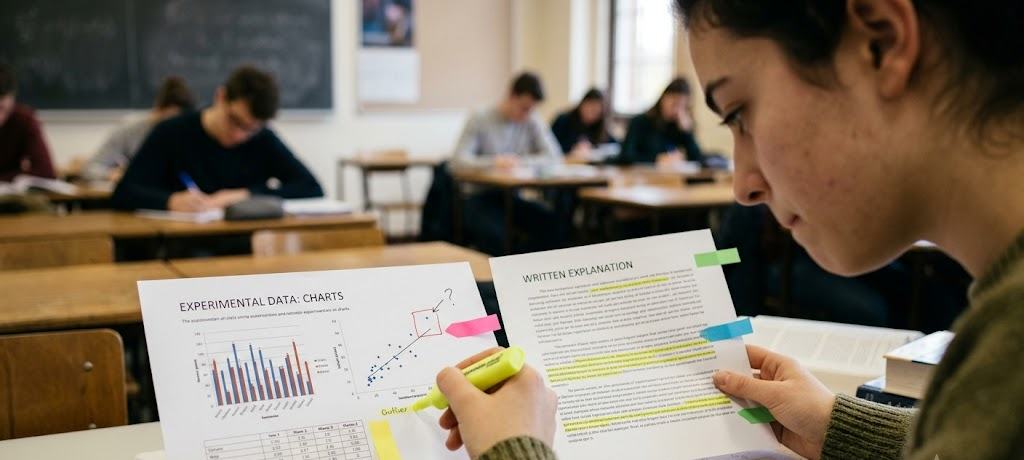
One of the base elements of critical thinking is the skill to analyze info properly. This means to break down complex info into smaller parts, to understand how those parts relate, and to determine what is relevant and what is not. Students often do well or do well in a subject not because the material is too hard but because they do not take the time to properly look at the info presented to them. For example in a science class instead of just trying to learn by heart definitions a student should analyze how the concept plays out, why it is that way, and how it plays into real life. Also into play is to develop strong analysis skills which includes looking at different sources of info and out to identify trends or contradictions between them. A great place to start for students is to learn structured approaches such as what are the techniques for analysis which in turn provide strategies for breaking down and making sense of data in academic and professional settings. As students’ put in the work to analyze info in this way they seem to gain confidence in their understanding and to less often be confused by complex topics.
Core Skill 2: Assessing Proof.
Another big aspect of critical thinking is the evaluation of evidence which includes determining the reliability, relevance, and strength of that info in support of a conclusion. In many fields we present to students a variety of info sources which they in turn put at the disposal of the web but not all of that info is the same caliber or trustworthiness. Evaluation of evidence is to get students to question things like the author of the info, what is their agenda, is the data current, do other sources report the same thing. For example in doing research for a school project a student shouldn’t put faith in a single website but instead should look at many sources which may support the same thing.
This practice which develops from that habit helps to break up the spread of misinformation and it also builds up academic credibility. Also in the evaluation of evidence students must be able to tell the difference between fact, opinion and assumption. A fact is something that can be proved, an opinion is a personal point of view, and an assumption is something we take to be true without proof. Those that master this are able to put forth better arguments in their papers and come to more accurate results in exams and discussion.
Core Skill 3: Solutions Approach.
Problem solving is a practical application of critical thinking that allows students to use logic and present order to real issues. What we see in effective problem solving is that which includes clearly defining the problem at hand, analyzing its causes, looking at what solutions may present themselves, and then choosing the best out of those which are supported by evidence. Also common is for students to jump right in to solutions before they have fully analyzed the problem, which results in error. For example in math a student that takes the time to read a word problem through and break it down is more likely to solve it properly than one which guesses at the answer.
In real life this may play out in time management, dealing with peer pressure, or which academic subjects to choose. Also what we see in strong critical thinkers is that they approach problems in a calm and systematic way as opposed to an emotional one. Also they learn from their mistakes by looking at what went wrong and changing up their strategies for the go forward which in turn helps them to improve over time.
Practical Exercises to Build Critical Thinking
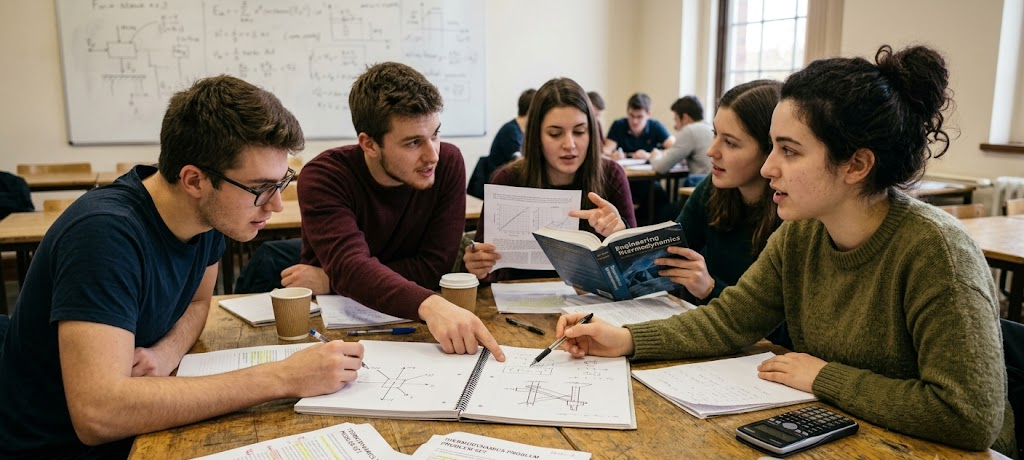
Building out critical thinking skills is a task which requires consistent practice, and students may develop these at home through easy yet very effective exercises. For instance we see value in daily reflection which is a few minutes of the student’s time spent thinking through what they learned that day and asking themselves questions like “What is the evidence for this? ” or “Is there an alternative perspective? This does for the mind what trains it to question info put forth instead of going along with it. Also we see great value in getting students into the practice of putting forward differing sides of an issue in debate with peers or friends in a respectful way.
As they present different points of view on an issue the students in turn learn how to back up their own points with evidence and at the same time they are made aware of the other side which in turn improves their reason. Also we have had success with writing exercises like getting students to put in their own words what they learned which in turn causes them to process the info in depth instead of just regurgitating it.
Another put forth exercise is to have students solve real world problems. For instance, we may present to them a scenario of creating a study plan, managing pocket money, or which material to study in a short amount of time. By the process of going through various options and seeing out the results of each, they in turn learn how to make rational decisions. Also get into the habit of reading a wide range of material which includes news articles, stories, and academic content which will present to them a variety of points of view.
After which get them to practice what the main idea of the piece is, what the support arguments are, and also to identify any bias which may be present. Over time what this does is it trains the brain to think more in an analytical rather than impulsive way. It is also important to note that this is a process which takes time; while critical thinking can not be developed overnight, with daily small practices we see the formation of lasting good mental habits which stay with a person for life.
Common Mistakes Students Make
Many of our students have trouble with critical thinking which they do into what we may term as thinking traps which in turn hamper their analysis and reasoning at great depth. We see that a large issue is in the over use of memorization which in turn leaves out in the deep understanding of concepts. While memorization may do the trick for short term exams it does not in fact support long term learning or true knowledge. Also students will accept info without question of its source or accuracy which is very much the case with what they find on the internet or social media.
Also it is very common for students to ignore the other side of an argument which in turn is only to confirm what they already think which in turn creates bias and weakness into their reason. Also some students will rush through work or exam questions without really reading what is asked which in turn leads to easy avoidable errors. By bringing to light these issues we are taking the first step in improving critical thinking and at the same time we are promoting a more careful and thought out approach to learning.
Critical Thinking in exams and real life.
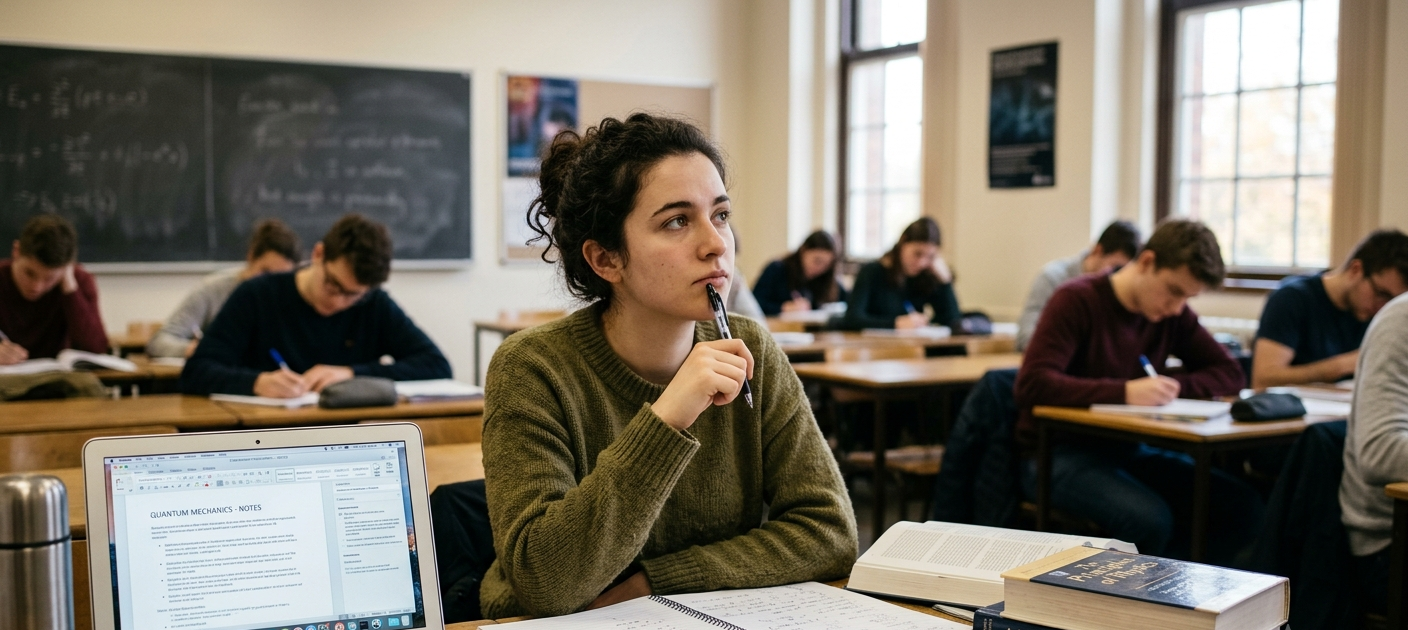
Critical in exam settings is what we see value in which is that it has students’ interpret questions and present answers in a structured way. Also as opposed to just memorizing answers our students that think critically get at the base of each issue and are able to apply what they know in different situations. Thus they are less dependent on exact questions put out there or memorized responses which in turn plays to better performance in the exams.
In real world terms critical thinking has students making better choices in issues related to relationships, time management, career goals and personal issues. For example when under peer pressure a critical thinker will think through the results of their actions first. Also when it comes to future planning instead of going along with what is popular they look at many options. This which may seem to be an early act of independence in fact builds up their confidence and also prepares them for when in adult life decisions are more in depth and have greater impact.
Conclusion
Developing robust critical thinking skills is what any given student can do to better themselves in terms of academic progress and future life. It is not a gift that a few are born with, but a skill that develops out of practice, curiosity, and structured thought. By the time they learn to analyze info, evaluate evidence, solve problems well, and avoid basic thinking errors, students become better independent and confident learners.
Also these skills go beyond the classroom setting which in turn helps individuals to make better choices in day to day life and to adapt to a very dynamic world. In the end, critical thinking what we put into it is what we get out of it for our students’ success in exams is only a small part of what it has to offer it also gives them a better perspective of the world and the ability to navigate it with clarity, logic and purpose.