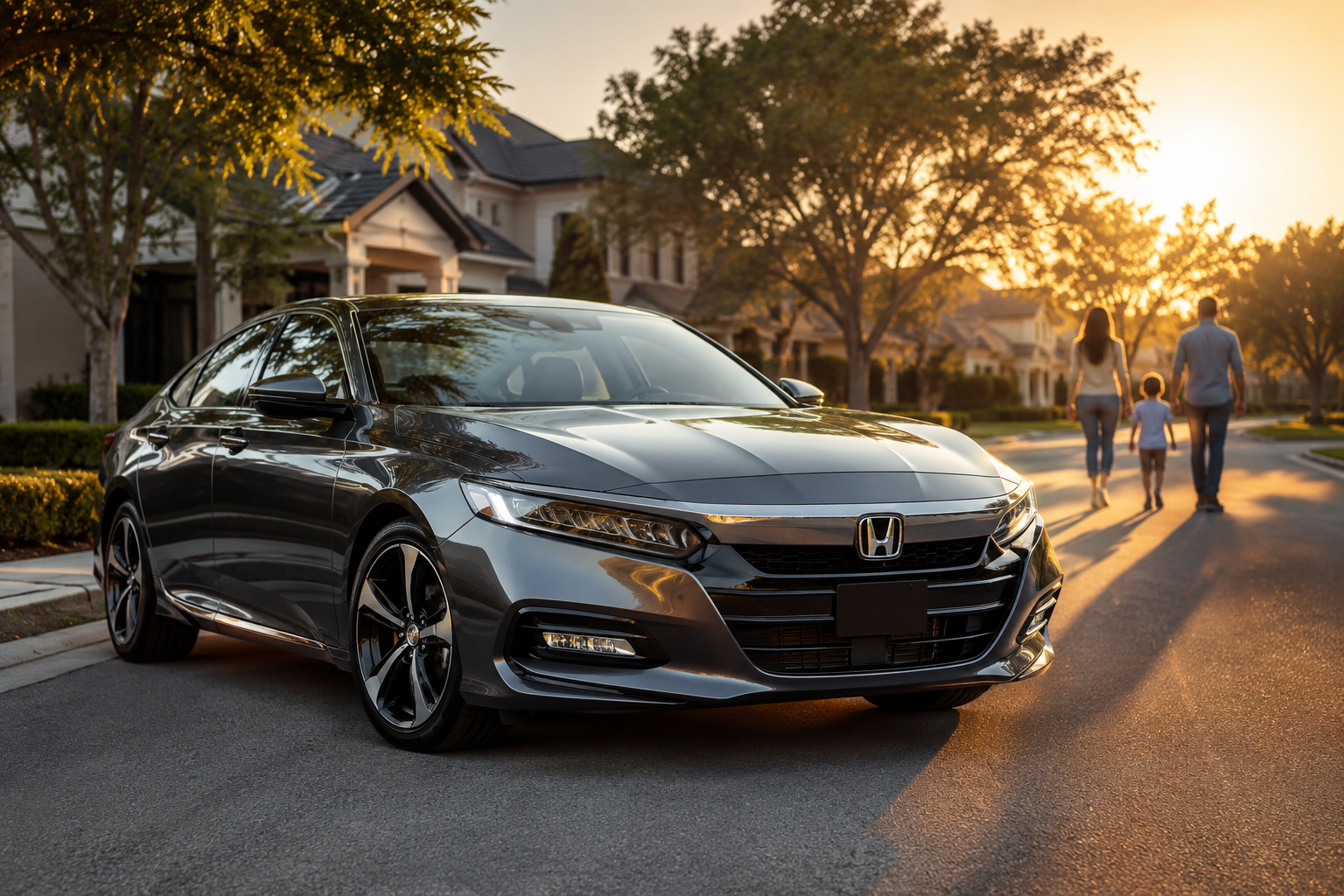
Honda cars reliable reputation has developed globally thanks to their affordable and dependable vehicles. From the Civic to the Accord we see that the brand has consistently put out cars which balance efficiency, practicality and longevity. Many Honda owners report that their vehicles which they have properly maintained have gone over 200,000 miles which has in turn secured Honda’s place as one of the most trusted automakers in the world. This rep is more than just marketing hype it is supported by decades of consumer reports, reliability data and real world owner experiences. Honda’s focus on simple design and durability has made their cars appeal to families, commuters and enthusiasts.
That said Honda’s reliability is a mixed bag. We do see certain model years that had it worse than others which in turn brings to light that even in a brand known for dependability there are still weak points. In this article we will look at the whole reliability picture for Honda, which models did the best and which the worst, we will also look at the wear and tear of VTEC and CVT systems, put genuine parts against after-market ones, go over what maintenance intervals are standard and which repairs are the most common including what that means for repair costs. Also we’ll look at how Honda does in terms of resell value to give you the full story of what this brand is really like.
Honda’s Reputation for Reliability
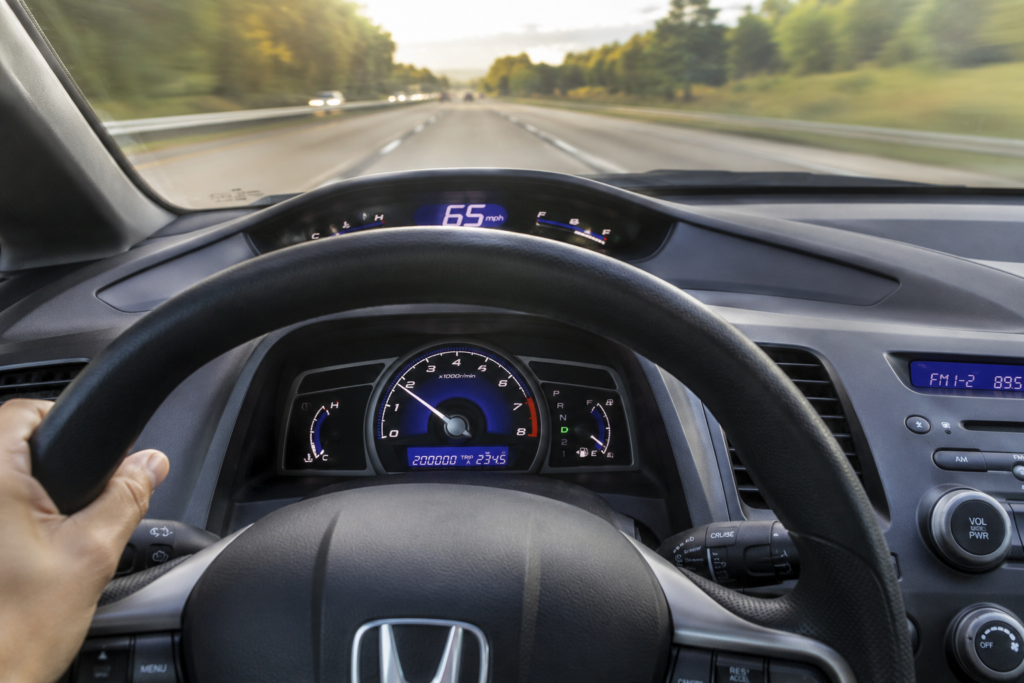
Honda is known for the reliability which comes out of an engineering philosophy that puts longevity over complexity. We see in each of their products a simplexes in design and great durability. That approach has made Honda very popular with buyers who value practicality and long term dependability. Many of their models in particular the Civic and Accord have put together over 200,000 miles with routine care which few of the competitors have been able to do.
However we see that reliability is a variable which changes between models and years. While Honda does very well in the consumer reports overall some of their older models have had issues like transmission failure and too much oil consumption. These issues bring to light which years you should steering clear of when you are in the market for a used Honda. By looking at the brands reliability over the years buyers may make better informed decisions and avoid expensive surprises.
Most Reliable Honda Model Years
In the past the Honda which really stood out for dependability were the 2000’s Civic and Accord models which were known for their very reliable engines and basic mechanical design. At that time Honda put more focus on mechanical simplicity which in turn made these cars easy to maintain and reduced the chance of electronic issues. Also it is reported by owners that these cars which had proper maintenance did very well even after 20 plus years of use.
More recently the 2016-2018 Civic and the 2015-2017 Accord have seen great reliability. In these years Honda improved on modern safety and infotainment systems at the same time that they maintained mechanical durability. The engines did very well especially the naturally aspirated which proved very reliable and build quality stayed true to Honda’s reputation. These years we see that buyer’s which want a mix of modern features and long term dependability are well served.
Least Reliable Honda Model Years
Not at all do all Honda models of the same year perform the same. In the early 2000’s the Accord V6 models for example saw a great deal of transmission issues. Many owners reported of large repair bills or replacement of the transmission well before the 150,000 mile mark which in turn hurt Honda’s reputation for reliable vehicles. Also in 2008 the Accord had wide spread issues with oil consumption which caused premature engine wear and very expensive repairs for what some owners thought to be unexpected issues.
In the past few years we saw the issue with the roll out of Honda’s CVT (Continuously Variable Transmission) in some Civic and Accord models which took place around 2013 2015. Although CVTs are meant to improve fuel efficiency they had reliability issues in the early goings which included poor acceleration and large scale failure. Also, affected cars required expensive repair work which turned off buyers that were after long term dependability.
VTEC and CVT Durability
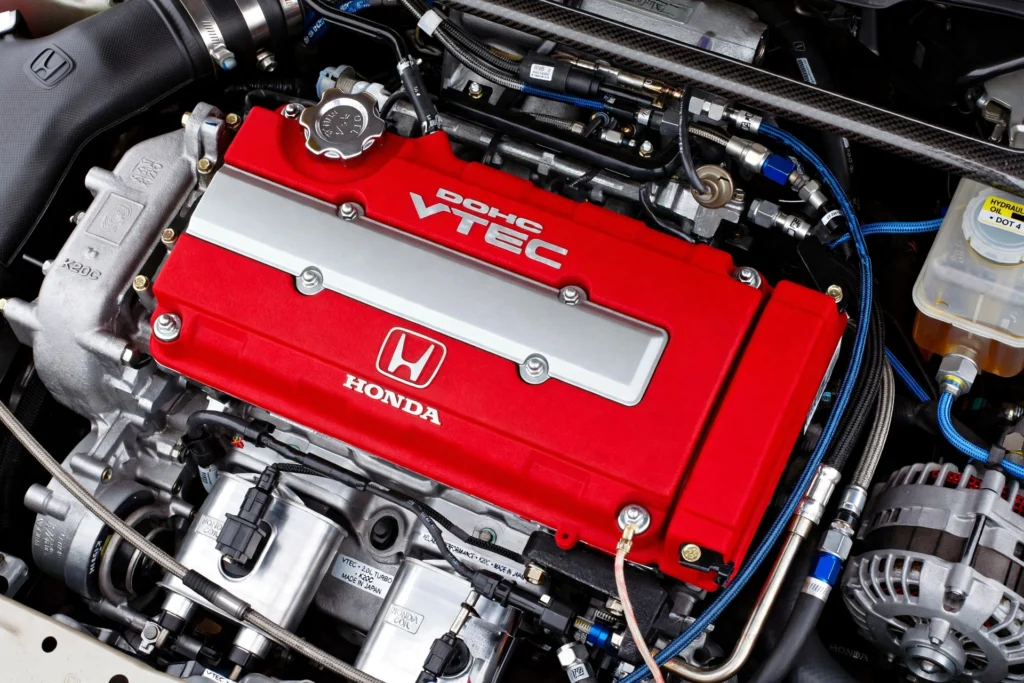
Honda is known for their VTEC which is one of the company’s great innovations. In the late 1980’s they introduced VTEC which puts engines in charge of determining which performance and efficiency levels they run at by changing valve timing. Enthusiasts go wild for the extra power you get out of it at higher RPMs, but also everyday drivers in to the fuel savings. Also it is very reliable if maintained properly. We see few failures of the VTEC system and most issues that do come up are from people not getting their oil changed which is key to the system’s hydraulic function.
On the other hand we see that Honda’s CVT transmissions have had issues. While in recent years (post 2016) we have seen improvement in terms of reliability, the earlier models had a tendency to overheat and wear out the belt. Also unlike traditional automatics which are a cheaper repair or replacement option, CVTs are a larger expense which in turn is a weak point in what is otherwise a very reliable product. It is advised that buyers of pre 2016 CVT models do there research and plan for the possibility of repair.
Cost of Genuine vs Aftermarket Parts
One of Honda’s strong points is that they have a large selection of affordable parts. We see that original manufacturer parts are usually at a lower price point than luxury brands which in turn makes maintenance more accessible. For instance a genuine Honda alternator may go for around $250 to $300. What trade off there is that aftermarket parts may not always equal the quality and wear resistance of OEM components which in turn may see you replacing them more often.
Routine outlays like brake pads, filters, and spark plugs are very common and cheap which in turn means that they are easy to obtain either as original equipment or after market. This access helps keep Honda ownership at a low cost. At the same time for critical elements like transmissions or engine components we recommend original parts for best results. Going with the cheaper alternatives may save you some money at first but in the long run will cost you more.
Routine Service Intervals
Honda has a simple maintenance routine that which makes it easy to keep your car in great shape. Oil changes at the factory recommend between 5,000 to 7,500 miles depending on how you drive. As for transmission fluid in CVT models we suggest you to change it every 30,000 to 60,000 miles to avoid premature wear. Also spark plugs will last you around 100,000 miles and as for timing belts in older models we see to it that they are replaced at 90,000 to 105,000 miles.
Following our service recommendations is key to Honda’s reliability. We see that which of routine maintenance is left out is what causes the brand’s reputation to suffer at times. Also it is also true that Honda’s maintenance needs are a lot simpler as compared to other brands, which in turn makes it easy for owners to do the care themselves without breaking the bank.
Major Common Problems and Repair Costs
Although Honda is known for quality issues do present in certain areas. In terms of transmissions in older Accords and Odysseys we see the most problems which at time require $4,500 for a repair. Also in some Accords and CR-Vs we see excessive oil consumption which in some cases will require an engine rebuild that may cost $4,000. As for suspension which is a recurring issue in Civics which can range from $1,200 in repair costs based on the degree of damage.
Electrical issues like faulty window regulators or alternators are reported which though not fatal are still very annoying. We see these issues in all makes but in certain Honda models they are more common which is what makes them stand out. What I would recommend is that buyers do their research which in turn will help them to avoid these expensive issues and in the end get a better overall experience out of your Honda which we must say is generally very reliable.
Resale Value Retention
Honda is known for its great trade in value. Honda vehicles are at the top in terms of retention which they achieve through their record of reliability and affordability. A well maintained Honda Civic or Accord will see 50 – 60% of their value at the 5 year mark, outperforming many in their class. This also makes Honda a very reliable and financial smart choice.
Resale value is high for models which have had proven reliability like the Civic and Accord from the mid-2010s. On the other hand we see that cars from what proved to be unreliable years tend to depreciation faster as buyers stay away from known issues. This puts out the issue of which year to buy when it comes to used Hondas. By choosing a reliable model year you can look forward to long term dependability and also strong resale value.
Conclusion: Honda’s Pros and Cons
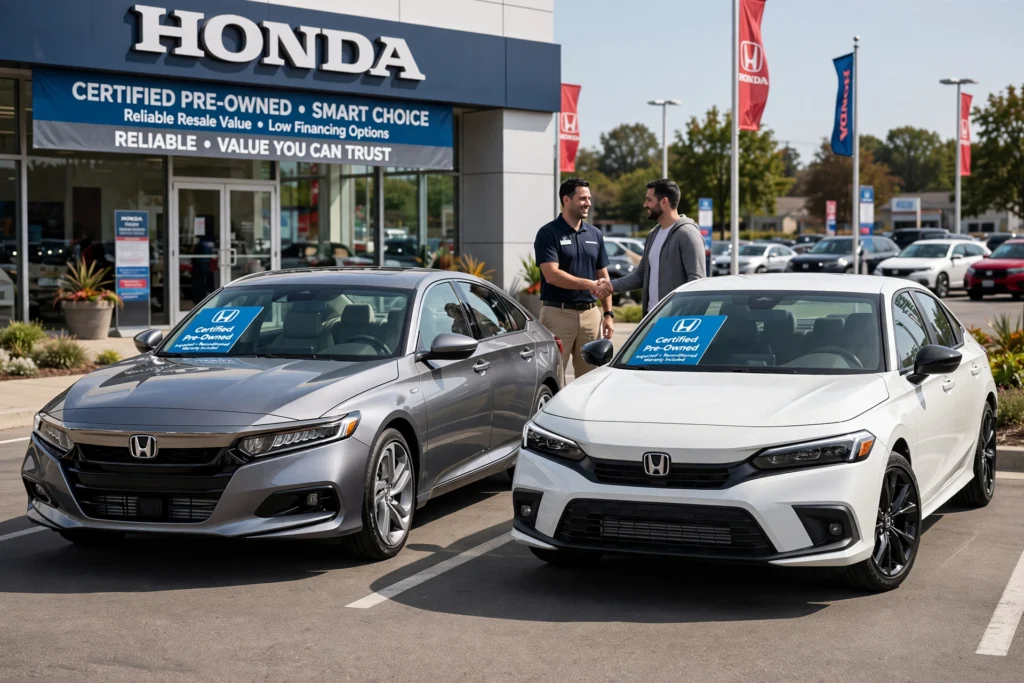
Honda is known for the dependability of their products which they certainly live up to, but it isn’t without issue. While the brand has put out some of the most reliable cars which see great performance from engines like VTEC that almost see no wear in with proper care, there are also certain years and models which see large scale issues, especially in the transmission and oil consumption areas. By being aware of what does and doesn’t work in the Honda line up buyers can make better choices, avoid the bad years, and plan their maintenance budgets better.
Finally, Honda is still a very reliable and economic brand in the auto industry. Through proper care and choice of model year, owners may see their Honda perform well beyond what is expected which in turn also sees great results in trade-in value. As a point of advice for those looking at a Honda, research into certain years is essential, be aware of what the common issues are, and plan for regular maintenance. By doing this you will get the full value out of your car and also avoid large unexpected repair bills. Honda’s strengths in affordability, longevity, and resale retention make it a smart choice, but only if buyers approach with informed caution and a clear understanding of which years and models deliver the best reliability.