Creating a healthy lifestyle doesn’t need to be a complicated diet or fitness plan or an impossible routine. Many people think that a drastic overhaul is the key to better health, but often, small habits that are performed regularly and over time can be the answer to improving a person’s wellbeing. A sustainable routine involves making realistic changes to nutrition, hygiene, physical activity, rest and stress management that fit into a normal lifestyle. Incorporating healthy behaviors into daily habits makes them more likely to become a habit and to make a long-term positive difference in physical and mental health.
Understanding how to achieve a balanced lifestyle without complexity can help people avoid the frustration that can arise from stringent wellness plans. Sustainable healthy living emphasizes progress, consistency, and not perfection—the latter is generally more important than the former, as it is better to make a gradual change rather than something extreme that only lasts for a short period. The strategies of nutrition, sleep, hygiene, exercise and emotional balance can be used together to develop routines that are not only effective but also manageable and practical, for energy, productivity and long-term health.
By changing their habits, people can achieve long-lasting results
Simple behaviors that can be done consistently become part of a healthy lifestyle. A number of people start a wellness regimen only to give up after a while because the regimen is too arduous or difficult to maintain in their daily lives. Often diets, excessive exercise routines, and limiting activities can give you short-term results, but they may be hard to stick to over time. Health changes typically occur over time, and are the result of minor changes in daily habits.
Consistency helps since people will begin to respond to healthy actions that they see repeated over time. Being hydrated, walking, sleeping and a balanced diet are all healthy habits, but they all add up when it comes to your wellbeing. These practices activate your body and nourish your mind, helping you maintain emotional equilibrium, focus and energy throughout the day.

Simple habits are also a way of lowering stress since they do not seem so overwhelming and more attainable. Goals that are not rigid and perfectionist work better to motivate people. Having a workout or an unhealthy meal missed from time to time, does not undo progress, as long-term health and wellness depend on consistent patterns, rather than isolated meals or workouts.
Gradually developing healthy habits is essential for a comfortable transition without stressing out and creating lifestyle changes. These simple habits become part of daily life over time, and it becomes easy to maintain a healthy lifestyle in the long term and enjoy the benefits.
Creating a Balanced Nutrition Routine
Nutrition is a vital part of healthy living as the body relies on its nutrients for energy, growth, concentration and it’s daily function. Eating well doesn’t have to be costly or restrictive as it can be achieved with simple and accessible food options. The objective is to produce food items that can supply a balanced proportion of carbohydrates, protein, healthy fat, vitamins and minerals to their well-being.
Eating a balanced breakfast can enhance attention and energy for the day’s activities, whether at work, school or in everyday life. Eating whole grains, fruits, vegetables, proteins, and healthy fats is often a better option for sustained energy than a food that’s high in sugar or fats that aren’t healthy. A balanced diet provides fuel for both digestion and brain and bodily functions throughout the day.

Hydration is also crucial since water helps to circulate, digest, regulate temperature, and transport nutrients. People don’t always realize how a lack of water can affect their mood, ability to concentrate and physical well being. Consistently drinking water during the day can help maintain healthy energy levels and aiding the function of the body without any difficult dietary changes.
Flexible and realistic healthy eating patterns are easier to adhere to. Cooking in advance, stocking healthier snack foods and limiting too much processed food can gradually enhance nutrition without adding to the pressure. Sustainable eating habits are about maintaining a balance in the longer term instead of short-term limitations and/or unrealistic expectations.
Physical activity is important in everyday life
Exercise is beneficial to both your body and mind as it helps to build muscle strength, boost circulation, and keep you energized. Think exercise has to be a gym membership or involve sweating for five hours a day, but getting some daily exercise doesn’t have to mean that. It can be walking, stretching, cycling, dancing or even doing simple exercises at home.
Regular exercise helps to increase flexibility, endurance, posture and physical strength and decrease stiffness from sitting for extended periods. Exercise also helps to promote emotional wellbeing as it stimulates the release of chemicals that promote a better mood and relaxation. People who are active frequently find their concentration improves, stress has lessened, and their sleep quality has improved.
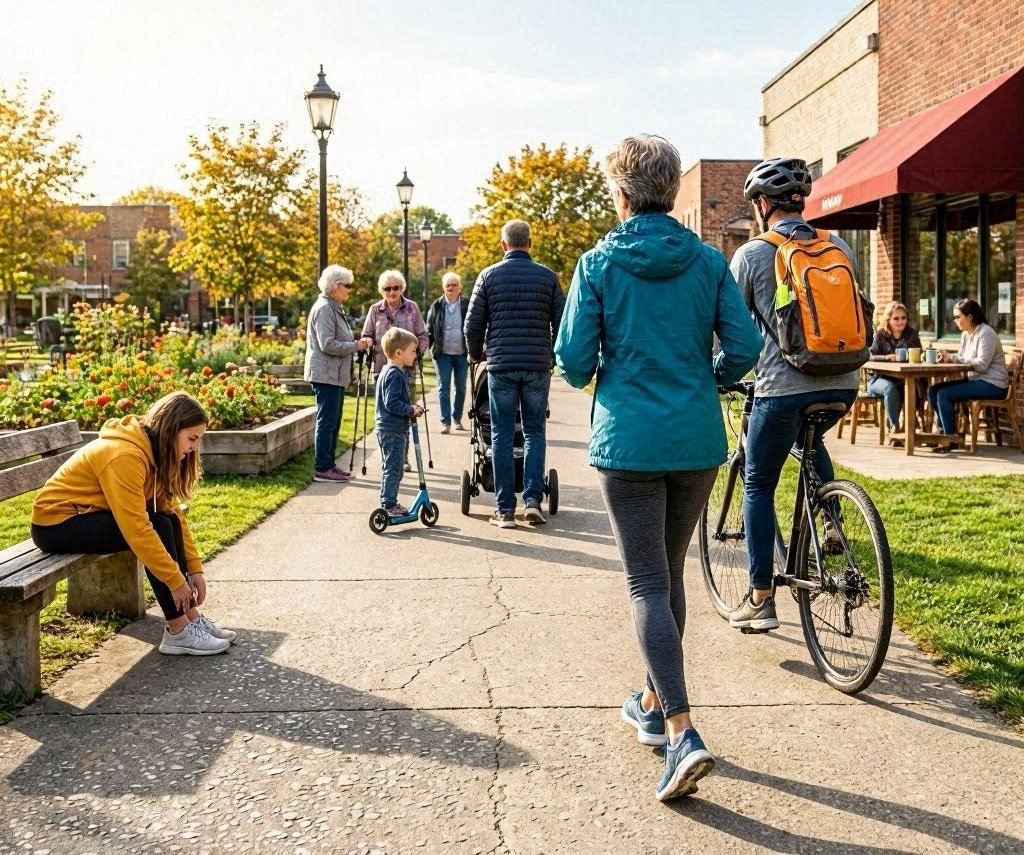
Establishing a sustainable activity routine is the ability to select activities that are integrated into daily schedules and interests. It might seem inconsequential to walk for a little bit here and there throughout the day, or to take breaks for exercise during the day, or stretching in the morning, but these can make a big difference in terms of long-term fitness and wellbeing. Exercise is easier to sustain when it is fun or pleasurable instead of an obligation.
Balance is also key, as overworking and not resting can eventually result in exhaustion and loss of motivation. Moderate and regular movement is encouraged as a way of fostering sustainable healthy living, without placing undue strain on the body. Some very brief physical activity can yield more lasting benefits than high-intensity exercise for short durations followed by rest.
Rest and Sleep as Essential Parts of Wellness
While it is easy to neglect sleep in healthy living conversations, the human body and mind need proper sleep and rest to function properly. Important restorative processes happen while the body rests, which is why sleep is essential for memory, concentration, emotional balance, muscle recovery, and immune functioning. Irregular sleep patterns can cause tiredness, irritability, loss of productivity and poor concentration in everyday activities.
A regular sleep schedule can enhance physical and mental health. Regular bed and morning hours keep the body’s natural sleep cycle in better balance, leading to a more restful night’s sleep and higher vigils during the day. Establishing calming after-work habits, limiting screen time before sleep, and ensuring sleep is comfortable can further enhance sleep quality.

Rest also means taking breaks when there is a lot to do, as inactivity or insufficient rest could lead to feelings of stress and fatigue. Frequent breaks during the day provide a chance to recharge the brain and body, leading to better focus and productivity over time. A sustainable healthy routine is not laziness, it is a necessary element for balance and wellbeing in the long-term.
Those who are focused on sleep and recovery tend to have better emotions and their everyday performance is better. A combination of adequate rest, well balanced nutrition and regular exercise provides a better base for achieving healthful living without overhauling their diet or complicated exercise regimes.
Personal hygiene and Healthy Daily Environments
Personal hygiene is also a key component of a sustainable healthy lifestyle, as cleanliness helps to minimise exposure to germs, and can also help to boost confidence and comfort. Simple precautions like bathing, brushing the teeth, washing hands and wearing clean clothes, help to create healthier environments and enhance wellbeing.
This is particularly important when hands touch a variety of surfaces during the day. Frequent hand washing before eating, after bathroom use and after coming into contact with people in public areas decreases the risk of transmission of bacteria and viruses. Good hygiene practice ensures, promotes and maintains cleaner and safer environments for individuals and others.

Clean Living Spaces also benefit emotional comfort and physical health. Organized and sanitary surroundings can help lower stress levels, and can make life more manageable. Everyday tasks like frequent cleaning of surfaces, waste disposal, and tidying up personal belongings can contribute to overall quality of life in a big way.
Good oral hygiene is not only important for good health, but for good social confidence as well – when people brush and floss their teeth regularly, there is less chance of having a problem with their teeth and gums. These are common practices that are central to sustainable healthy living, as they help to promote comfort, wellbeing and positive socialization without complex routines.
How to Respond to Stress with a Healthy Lifestyle Balance
Stress is an inevitability of life, but a poor way of managing stress can have negative consequences in the long run for physical and emotional health. Stress is a part of sustainable healthy living – there are healthy ways to manage stress without engaging in unhealthy coping behaviors. Regular eating, exercise, sleep and organization routines are important for reducing stress as they maintain emotional stability and mental clarity.
One useful strategy is time management, as well, since having a plan can help to minimize the sense of overwhelm. Divide work into smaller tasks and set attainable goals to boost efficiency without stress. Spending time with the hobbies and engaging in relaxation or socialization can also help maintain a balance of emotions and avoid burnout.
When a person experiences a stressful time, breathing exercises, walks outside, stretching or listening to calming music can help to relax the person. The following exercises are gentle, can help to reduce tension in the body and promote mental recovery. Wellness habits that are sustainable understand the link between emotional and physical wellness.
It’s not about being perfect at managing stress since everyone has tough times from time to time. The key is building good habits over time that help them build resilience and balance. Small steps toward a better lifestyle can lead to greater emotional stability and better coping with life’s demands.
Developing a lifestyle that fits a routine
Personalization is one of the most significant aspects of a sustainable healthy lifestyle, as everyone’s lifestyle, schedule, goals and responsibilities are different. The best routine for one person may not be effective for another, so flexibility is key to the long-term success. Healthy lifestyle choices are more attainable when they feel like a well-suited option, and not a rigid, demanding one
Making incremental changes can have a more beneficial impact than making radical changes. Increasing water intake, taking short walks, eating healthier or going to bed earlier are small steps that can be worked on and eventually become a habit. As people start to make these healthier choices, they can develop more healthy habits as they continue.
Monitoring progress can also help to keep them motivated – seeing progress can mean that they are more likely to keep going. But sustainable health should be a more general approach to wellbeing rather than perfection or unrealistic expectations. Change can occur slowly, and there may be a few times when things go wrong in the process of lifestyle change.
Good health is not a burden or pressure to living. Practical, balanced and fun routines are more likely to be a part of life for many years.
Conclusion
Making a healthy lifestyle choice does not have to be complicated or extreme; it’s possible long-term wellbeing is formed by small consistent daily choices. Eating a well-balanced diet, engaging in regular exercise, practicing good hygiene, getting adequate sleep, and managing stress to ensure physical and emotional well-being and quality of life. Sustainable routines are about practical changes that can easily be incorporated into daily routines and people’s lives.
Healthy living is not a matter of perfection; it’s about the habits you form during long periods of time. Slowly making changes and concentrating on balance not extreme allows people to create routines that will allow them to improve their energy, productivity, confidence and wellbeing over time. In the end, maintaining a healthy lifestyle sustainably is a matter of establishing realistic, flexible, and fun healthy habits that are practical for maintaining health over time.