Introduction
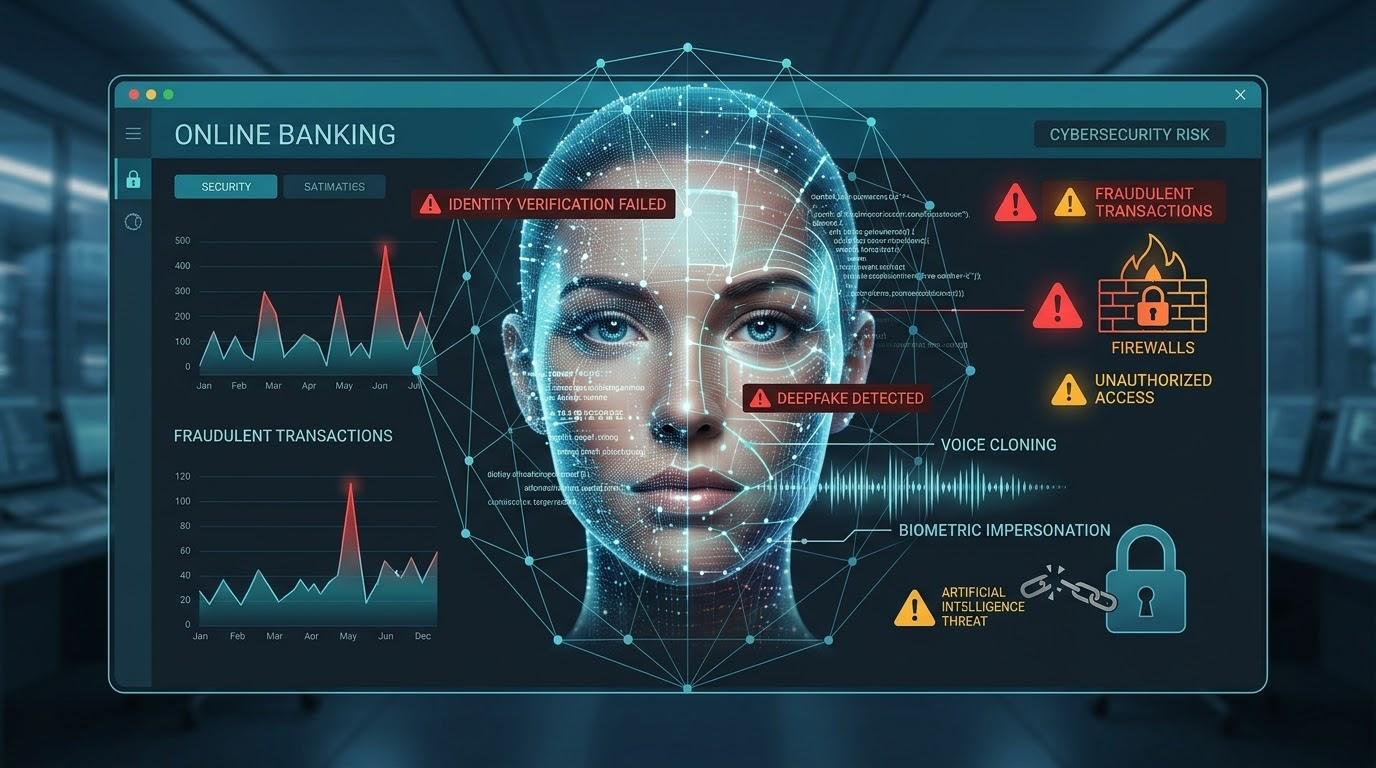
The financial sector has become increasingly reliant upon technology to provide efficient banking services, process transactions and store information about customers. Many financial businesses, such as banks, credit unions and payment companies, utilize cloud computing, which is a method to increase efficiency, allow access from afar and save money on infrastructure. Unfortunately, the increased use of cloud computing has made financial organizations more vulnerable to cyber-attacks. Cyber threats such as ransomware, phishing, data breaches, unauthorized access and distributed denial of service can put businesses at risk. As financial businesses deal with individuals’ personal and financial information, any issues with security can lead to businesses losing money, facing fines, reputation damage and losing customer trust. Overall, cloud security includes a range of technologies, policies, and monitoring tools. With suitable cloud security in place, financial businesses can benefit from using cloud computing, whilst also minimizing cyber-attack risks.
Cloud Security within Financial Businesses
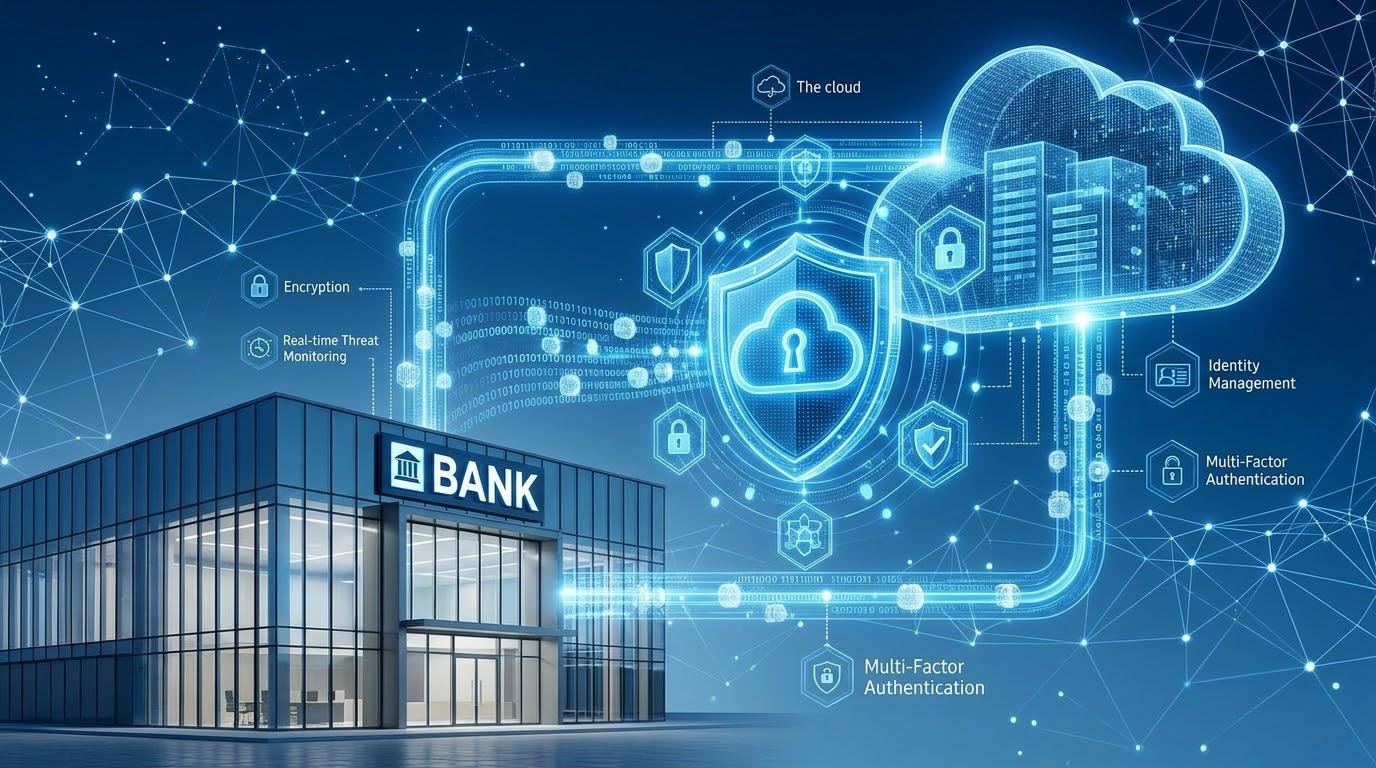
Cloud security refers to the technologies, processes and controls that are used to protect cloud infrastructure, applications, networks and information. Financial businesses often use a cloud environment to ensure they have a secure and efficient system for their banking applications, customer database, payment processing and general operations. Due to the amount of valuable information a cloud environment holds; such as account details, transaction history, ID and sensitive business information; a secure environment is needed. Unlike traditional methods of security, cloud security needs to protect information that can be accessed via multiple devices, locations and networks. This means it includes security measures, alongside continuous risk management and security policies. When correctly implemented, cloud security can provide financial businesses with better insight into their systems, identify any issues, control access and prevent any issues arising from suspicious activity.
Identity and Access Management
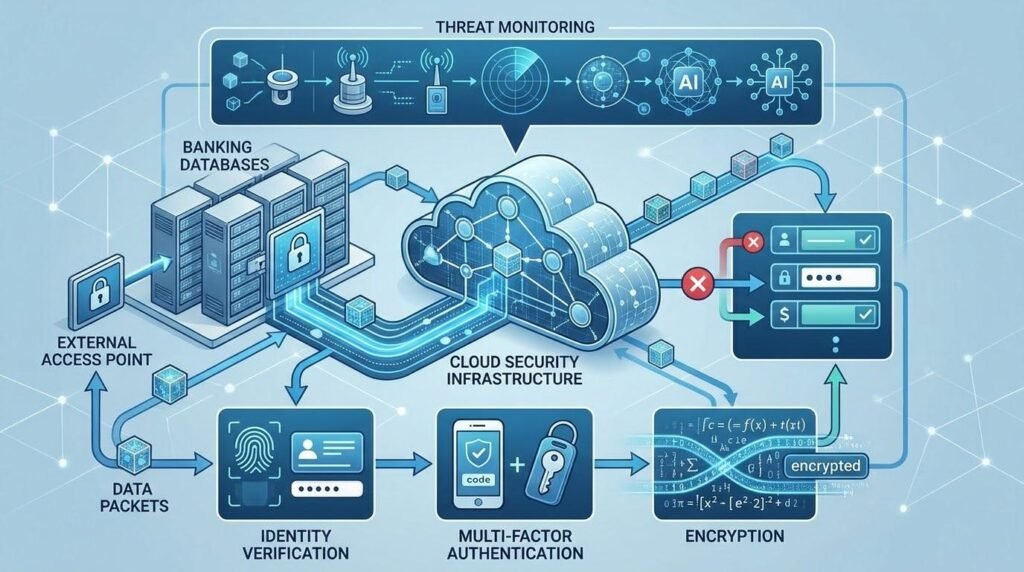
One of the most important cloud security measures that financial businesses implement is Identity and Access Management (IAM). This provides control over who can access specific applications, databases and resources within the cloud. Employees, administrators, customers and third-party service providers can all be given different access rights to the cloud depending on their role. For example, a customer service representative might need access to some customer information but shouldn’t be allowed to make any changes to critical banking infrastructure. The least privilege principle should be applied here, so that individuals only have the required access to complete their role. Multifactor authentication can also be used to provide an extra layer of security. Overall, Identity and Access Management provides a secure system to help reduce the chances of accounts being compromised. Alongside role based access, regular access reviews and secure authentication, this can help reduce the risk of unauthorized access.
Data Encryption
As financial businesses process a lot of sensitive information, data encryption is an important cloud security measure. Data encryption is where readable information is converted into an encrypted format which can’t be easily understood without the correct decryption key. This helps prevent cyber criminals from accessing useful information. In general, financial organizations will utilize encryption to secure information that is stored (data at rest) and being transferred (data in transit). Data at rest refers to information being held within cloud databases, applications and backups. Data in transit refers to information being transferred between customers, financial businesses, payment platforms and other services. Security protocols will be in place to protect the information. This can include Transport Layer Security (TLS). Financial businesses will also need to manage their encryption keys. If they are compromised, this can reduce the level of security provided. Overall, with strong encryption, secure encryption key management and suitable access controls, banks can help secure customer records, payment information and sensitive financial information.
Security Monitoring
Security monitoring allows financial businesses to keep track of what is happening within their cloud environment. Tools can be used within the cloud to monitor any suspicious activity. This will help identify any unusual behavior which could indicate a cyber-attack. Security monitoring tools will gather and analyze information from applications, networks, user accounts, databases and other resources. This can help identify any suspicious logins, unusual transactions, unexpected changes and attempts to view restricted information. Unfortunately, not all cyber-attacks will happen immediately and there may not be any obvious signs of a compromise. Some attackers will try to stay hidden within compromised systems and collect information or look for valuable resources. Security information and event management tools will help businesses keep track of their security. This will help identify any patterns and investigate any potential issues. To improve this, automated threat detection can be used. This uses technologies such as Artificial Intelligence, Machine Learning and security policies to identify suspicious activity. If this is included within an effective security strategy, it can help security teams identify new threats quicker, prioritize issues and reduce the time it takes to identify an attack.
Automated Security Response
Once threats have been identified, it is important that financial businesses can quickly response to any issues. Automated security response tools can help organizations by taking action if any suspicious activity is identified. For example, if a suspicious activity is detected by the security platform, the account could be locked out, the malicious internet connection blocked, access to the application limited and/or the vulnerable cloud resource isolated. This can help reduce the chances of the attacker moving between systems, stealing more information or causing disruption to the financial business. Automated security response is useful for businesses which process lots of transactions and will have lots of security information generated daily. It is important to ensure the automated security response isn’t impacting genuine users or important banking activities. Financial businesses should have clear processes in place for responding to incidents. This will help security teams investigate alerts, communicate with relevant departments, restore systems and document incidents. Combining automation and experienced cyber security professionals will help create an efficient way of managing any cloud security threats.
Backups and Disaster Recovery
Backups and disaster recovery can help financial businesses ensure they have access to important information if they face any issues with their cloud systems. Regular backups can create extra copies of important records, applications and systems. This can help if there is an issue. This is especially useful if they face a ransomware attack. This is when cyber criminals will lock or stop people accessing business information, and ask for money to unlock it. By having secured backups, businesses can reduce the impact of this attack. Some businesses will use immutable backups. This means that the information stored cannot be changed or deleted for a certain amount of time. A disaster recovery plan will help ensure any critical systems can be restored quickly. This will also highlight what needs to be prioritized. This will also help identify any staff, technologies and alternative resources needed. Regular testing will also need to be carried out to ensure the backups are functional.
Understanding Shared Responsibility
To help secure your cloud systems, it is important to work with the organization providing the cloud infrastructure. This is often referred to as a shared responsibility model. In general, the cloud provider will be responsible for securing the infrastructure. This includes physical data centers, hardware and some network components. However, a financial business will have responsibility for securing their data, controlling user access, setting up applications, securing login information and having the correct security policies in place. The responsibility can vary depending on the service being used. Infrastructure as a Service, Platform as a Service and Software as a Service can all have different responsibilities. It is important for financial organizations to understand what they are responsible for. Just because information is being sent to a reputable cloud provider, doesn’t mean it is secure. Regular checks should be carried out to ensure the provider has good security measures in place. This can include looking at the compliance documentation, having clear processes in place for reporting incidents and ensuring there are suitable security measures in place. If a good working relationship is formed, it will ensure that important security measures aren’t missed.
Cloud Configuration Issues and Third Party Risks
Whilst cloud computing can provide many security benefits, there can be issues if the configuration isn’t set up correctly. Cloud configuration issues occur when resources are set up incorrectly. This could include public cloud storage, too much user access, weak login requirements, public databases and incorrect network configuration. These mistakes can cause sensitive customer information to be accidentally made public and attackers can gain access to critical systems. Financial businesses should regularly check their cloud configuration and use security tools to identify any issues. Another concern is third party risks. Banks and payment companies often rely on third parties to provide their services; this could include software, payment processing, cloud providers and technology. If one of these organizations suffers a security breach, attackers may find opportunities to access their systems or gain access to sensitive information. Financial businesses should consider the security measures of third parties before forming any business relationships. This can include regular checks on the vendors, looking at software vulnerabilities and limiting the access given. Having strong vendor management can help reduce the chances of any vulnerability outside of their control impacting their security.
Operational Resilience
Operational resilience refers to a financial business’ ability to continue providing critical services during unexpected disruptions. This is especially important in banking, as customers rely on being able to access their accounts, payments, transfers and other banking activities. If a cyber-attack is successful, this can cause disruption and slow down transactions. By utilizing cloud security, businesses can ensure they have continuous monitoring, secure backups, disaster recovery, access control and good incident response. Businesses can also utilize cloud infrastructure to provide redundancy. This means critical applications and information can be accessed via another system. However, if a business is heavily reliant on one cloud provider, this can cause concentration issues. If they suffer a major outage, this can impact the business. Financial organizations should identify how much they rely on critical providers and ensure they have appropriate contingency plans. Regular security checks and operational exercises can help identify any issues, provide staff with knowledge of what to do during emergencies and ensure they can still provide services to customers.
Compliance
Financial businesses will need to comply with regulations to help protect customer information, keep accurate records and manage operational risks. Therefore, cloud security should be in place to ensure they meet any data protection, cyber security, financial and information security requirements. Depending on where they are based and what they do, they may need to prove they have suitable access control, encryption, security monitoring, incident reporting and third party risk management in place. Whilst cloud providers may have security certifications and compliance resources, it is the responsibility of the financial business to ensure they meet the requirements. Good cloud security governance should be in place. This can include having clear policies, assigning responsibility to the right members of staff, regular risk assessments and documenting important security decisions. Cybersecurity training should also be provided for staff. Even with strong security in place, human errors, weak passwords, phishing and carelessness can cause issues. Overall, if businesses are aware of the regulations and have good internal governance, they can create a secure cloud environment.
Conclusion
Overall, cloud security plays an important role in helping banks, credit unions, payment companies and other financial businesses prevent cyber-attacks. Technologies such as identity and access management, data encryption, continuous security monitoring, automated threat detection and secure backups can provide a multi-layered defense. Disaster recovery, third party risk management and shared responsibility can help prepare businesses for any issues. However, just because you are using cloud computing doesn’t mean you are completely secure. If there are configuration issues, compromised credentials, vulnerable third parties and poor security governance in place, this can leave financial businesses at risk. Financial businesses should ensure there is continuous monitoring, regular security checks, staff training and testing. Overall, if businesses utilize reliable cloud technologies, good risk management and operational resilience strategies they can protect customer information, increase trust in their digital systems and provide reliable financial services in an increasingly connected world.
Get the more well researched information about Cloud Security here.