Introduction: The Rise of Eco-Friendly Remodeling
eco-friendly remodeling smart gadgets are transforming the way homeowners design and upgrade their living spaces. Homeowners with an interest in sustainability have come to see smart home technology as more than a luxury, and the technology now plays a vital role in the comfort and efficiency of a home. Convenience is not the only factor these days, however, but there is an emphasis on reducing the environmental footprint and saving money as well. As climate change and high energy bills grow more and more prominent in the lives of homeowners, they’re increasingly looking toward solutions that are innovative and responsible. It’s time to embrace eco-friendly remodeling, which prioritizes the use of smart devices and sustainable materials with tangible returns.
Homeowners can contribute to a greener planet, save money, and help lower their carbon footprints by implementing energy-efficient devices, LED lights, and using eco-friendly building materials. These are not just fads, but investments that will work for you in the future. If you’re interested in learning more about strategies, eco-friendly remodeling serves as a guide to efficient and environmentally-friendly homes.
Low-Flow Fixtures: Water Savings Without Compromising Comfort
Low-flow fixtures are a beautiful way to conserve water, a problem of our time. A major source of wasted water is traditional faucets, shower heads, and toilets that use gallons of water per minute, whereas low-flow faucets, shower heads and toilets are built to save water use without sacrificing performance. These fixtures combine air with water or use pressure balancing technology to provide the comfort, but with a reduced usage of as much as 50%.
The advantages are not only to the households. Low-flow devices can be a huge help in significantly reducing community water reserves in areas that experience droughts or water shortages. The effect on homeowners is instantly felt. These fixtures can pay for themselves in under a year’s time due to the savings in water bills. Plus, the installation is easy and cost-effective and low flow fixtures are among the easiest to get started on a sustainable remodeling.
LED Retrofits: Energy-Saving and Cost-Reduction Potential
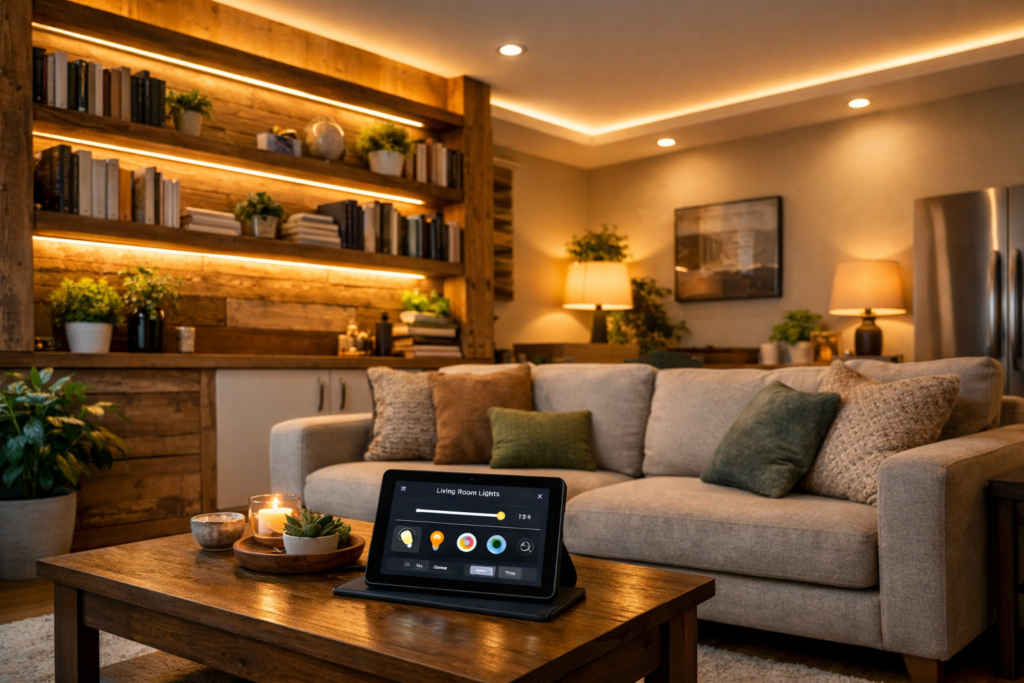
The amount of energy that lights consume is a big issue in the home and the incandescent light bulbs are not efficient. LED retrofits can transform an outdated light, make it more energy efficient, and can significantly reduce electricity costs. LEDs use up to 80% less electricity than other types of light bulbs, and can provide more than 25,000 hours of illumination. This durability means that LED lighting can last for a long time before it needs to be replaced, reducing the number of replacements and waste. LED lights are a key component of sustainable home design.
But efficiency isn’t the only advantage of LEDs. They also offer numerous different styles, brightness levels and color temperatures, making it possible for homeowners to tailor their spaces to their own tastes on a sustainable basis. The smart LED systems can even connect to home automation systems, allowing for functionality such as dimming, scheduling, and remote control. LED retrofits can be done with a payback period of less than two years due to significant savings on electric bills. After a few years, LEDs become one of the cheapest eco-friendly alternatives that you can find.
Sustainable Materials: Building for the Future
Another major factor to take into account in eco-friendly remodeling is the choice of eco-friendly materials. Bamboo flooring, recycled steel and reclaimed wood are just a few examples of materials that are engineered to be as environmentally friendly as possible while still being tough and beautiful. For example, bamboo is fast-growing and regenerates without replanting and thus is a renewable source of hardwood. Recycled steel decreases the need for new mining ventures and reclaimed wood is a way of giving old materials a new life.
Sustainable materials can be cost effective in the long run, typically by minimizing maintenance costs. It can cost more but is very durable and will be worth it in the long term. Repair cost can be lowered as recycled steel framing will not warp or rot after decades of use. Likewise, reuse of timber results in a unique and characterful home and promotes circular economy. Focus on sustainable materials ensures stylish, durable, and eco-friendly homes.
Maximising the Impact of Gadgets with Smart Integration
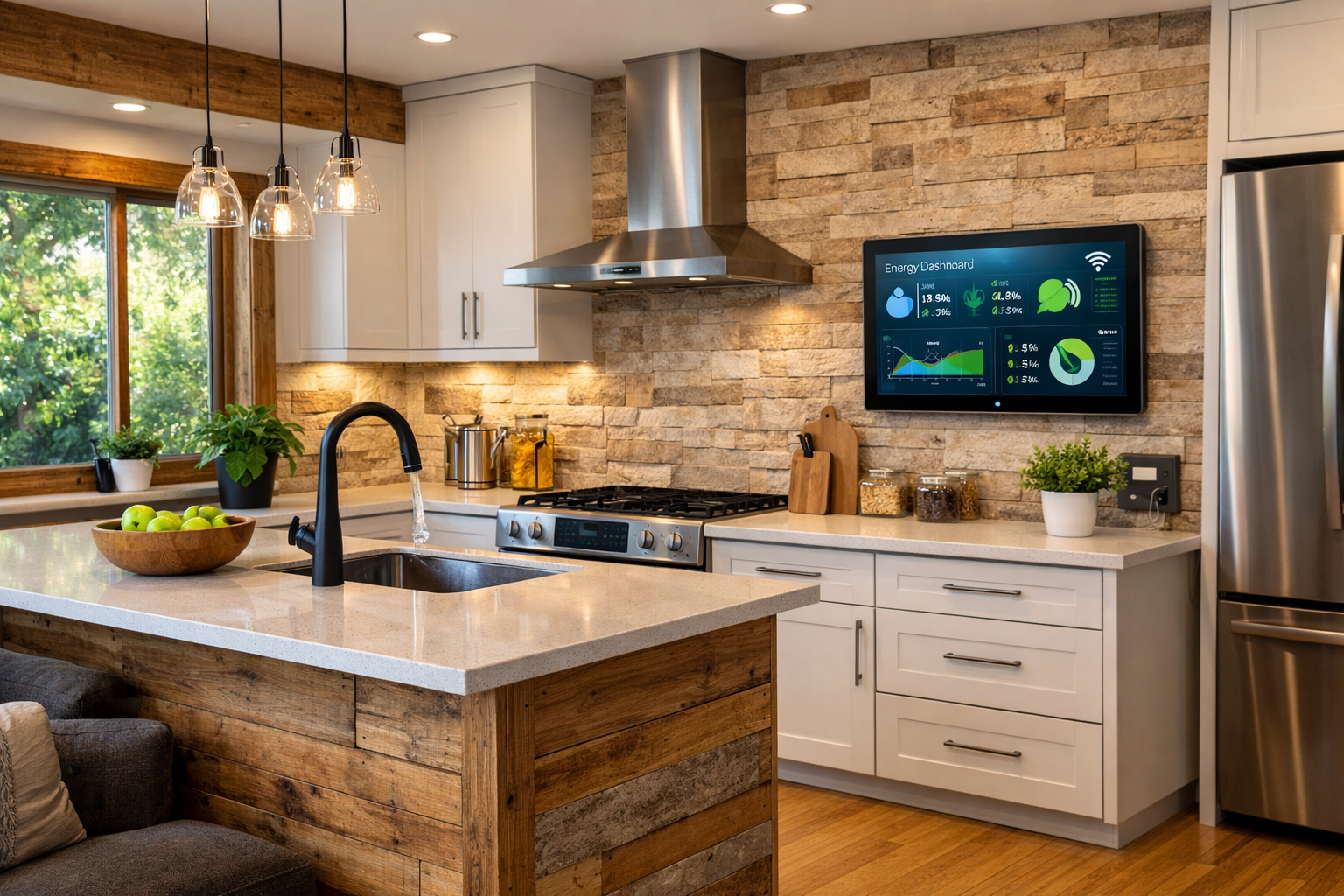
In fact, the secret behind the success of an eco-friendly remodeling is integration. Low-flow fixtures, LED retrofits and materials all offer individual benefits, which are multiplied when they are all used together to create an overall system of efficiency. Homeowners can oversee and control the energy and water usage of their smart home in real-time through automation platforms and smart home hubs. For example, LED lighting integrated with motion sensors can be used to only turn on lights when they are required, and smart water monitors can be used to detect water leaks and maximize the performance of water fixtures.
Another integration advantage is that the homeowner can gain the capability to calculate payback periods and to assess the efficacy of enhancements. A great number of smart systems offer comprehensive data and insights, including precise measurements of the reductions in energy and water consumption. This visibility will enable the homeowner to make informed investment decisions for the future. In conclusion, integration does more than just connect different green elements of your remodeling; it makes it a sustainable plan.
Payback Periods: Understanding the Financial Rewards
A great part of the attraction of green renovations is the notion of paybacks—that is, how long it will take to recover the investment. Savings from low flow fixtures can more than pay for the fixtures in one year due to the reduction in water bills. The payback period for LED retrofits is usually less than 2 years and sustainable materials need to be dependent on the specific application and type. So for instance, bamboo floorings can be more expensive in the long run to pay back than LED lighting can be, but they can provide the value.
Knowing the payback period can guide homeowners to make their prioritization of upgrades more budget and impact conscious. When it comes to the length of time it lasts and environmental impact, some may be more appealing and others longer-term investments will still have a lot of advantages. This will help homeowners with remodelling projects that will be both economically and environmentally viable.
Case Studies: Real-World Examples of Smart Remodeling
Consider an entire family fitting all showerheads with low-flow showerheads rather than regular showerheads. In 6 months they could see a 40% water savings which is hundreds of dollars per year in water savings. Similarly, if a homeowner had changed all of their light fixtures in their home to LED lights, they would save almost half a bill, and within two years become a net zero energy user.
This is the case, for instance, for sustainable materials. A couple that chose to work with recycled steel framing for their remodel said that their choice saved them money on maintaining their home and also added value to their home. These are just some examples of how “going green” is not only a theory, but a reality in remodeling and can make improvements likely in order to improve quality of life while still being beneficial to the planet.
Long-Term Benefits: Beyond Savings
Although financial savings are a primary incentive, there are numerous other advantages to eco-friendly remodeling, especially those that have an impact on the longer term. Sustainable homes may even have an increased resale value because buyers are beginning to have a greater focus on sustainability. Besides, these improvements also contribute to the improvement of living conditions because they inevitably lead to a decrease in the number of harmful substances that penetrate the environment and to an increase in the air quality in the interior of the rooms.
On a higher level, green home remodeling is an aspect of the global sustainability initiatives. Energy and water-saving promotes energy efficiency and energy conservation, which ultimately help to decrease greenhouse gas emissions and conserve natural resources. This collective impact will contribute to the solutions of climate change, to a healthier planet and future generations.
Conclusion: A Blueprint for Sustainable Living

There is no longer any doubt, smart home gadgets and green home renovation ideas are essentials for the smart home owner. Building in the resilience by preserving water, reducing energy consumption, and more, with low-flow fixtures, LED retrofits and water-resilient materials are just a few examples. All these modifications ensure an efficient, economical and eco-friendly living area.
Any homeowner who is committed to sustainability is likely to begin with simple and effective sustainable actions that will ultimately benefit them. Households can make informed choices about these smart gadgets that support their financial objectives and ecological values by understanding how they will benefit them and what their payback periods are. While eco-friendly remodeling is a trend, it is also a way to create a future of smarter, greener and more sustainable homes.