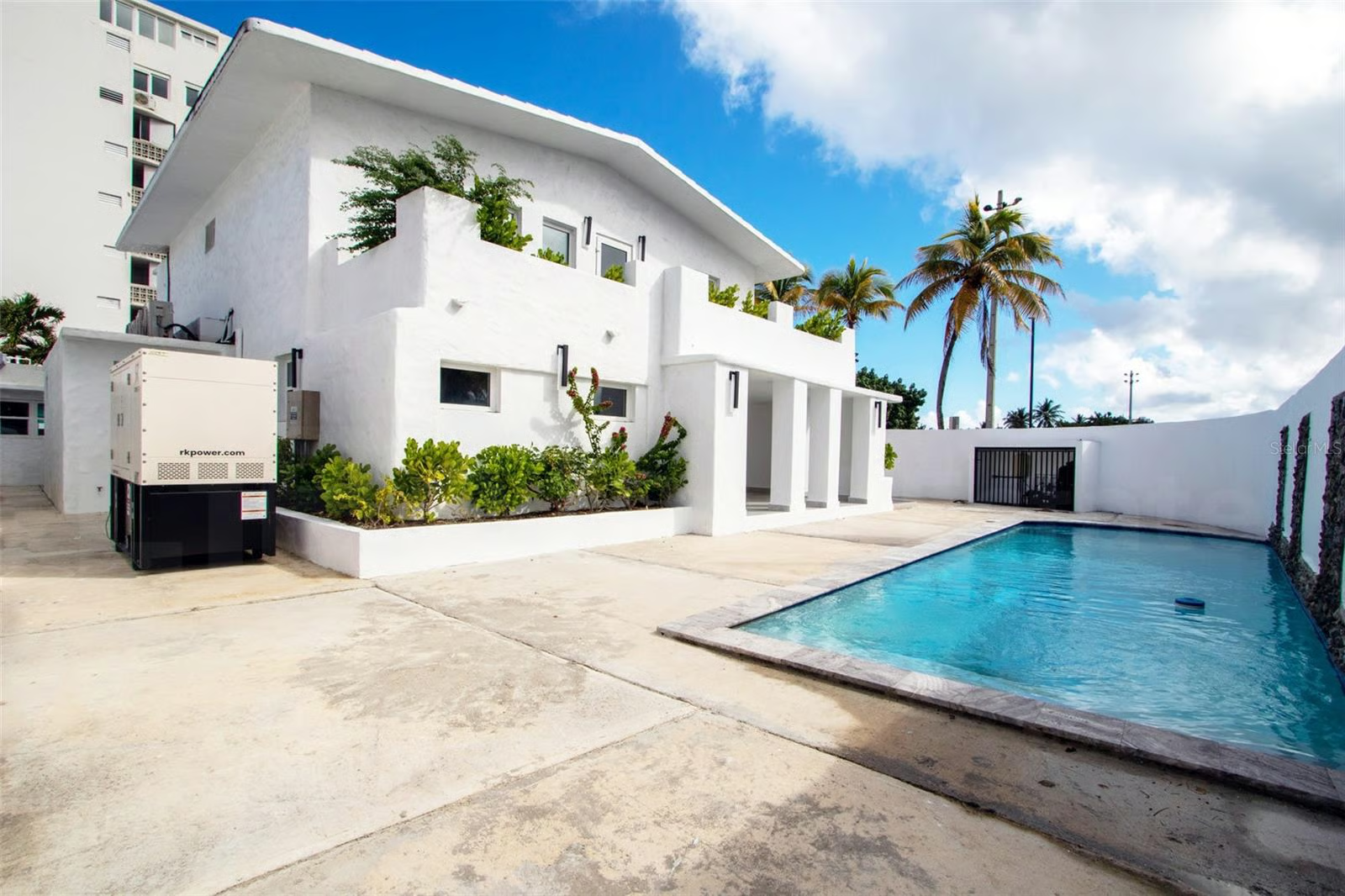
A coastal second home in Puerto Rico can be a place to gather, recharge, work remotely, or eventually retire. In Dorado, the appeal often begins with the northern coastline, tropical landscaping, golf, and resort-oriented living. But the right purchase should support real routines, not only an ideal vacation.
Buyers researching Dorado Beach PR homes for sale can use Island & Key’s Dorado Beach property search to compare condominiums, villas, oceanfront homes, resort residences, and single-family properties in and around Dorado Beach Resort. With a local focus on Dorado communities and buyer representation, Island & Key provides a useful market-specific starting point for evaluating the very different ways a coastal home can be owned and enjoyed.
Start With the Home’s Main Purpose
Before touring homes, define what the property must do for you. A family retreat may need guest rooms, storage, and easy beach access. A future retirement home may place more weight on a practical floor plan, nearby services, and manageable upkeep. A work-from-home base may require dependable internet, quiet rooms, and backup power.
Potential rental income should be treated as a separate question, not an assumption. Local rules, association documents, insurance requirements, and resort policies can all affect whether, when, and how a home may be rented.
Compare Dorado Coastal Communities by Everyday Lifestyle
Think beyond a holiday weekend. Spend time considering what an ordinary Tuesday would feel like: grocery runs, dining options, exercise, medical appointments, beach walks, school needs, and the drive to San Juan or the airport.
- How close is the home to the shoreline, golf, trails, tennis, or fitness facilities?
- Does the setting feel private and quiet, or active and social?
- Are restaurants, stores, health services, and daily conveniences practical for your routine?
- How will family members, guests, and service providers access the property?
Visit at more than one time of day if possible. Traffic, noise, weather exposure, and the feel of a community can change between busy and quieter periods.
Choose the Right Property Type
Condominiums
Condos may suit buyers who prefer shared exterior maintenance, managed security, and nearby amenities. Review association fees, budgets, reserve funding, insurance, rental limits, and rules for renovations before making an offer.
Villas
Villas can offer more privacy and outdoor space while retaining a community or resort setting. Ask who maintains landscaping, exterior finishes, pools, roofs, and storm-related repairs.
Single-Family Homes
A detached home may provide greater control over storage, parking, design, and multigenerational use. It can also require more direct oversight, especially when the property sits vacant for part of the year.
Build a Complete Ownership Budget
The purchase price is only one part of the decision. Create a normal annual budget and a separate reserve for major repairs, replacements, or storm-related expenses.
- Property taxes, insurance, and association or resort fees.
- Electricity, water, internet, backup power, and water storage.
- Cleaning, landscaping, pool care, pest control, and property management.
- Furnishings, appliance replacement, security, and travel expenses.
- Closing costs, inspections, legal review, and other professional services.
Review Flood, Storm, and Utility Readiness
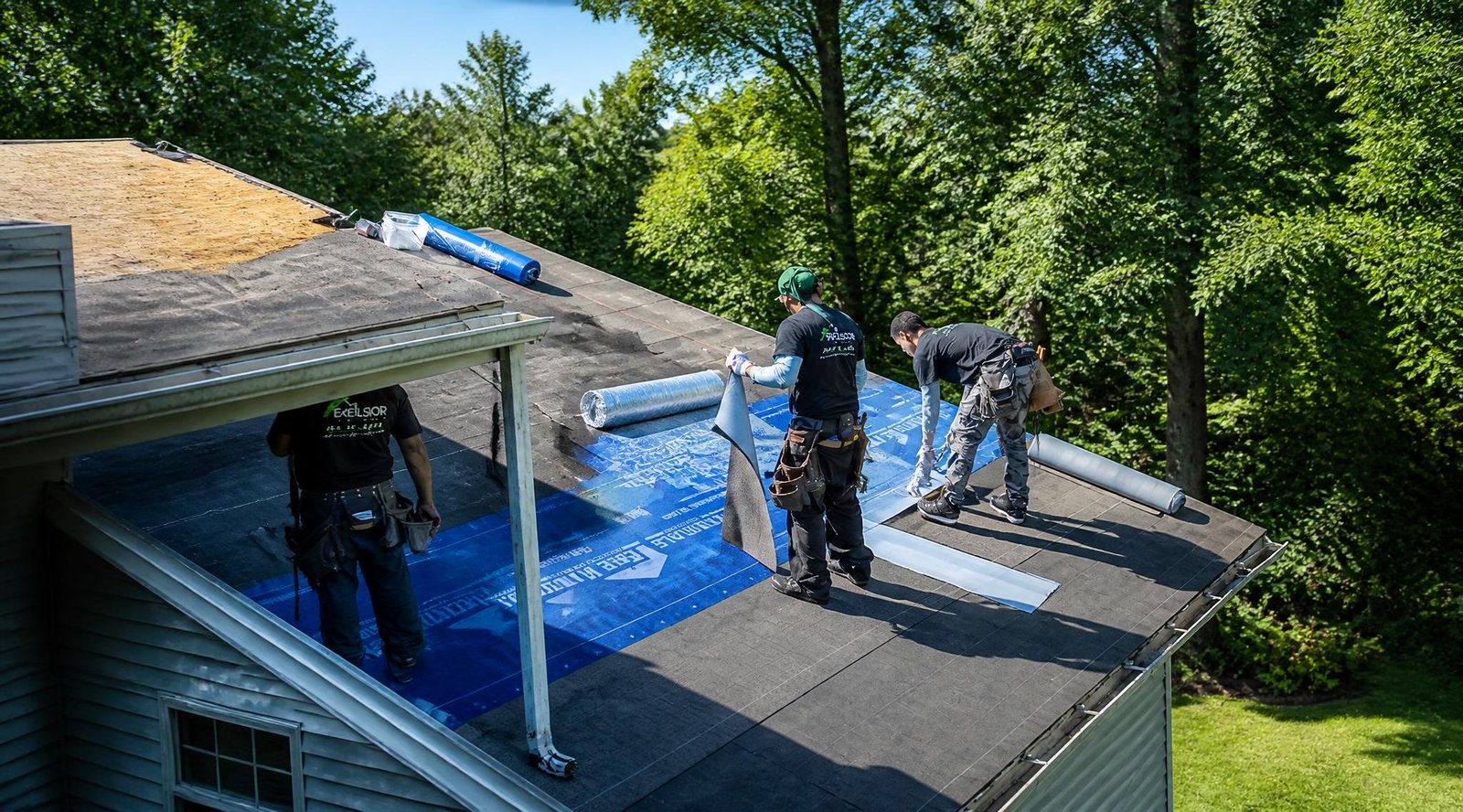
Coastal ownership calls for close attention to the home itself. Review drainage, elevation, roof condition, window and door protection, generator capacity, water storage, electrical systems, and access roads. Ask for maintenance records and confirm what repairs or improvements have been completed.
Use a general overview of federal flood insurance to begin understanding mapping, preparedness, and insurance questions. A qualified inspector and insurance professional can help apply those questions to a specific property.
Read Community Rules Before You Commit
Association and resort documents can shape daily ownership. Request and review governing documents, current budgets, meeting minutes, insurance information, and any pending assessments.
- Minimum rental periods and guest registration requirements.
- Pet, parking, vehicle, and renovation restrictions.
- Rules for solar equipment, generators, fences, pools, and exterior changes.
- Access policies for beaches, clubs, recreational facilities, and shared amenities.
Consider Resale Appeal From the Beginning
Even a long-term buyer benefits from considering the next owner. Flexible bedrooms, durable finishes, outdoor living areas, useful storage, reliable utilities, and a well-kept community can broaden a home’s appeal. Highly personalized design choices may be enjoyable, but they can narrow the pool of future buyers.
Keep Residency and Tax Questions Separate
Owning property in Puerto Rico does not automatically establish bona fide residency for tax purposes. The IRS explains that residency considerations can include physical presence, tax home, and closer connection tests. Review the IRS guidance for bona fide residents of U.S. territories with a qualified tax adviser before relying on any tax-related claim.
Use a Simple Property Tour Scorecard
A written scorecard can keep a beautiful view from being overwhelmed by practical concerns. After each showing, rate the home from one to five for:
- Location, privacy, and access to amenities.
- Family comfort, layout, and guest capacity.
- Maintenance needs and total ownership cost.
- Storm readiness, power, water, and internet reliability.
- Community rules, management quality, and resale flexibility.
Also record the three strongest features, the three largest concerns, and travel time to the places you will use most.
Work With Local Professionals
A coastal purchase benefits from a team that understands the details. A real estate professional can explain community differences, while inspectors can focus on moisture, roofing, drainage, and electrical systems. Attorneys can review title, contracts, easements, and association documents. Insurance and tax advisers can address coverage and residency questions, while property managers can help estimate the realities of seasonal ownership.
Common Buyer Questions
Is a Coastal Second Home a Good Investment?
It depends on the purchase terms, holding period, insurance, upkeep, financing, rental restrictions, and personal use. For many owners, lifestyle value is as important as financial return.
Should I Rent Before Buying?
When possible, yes. A longer stay can reveal daily traffic patterns, noise, weather conditions, service access, and the difference between visiting a resort and living nearby.
What Matters Most in a Seasonal Home?
Prioritize secure access, ventilation, durable materials, simple maintenance, reliable utilities, storm protection, storage, and a clear plan for property care while you are away.
A Simple Buying Process
- Define the home’s primary purpose.
- Set a full ownership budget and repair reserve.
- Compare several Dorado-area coastal communities.
- Match the property type to your maintenance preferences.
- Complete flood, storm, insurance, inspection, and legal due diligence.
- Review community documents and tax questions with qualified professionals.
- Make a decision based on daily fit and long-term flexibility.
The best coastal second home in Puerto Rico is not necessarily the one with the most dramatic view. It is the one that fits your budget, habits, family needs, and comfort with ownership responsibilities year after year.