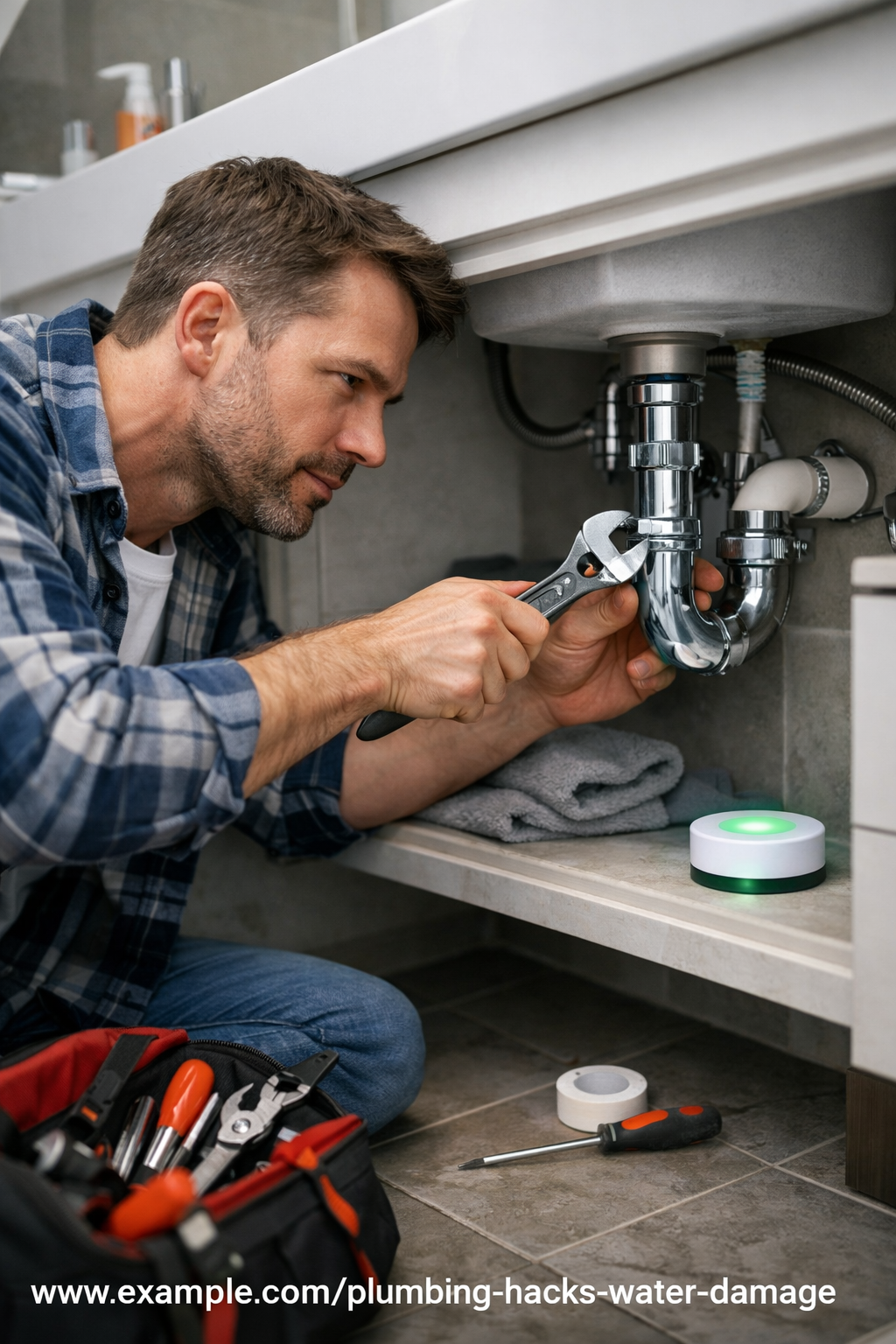
DIY Plumbing Home Maintenance is a very important aspect of home life, yet it’s easy to take for granted until a problem arises. Issues like a clogged drain, a running toilet, or a leaky faucet can disrupt your routine and cause unnecessary stress. Although professional plumbers are the go‑to for large‑scale issues, many common plumbing problems can be solved with a little know‑how and practice. Families that invest time in learning DIY plumbing home maintenance save money and gain confidence in handling emergencies. For a full run-down of home repair skills check out this guide to basic home maintenance skills.
Why Plumbing Skills Matter for Families
In each home it is the plumbing systems which are used for cooking, cleaning, bathing, and sanitation. When something does break down the issue is immediate. We see that what a family spends on a repairman ranges from $250 an hour and emergency call-outs are even more expensive. By learning to do common plumbing repairs families reduce expenses, avoid water damage, and maintain independence. Also, these skills pass on to both children and adults which in turn empowers them to take responsibility for their living environment, fostering resilience and preparedness. Out of this comes the ability to act fast in an emergency, which prevents small issues from turning into large, costly disasters. Families which practice these skills report more confidence in their home management, which brings a sense of security and pride in home ownership.
Basic Plumbing Repairs Every Home Should Know
Cutting off water supply:
In terms of what is most important, it is the ability to turn off the water in an emergency. In each home there is a main shutoff valve which is usually by the water meter or in the basement. Also, individual fixtures like sinks and toilets have separate valves. What you should do is turn them off quickly in the event of a pipe blowing out or a leak. It is a good idea for families to practice finding and testing these valves as a routine, and ensure each member of the family is aware of what to do in an emergency. This simple step may save thousands in repair bills and also protects your possessions. It is one of the easiest ways to get kids and teens to feel they can handle an emergency, as it requires no special tools and only basic know-how.
Repairing a Leaky Toilet:
A home wasting water from a broken toilet is a very real issue for many, which also increases utility bills. The primary cause is a bad flapper or fill valve. Replacing these is not expensive and is a simple job. Families can learn to open the tank, check the chain and flapper, and put in new parts if they are worn out. This repair not only puts money back in your pocket but also is a great way to teach kids about conservation and responsibility. By learning this task your family can reduce water waste while also contributing to the environment’s health. It is also a chance to talk to your kids about resource management and how even small repairs add up to large results in terms of finance and the environment.
Fixing Leaky Faucets:
Leaky faucets go beyond being a nuisance—they waste water and also cause staining of the sink. Mostly they are a result of worn-out washers or cartridges. With a wrench and a screwdriver families are able to take apart the faucet, replace the bad part, and put it back together. This repair increases confidence and shows how small fixes can prevent bigger issues. Over time, fixing leaks early saves hundreds of gallons of water and reduces utility costs greatly. Families which do this repair work gain insight into how the plumbing in the home works, making them more at ease with other repair jobs. It is a practical way to teach kids patience and precision, as the job requires careful handling of small parts.
Cleaning Drains:
Clog issues are a fact of life in kitchens and bathrooms. Instead of turning to harsh chemicals which damage pipes, try plunger or drain snake methods, or natural solutions like baking soda and vinegar. Teach kids to work through small clog issues—it is also a great way to reduce the need for expensive services. Regular maintenance like using drain strainers will stop clogs before they start. This skill keeps sinks and showers functioning properly and prevents daily disruptions. As families get into the practice of unblocking drains, they also develop the habit of preventive care, which is a very useful lesson in overall home maintenance.
Fixing small pipe leaks:
Small drips at the bottom of a sink or from exposed pipes may be fixed temporarily with epoxy putty or silicone tape. Though these are not permanent repairs, they buy you time to replace the damaged part. Homeowners should include these in their emergency kits. Acting fast avoids water damage, mold, and structural issues. This skill also teaches that minor leaks can be controlled until professional help arrives. It puts into practice the value of preparation—having the right materials at hand can turn what may be a large issue into a small inconvenience.
Water tank care:
Water heaters need regular attention for best performance. Families should learn how to safely turn off gas and electric models. Annual tank flushing removes sediment, which improves performance and extends the life of the unit. Insulating the heater will reduce energy costs. These may be basic tasks but they have large-scale benefits. Proper maintenance is simple but yields great results. Caring for your water heater will provide a steady supply of hot water and prevent large repair bills, improving the flow of your daily routine at home. Taking on this responsibility may inspire families to adopt other green initiatives around the home.
Tools Every Household Should Own

- Adjustable wrench
- Plunger (cup and flange)
- Pipe tape (Teflon)
- Drain snake or auger
- Bucket and towels
- Flashlight
These are low-cost tools which fix most minor plumbing issues. We recommend organizing them to allow quick access during emergencies. Also, have a dedicated toolbox for plumbing repairs to make it easy to jump on issues at a moment’s notice. Having these tools at hand reduces stress during an emergency, when there is no time to go out and buy supplies.
Safety Tips for DIY Plumbing
Safety must be the top priority. Before do-it-yourself repairs families should turn off the water, put on gloves and safety glasses, and stay away from risky jobs like gas line work. Also very important is to know what to hand over to the professional—large-scale leaks, sewer issues, or complex water heater problems should not be DIY projects. By following safety tips families can avoid accidents and have their DIY projects turn out safe and secure. Families should make safety a team effort, teaching kids to recognize when an issue is beyond their ability and requires professional help.
Long-Term Benefits of DIY Plumbing Skills
Learning home repair trades pays off in many ways. It reduces the family’s bottom line, builds confidence for emergencies, and raises property value. In homes which pass down these skills, children gain life skills that benefit them for years to come. Families enjoy peace of mind knowing they can do it themselves without panic. Over time, a DIY culture develops in which families are better prepared for challenges and less reliant on external services. Families which practice DIY maintenance also report stronger bonds. Working together on repair projects improves teamwork and communication between family members.
Conclusion

DIY plumbing care is not meant to replace professional plumbers but to empower families to handle everyday issues with confidence. By learning home repairs like how to turn off the water, fix leaks, unblock drains, and maintain water heaters, families save money, prevent damage, and foster resilience. These skills are investments in your home and in the family’s future. Start small, practice often, and see growth in confidence—your home will too. Families that roll up their sleeves and do it themselves not only protect their home but also grow a responsible and independent spirit which plays into every area of life.