Plumbing hacks water damage are essential for every homeowner who wants to protect their property. By applying simple tricks like leak detection, pipe insulation, and routine maintenance, you can prevent costly repairs and keep your home safe. Homeowners dread another thing as much as water damage: it’s the bill. Not only does it destroy furniture or flooring, but it can also undermine the structural integrity of your house, cause mold and can cost thousands of dollars in repairs. Fortunately, many water disasters can be averted with planning and maintenance of plumbing systems. With a few simple tips, you can secure your home, save money and eliminate stress. Here are 15 plumbing hacks that help you with detecting leaks, avoiding clogs and maintenance around plumbing fixtures to ensure your home remains safe and dry.
1. Know how to turn off the main water shut-off valve
It is important that every homeowner be familiar with the location of his or her main water shut-off valve. If a pipe bursts or water suddenly starts leaking, turning off the main water valve right away will avert flooding. Turn the valve at least twice a year to make sure that it does not get stuck. This is one of the most simple and most effective preventative measures and can save you thousands of dollars in damages.
2. Check for concealed leaks frequently
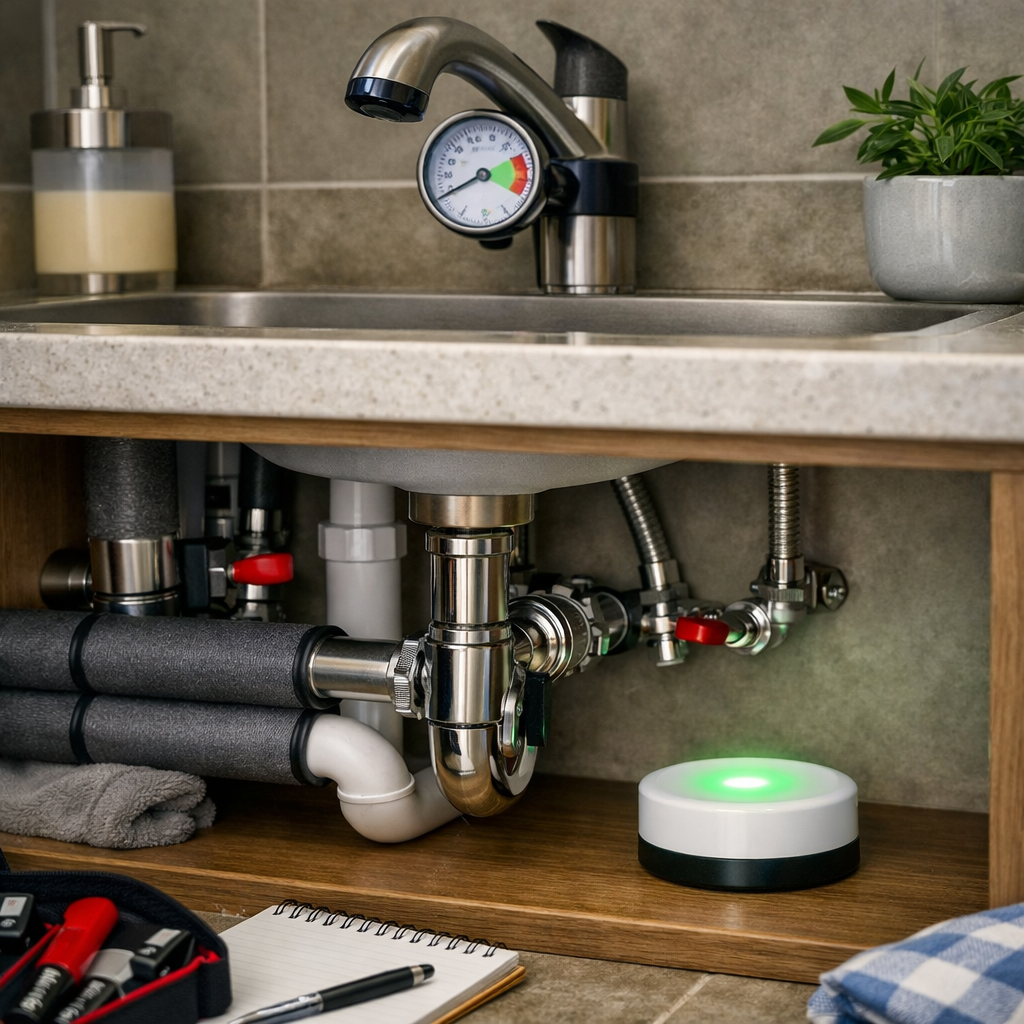
Often leaks are subtle and unnoticed, but can be a major problem over time. Look behind appliances, such as washing machines, dishwashers, under sinks and behind toilets. If you notice wet areas, peeling paint or foul smells, these are early signs. Monthly maintenance checks can help you address issues before they get out of hand. Keep in mind, a trickle drip can cause gallons of water to run away and can make your house weaker.
3. Install leak detection devices
Technology can be your greatest water damage prevention resource. A smart leak detector is a low cost device that detects water and tells you through your cell phone when water is found. Locate them close to susceptible items like water heaters, washing machines and under sinks. These devices can help you save valuable time before a small leak turns into a big mess.
4. Be aware of what you put down the drain
Toilets are intended to dispose of human waste and toilet paper — nothing else. Using flushing wipes, hygiene items or too much paper can lead to messy backups, block pipes and cause problems. Teaching all of your family about proper flushing can help you avoid plumbing problems. If the toilet is flushed improperly, it can cause costly repairs and water damage.
5. Don’t pour grease down the drain
Grease may appear harmless when hot, but turns to solid plug as it cools and block pipes. Don’t pour grease down the drain, be sure to put it in a closed container and throw it in the trash. This habit will help you avoid clogged drains, which can cause your kitchen sink to overflow and cause water damage.
6. Use natural remedies to clean drains
Chemical cleaners can provide quick solutions but can eventually cause corrosion to pipes. A safer alternative is to use baking soda and vinegar. Place half a cup of baking soda in the drain, and then pour half a cup of vinegar into the drain. Let it sit in the drain for 15 minutes, then add hot water and rinse. This natural method can clear up minor clogs, remove odor and keep your pipes fresh without chemicals.
7. Act on Water Quality warnings and alarms
A high water pressure can seem like a luxury in the shower, but it also can cause pipes and fixtures to burst. Use a pressure gauge to check your home’s water pressure. Ideally, it should be between 40 and 60 psi. If it is always above, just install a pressure regulator. This relatively inexpensive investment will save your plumbing from damage and a big bill.
8. Insulate pipes during cold weather

One of the most common causes of water damage during the winter is frozen pipes. Water expands when it freezes and can cause pipes to burst. Use heat tape or foam sleeves to insulate exposed pipes in basements, attics and exterior walls. Mild winters do not necessarily mean there are no problems, since sudden cold snaps may occur in these areas. It is much more cost effective to prevent a pipe burst than to fix it.
9. Connect a Water Softener
Hard water is water that has minerals that can cause pipes and appliances to become clogged and less efficient and last less. This buildup can lead to obstructions and leaks over time. A water softener can help to prevent mineral deposits, save your plumbing system from damage and prolong the life of your washing machine and dishwasher. This is a long-term investment with long-term savings on maintenance.
10. Practice Smart Landscaping
Tree roots love to get into underground pipes. Don’t plant trees near water lines, and select trees with less aggressive root systems. If trees are already in close proximity to the plumbing, use root barriers to safeguard plumbing lines. Smart landscaping can beautify your yard, and even save you money on underground damage.
11. Fix plumbing problems in a timely fashion
You might think that a leaky faucet or slow drain isn’t really a big deal, but little problems don’t stay little. Hundreds of gallons of water can be lost each year from a drip and slow drains can mean that there is a problem brewing. Solutions are undertaken immediately so as not to become an emergency. Taking swift action can save money and avoid water damage.
12.Educate Everyone in the Household
Plumbing care isn’t just the homeowner’s responsibility — it’s a team effort. Instruct family members on what can and cannot be put down drains, how to be aware of leaks, and the location of the shut-off valve. By being aware and simple, accidents can be avoided and everyone knows what to do in an emergency situation.
13.Do not use Chemical Drain Cleaners
Chemical cleaners may appear to be easy to use, but they can cause corrosion to pipes and damage the environment. If the clog is really hard to dislodge, use mechanical techniques such as plungers or drain snakes. Purchasing these tools gives you the ability to deal with minor clogs without risk of damaging your plumbing system.
14.Maintain Your Water Heater
Dirt in the water heater can make it less efficient and can lead to leaks. Drain or flush your water heater every year to maintain its life. This regular maintenance will help to ensure that the hot water supply is always on and that there are no last minute breakdowns that might cause water damage.
15 Create a Plumbing Maintenance Schedule
One of the most important things to avoid water damage is to maintain consistency. Establish an inspection, drain and appliance maintenance plan. Use reminders on your phone and/or calendar to keep you on track. Taking a proactive approach will help keep your plumbing system running well throughout the year, and minimize plumbing emergencies.
Conclusion
Taking proactive measures to care for your plumbing system can help you prevent water damage. Whether it’s knowing how to turn off your main valve or insulating pipes and educating your household, here are 15 hacks to safeguard your home. The costs and ease of preventive care is always less expensive and less difficult than emergency repairs. These practices will help you save money and also help you to feel better that your house is shielded from water issues.