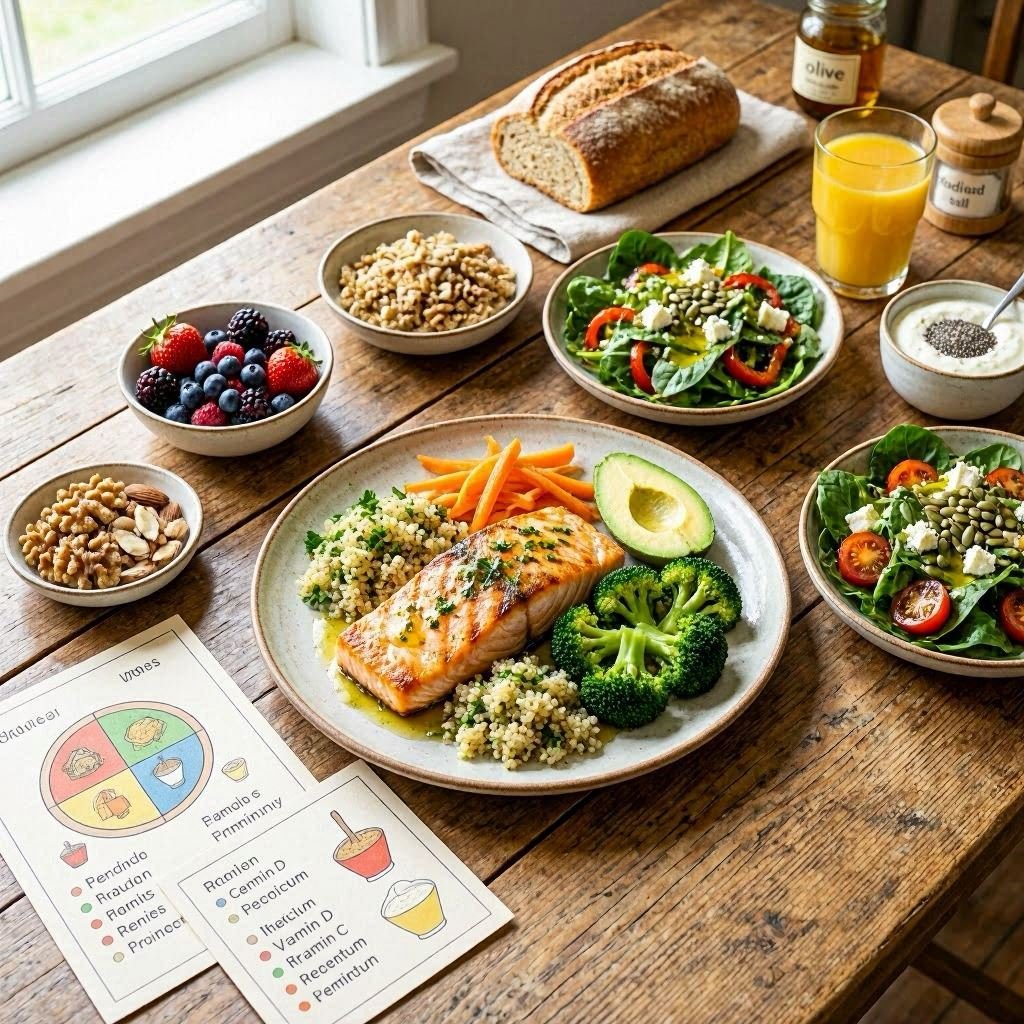
Good nutrition is more than just eating enough food. The quality and diversity of foods eaten on a daily basis can be important in providing nutrients for the body to adequately function. The vitamins and minerals are among the most critical nutrients since they are associated with a wide range of growth processes, energy production, immune function and other wellbeing processes. Although these foods are critical, it is difficult for many people to get adequate intake of nutritious foods because of busy lifestyles and limited food variety or lack of nutritional knowledge. Eating more doesn’t have to be a drastic change in life habits when it comes to nutrients, as there are simple strategies people can use.
Knowing what each of the vitamins and minerals do is an important part of creating a healthier diet. These nutrients can be obtained from a variety of foods, such as fruits, vegetables, whole grains, legumes, dairy, nuts, seeds, and lean protein. Luckily, there’s no need to buy specialized products or adhere to a strict diet to add variety to nutrients. Taking conscious action and diversifying food choices into the diet will ensure that nutrition is enhanced and enjoyable eating habits are had.
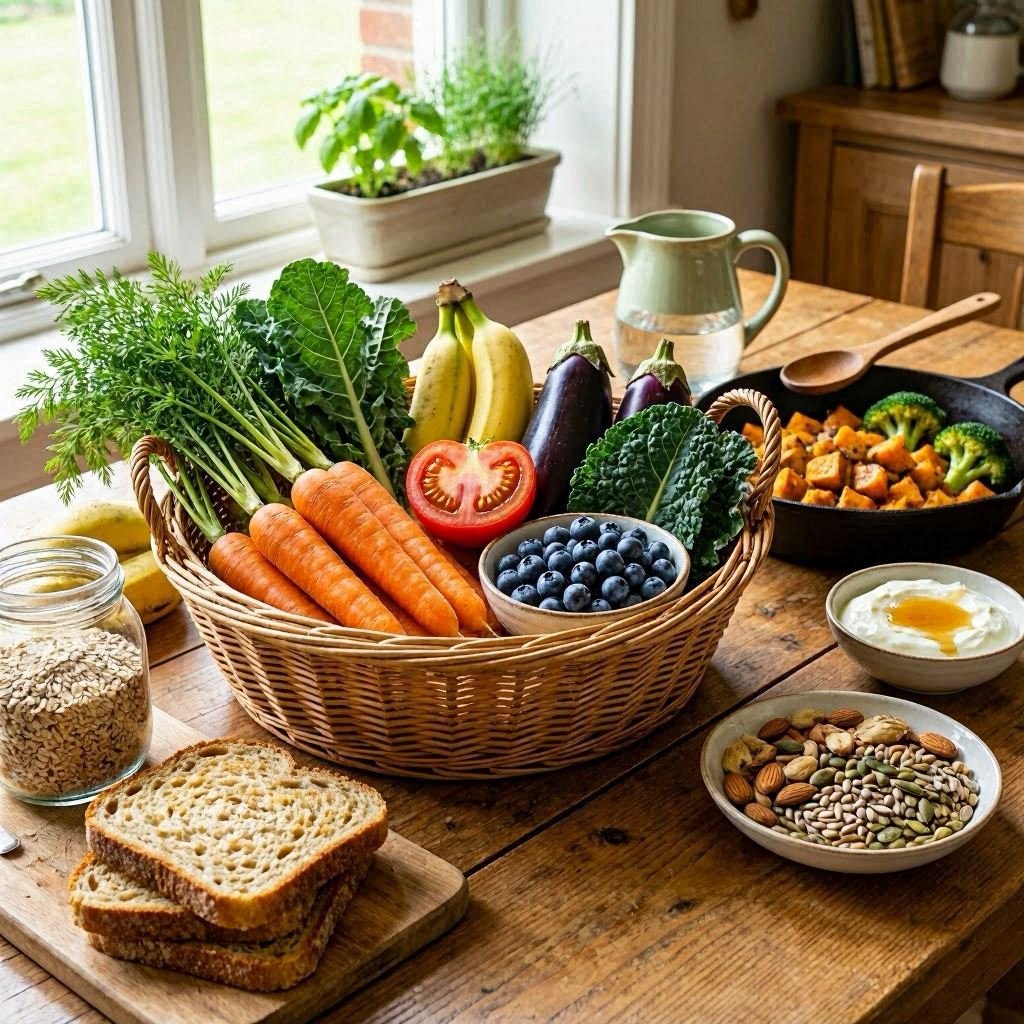
Essential vitamins and minerals promoted via colorful fruits, vegetables and whole foods.
Vitamins and Minerals are crucial to a healthy life
Vitamins and minerals are sometimes referred to as “micronutrients”, as they are required in lower quantities when compared to carbohydrates, proteins and fats. Their contribution to health status is, however, very important. Vitamins help support energy, vision, immunity and growth. Minerals are vital to bone health, fluid balance, nerve function and much more. Some vitamins and mineralsthat are needed in the body must be consumed regularly, as they cannot be stockpiled in large amounts. That’s why it’s crucial to have a varied diet. The diversity of nutrient-dense foods assures that the micronutrients required for normal function and wellbeing are provided.
Vitamins and minerals come from a variety of sources
People think that they have to take a special supplement or buy super expensive health foods to get the necessary vitamins and minerals, but there are many common foods that can offer them the nutrients they need. Fruits and vegetables are a great source of vitamins A and C, potassium and folate. Whole grains are a source of B vitamins and minerals (including magnesium). Legumes are rich in iron, zinc, folate, and dairy products are rich in calcium and vitamin B12. Nuts and seeds are a source of healthy fats, vitamin E, and magnesium. By knowing where nutrients are found, it will be easier to plan meals that are balanced to foster awareness of nutrition and promote healthier eating.
- Have a wider range of fruits
The easiest way to boost vitamin and mineral levels is to try to eat more different kinds of fruits every day of the week. The nutritional content of fruits varies from one type to another, so it’s important to eat a variety of fruits to ensure a balanced diet. Variety in fruit helps to increase the range of nutrients consumed, and can make meals and snacks more interesting and colourful, as well as providing vitamin C, potassium, and uses for the plant compounds found in berries and vitamin A in mangoes. Variety also decreases the monotony of eating and helps make foods more palatable as well.
- Add Vegetables at All Meals
Many people do not get the recommended amount of vegetables in their diet, and vegetables are one of the most nutrient dense foods around. Eating vegetables for breakfast, lunch and dinner can make a huge improvement in vitamin and mineral consumption without any big changes in diet. Leafy greens, carrots, peppers, tomatoes and cruciferous vegetables all offer different combinations of nutrients. Incorporating vegetables into soups, omelets, grain dishes, and as a side dish helps make balanced meals easier to create that will help you on a long-term nutritional plan.
- Eat Whole Grains More Often
Wholegrains are more nutritious than extremely processed grain foods, since they keep more parts of the grain kernel. Whole grains like oats, brown rice, whole wheat bread and barley are rich in important vitamins and minerals as well as dietary fiber. Planting in some of the refined grains products with whole grain options can lead to greater nutrient intake and meal satisfaction. This is a straightforward adjustment that will enhance food diversity and nutritional value.
- The next step is to incorporate Legumes into your weekly mealtime plans
The beans, lentils, peas and chickpeas are cheaply available, nutritious foods. They provide iron, folate, magnesium and vegetarian protein, in addition to fiber. Legumes can easily be included in many meal patterns such as soups, salads, stews, grain bowls and side dishes. Because they are affordable and versatile, they make good additions for anyone looking to eat a food with nutrients without rising food costs.
- Add nuts and seeds frequently.
Nuts and seeds are a good source of vitamin E, magnesium, zinc and good fats. Some foods provide valuable micronutrients to the diet, such as almonds, walnuts, sunflower and pumpkin seeds. Serve in small quantities with cereal, yogurt, salad or as a snack. Different nuts and seeds can be eaten each day to provide a variety of nutrition and added texture and flavour to meals.
- Play with foods of varying colors
Fruits and vegetables tend to be the color of a number of nutrients and beneficial plant compounds. There are foods of every colour, that supply different nutritional qualities. A good way to get a variety of vitamins and minerals in your food is to mix colors. You can also make a plate more appealing by adding a variety of colors, which will help you get a wider variety of nutrients over time.
- Have healthy snacks on hand.
Snacks can be important to provide extra nutrients, not just to curb hunger between meals. Vitamins and minerals can be added to foods that are easy to incorporate into a daily diet, such as fruits, yogurt, nuts, seeds and vegetables with healthy dips. Providing healthy snacks on hand will help promote healthy eating and keeping healthy eating habits in mind during busy days.
- Incorporate more Herbs and Spices.
Herbs and spices add flavour and also contain low levels of vitamins, minerals and health promoting plant compounds. Use fresh herbs to add flavor and nutrients to dishes, including parsley, cilantro and basil. Spices can add flavor to dishes, and spices such as turmeric, cinnamon, and paprika can help add variety while keeping salt and sugar to a minimum. Incorporating herbs and spices in creative ways increases enjoyment and diversity of nutrition.
- Flavor with Dairy or Fortified Alternatives.
Dairy products are well known as a good source of calcium; they can also contain vitamin B12 and other nutrients. Fortified alternatives can provide comparable nutrients to those found in dairy products depending on the type of product, for people who are avoiding dairy. These foods can be incorporated into well-balanced meals and can provide flexibility in the choice of food.
- Eat More Homemade Food
Eating at home provides people with more control over what they eat and how it is prepared. Homemade meals tend to contain more nutritious foods than convenience foods that have been heavily processed. Eating at home also allows for a chance to try new fruits, vegetables, legumes and whole grains that might not have been considered otherwise. This habit, over time, can enhance the dietary quality and nutrition awareness of the individual.
- Incorporate Leafy Greens into Daily Main Course.
Leafy greens like spinach, kale, and lettuce are a source of vitamins, minerals and health-promoting plant compounds. Add very easily to sandwiches, wraps, soups, smoothies and grain dishes. Leafy greens are versatile and plentiful, making them one of the simplest foods to add nutrients to your diet during the day.
- Choose Seasonal Produce
Seasonal fruits and vegetables have a better taste, are less expensive and fresher than fruits and vegetables out of season. Seasonal foods promote diet diversity as there are different foods available for consumption in different seasons. It allows people to have a broader spectrum of nutrients and a more varied diet. Seasonal food is easier to get and cheaper too!
- Try a new food.
Very few people change their food choices on a weekly basis, thus reducing the variety of nutrients. Exploring new foods like fruits, vegetables, grains, legumes and protein sources adds new vitamins and minerals to the diet. Familiarizing yourself with foods you haven’t tried before can also help make healthy eating fun and informative. Adding small amounts of food, like one weekly, can increase the variety of foods in their diet and enhance its nutritional quality.
- Use the Balanced Diet Plate to consistently create a balanced meal.
One of the best ways to boost vitamin and mineral consumption is to concentrate on well-balanced meals. Fruits, vegetables, whole grains, protein foods, and healthy fats provide opportunities to get nutrients from more than one food group. Foods meals are more likely to offer a balanced diet that is adequate in nutrients than meals based on a small number of foods. Planning regular meals helps to strengthen good eating habits and foster a healthy lifestyle.

The importance of essential vitamins and minerals is emphasized by providing balanced meals with various food groups.
Developing healthy, sustainable nutrient diets
Creating a nutrient-rich diet doesn’t have to be a complicated task or be done perfectly. Slow and steady changes in your diet and lifestyle can lead to sustainable nutrition. Making small changes like eating an extra portion of vegetables, serving whole grains or introducing a new fruit every week will make a big difference over time. The objective is to establish eating patterns that are realistic, enjoyable and flexible to various lifestyle and budget. But when nutritional choices become a part of day-to-day life, it becomes much easier to keep nutritious food varied.
Conclusion
The role of essential vitamins and minerals in the diet can enable people to make better food choices on a daily basis. These nutrients provide a variety of important functions in the body, and are best acquired from a varied and balanced diet. The good news is that it’s not a complicated eating regimen or expensive supplements that will increase nutrient intake. When people expand their food choices to include more fruits, vegetables, grains, legumes, nuts, seeds, and other good-for-you foods, they can make their food choices much healthier.
The 14 strategies described in this article show importance of essential vitamins and minerals can be easily accomplished and be of practical benefit. Making small regular changes can help develop healthier eating patterns and increase awareness of nutrients in foods that we eat daily. These habits help to create a better nutritional balance, improve diet diversity and build a better nutritional base over time.