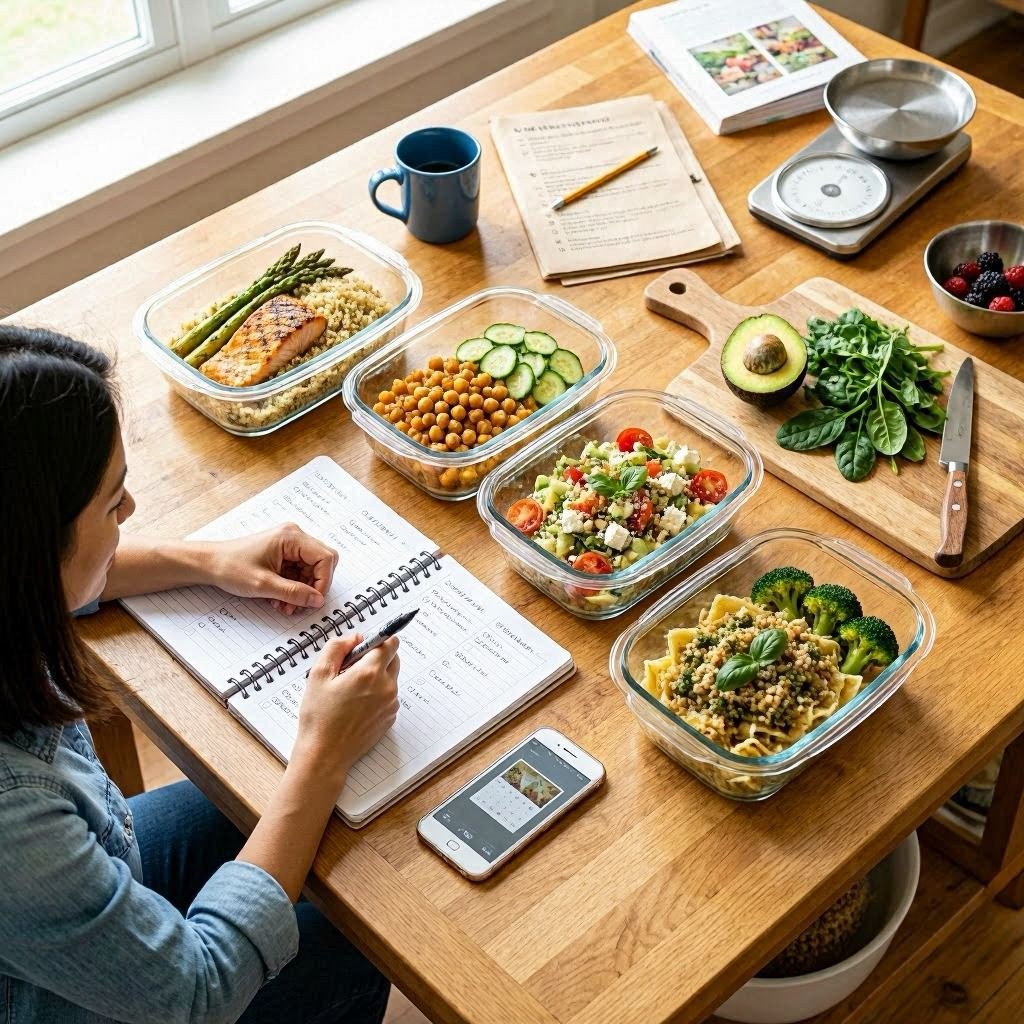
It can be difficult to develop a healthy eating plan when work, school, family duties and other everyday responsibilities vie for your attention. While most people know the importance of eating a balanced diet, they may sacrifice eating nutritious foods when time is short and are forced to pick up a quick meal. A busy week can make it hard to eat healthy, but there are lots of ways to make eating healthy a breeze. One of the best ways to help create consistency, minimise food waste and make healthy meals available during busy days, is to plan your meals.
Teaching and reinforcing practical meal-planning techniques can change the habits of individuals and families in relation to nutrition. Meal planning is a structured way to plan what, why, and how to eat in a healthy way and can actually save time, make grocery shopping easier, and help people maintain a balanced eating pattern without a complicated process. Households can benefit from more regular healthy food consumption if they can make a plan to provide meals and think creatively about how to give their family healthy foods. Here are a few healthy habits that can help busy people and families develop a realistic approach to meal planning that is convenient and nutritious.
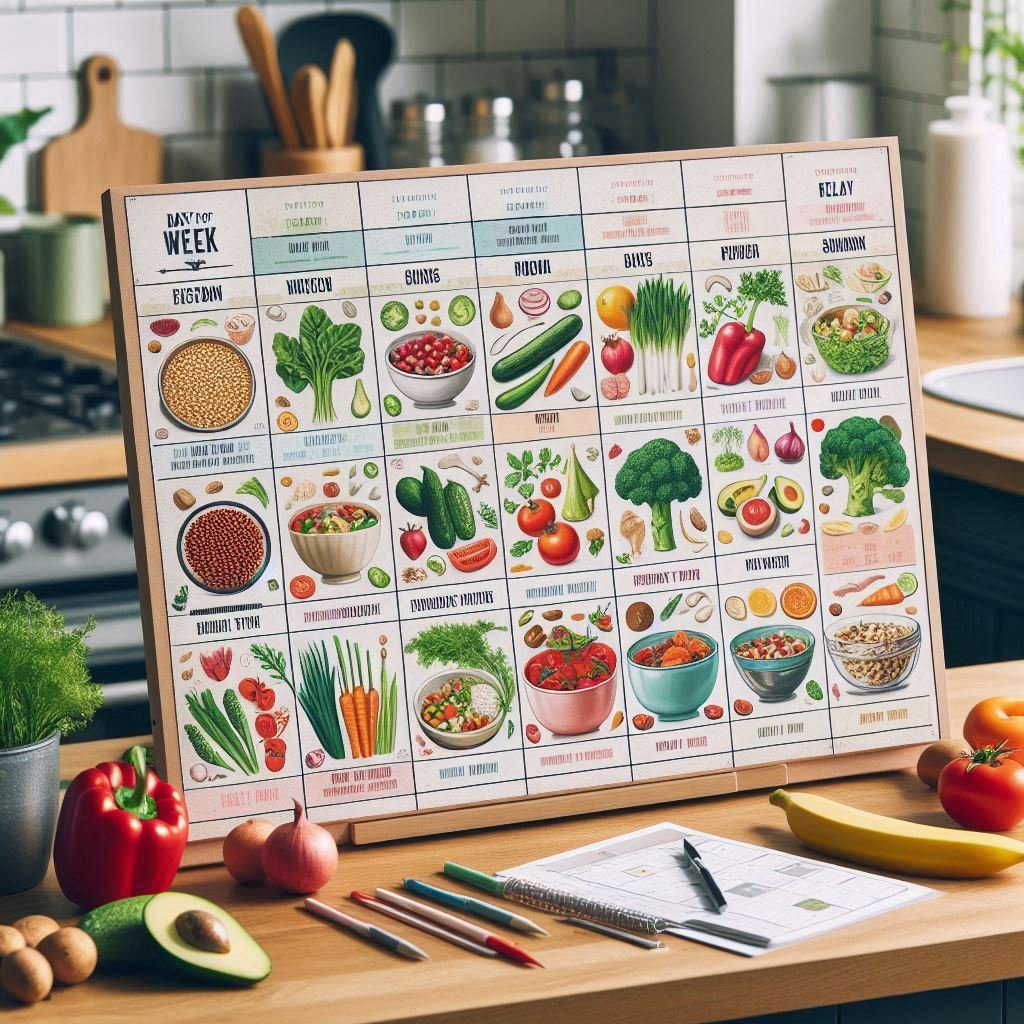
Practical meal planning techniques through meal planning organized by week and healthy ingredients.
Meal Planning for Busy Lifestyles – The Importance.
The benefits of meal planning are much more than convenient. In planning ahead, people are more likely to have a good balance of food groups and a balanced diet for the week. Planning will also help to prevent impulsive buying and the temptation to opt for less healthy convenience foods during busy times. Planning meals can also make for an organized family; everyone knows what meals are planned and what ingredients must be bought to prepare them. Additionally, planned meals may help to minimize food waste by making sure ingredients are utilized properly. All these benefits make meal planning a realistic approach to eating healthily when you’re busy.
Check out habit #1: Create a Weekly Meal Schedule.
A great habit to have when it comes to meal planning is taking the time to make a basic meal plan for the week. This doesn’t mean that you have to have a recipe for each meal, but it does mean that you should figure out what types of food are going to be made each day. Having a weekly plan will reduce the daily element of uncertainty and will make grocery shopping more efficient, as essential ingredients will be bought ahead of time. It may help to think about work plans, school activities and other commitments that might impact the time available to prepare meals when deciding on a meal schedule. Simple meals can be served on busy days and elaborate meals for less busy days. This helps to establish a realistic approach which can support consistency.
Habit 2: Make Meals Based on Balanced Nutritio
The key to a successful meal plan is more than just what to eat. It also calls for a consideration of nutritional balance. Eating meals with vegetables, fruits, whole grains, protein foods and healthy fats contributes to quality of the diet. People can look at food groups and not concentrate on nutrient content, but instead take advantage of complementary food groups. For instance, a protein-heavy dinner may feature grilled protein, veggies and a whole grain side dish. Eating healthy all week long can be made easier by planning meals around a balance of nutrition, and without a lot of complicated calculations or rigid dietary rules.
Habit 3: Make a Shopping List.
One of the most helpful tools for planning meals is a well-planned grocery list. Without a grocery list, forget to buy ingredients, buy more than is needed and make extra grocery trips. Checking the weekly menu before going to the store ensures that people know exactly what they need to buy, and can make the shopping process more efficient. A grocery list also aids in impulse control since purchases are planned in accordance with what is being eaten. Shopping can be quicker and easier if you organize the list by each section of the store, including proteins, grains, dairy, and produce. This is an easy home tidbit that can save time and money and promote healthy meal preparation.
Habit 4: Have ingredients ready to prepare in advance.
A practical idea to help save cooking time during the week is to prepare ingredients. Prepare vegetables, chop, cook grains and divide the food into portions beforehand to have meals assembled more quickly when you are busy. Many people find it easier to spend a couple hours on the weekend to prepare ingredients, then cook meals for several days later. Healthy foods will be used if they are easily accessible and convenient if there is advance preparation. This habit makes the healthy food a convenient part of a busy lifestyle.
Habit 5: Food, food, food!
Cooking in bulk is a great meal planning strategy for large families. Cooking in bulk provides a chance to have leftovers which can be eaten at lunch time or for dinner the following day. Soups, stews, grain dishes, and roasted vegetables are all foods that can last long and be used in various ways over the week. This helps to cut down on the number of times you’re cooking, but still allows nutritious meals during busy times. Planning ahead will allow people to make extra servings of healthy foods, ensuring that they have healthy alternatives to relying on less nutritious convenience foods.
Habit 6: Keep Healthy Convenience Foods Available:
There is no conflict between convenience and healthy eating. Planning meals can be supported and time saved by filling the kitchen with healthy convenience foods. Frozen vegetables, canned beans, pre-washed salad greens, whole grain products and plain yogurt are some of the foods that can make meal preparation easier without a compromise in nutrients. It’s essential to have them all on hand so you can put together a well-balanced meal in no time when you have to change your plans at the last minute. Healthy convenience foods are good to have to help stabilize things when you are having a busy week, or a week that just seems to be really busy!

Tips for meal planning in practice, including grocery organization and healthy cooking ideas.
Habit 7 Plan for Flexible Meal Options.
Structure is key, but so is flexibility when planning meals. Even the best plans can go awry due to unforeseen circumstances, changes in the schedule and family obligations. Flexible meal times within the weekly plan enable families to make adjustments without compromising healthy eating. For instance, if there is a change of plans with ingredients meant for one meal can be used in another meal. Keeping a couple of simple back-up meals can also help to alleviate stress during limited time. Flexibility makes the planning of meals more manageable and sustainable, and not a source of stress.
Habit 8: Engage the Whole Family
When family members are involved in meal planning, it can be easier and more effective. Having others participate in meal choice, menu planning or food preparation fosters teamwork and mutual responsibility. Family involvement might also boost enthusiasm for scheduled meals as they feel involved in decision-making. Valuable nutrition and cooking skills can be developed for children, and planning time is reduced for adults. When everyone participates in planning a meal, it takes place in an environment that can help make everyone’s diet healthier.
Habit 9: The plan is reviewed and updated on a regular basis
Planning meals is a lifelong habit that will change throughout life. It may be beneficial to look at the previous week’s successes to understand what to plan for next week. Certain meals can be favorites for the family and others may be impractical for too busy schedules. Evaluating regularly enables people to adjust their strategy and establish a lunch regimen that is more aligned with their choices and habits. Some modifications may include making the recipes easier, making different shopping changes or trying new foods for variety. This is a good habit to have so that meal planning will be achievable, fun, and doable by following it for a longer period of time.
The right way to grocery shop for a healthy diet
One of the most important things when planning a meal is to make smart grocery shopping decisions. Having a shopping list is helpful so that you don’t make unnecessary purchases, and to make sure you have healthy foods on hand when you need them. Seasonal produce may be more affordable and available, and bulk purchases of staples may be more cost-effective. Knowing how to compare products, read labels and choose the least processed products can also help with healthy eating. This strategy to grocery shopping can become an integral part of mealtime planning, helping people establish a system that is efficient, convenient, and nutritious.
Here are some time-saving tip for preparing nutritious meals
Don’t feel like you have to prepare meals for an entire weekend. Little things can add up for lots of time savings throughout the week if you do them consistently. Simple tricks such as cooking grains in advance, making snack bins, marinating proteins, and sorting food into labeled bins help alleviate the stress of assembling meals. Slow cookers, pressure cookers, and sheet-pan recipes can help with the preparation. The intent is to develop systems that will facilitate healthy eating options, not complicate the daily routine.
Make a Healthy Weekly Menu
It is simpler to create a weekly menu that is balanced and has familiar foods when they are planned around food combinations. People can choose to use similar ingredients to make different types of meals each day to make shopping easier and to save wasting the ingredients. For instance, vegetables from one meal can be used for another throughout the week, such as adding them to soups or salads or to a grain portion. Protein can come in many forms, and there are several different ways to cook them without having to do a ton of extra grocery shopping. This helps to maximize efficiency without sacrificing the health, satisfaction, and variety of meals.
Some frequent problems and solutions with meal planning.
A lot of people find it hard to plan their meals for several reasons: They think it takes a lot of work, they don’t have the time, and they think they need to cook everything ahead of time and in advance or stick to a meal schedule. Successful meal planning is actually often based on simple habits that slowly become every day habits. It’s easier to get started than to try to plan all the meals at once. Likewise, selecting familiar recipes can lessen preparation stress, while boosting confidence. Knowing that meal planning is not perfect helps individuals stay flexible and be able to be consistent over time.
Conclusion
When planned and prepared, healthy eating becomes much easier! Meal planning is a great way to save time, minimize stress and promote healthy eating for busy people and families. Households can develop sustainable habits that promote healthy food choices across the week by planning weekly schedules, creating well-balanced meals, planning foods ahead, strategically shopping, and staying flexible.
All nine of the habits throughout this article show that planning a successful meal is not a complicated process or an extensive bit of culinary knowledge. Making a few small, regular changes can make a big difference in terms of convenience and the nutritional value. These habits are incorporated into daily lives making healthy eating more of a lifestyle practice and something that can easily be achieved and sustained in even the busiest lifestyles.