
Introduction
When all car repair and maintenance records are in digital format, it’s much easier to keep track of the repairs. Paper receipts and notebooks can become cumbersome and messy with an older vehicle and increased repairs. A digital car maintenance app enables drivers to document maintenance dates, mileage, repair expenses, replacement parts, mechanics, and a number of other helpful data, all directly from a smartphone. Owners can easily access their vehicle’s maintenance logs from time to time, rather than sifting through paperwork.
Digital maintenance logs can also provide owners with insights into the history of their vehicle’s maintenance. They can indicate when significant services were performed, the cost of various repairs, and which parts have been replaced. There are also some apps that offer maintenance tips, receipt storage, fuel tracking, and expense reports. These attributes are all useful not just for day-to-day ownership, but also if you’re looking to sell a used car.
Why Use a Digital Car Maintenance Log?
Having a digital maintenance log is a great way to have all the information for your vehicle in one place. Owners can log oil changes, brake repairs, tire changes, battery installation, in-service, etc., based on the vehicle’s mileage without paper records. Digital records are accessible and easier to search and update, enabling the driver to easily obtain information on the previous repair. They can also alert the owner about any issues that are happening on a regular basis or when a specific part was last replaced.
In addition, organized maintenance records can provide the vehicle’s maintenance history when it is being sold to a new owner. These records don’t assure that a vehicle is in pristine condition, but they do offer useful information about the care that it has received in the past. This makes it easier to recall answers to repairs and maintenance questions, rather than relying on memory.
Information to Record
Helpful maintenance entries include the service date, mileage, the service, and cost. Owners can even input the mechanic or repair shop, the parts replaced, labor, and notes regarding what they think should be done in the future. For instance, an entry for a brake service would include the mileage, date of service, parts used, repair shop name, and payment.
Another convenient feature is the ability to store receipts. Some of the applications will enable users to snap invoices and add them to maintenance entries. This maintains information like part numbers, labor descriptions, and warranty information. It’s better to get all the information right when the repair takes place than to wait months to piece it together.
Various Types of Apps You Can Consider
There are various maintenance apps, and they have various needs. Simple maintenance trackers are created primarily for the purpose of recording services and reminders. For those drivers who only want to know when to get their oil changed, tire rotated, inspected, etc., these can be great. Advanced applications include maintenance history and fuel usage information, expenses, reminders, and document storage.
The selection of the app depends on the amount of information that the driver would like to keep. It doesn’t always mean that the more features it has, the better the app is if its simple entries are hard to make. Search for an app that offers a convenient way to log mileage, dates, expenses, parts, and notes. Consider multiple vehicles and data backup, which can add up for households with more than one vehicle.
Maintenance Reminder Apps
The maintenance reminder applications remind drivers of periodic maintenance. Previous maintenance data can be inputted and reminders given by mileage and/or time. This helps to decrease the risk of missing out on scheduled maintenance, particularly if the car is used regularly or the maintenance schedule is hard to keep track of.
Reminders should not be used as a substitute, however, for permanent maintenance records. After providing a service, the driver should write down what was done, and this must include mileage, date, and cost. This makes the ephemeral reminder more of a valuable long-term history.
Car Expense Management Apps
Car expense management apps are the ideal tools for tracking the expenses of your car. A vehicle expense tracking app can combine maintenance records with fuel, insurance, registration, tires, and other expenses associated with a vehicle. This will provide a wider view for owners about the operating cost of their car. These records can ultimately be used over a number of years to determine when repair costs are higher.
Such information can also inform owners about what they can expect to spend in the future. They don’t have to recall the maintenance costs and can look back at past costs. But owners should keep in mind that the lower the cost of repairs, the lower the resale value.
What to Consider When Choosing an App
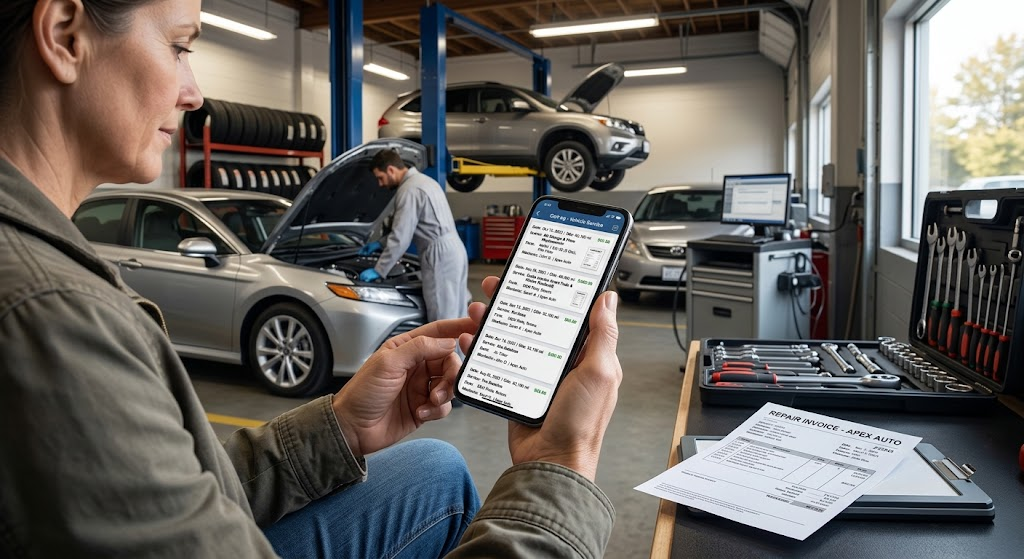
A solid car maintenance application ought to streamline the procedure for creating comprehensive service entries. Some of the most helpful information to document includes mileage, service dates, costs, parts replaced, description of the repairs, and the mechanics’ information. In addition, custom notes are useful since the repair may be out of the ordinary and not be categorized under one of the standard categories.
Receipt storage and backup are also a must. When there are high-dollar repairs to be made, it can be helpful to have digital copies of invoices on hand for reference. Drivers should also look to see if the driver’s logs can be exported or synced to retrieve them if the phone or device is changed.
Mileage and Date Tracking
Mileage is paramount since many car services are based upon mileage intervals. A maintenance log can be kept by recording the mileage at the time of maintenance, which will help to establish maintenance timing and service life of parts. It can also let you know if some repairs are occurring on a more frequent basis than they should.
One thing to keep in mind is that service dates are important since some service is done on time and not based on mileage. Taking a date and a mileage will give you more information. Drivers should try to make entries as soon after maintenance as possible to ensure that important information is not missed.
Repair Costs and Parts
When you record repair costs, you can get an idea of your vehicle costs over time. When available, the total amount paid, or parts and labor, can be recorded as separate points. These entries can be used after a few years to see which of the repairs have taken the most resources.
The information regarding replacement parts can also be beneficial. It is easier to find out what was previously installed if the name, brand, or part number of the part is recorded. This may assist in the repair and replacement of batteries, tires, filters, and brake parts in the future.
Creating a Full Digital Maintenance History
The first step in building a valuable maintenance record is to fill in some of the essential data about the vehicle: make, model, year, and current mileage. Previous services can then be added on using available receipts/invoices by owners. If there is some old information, it’s better to leave it out than to make an assumption.
Drivers must keep the following information about all repairs and services after they have been done: date, miles traveled, work done, parts changed, cost, and repair shop name. When the app has this option, receipts can be captured and added. Over the years, these entries build up a chronological record which is far easier to find than a stack of paper receipts.
Records When Selling Your Car
If you have a detailed maintenance log, you’ll have a great response to questions when selling your vehicle. The owner need not state that the oil was changed “recently”, but simply give the date and mileage when the oil was changed. Receipts may even be helpful to document large-scale parts replacement and repairs.
Maintenance records must be presented, but must be accurate. Owners shouldn’t just take the trouble to get rid of pricey repairs just to get the car to look up to standard. A full record will give a better overview and can help the prospective purchaser see what has been done to fix it.
Common Mistakes to Avoid
A frequent error that people make is only logging major repairs. Also, regular services like oil changes, tire rotations, inspections, and filter changes are integral parts of the practice and are vital indicators of regular maintenance. Yet another error is delaying the update of the app, which can result in missing and/or incorrect information.
Drivers should also never do everything they can just with one application without taking any backup. As far as practicable, important records should be kept, especially receipts for costly repairs. If you use an app for several years, you may run into issues later if you don’t check the backup and export options before you use it.
Conclusion
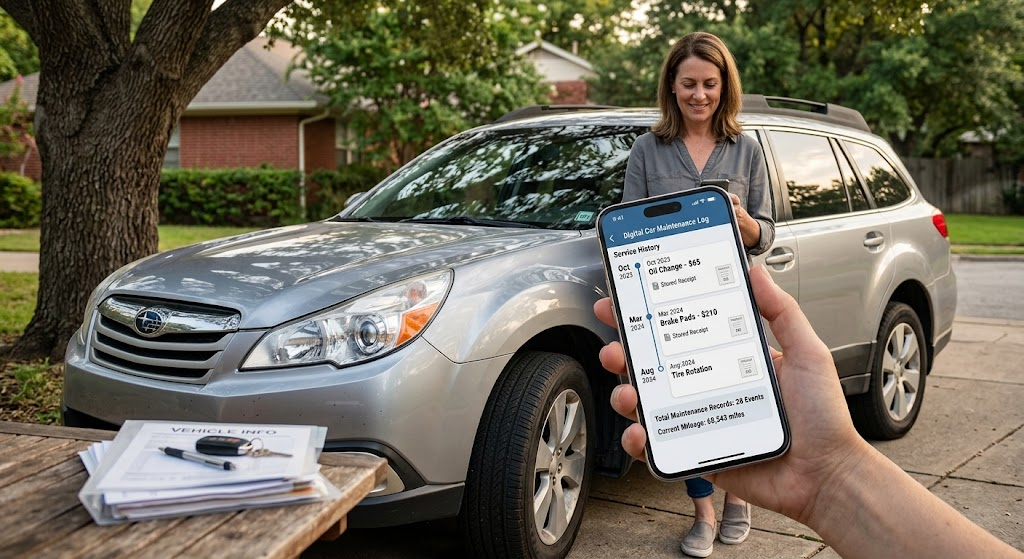
A digital car repair and maintenance log can be a great solution to replace a lot of the records that are linked to owning a car. The ideal apps will enable drivers to document service dates, mileage, costs of repairs, replacement parts, mechanics, receipts, and notes – and remind them of future service dates. The system could be even more useful with a feature to track expenses and back up.
What is most important is consistency. Drivers won’t have to document unnecessary data, but they should make accurate entries following a repair or service. These records form an important history that could be useful to the car owner over time, for managing maintenance costs and as proof of responsible ownership when they come to sell the car.