Introduction
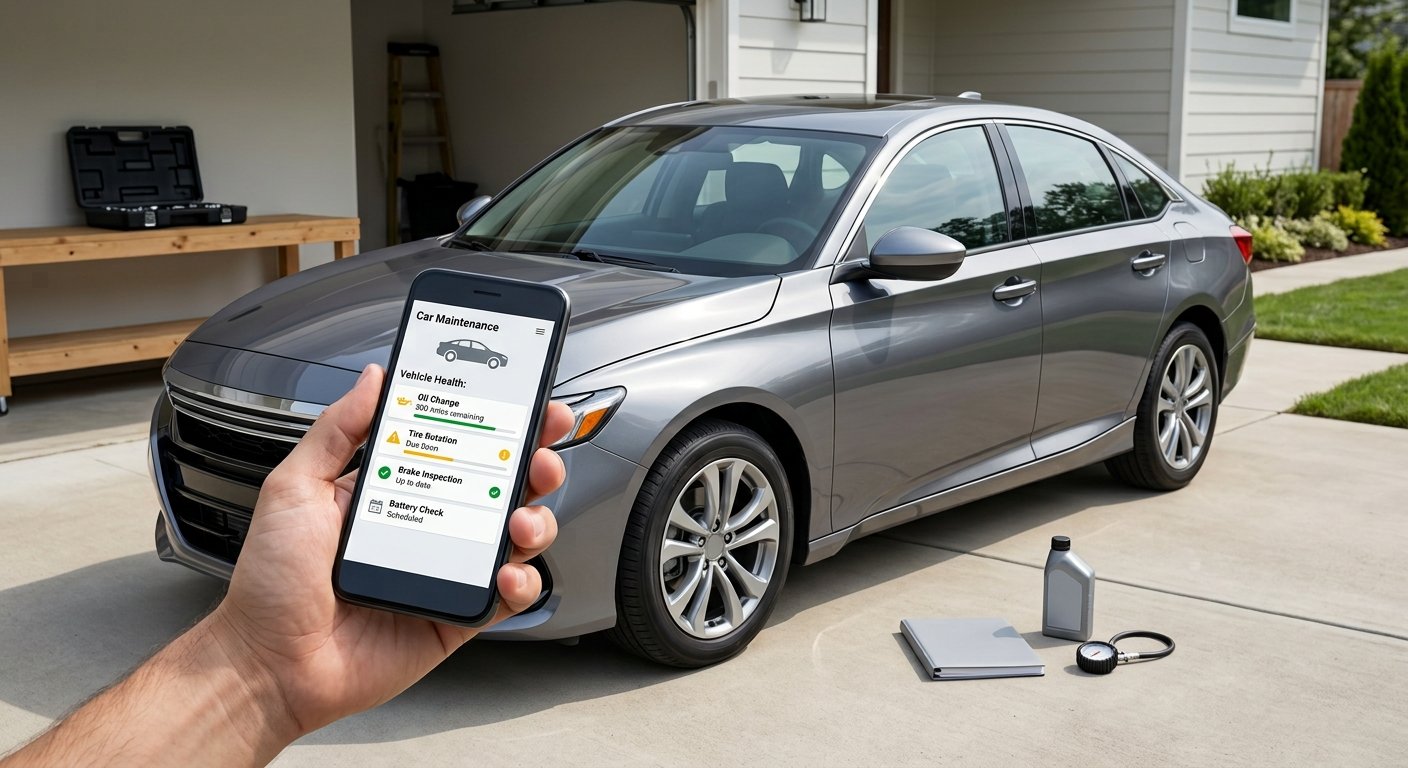
When drivers are busy, keeping a vehicle in good condition can be challenging. There are a number of maintenance cycles, such as oil changes, tire rotation, checking brakes, replacing batteries, checking fluids, replacing filters, and more. While it may not be an issue with an immediate impact on your vehicle, if you neglect regular maintenance, it can cause serious wear and result in costly repairs. These problems can be addressed by car maintenance reminder apps, which will keep service information in one place and alert drivers when they are due for maintenance or approaching the time limit.
Modern maintenance apps can keep track of both distance driven and dates, and this can prove handy for several maintenance services. Records of past maintenance can be stored, and current mileage can be inputted, as can recurring reminders and a digital repair history. This can be helpful for preventive vehicle maintenance, especially for those who don’t want to depend on their memory. Depending upon the driver’s requirements, the most ideal app should ease the hassles of regular maintenance administration and make it more helpful to carry out.
Why Use a Car Maintenance Reminder App?
The primary benefit of a maintenance reminder application is that it helps to make vehicle owners’ memories lighter. The driver might have the idea that an oil change is due, but may not know the exact mileage or date of the last oil change. That info can be saved in an app and used to figure out the next reminder. This is especially valuable when there are different maintenance tasks to be performed at different times. Oil changes may be based on mileage and time, tire rotations may depend on mileage, while battery replacement and some inspections may rely more on calendar dates and/or vehicle age.
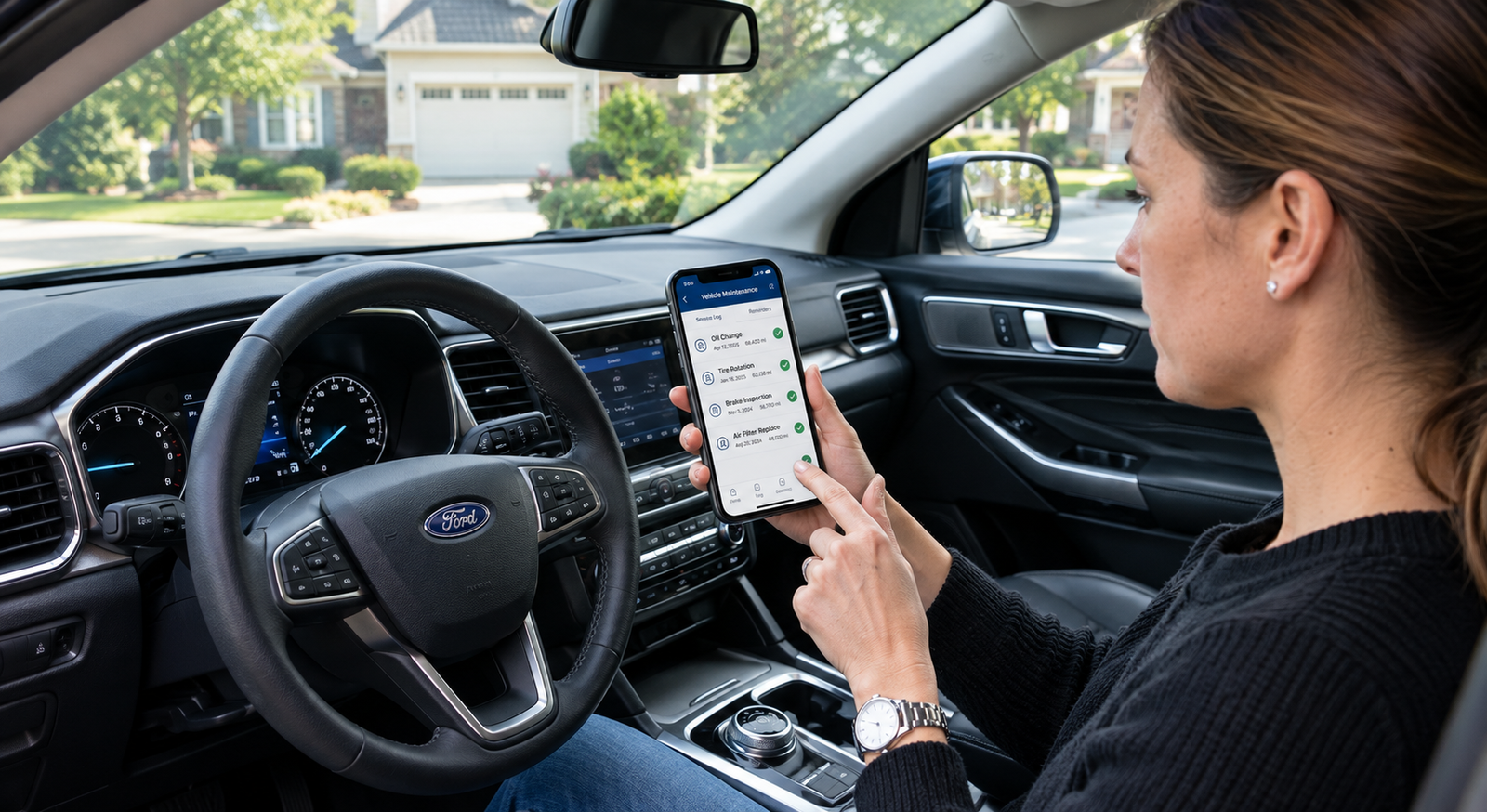
Other apps for maintenance can give an entire service history. Owners can document oil changes, tire services, brakes, battery changes, and other maintenance services in one place, instead of keeping a paper record or relying on memory. This information is useful in making future repairs or selling the vehicle. An app with multiple profiles can also mitigate the case of service info getting muddled for those who own more than one vehicle. Having a centralized maintenance record can make it easier to keep track of what’s been done and what’s still to be done.
Important Features to Look For
Mileage and Date-Based Reminders

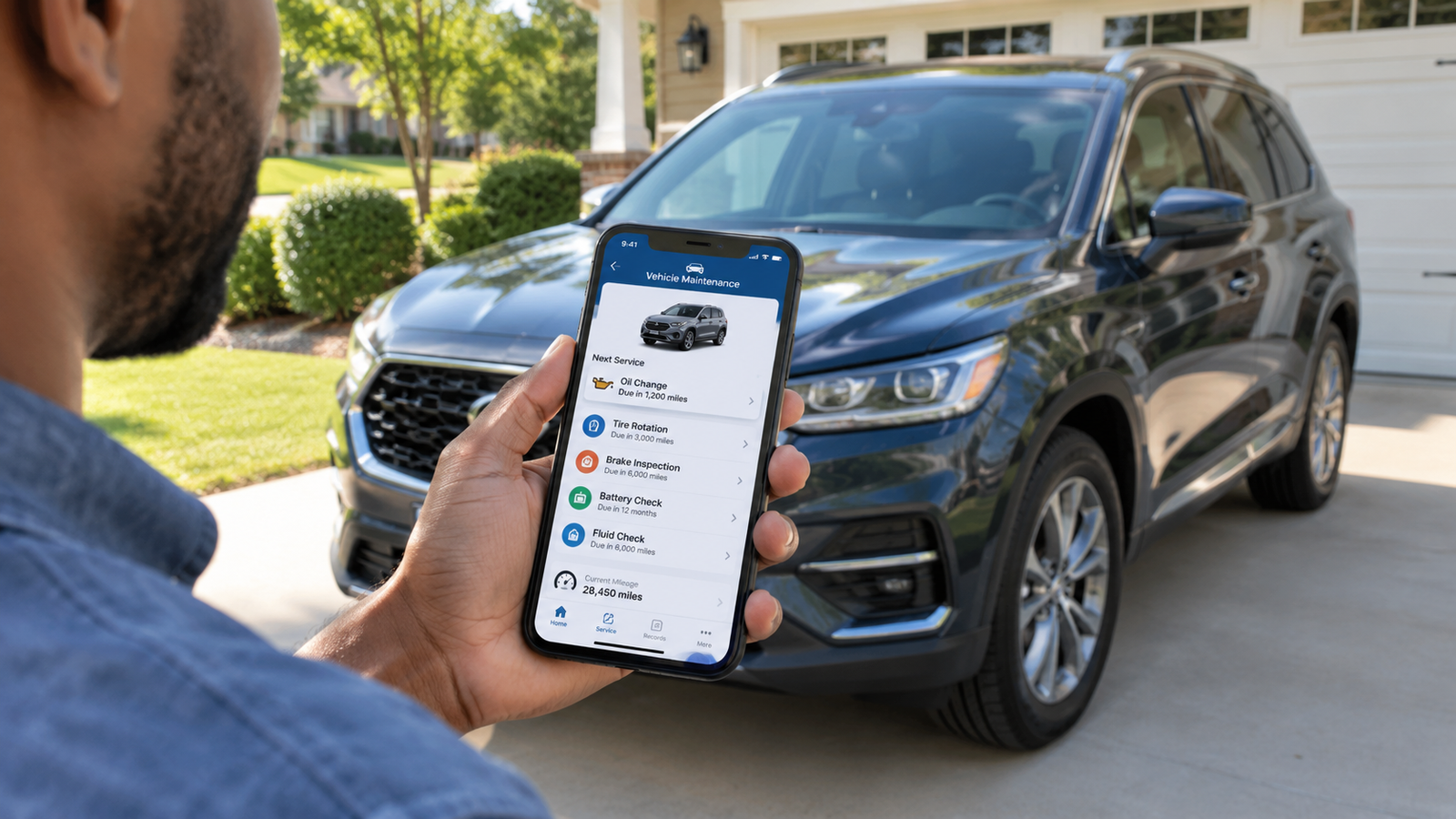
The best maintenance app will be capable of mileage reminders as well as date reminders. Mileage tracking can be very beneficial for the following services: oil changes, tire rotations, air filter changes, and some inspections. The owner can enter the vehicle’s current reading on the odometer and set the suggested service interval. The app can then notify the driver when the vehicle is getting close to the next maintenance point. It’s easier than checking the mileage and recalling when the last service occurred.
Date-based reminders are also important, as some maintenance activities are not dependent on distance. The age of a vehicle can be a reason for its attention even if it has been driven very little. Calendar reminders can be used to help with battery checks, some fluid services, annual inspections, and seasonal maintenance. These intervals should be followed according to the manufacturer’s recommendations, as they vary from vehicle to vehicle. The app should complement and not supplant this schedule.
Oil Change and Tire Reminders
One of the most helpful features is the reminder to change the oil in your engine, which is a vital component of regular engine care. With an app, the app can be able to log the oil change date and mileage and set a reminder for the next oil change. Owners may also be able to record the type of oil used and/or the oil filter, service cost, and other notes in some applications. While the rule is generally to use the same oil for all vehicles, the best practice is to use the oil that the vehicle manufacturer says you should use for that oil change.
Reminders can also be used to track tire maintenance. Drivers can book their tire rotations, inspections, pressure checks, seasonal changes, and replacement. Maintaining records on when tires were installed and rotated may help to pinpoint future service needs. But an app can’t physically check a tire, and it shouldn’t be used to take the place of checking for tire condition, tire pressure, uneven wear, or damage. Properly inspecting tires is still critical when there are concerns.
Brake and Battery Alerts
Mileage and date-based reminders can be used to add brake maintenance to an app. Owners can document brake inspections, pad replacement, and other maintenance performed on rotors. The remaining life of a brake component depends on driving conditions and driving habits, so an app should not be relied on to predict the remaining life. It should instead remind the driver when a previously recommended inspection or service is due, not anything else. If a vehicle experiences any unusual braking activity or alert, it’s best to get the vehicle serviced before the next service reminder.
The fact that the battery can age even if the car is not driven often makes battery reminders particularly helpful. An app could log the date of battery installation and set up a reminder for inspecting or planning for battery replacement. Battery condition is dependent on a number of factors, such as climate, use, and the electrical system of the vehicle, so a reminder is not a definitive indicator that a battery must be replaced on a specific date. It provides the owner with a convenient way of keeping track of battery age and the time to consider testing.
Tracking Other Maintenance and Repairs
It is important to have an extensive maintenance application for the owner to monitor other areas besides oil and tires. Routine maintenance can involve any number of components, including engine air filters, cabin filters, coolant, transmission fluid, brake fluid, spark plugs, belts, and more, depending on the vehicle. Owners should always refer to the manufacturer’s maintenance schedule, as each vehicle requires different maintenance. With those requirements in mind, the app can convert them to specific reminders that are simpler to deal with.
Digital records are particularly helpful if multiple services are scheduled to occur at the same time. Drivers can have one timeline instead of having one for each component, where they can track the work they have completed and what work is still pending. When the app provides the ability to record and store technician notes and repair costs, owners can do so as well. This eventually gives you a handy maintenance log of the car. Accurate recording of the work carried out can also assist with the subsequent sale of the vehicle, as the owner will be able to give a more detailed history of the work carried out.
Managing Multiple Vehicles
If you have multiple vehicles, you’ll want an app that will allow you to have multiple vehicle profiles. You should have a mileage, maintenance schedule, service history, and reminders for each vehicle. This will help prevent the unintended transfer of information from one vehicle to another. For instance, while a family sedan and a pickup truck might require different oil, tire, brake, and fluid types, they could also have different requirements for oil and fluid volumes. Individual profiles will make it simpler to control those variations from one application.
Another factor to take into account is customization – not all of the maintenance schedules that are outlined by a manufacturer will be a default in an app. Users should be able to perform custom maintenance tasks, adjust reminders, add mileage, and add completed services. Not all apps with lots of features are necessarily the most useful. Rather, it needs to be easily maintained so that the owner will maintain it.
How to Use Maintenance Reminder Apps Effectively
The key to using maintenance reminder apps is to use them as intended. Once an app has been installed, the owner should start by filling in the correct details of the vehicle. This could be their current mileage, the date they had their oil changed, the date they installed their tires, when their battery was replaced, brake work, etc., that are known. Owners of a used car can keep the data that is provided and set the maintenance baseline for the vehicle if the history for that vehicle is missing. Precise starting data makes the use of future reminders more beneficial.
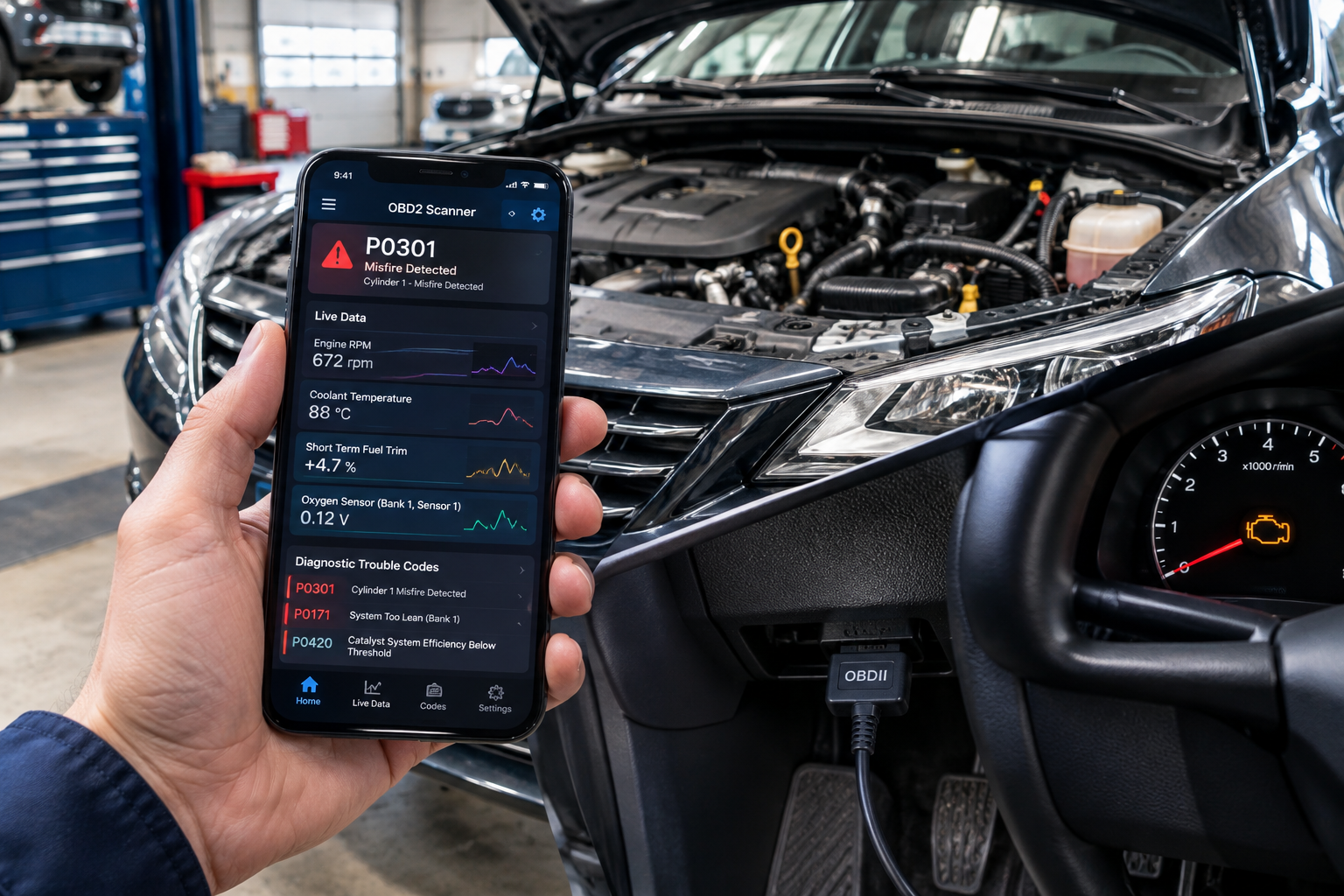
It is also a good idea to update the app after servicing to make sure drivers get the latest software, which ensures the system runs as efficiently as possible. If it is not recorded for a service several weeks later, it can lead to the wrong service reminder in the future. It is good to have a periodic review of upcoming maintenance, as well as the use of notifications. Checking monthly will give the owner an idea of which services are coming up, and the owner can make appointments and expense plans accordingly. The application should complement the owner’s manual, professional inspections, and dealing with warning lights or other issues.
Benefits of Staying Ahead of Maintenance
There are several benefits to getting ahead of maintenance, such as improved organization and better maintenance planning. The primary advantage of an application for reminders is improved organization. There are many maintenance transactions that need to be performed during the life of a vehicle, and if they are not all remembered without help, it can be difficult. Reminders become a routine with automated reminders. The owner could not determine when the last oil change was or when the tires were rotated, but can now check through the app. This will help to minimize the chance of overlooking the regular maintenance.
While regular maintenance will not prevent any mechanical issues that may arise in a vehicle, it will help to minimize unnecessary problems related to poorly maintained vehicles. Reminder apps remind drivers to perform oil services, inspections, tire maintenance, fluid checks, and other scheduled activities as recommended. They also leave a record which can be beneficial in future repairs and when buying a vehicle. This can make routine car maintenance much simpler for busy drivers.
Conclusion
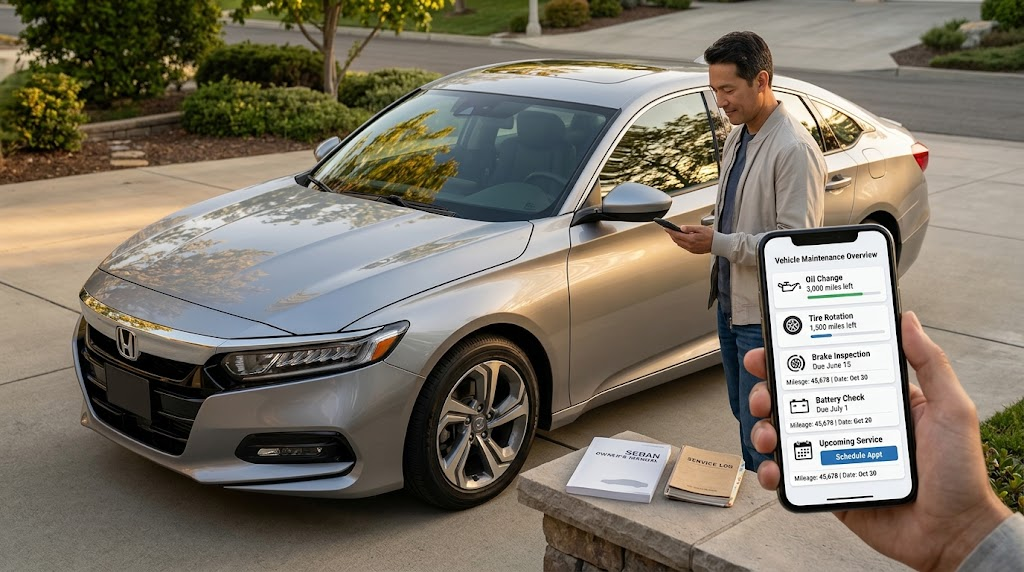
For car owners, the best car maintenance reminder apps can help them better manage oil changes, tire rotation services, brake inspections, battery maintenance, as well as fluid services, and much more. Mileage-based alerts are good for distance-based services, and calendar-based alerts work for time- or vehicle-age-based tasks. A good application should also feature maintenance history, customization, multiple-vehicle support, and easy notifications.
But a maintenance app should be used as a tool to organize and not replace the owner’s manual or a qualified person. The maintenance schedules and the condition of the components are decided by the manufacturers or by a professional inspection. If all the above is in place, a maintenance reminder app can assist the busy driver in staying ahead of the maintenance deadline and lessen the chance of having their routine maintenance forgotten.