A building’s foundation carries the weight of everything above it, yet most people give it very little thought until cracks, uneven floors, or moisture problems begin to appear. Some foundation changes develop slowly over many years, while others may become noticeable after heavy rain, drought, soil movement, or plumbing leaks. Knowing the cause makes it easier to respond before the damage becomes more serious.
Modern concrete foundation repair methods give building owners more options for identifying the source of movement and choosing a practical solution. In 2026, contractors have access to better measurement tools, improved repair materials, and more targeted stabilization systems. These advances make it easier to evaluate what is happening below the surface instead of treating every visible crack as the same problem.
What Causes Concrete Foundations to Move
Concrete is strong, but the soil beneath it is always changing. Moisture levels, weather, drainage, and construction conditions can all affect how the ground supports a foundation.
Expansive soil is one common cause of movement. Certain soils swell when they absorb water and shrink when they dry. Repeated wet-and-dry cycles can create uneven pressure under the foundation.
Poor drainage can create similar problems. Water that collects near the structure may soften soil or increase pressure against foundation walls. Gutters, downspouts, grading, and underground drainage all influence where that water travels.
Settlement can also happen when soil was not compacted properly before construction. Over time, loose soil may compress under the building’s weight.
Other possible causes include plumbing leaks beneath a slab, prolonged drought, landscaping changes, and erosion.
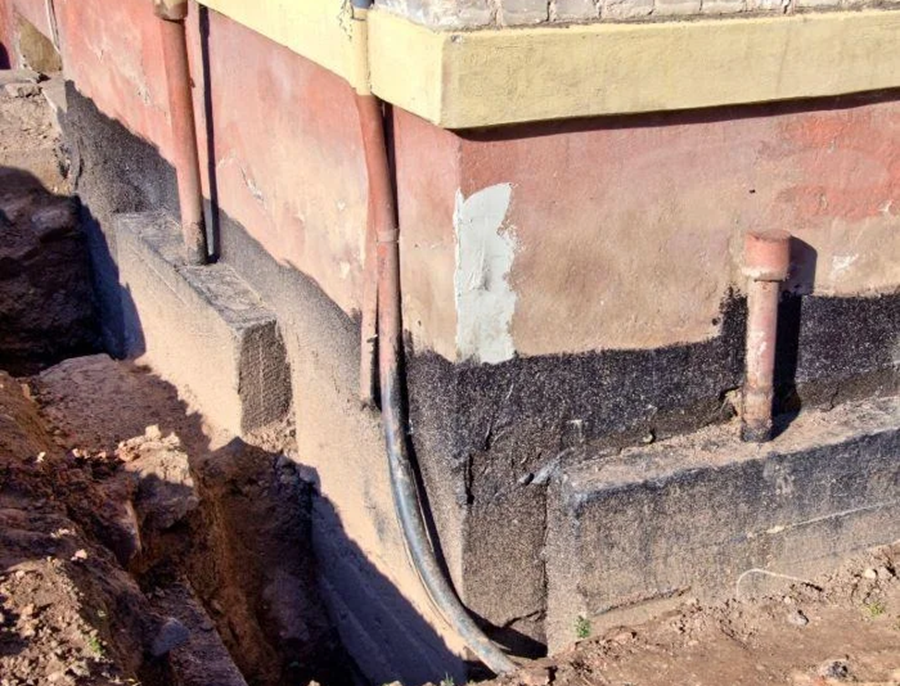
Finding the cause matters before starting concrete foundation repair. Filling a crack may improve its appearance, but it may not stop movement if the soil, drainage, or moisture problem continues.
Warning Signs That Deserve Attention
Not every crack signals a major structural problem. Concrete naturally shrinks as it cures, and small surface cracks may remain stable for years. The pattern, width, location, and changes over time are often more important than the presence of a crack alone.
Warning signs worth watching include:
- Stair-step cracks in brick or masonry
- Cracks that become wider over time
- Uneven or sloping floors
- Doors that begin sticking
- Windows that become difficult to open
- Gaps between walls, ceilings, or trim
- Water entering near foundation walls
- Crumbling or deteriorating concrete
Keeping a simple record can make changes easier to track. Take photographs of suspicious cracks and place a ruler beside them for scale. Compare the images every few months.
The Federal Emergency Management Agency provides guidance on reducing water-related risks around foundations, including sealing foundation cracks, improving runoff, and using drainage measures in areas prone to basement flooding. Readers can review FEMA’s Be Flood Smart: Protect Your Property guidance for practical information on protecting foundations and surrounding areas from excess water.
Modern Repair Methods Used Today
The right repair depends on the foundation type, the source of movement, and the severity of the damage. Modern contractors may use several methods depending on what an inspection reveals.
Crack injection is one common approach. Contractors may use epoxy in certain structural cracks, while polyurethane may be used when controlling water entry is the main concern. These treatments are most effective when the crack itself is the problem rather than a symptom of ongoing movement.
Pier systems are another option. Steel push piers or helical piers may transfer part of the building’s load to deeper, more stable soil. These systems are often considered when settlement has caused measurable structural movement.
Settled concrete slabs may sometimes be raised or stabilized using polyurethane injection. Contractors place material beneath the slab through small access points. The expanding material fills voids and may lift the concrete closer to its original position.
Drainage improvements may also be part of concrete foundation repair. Correcting grading, extending downspouts, improving water flow, or fixing leaks may reduce the conditions that contributed to movement in the first place.
Technology Is Changing Foundation Inspections
Foundation inspections have become more data-driven. Contractors may use laser levels or digital measuring equipment to compare floor elevations throughout a building. Small height differences can reveal settlement patterns that are hard to notice by eye.
Moisture meters may identify areas where excess water is affecting materials. Cameras and inspection equipment may also provide a clearer view of crawl spaces, foundation walls, or other difficult areas.
Photographs and measurements create a record you can compare later. If movement continues, contractors have more information about how quickly conditions are changing.
Technology does not replace experience. It gives contractors more evidence when deciding if a repair is needed and which method may be appropriate.
Building owners should ask what measurements or observations support a proposed repair. A clear explanation should connect the visible symptoms with the suspected cause.
What Happens During Foundation Repair
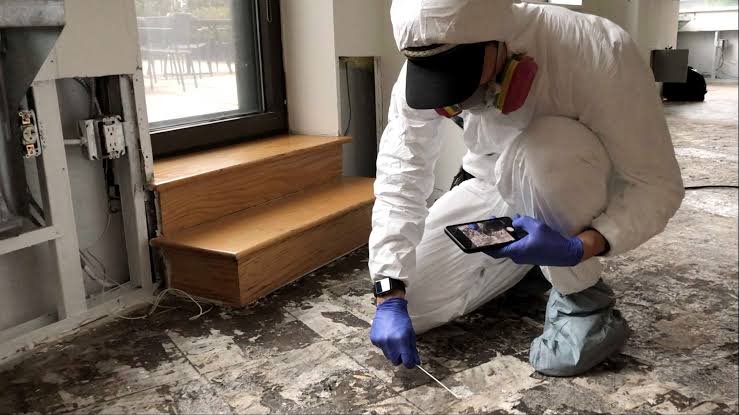
Most projects begin with an inspection. The contractor examines cracks, walls, floors, exterior conditions, drainage, and other signs of movement.
The contractor may measure floor elevations to determine whether part of the structure has settled. The contractor may also look for plumbing leaks, drainage problems, soil changes, or water accumulation.
Once the source and severity of movement are identified, the contractor can develop a repair plan.
The scope of concrete foundation repair varies greatly. A small crack may require a relatively simple treatment. More serious settlement may involve piers, slab stabilization, drainage work, or a combination of methods.
Before work begins, ask what caused the problem and what the proposed repair is designed to correct. It is also worth asking how the foundation will be monitored after the work is finished.
Simple Ways to Reduce Future Problems
Good drainage is one of the most important factors in foundation care. Keep gutters clear, and ensure downspouts direct water away from the structure.
Check the ground after heavy rain. Standing water near the foundation may indicate poor grading or drainage.
Investigate plumbing leaks quickly. Water beneath a slab may change soil conditions and create movement over time.
Monitor existing cracks instead of ignoring them. A crack that remains unchanged may be less concerning than one that widens or spreads.
Landscaping also deserves attention. Large changes in vegetation or soil moisture near the foundation may affect ground conditions.
Regular observation does not prevent every foundation problem, but it makes unusual changes easier to spot before repairs become more complicated.
Understanding the Problem Comes First
Foundation damage can look alarming, but visible cracks do not always tell the whole story. Soil movement, drainage, moisture, settlement, and normal concrete behavior can produce similar symptoms.
Modern inspection tools and repair methods make it easier to understand what is happening before choosing a solution. The strongest approach starts with identifying the source of movement, not covering the visible damage and hoping the problem stops.
Monitoring cracks, maintaining drainage, investigating leaks, and responding to structural changes early can reduce the risk of larger repairs later.
If cracks, uneven floors, moisture, or other foundation changes are becoming a concern, Florissant Foundation Repair Pros provides foundation inspections and repair services for a range of structural issues. Visit foundationrepairflorissant.com to learn more about available services and repair options.