Introduction
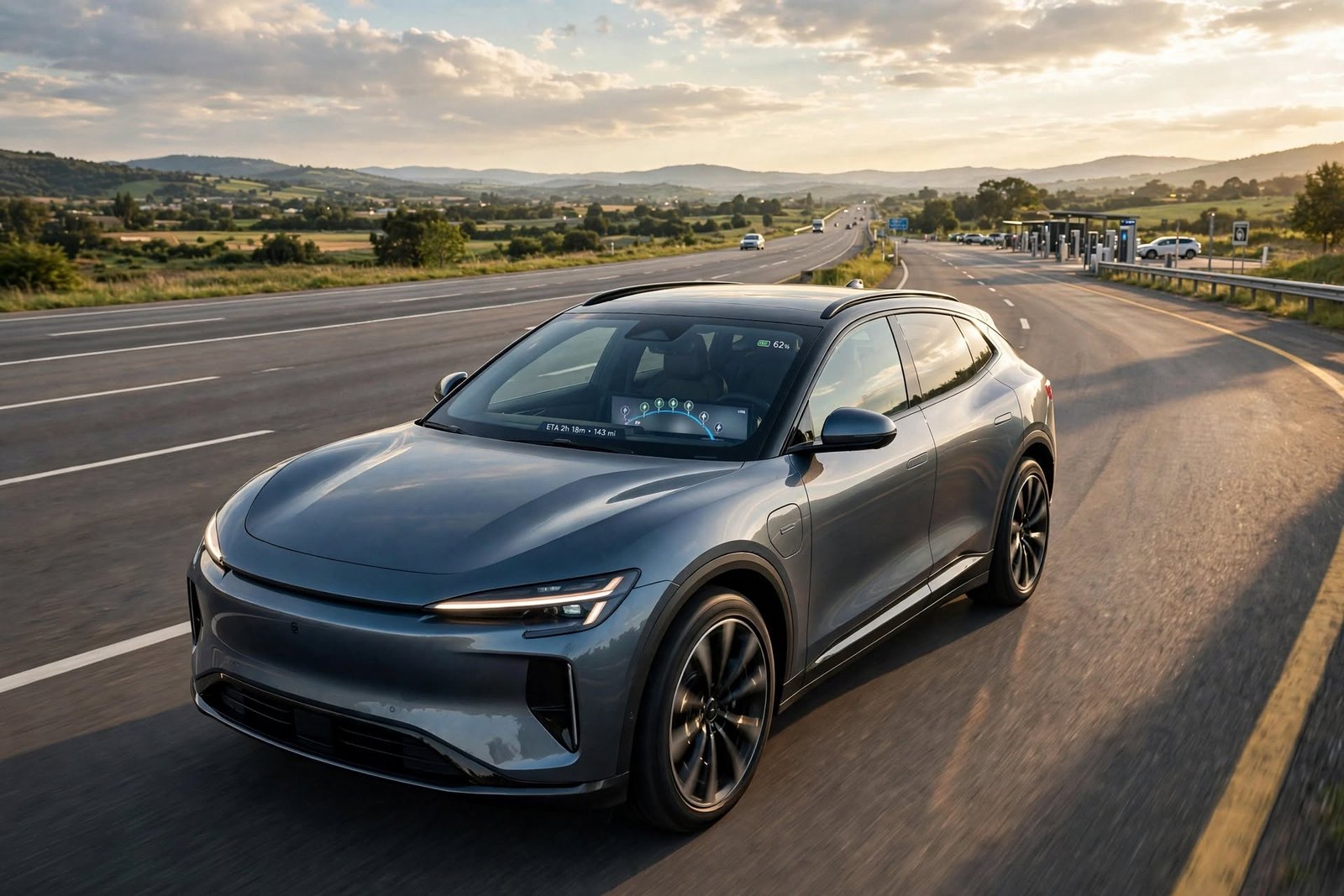
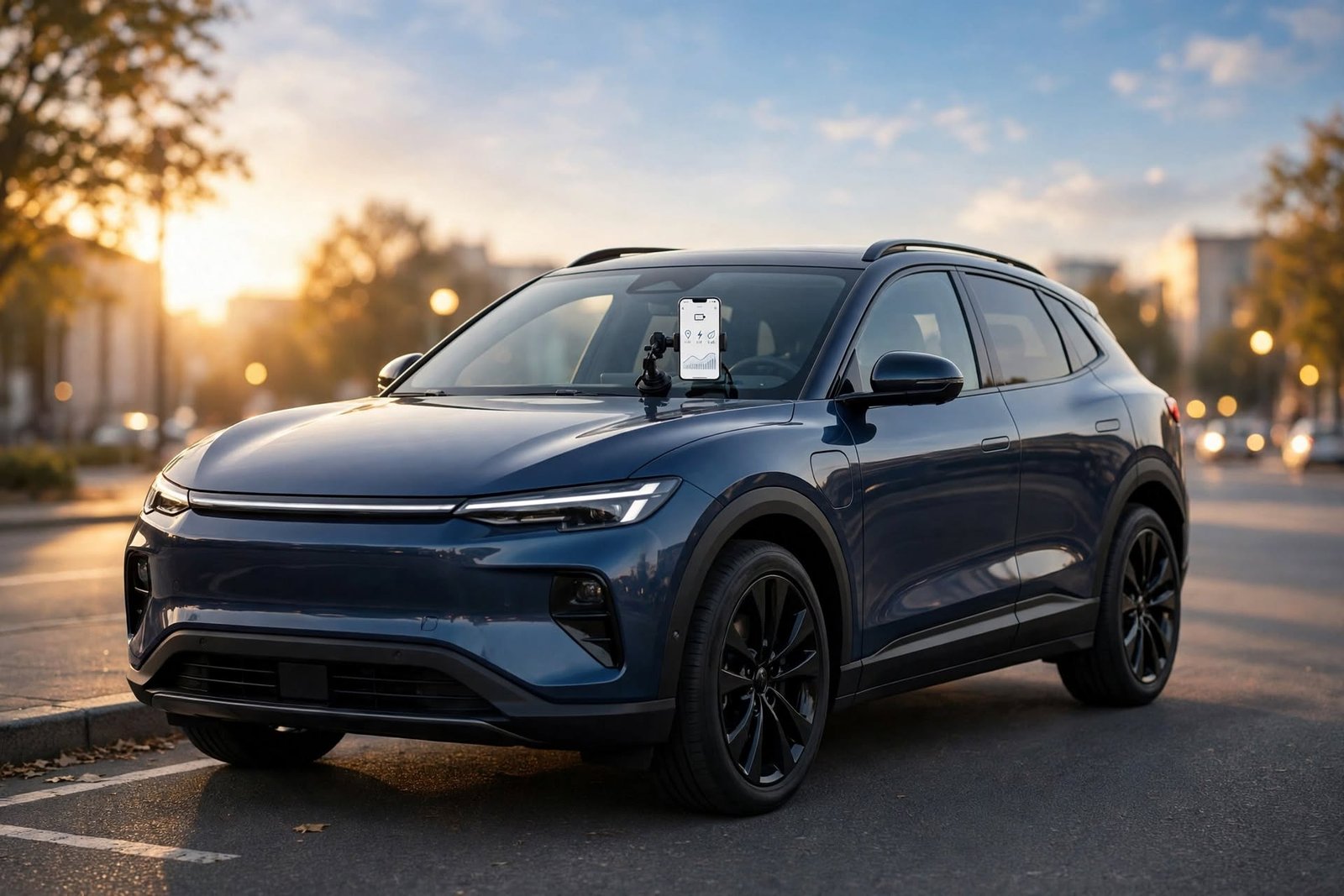
Best Electric Vehicle Apps have transformed what we think of in terms of fuel and travel, especially as it pertains to charging, energy consumption, and trip itineraries. We see that, unlike with regular cars, EVs are integrating into digital platforms, which in turn, for the driver, means they can see in real time their battery health, find the nearest charge points, plan trips out, track the charging process, and which also gives them a better picture of what the cost will be. These apps make EV ownership a more attractive choice by putting all that info at your fingertips on your phone. As electric car tech grows, we are seeing these apps become a larger and larger part of the daily driving experience.
Today’s EV apps do far more than just present charging station maps. By way of example, which may vary by car and use, drivers can check charging availability, monitor a live charging session, see what the range will be left once charged, calculate charging costs, plan out-of-town routes, and at times remotely control some vehicle features. EV apps also bring these features together, hich enables drivers to make better decisions about at what time to plug in, where to park the car, and how to use their vehicle EV applications
Finding Charging Stations
In terms of what an EV app does best, it provides charging station info. Drivers may look up chargers which are near to them, to their destination, or along the route they are planning to take, which they do so instead of going out of their way to find one. Also, many of these apps include info on what type of chargers are available, which connectors are compatible, charging speeds, prices, and at times the present availability. This is very useful when you are in an unfamiliar area, as it allows drivers to identify what charging stations they will use before their battery dies.
Charging info also, which is great for drivers, allows them to compare what they have to choose from. At some stations, you get a slower charge at a lower price, and at others, a faster charge at a higher cost. Also, some stations may have many types of connectors and some very few. While we can’t always count on live availability to be perfect, it is a good idea to check an app before you go, which in turn will reduce the chance of you getting to a station only to find out that the charge point you wanted is not available.
Understanding Charging Speeds
EV apps also present which charging points are slower — thus, which are the AC chargers and which are the faster DC ones. While advertised charge rates may not always hold true for each vehicle and its battery state, or the ambient temperature, and also the type of charger itself, out of that info, drivers can have a better idea of what to expect prior to arrival.
Filters by connector type and charging speed are especially useful for long trips. You can put your focus on which chargers work with your vehicle and that also meet your time needs. Also, over time, this will help you to identify what charging networks and which locations perform best for your driving.
Planning Long-Distance EV Trips
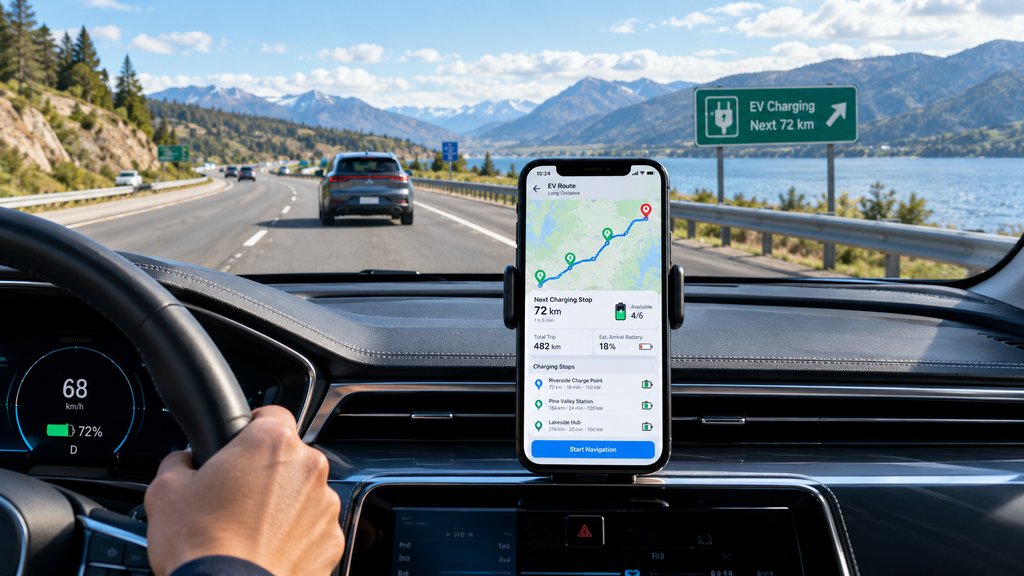
Long-term EV travel requires more input from the driver, which includes paying attention to distance and also the battery charge level. In the case of EV route planners, we have tools which put together info on the car’s battery health with that of the charging stations to put forth the best options for stops during the trip. Also, instead of just determining the shortest path, which is what regular planners do, an EV planner can also figure out at which points charging will be a must.
Different ways you go may present different pros. A little longer may in fact be better for reliability, while the short ones may have fewer options for charge. In what you use for the trip, other factors may be elevation, traffic, weather, how fast you drive, and what the energy play in also may be put into account. We can’t say for sure, but this info does give a good base to plan out those longer trips.
Monitoring Battery Range
Battery range is a very key piece of info for EV drivers. What is put forth by a car or an app is the estimated range, which in fact may vary based on the situation. Issues like highway vs. city driving, hills, temperature, use of air conditioning, heating, traffic, and your driving style all play a role in energy use.
An EV app will report these changes to the driver, which in turn will decide when to recharge. If the range left is lower than expected, the driver can find a charge-up station earlier. If consumption is better than what was thought, a planned charge may be done away with. This range info is useful for reducing that which is uncertain for the driver in day-to-day use and on longer trips.
Monitoring Charging Sessions
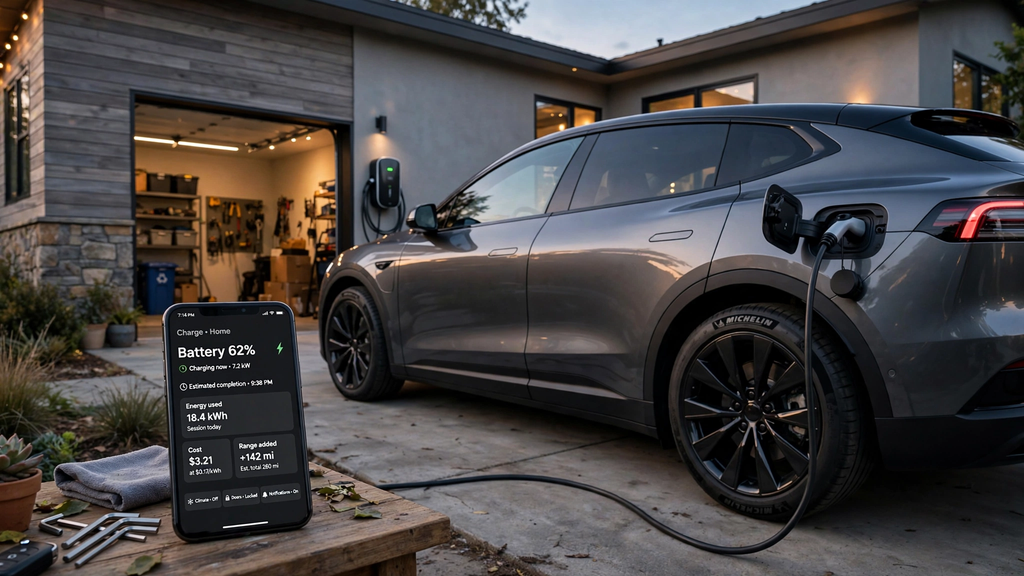
EV apps provide a way for drivers to leave the charge station during the charging of the vehicle. Per what the charging network and the vehicle have in terms of compatibility, an app can display if the charge is live, total energy added, and estimated end of the charge. Also, which is the car’s status, which the driver can check via his or her phone.
Charging logs also report back to you over time. You will be able to see how often you charge, what the average amount of energy you add is, and which places you charge at most. Also, with this info in hand, owners can determine if what they are doing with regards to charge points is convenient for them and also if it is, in terms of price, what they want.
Tracking Charging Costs
Cost tracking is also a very useful aspect of EV applications. Some apps present electricity rates, session fees, connection charges, or other costs which appear at the time of charging or in the middle of it. This allows drivers to choose between a cheaper but slower charger, which may be available at home, or a faster, more expensive one, which may be at a public station.
Keeping track of charge levels also, for drivers, is a way to estimate long-term electricity costs. When you compare charge times with distance traveled, it is also a great way to put together an approximate energy cost per mile or kilometer. This in turn gives a better picture of what your EV is really costing to run and how various charging choices play into that cost.
Managing Vehicle Functions Remotely
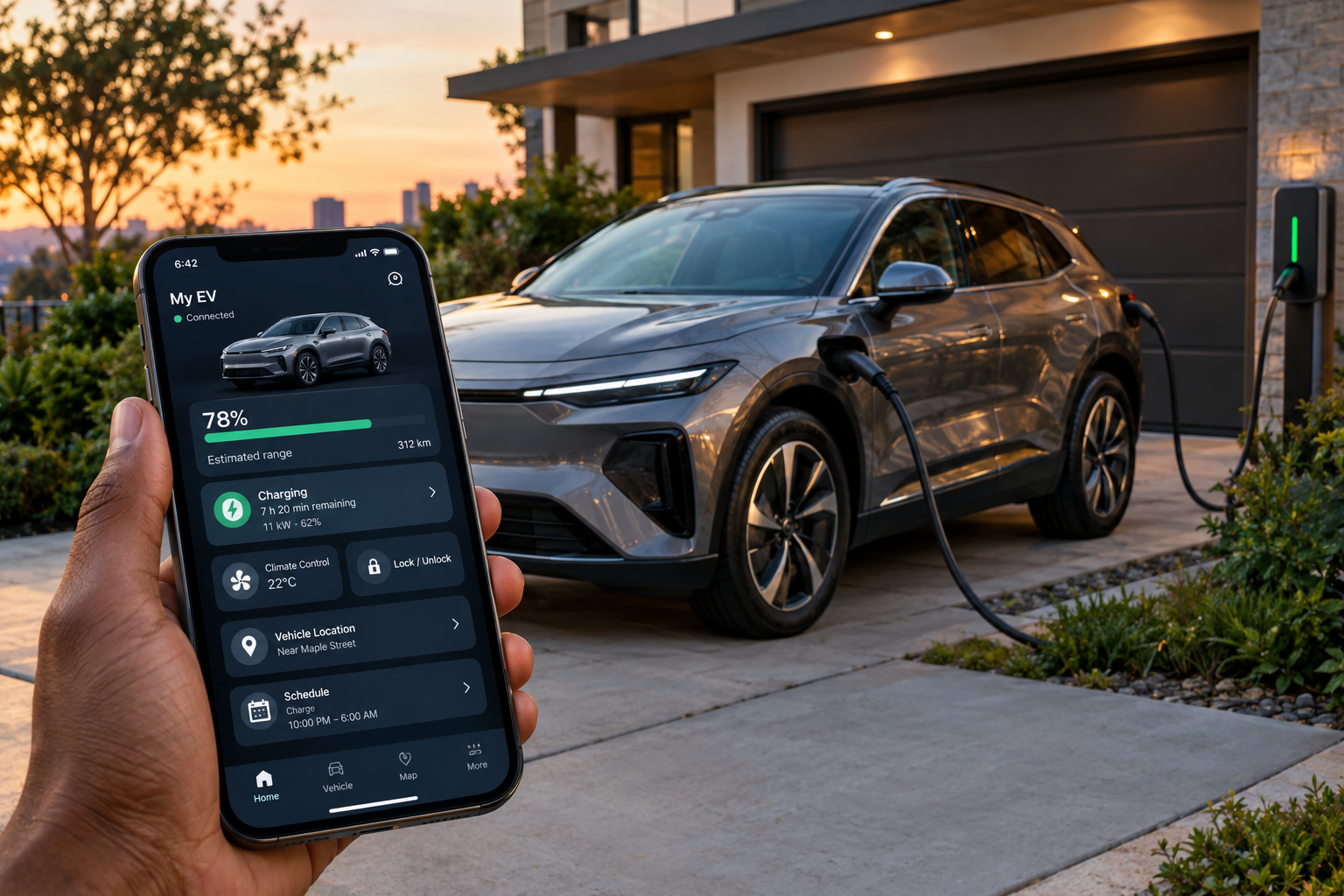
Some EV apps connect right in with the vehicle, which in turn allows drivers to check out key info from afar. What you see in the app varies by manufacturer and model but may include battery level, charge status, vehicle location, or lock status. Also, some cars into which you can remote in will pre-condition the cabin so you are comfortable upon entry.
Scheduled charge is also a feature in some models. What it does is that you set the time for charging, which in turn is based on your car’s, what it can do, and your specific situation. Also, remote features do vary by manufacturer, so it is best for drivers to check out what is supported by their particular EV and its software.
Choosing the Right EV App
Which EV app is best is a function of what a driver is looking for. At-home chargers users may care most about battery level reports, charge schedule, and cost tracking. For the road tripper, the main priorities may be in charging station coverage, route which includes charging stops, live info on what is available, and how long charging will take.
Some app developers are the auto manufacturers’ in-house teams, which we have, the third party, which are the charging networks and route planners. What we see is that drivers use a variety of apps to fill in all their needs. A manufacturer’s app may have the best in class for vehicle control; at the same time, a charging app may have the best extensive info on charging stations. What is important for the driver is to choose reliable apps that integrate well with their car and local charging network instead of that which does it all.
Checking Accuracy and Reliability
Drivers must know that EV info changes fast. A charge that seems available may fill up before you get there, and also a station may go down at any time. Also, battery range and charge time may vary due to weather, traffic, temp, and driving conditions.
For that which it is, drivers should use app info as a guide, which is to say, a plan rather than a definitive answer. Also of importance is that software be kept up to date, to the extent possible use official apps, and protect account info. Also, because some EV apps deal with payment, location, and vehicle info, basic digital security is a part of responsible app use.
The Future of EV Applications
EV technologies are a large component of today’s electric vehicle experience. We see in them a solution for drivers which includes charge point location, route planning, battery range analysis, charging session tracking, cost estimates, and control of some vehicle features. By curating this info in one platform, which also may include the above, apps are which in turn present to the driver a more predictable experience and a simpler EV ownership.
Drivers can see what’s up with their car’s energy and thus make informed choices before and into a trip. Although no app can predict all real-world issues exactly, the right set of EV apps can turn everyday drive and long-distance travel into a more organized and convenient affair.