Introduction
Today, engineering and architecture has become highly dependent on the use of digital technologies. With the use of mathematical techniques and computer algorithms, professionals can design skyscrapers, bridges, automobile parts and aircrafts. Computational geometry is an incredibly important technology in the engineering industry.
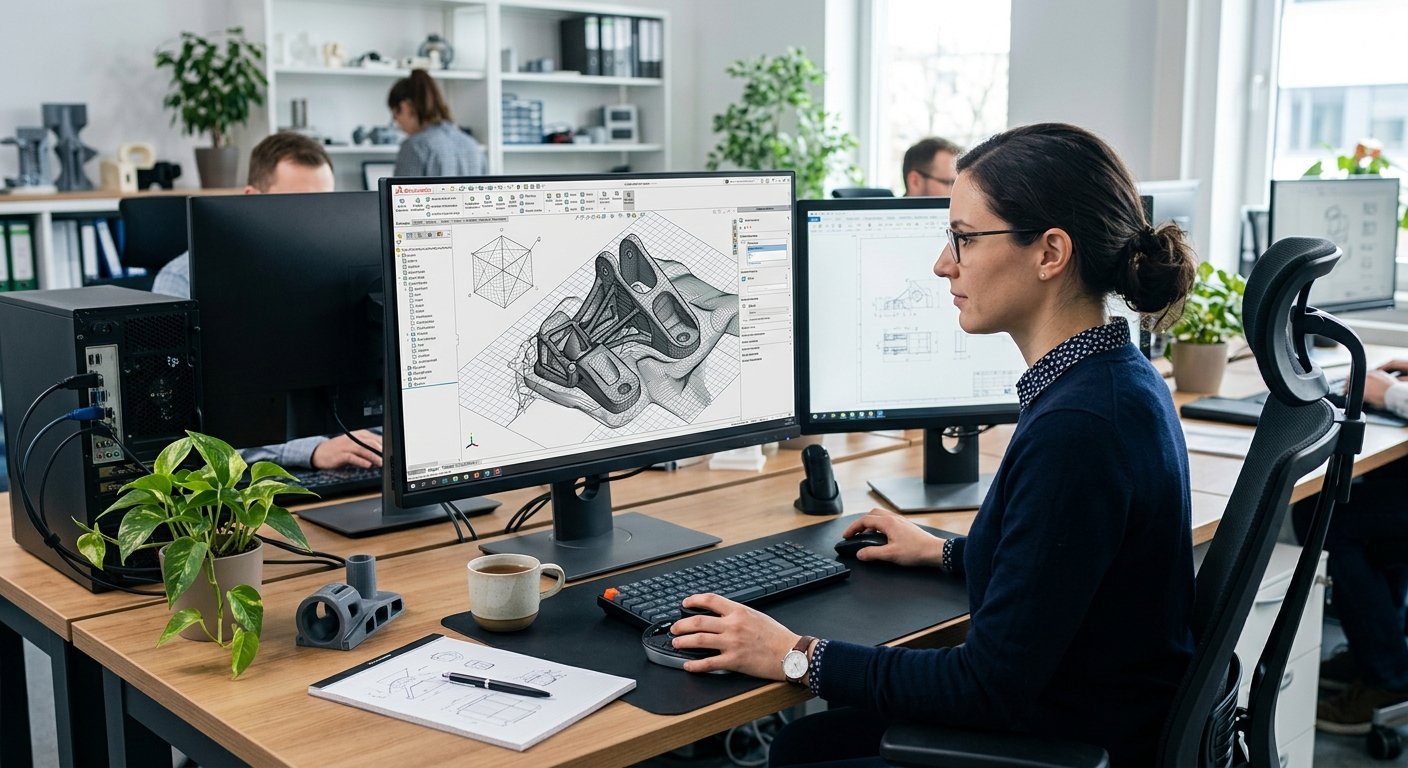
Computational Geometry in Engineering can allow architects and engineers to create detailed digital models. These can calculate spatial relationships and aid in the identification of any potential issues with the structure. This means that when designing, there are fewer errors and the designs are much more accurate. Due to advances in engineering software, computational geometry is becoming increasingly important with uses in CAD, simulation, digital twins, 3D printing and automation.
What is Computational Geometry?
Computational geometry is a branch of computer science and applied mathematics. It focuses on creating algorithms to solve geometric problems. Points, lines, polygons, curves, surfaces and solid objects can be created in digital systems Using Computational Geometry. Algorithms can be used to calculate distances, intersections, areas and boundaries of objects. Computational geometry can help computers solve complex geometric problems quickly and accurately. This is extremely useful when using large engineering models that may consist of thousands or millions of geometric elements. The methods can also be used to design complex shapes.
Computational geometry can be used to give engineers and architects the necessary mathematical tools to create accurate digital models. Architects can use computational geometry to create accurate building layouts, calculate dimensions and create complex structures. Mechanical engineers can also use computational geometry algorithms to design machine parts. Computational geometry can be used to create and understand how different geometric elements will interact within a 3D environment. This can be done using algorithms such as polygon manipulation, curve modelling, surface analysis, spatial subdivision and transformations. This can help ensure accuracy within engineering design.
Applications of Computational Geometry in Engineering and Architecture
1. Geometric Modeling
One of the most important applications of computational geometry in engineering and architecture is the creation of geometric modelling. This is used to create mathematical models of objects. Engineers and architects can use computer aided design programs to create 2D and 3D designs of buildings, machines, bridges, furniture and other structures. Computational geometry can be used to create shapes, boundaries, surfaces and manipulate objects. Designers can easily change dimensions, angles and combine elements.
Modern CAD programs can be used to create geometric models such as solid, surface and wireframe models. Solid models can be used to create complete 3D objects with a volume and boundaries. This can be useful for mechanical engineering. Surface modeling can be used to design the exterior of objects. This is useful for creating curved structures in architecture, vehicle and aircraft parts. Wireframing can be used to create objects from points and lines. This can help professionals create detailed digital designs.
2. Surface Reconstruction
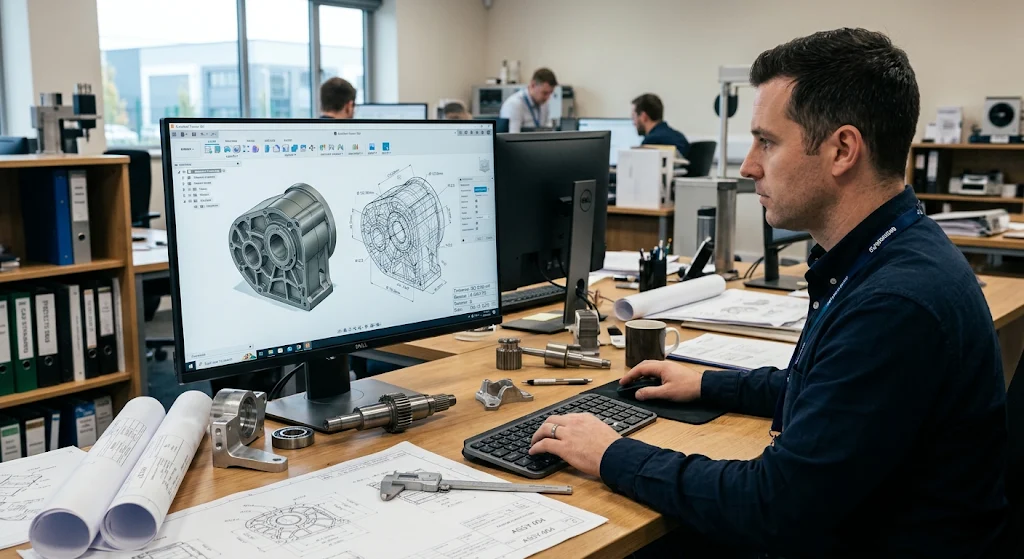
Surface reconstruction can be used to create accurate surfaces from collected data from physical objects. Engineers and architects can collect this information using laser scanning, photogrammetry, surveying equipment etc. This can create large amounts of spatial data points, called point clouds. This data will not create a complete digital model however as it consists of individual measurements. Computational geometry can be used to identify the relationship between points, predict boundaries, remove unwanted information and recreate the geometry of the original object.
This can be very useful when renovating buildings, checking equipment or documenting historical structures. An architect can scan an old building and use the measurements to create a detailed 3D model of the walls, floors, ceilings and decoration. Engineers can use surface reconstruction to recreate damaged parts of a machine to understand what the original dimensions were. This can help improve accuracy as designers can use measurements taken from actual physical environments. This can also be used for reverse engineering as the object can be analysed and turned into a digital model.
3. Mesh Generation
Mesh generation is another important application of computational geometry. This is used to split complex models into smaller elements to analyse them using engineering simulation. This can be done using triangular, quadrilateral, tetrahedral and other types of shapes. The elements will form a mesh of connected shapes that will represent the geometry. Computational geometry can be used to decide how the elements should be placed, connected and distributed. This will allow simulation software to analyse how the object will behave in different areas whilst keeping the geometry accurate.
Engineers can use mesh generation extensively in FEA and CFD. For example, engineers can take a digital model of a bridge and split it up into smaller elements. This can help them analyse how the forces and loads will affect different areas. Automotive engineers can also create meshes around parts of vehicles to analyse how the air flow, heat and mechanics will affect it. If the mesh is not created well then the accuracy can be reduced. Computational geometry can help improve mesh generation by using algorithms such as triangulation, adaptive meshing and geometric partitioning. This can allow engineers to create a model for detailed analysis.
4. Measuring Spatial Information
Measuring is a key aspect of engineering and architecture. Getting measurements wrong can cause issues with how well the finished structure will perform. Computational geometry can be used to calculate distances, angles, areas, volumes, intersections and spatial relationships. This can help professionals understand if the different elements will fit together and if the design will meet the required dimensions. Architects can use geometric calculations to plan out the room sizes, positioning, floor areas and understand how different parts will relate to each other. Engineers can also use this to design machine parts, calculate clearances and part dimensions.
Spatial analysis can help professionals understand how different objects will interact. For example, architects can use geometric calculations to understand if the design will interfere with neighbouring structures, property boundaries or available space. Mechanical engineers can use spatial analysis to understand how parts will move and identify if there will be any collisions between moving parts. This can help with roadways, bridge positioning, drainage and surveying in infrastructure projects. This can help professionals understand how different elements will work together and identify any potential geometry issues. Computational geometry can help improve accuracy by automatically calculating measurements.
5. Structural Simulation
Structural simulation allows engineers to see how buildings, bridges, machines and other physical structures will behave. Computational geometry can be used to create accurate geometry models. This can help with the simulation software to analyse forces, motion, pressure, vibrations and deformation. Before a simulation can be carried out, engineers will need to have a digital representation of the structure. This will identify the important geometry such as dimensions, boundaries, connections and material areas. This can then be combined with mathematical models to represent the physical properties. Computational geometry can help ensure that the digital model is accurate.
Finite Element Analysis is a popular method used in structural engineering. This involves breaking down the structure into smaller elements. This can be used to predict how each element will react to forces. For example, engineers can simulate how traffic loads, pressure from the wind and temperature changes will affect the bridge. This can also be used by architects and structural engineers to analyse how the building will react to environmental forces. This can help to identify areas that may need strengthening. However, the accuracy of the simulation will depend on the quality of the geometry model, material information, assumptions and boundary conditions. Professional judgement will still be needed.
6. Design Optimization
Design optimization can be used to improve a product/structure to meet certain goals. This could be to reduce materials used, improve strength, reduce weight, reduce manufacturing costs or improve energy efficiency. Computational geometry can be used to improve designs by allowing engineers to alter the geometry. Instead of manually changing the design, designers can use computer algorithms to try different geometries to meet the required criteria. This can be very useful when designing complex shapes.
For example, an automotive engineer may need to reduce the weight of a part but keep the strength of it. Computational geometry can help design and alter different shapes. Simulation software can then be used to analyse how the design will react to forces. Architects can also look into different geometries to improve natural lighting, ventilation, energy efficiency and reduce material use. Some advanced engineering systems use generative design. This involves the software trying many different design options based on set constraints and goals. This can help professionals understand different options. However, whilst design optimization algorithms can identify good designs, engineers will need to consider if the design can be manufactured, safety standards, cost and realistic conditions.
7. Designing Complex Architectural Structures
Modern architecture often includes curved surfaces, complex shapes, complex roof structures and can be hard to design using traditional drawing methods. Computational geometry can be used by architects to create complex shapes using mathematical algorithms to create curves, surfaces, angles and spatial relationships. This can help architects try different designs for their buildings. This is useful when designing stadiums, museums, airports, exhibition centres and other buildings with unique features. The use of computational geometry can help create detailed drawings for construction.
Parametric modelling is very important. This allows designs to be controlled using parameters. This means that instead of having to change each element, architects can just change certain dimensions/design variables. This will automatically update any connected elements. For example, if the height or curve of a roof is changed, the supporting surfaces and connected elements will automatically be updated. This can help improve flexibility with the design. Computational geometry can help ensure that complex shapes can be measured and designed.
8. Building Information Modelling
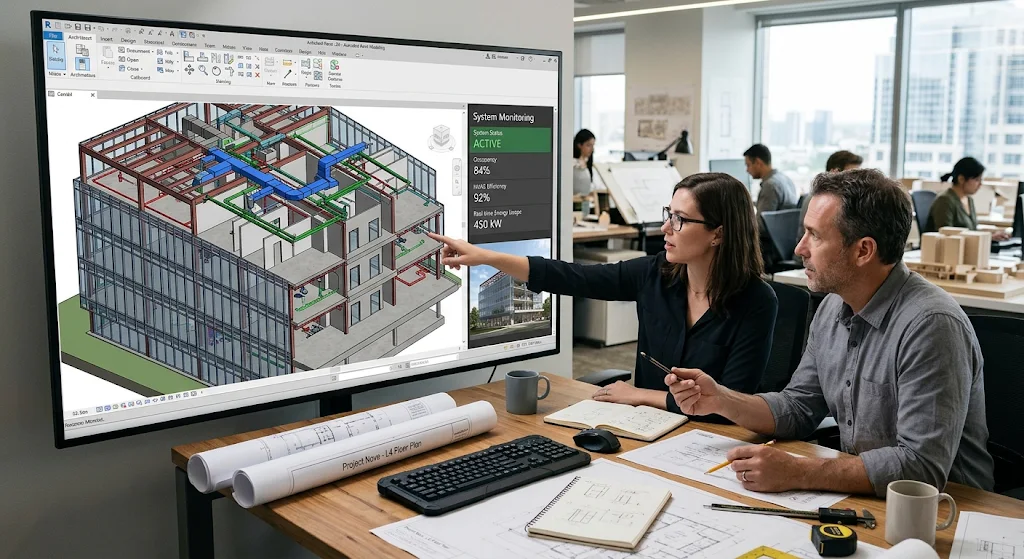
Building Information Modelling is a digital approach to designing, planning, building and managing buildings. This combines architectural, structural, mechanical, electrical and plumbing information. Computational geometry can help with the geometry of the building. This allows BIM software to create representations of different parts of the building, calculate measurements, identify spatial relationships and see how they will interact. Architects can use BIM to create walls, doors, windows, floors, roofs and other parts of the building. Engineers can also add structural systems and technical installations. This makes it easier for everyone involved to work with the information.
One of the main benefits of using computational geometry with BIM is that it can identify any potential issues with the design. For example, if a duct for the ventilation is going through a beam or if the electrical installations are in the same place as the plumbing. This can be reviewed and fixed within the digital model. BIM can help calculate quantities, plan construction, estimate costs and help with project management. This means that the building will have a more accurate model due to the use of geometry algorithms.
9. Digital Twins
Digital twins are virtual versions of objects, buildings, machines or infrastructure. This can be updated using information collected from the physical object. This combines digital models with data from sensors, monitoring devices and connected systems. Computational geometry can be used to help create digital twins by giving the geometry to accurately represent the physical environment. For example, a digital twin of a commercial building may have detailed geometry information about the rooms, walls, structural parts, ventilation and other installs. This can help professionals understand where everything is.
Digital twins can be used in engineering to monitor the performance of bridges, manufacturing equipment, power facilities and transport. Sensors can be added to physical objects to help collect information about the temperature, vibrations, pressure, movement and other factors. This can be connected to the digital model to help engineers understand if anything is acting strangely. Computational geometry can help with spatial analysis by linking the sensors to specific areas. Combined with simulation and data analysis, digital twins can help with predictive maintenance, planning and monitoring performance.
10. 3D Printing
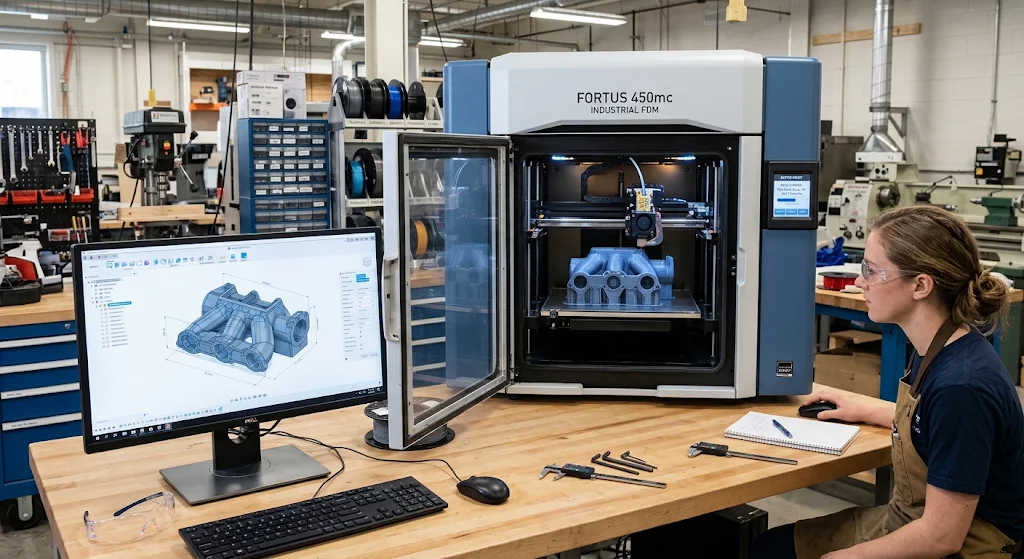
3D printing, also known as additive manufacturing, is a method of creating physical objects. This involves adding layers of material to create the object using a digital model. Computational geometry can be very useful as 3D printing systems need accurate geometry information. Engineers and designers will create 3D models. This will then be converted into a suitable format for manufacturing. Slicing software can be used to slice the model into thin horizontal layers. This will create instructions for the printing equipment. Algorithms can be used to help determine the shape, positioning and boundaries of each layer.
This can be used in architecture, mechanical engineering, automotive, healthcare equipment and prototyping. Architects can create scale models of buildings. Mechanical engineers can create bespoke parts with complex geometries. Computational geometry can help identify any issues with the design such as incorrect wall thickness, surfaces intersecting and unsupported parts. This can help improve quality and reduce waste. As additive manufacturing becomes more advanced, geometric algorithms will continue to help create more complex and bespoke components.
11. Automation and Artificial Intelligence
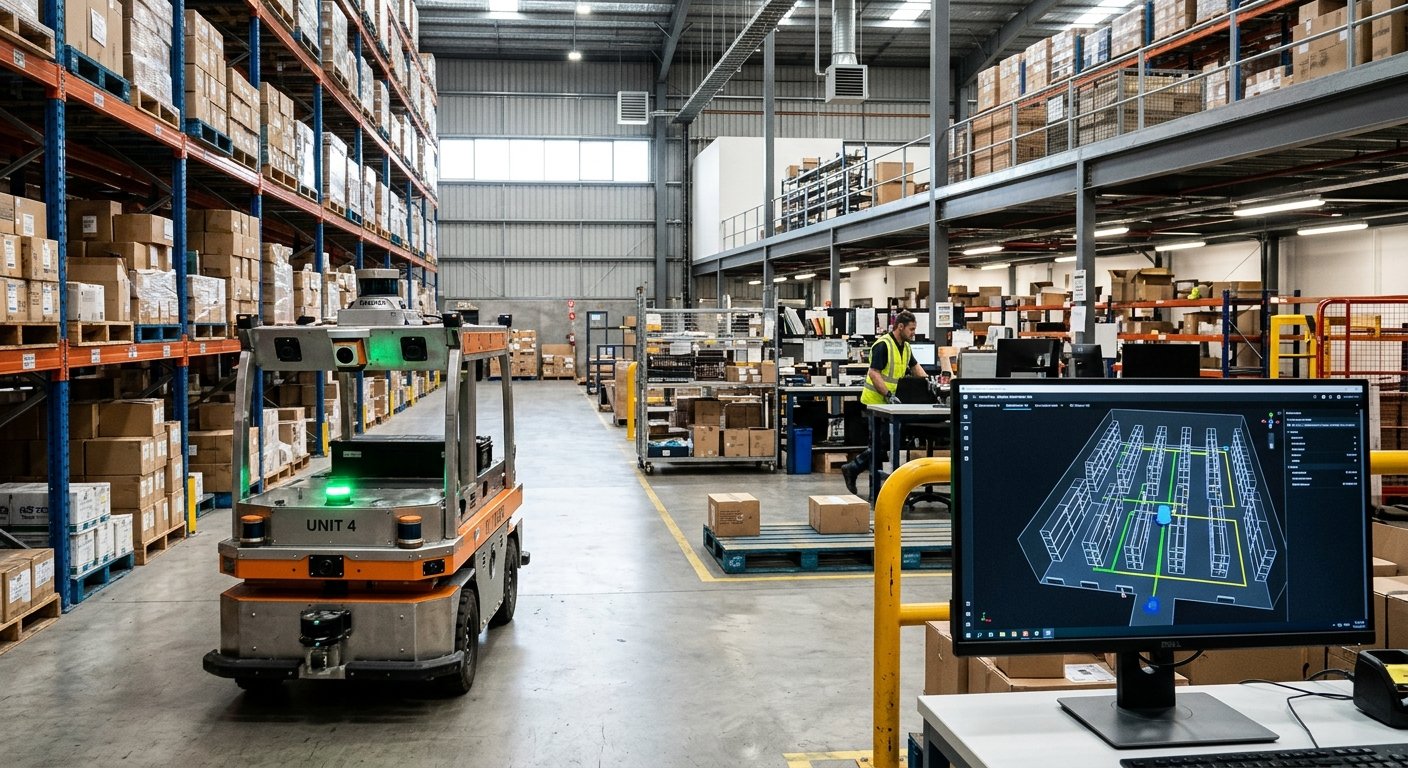
Automation can be used in engineering using computer algorithms, mathematical modelling and artificial intelligence. Computational geometry can help create shapes, alter structures, calculate measurements and spatial relationships. Artificial intelligence can be used to help identify patterns in the design and suggest alternative designs. For example, an automated design may create several different designs for a machine part based on the functionality, size restrictions, materials and manufacturing requirements. Engineers can then test the designs using simulation.
Generative design can be used. This involves designers stating what is important such as load conditions, space available, material restrictions and performance goals. The software will then look at different geometries to try to meet these requirements. Some designs created may have unusual shapes that would be difficult to create using traditional manual modelling. AI driven design tools can help automate repetitive tasks, identify geometric issues and alter existing models. However, engineers will still need to look at the designs to ensure they meet safety regulations, manufacturing requirements, realistic constraints and will perform as intended.
Issues with Using Computational Geometry in Engineering and Architecture
Computational geometry can present some issues. One of the main issues is that large models can be difficult to process. This may involve complex surfaces, millions of mesh elements and lots of spatial data. This may require lots of computing power, advanced software and technical knowledge. Another issue can be ensuring accurate geometry. This can be difficult when combining information from different sources such as architectural drawings, laser scanning, surveying equipment and engineering databases. The methods used to measure may be different and cause inconsistency.
Issues can also occur with software. Different software may be used by architects, engineers, manufacturers and contractors. This can cause issues when trying to convert the models. This may cause missing information, altered surfaces and inaccurate geometry. Complex simulations will also require correct mathematical assumptions, material properties, mesh quality and boundary conditions. Just because the digital model looks accurate doesn’t mean the simulation will be reliable. Professionals will need to validate their models and check important calculations. Suitable software will be needed along with sufficient computing power. Consistent modelling should be used and professionals with different areas of expertise should work together.
The Future of Computational Geometry
The future of Computational Geometry will be closely linked to the advancements in Artificial Intelligence, Cloud Computing, Robotics, Digital Twins and Advanced Manufacturing. The complexity of engineering projects will rely more on automation using advanced computational geometry techniques to handle large amounts of data, create alternative designs and allow detailed analysis. Advancements in computer technology will also allow more complex 3D models and analysis to be done. This could lead to improvements in architecture by designing more efficient buildings, improving construction planning and improving the link between digital models and construction.
Computational geometry is becoming more connected to real time data. Digital twins will now be able to provide accurate 3D models which can also be integrated with sensor data to allow engineers to track physical structures during their life cycle. Artificial Intelligence can help increase automation when designing by helping find the right geometries for specific performance requirements. Advancements within 3D printing will continue to increase the variety of shapes and parts which can be printed. This suggests Computational Geometry will be an important foundation in engineering innovation.
Conclusion
Computational geometry plays an essential role within engineering and architecture. It provides techniques to accurately represent complex physical structures mathematically and computationally. It can be used for many purposes including creating geometry models, surface reconstruction, meshing, measuring distances, simulating structures and optimizing designs. Architects can use this to create detailed models and complex shapes. Engineers can use it to design mechanical parts, simulate structures and improve manufacturing processes.
It can also be used in new technologies such as Building Information Modelling, Digital Twins, 3D Printing and AI aided design. Although there are issues with the computational power, accuracy of data, software compatibility and verifying models, Computational geometry will continue to expand as technology develops. As engineering and architecture becomes more digital, Computational geometry will play a key role in turning design concepts into accurate, practical and innovative solutions.