Describe which rooms are cold, when the difference occurs and whether the furnace otherwise heats the home normally. Uneven heating can involve airflow, room characteristics or the heating system; it does not automatically mean the furnace is too small or must be replaced.
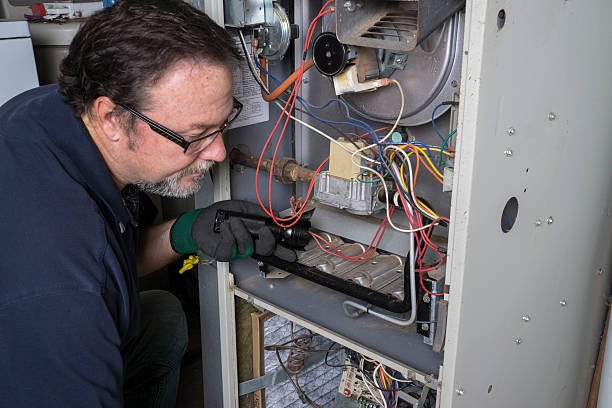
At Adam’s Air Systems, we want a furnace repair discussion in Hamilton to start with the actual comfort pattern. A chilly bedroom above a garage is a different report from every room cooling while the equipment stops repeatedly. Here is how to prepare useful observations without adjusting hidden controls or changing ductwork.
Is the problem in one room or across the house?
Map the affected rooms before selecting a solution. Note whether they are on one floor, at the far end of the home or associated with a particular exposure.
Lennox’s discussion of temperature variations explains that room location and airflow can influence comfort. That provides context, not a diagnosis of your installation.
Tell us which spaces feel normal too. A report identifying both comfortable and uncomfortable areas gives the assessment more information than a statement that the house is always cold.
When do you notice the difference?
Timing can reveal useful questions. Does the room feel colder during the entire day, only overnight or when a door remains closed? Has the pattern existed for years or appeared recently?
Record the ordinary routine without repeatedly changing settings to create a test. If you use a thermometer, explain where and when you read it; readings taken in different conditions may not be directly comparable.
A practical note might say, “The upstairs office feels cold during evening use, but the main floor reaches its usual setting.” That is more informative than assuming a thermostat or furnace component has failed.
Have furnishings or room uses changed?
Look for changes that affect ordinary circulation or how the room is used. Furniture, rugs or stored belongings can obstruct an accessible register without any equipment fault.
Keep normal supply and return areas clear where safe. Do not remove fixed grilles, alter balancing components or close many registers as an improvised solution. Those changes can create different operating conditions.
Also mention renovations, new windows or a newly finished area. The installation may need to be considered in relation to the current house rather than the layout that existed when the equipment was chosen.
Could the room itself lose heat differently?
Yes. Location, windows, insulation and surrounding unheated spaces can affect a room’s heating needs. A furnace assessment may need to distinguish heat delivery from the conditions creating demand.
A room above an unheated space and an interior room can behave differently even when they have similar floor area. Do not assume one standard equipment change will make every room identical.
Ask which part of the concern belongs with HVAC assessment and which may require a building-envelope or renovation professional. A clear boundary avoids paying for a repair that does not address the original comfort problem.
What can you do through normal user controls?
Use the thermostat and equipment only as described in the manufacturer’s instructions. Note the ordinary setting and whether the equipment appears to respond normally.
Follow permitted routine filter care for the actual system. If the filter type or access is unclear, ask rather than substituting a product or opening unfamiliar equipment.
Do not increase the thermostat dramatically to force heat into one room. A higher setting does not explain why distribution differs, and it may simply make other spaces uncomfortable. Record the pattern and discuss it with the service provider.
When is the situation more urgent than uneven comfort?
A carbon monoxide alarm, gas smell, smoke or another immediate warning needs a safety response. Leave the building where appropriate and contact emergency services or the gas utility from a safe location.
Ontario’s CO safety guidance explains the need to leave immediately when an alarm sounds. Do not stay inside gathering furnace details or opening windows as a substitute for evacuation.
If the home has no effective heat during cold conditions, report that promptly too. The current indoor situation and vulnerable occupants affect the immediate service discussion, even when no alarm is present.
What should you ask the technician?
Ask what the assessment found and how it connects with the rooms you identified. A recommendation should explain the expected scope of improvement and any remaining limitations.
Useful questions include whether the concern involves equipment operation, airflow distribution or a separate room condition. If replacement is discussed, ask why it is appropriate and how the proposed selection relates to the home.
Keep written recommendations with the room notes. That makes it easier to review whether the original issue changed after work instead of judging success solely by a new model number.
What would a useful comparison look like?
Imagine a hypothetical household with one newly finished room that has never been comfortable. Another household has several previously warm rooms becoming colder after a recent change.
The first needs the room and system arrangement considered together. The second needs the recent history and current equipment behaviour explained. Neither should be offered an assumed larger furnace simply because both describe cold rooms.
We provide furnace repair and replacement services, but the right next step begins with assessment. Bring us the room pattern, timeline and any renovation information. We can discuss what needs to be established before you commit to a repair or a wider project.
If several household members notice different conditions, consolidate their observations before the call. That reduces conflicting descriptions and helps keep the conversation focused on a specific, repeatable comfort concern rather than changing settings throughout the day.
If building work and HVAC work are both proposed, identify who coordinates their sequence. A room alteration can change the information used in equipment planning. Share approved plans and revisions with the responsible professionals rather than letting each contractor work from a different version of the house layout.
Mention whether the concern affects sleeping, work or ordinary daytime use. That context helps explain the household’s priority without changing the technical assessment required.