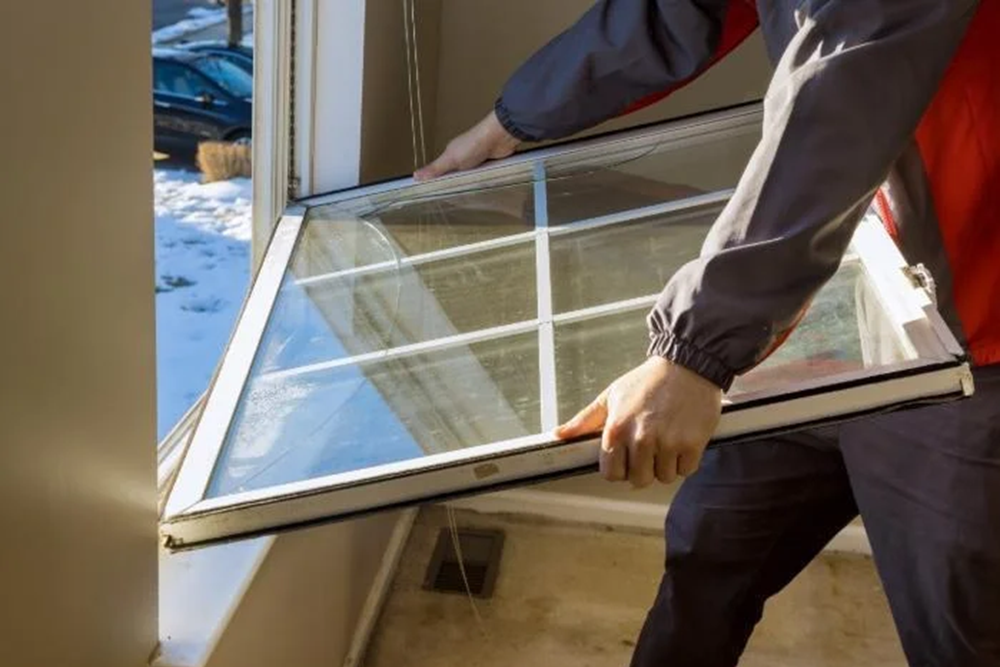
Windows are becoming a bigger part of renovation planning as people look for more natural light, better energy performance, and cleaner interior design. Instead of treating windows as background features, many people now consider how glass size, frame style, ventilation, and modern coatings affect how a room looks and feels.
Modern window installation offers more options than replacing an aging window with a similar model. Larger panes, slimmer frames, Low-E coatings, darker finishes, and improved operating styles are changing what people expect from a window project.
The latest trends are not only about appearance. Many upgrades focus on comfort, energy use, ventilation, maintenance, and everyday function. Understanding what is gaining attention can make it easier to decide which features are worth considering.
Larger Glass Brings In More Daylight
One of the biggest design shifts is the move toward larger glass areas. Wide picture windows, oversized casement windows, and grouped window units are becoming common in living rooms, kitchens, dining areas, and bedrooms.
More glass can make an interior feel brighter and visually larger. It may also strengthen the connection between indoor rooms and outdoor spaces, especially when a window looks toward a garden, patio, skyline, or open yard.
Large windows still require careful planning. Sun exposure, privacy, glare, and climate all affect how comfortable that glass will be throughout the year. A large west-facing window, for example, may receive strong afternoon sunlight.
Choosing the right glazing and performance ratings matters just as much as choosing the size.
Dark Window Frames Keep Gaining Ground
Black and dark-colored frames continue to stand out in current design trends. Charcoal, bronze, and deep gray finishes are also appearing more often.
These colors create stronger lines around the glass and may work well with light walls, brick, stone, siding, and other exterior finishes. Dark frames are often associated with modern design, but they can also fit transitional and traditional styles when selected carefully.
Material matters too. Window frames may come in vinyl, fiberglass, aluminum, wood, or composite.
The best choice depends on climate, maintenance expectations, budget, and the building’s overall appearance. A trendy finish should still work with the rest of the exterior, not feel disconnected from it.
Energy Ratings Are Getting More Attention
Energy performance has become a major part of window shopping. People are paying closer attention to how glass, frames, coatings, spacers, and sealing affect indoor temperatures.
The U.S. Department of Energy provides guidance on energy-efficient windows and explains performance measures such as U-factor and solar heat gain coefficient. Readers can review the official information from the U.S. Department of Energy.
U-factor measures how quickly heat moves through a window. Lower values generally indicate better resistance to heat transfer.
Solar heat gain coefficient, often shortened to SHGC, measures how much solar heat passes through the glass. The most suitable rating depends partly on climate and how much direct sunlight the window receives.
These numbers give buyers a clearer way to compare products instead of relying only on marketing terms.
Low-E Glass Becomes A Common Upgrade
Low-emissivity, or Low-E, glass has become mainstream.
A Low-E coating is a very thin layer applied to the glass. It controls how heat passes through the window while still allowing visible light indoors.
Different types of Low-E glass may perform differently depending on climate. Areas with strong summer heat may benefit from products designed to reduce solar heat gain, while colder regions may place more emphasis on retaining indoor warmth.
A well-planned window installation should consider the direction each opening faces rather than assuming every window needs exactly the same glass package.
Comparing ratings for individual products gives buyers a better picture of what they are getting.
Slimmer Frames Put Glass Front And Center
Bulky frames are giving way to slimmer profiles in many modern window designs.
Thinner sightlines make the glass appear larger and may create a cleaner look from both inside and outside. This style is especially popular where natural light and outdoor views are important.
Slim frames also pair well with large fixed windows and grouped configurations.
Still, appearance cannot replace structural performance. Larger openings and narrow frame profiles need products designed for their size and conditions.
Measurements, fastening, sealing, flashing, and water management all remain important parts of a proper installation.
Casement Windows Return To The Spotlight
Casement windows are also gaining new attention.
These windows are usually hinged on one side and open outward, often with a crank. Their design allows a large portion of the opening to be used for ventilation.
Casement windows may also provide cleaner views because there is no horizontal meeting rail through the middle of the glass.
They are often considered for kitchens, bedrooms, living spaces, and areas where strong ventilation is useful.
Consider exterior clearance because the sash opens outward. Landscaping, walkways, patios, and other nearby features may affect where this style works best.
Mixed Window Styles Create Flexible Spaces
Another growing trend is combining several window styles within one room or exterior wall.
A large fixed window might be placed between two operating casement windows. Awning windows may sit above a larger pane. Groups of narrow windows may be arranged together to create a wider feature.
This gives people more control over daylight and ventilation.
Instead of expecting every window to perform the same job, each unit can serve a different purpose.
Window installation planning becomes more useful when it starts with how the room is used. A kitchen may need ventilation near cooking areas, while a living room may value an open view more.
Noise Control Matters More In Busy Areas
Noise performance is becoming another consideration, particularly in dense neighborhoods and locations near highways, airports, schools, commercial areas, or busy streets.
Glass thickness, glazing configuration, frame construction, and sealing may all influence how much exterior sound enters a room.
Energy-efficient windows are not automatically designed for maximum sound reduction, so buyers concerned about noise should ask specifically about acoustic performance.
Good sealing around the window is also important. Small gaps may allow sound and outside air to travel through the opening.
For people working from home or living in active neighborhoods, quieter interiors may be one of the most noticeable benefits of upgrading older windows.
Smart Window Features Continue To Develop
Technology is playing a larger role in window design.
Some newer products and accessories may include automated shades, motorized operation, sensors, security integration, or glass that changes its light-control properties.
These features are still less common than Low-E coatings or insulated glass, but they offer a glimpse at where window design may be headed.
Technology makes the most sense when it solves a practical problem.
Automated shading may be useful for tall or hard-to-reach windows. Security sensors may appeal to people already using a connected home system.
The key is choosing features based on how you’ll use them, not adding technology simply because it is available.
Installation Quality Still Drives Performance
A high-performance window still depends on installation quality.
Improper measurements, weak sealing, poor flashing, or gaps around the frame may contribute to drafts, moisture problems, or reduced energy performance.
Before a project begins, ask how the opening will be prepared, how the unit will be sealed, and how water will be directed away from vulnerable areas.
Manufacturer requirements also matter. Following the appropriate installation method may affect product performance and warranty coverage.
Even the most fashionable upgrade will disappoint if you overlook the basics.
Choose Upgrades That Fit Your Space
Window trends provide plenty of inspiration, but the best options depend on the building itself.
Climate, sunlight, ventilation needs, noise levels, exterior style, maintenance expectations, and budget should all factor into the decision.
It is also worth thinking about each room separately. A bedroom may need privacy and ventilation, while a living room may emphasize natural light and views. For more information about window replacement and local options, visit providencehomewindows.com.
The strongest window installation choices balance style with useful performance. Trends may introduce new ideas, but thoughtful planning determines which upgrades make sense.
A Fresh Look At Modern Windows
Window upgrades are moving toward larger glass areas, slimmer frames, darker finishes, stronger energy performance, flexible operating styles, and emerging smart features.
These changes give people more control over comfort, daylight, ventilation, noise, and appearance. They also make it easier to choose window features based on how each room is used. The key is to look beyond appearance alone. Product ratings, climate, installation practices, and everyday function deserve just as much attention.
If you are considering new windows and want to explore modern styles, glass options, and replacement choices, Providence Home Windows works with customers planning window upgrades that fit their space and needs!