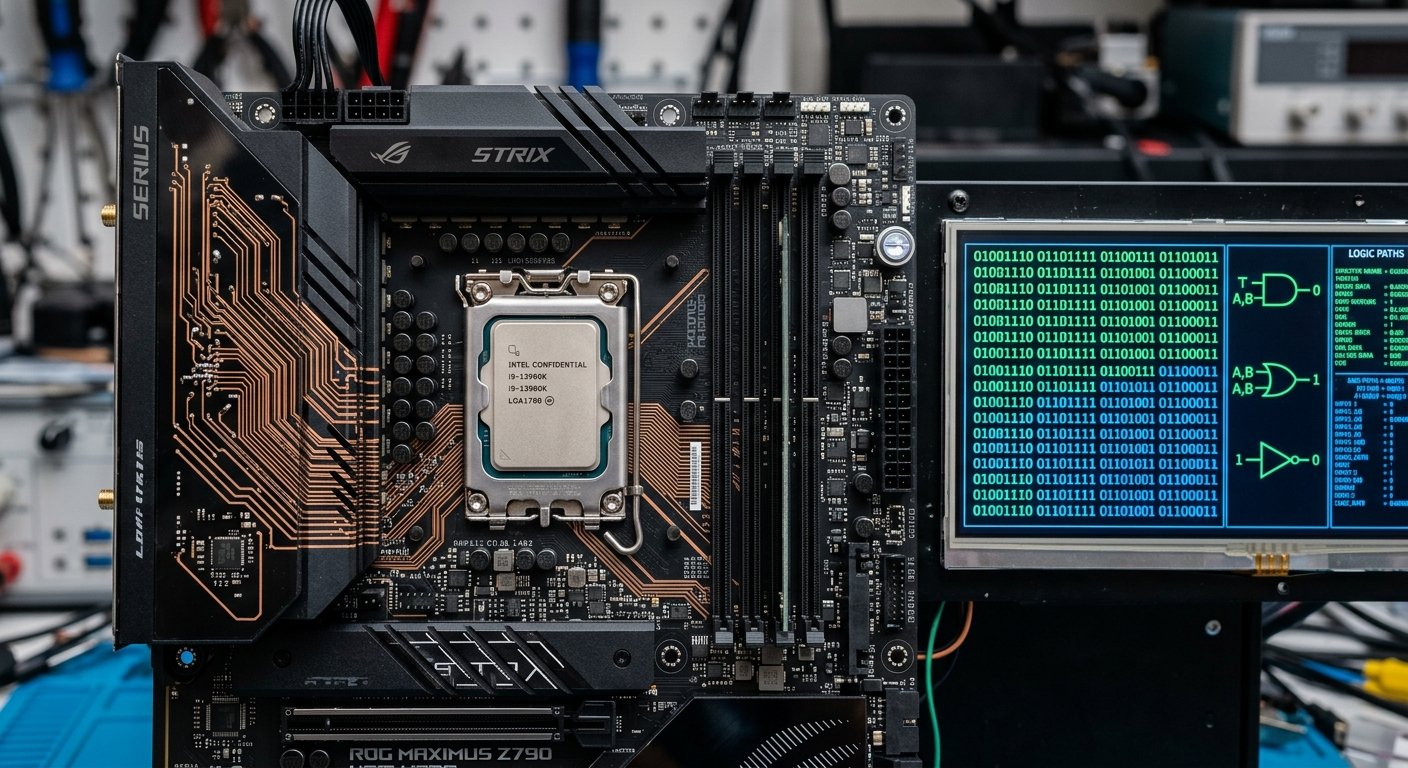
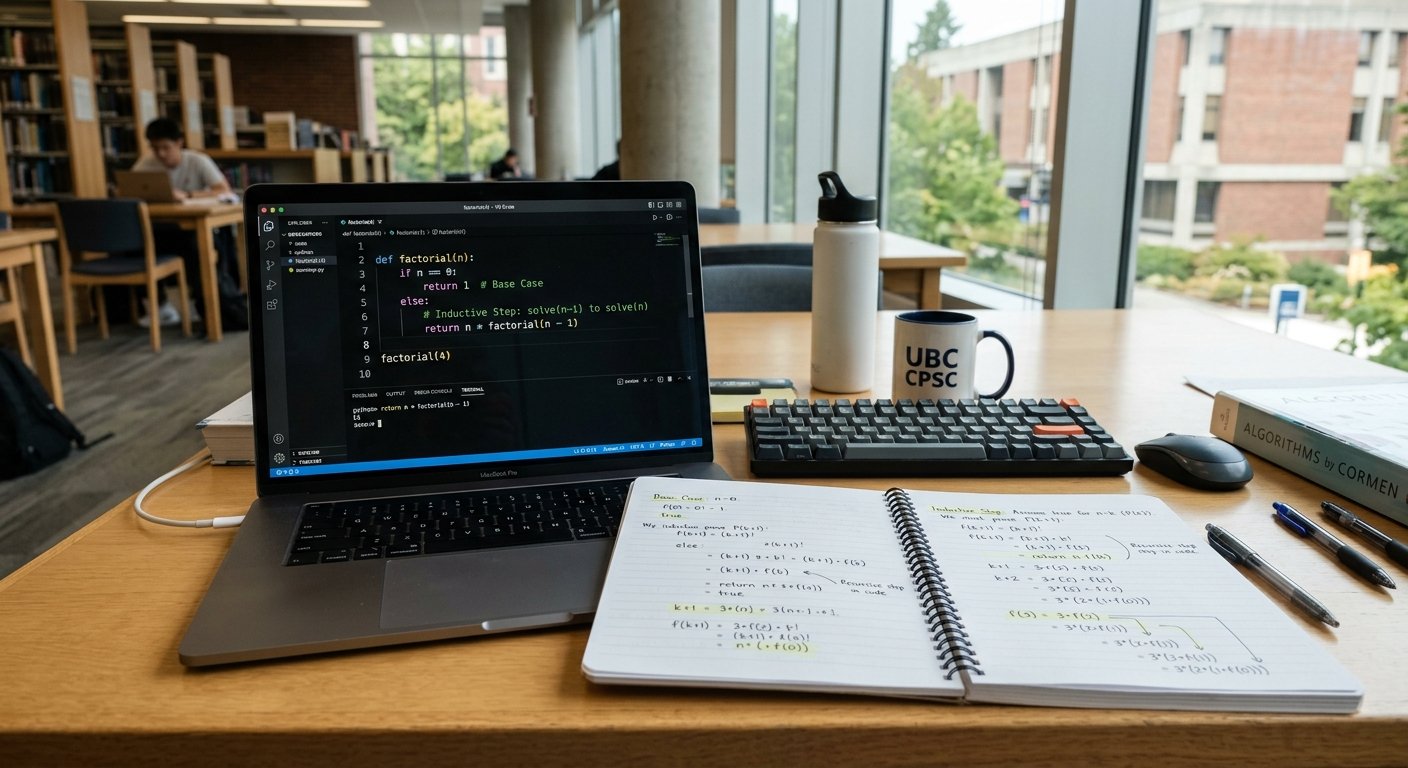
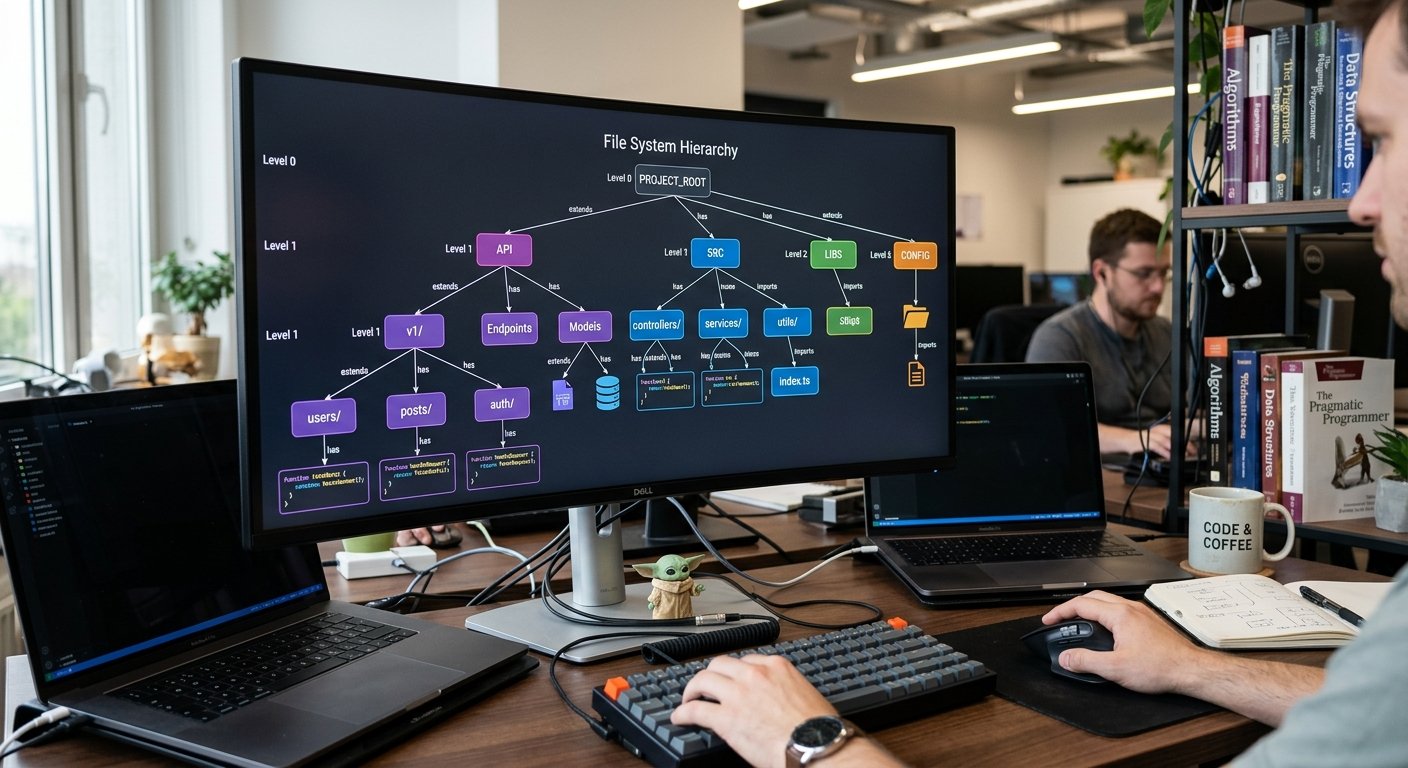
Programming is one of the most useful skills of the modern world that allows us to communicate specific instructions to the computer to process information and solve problems. Today, almost everything that people do online relies on programming in some capacity, whether they’re using a website, a mobile app, a banking system, games, cloud-based services, or artificial intelligence services. Programming is not just about developing computer software; it’s about programming machines, analysing scientific data, automating repetitive tasks, securing digital systems and connecting technologies.
If you are new to programming, they can help convey a sense of what programming code can create in real-life situations, making the process less abstract. Programming can be used in a number of industries and professions from a personal project to a problem in a business to research to a technology career.
What Is Programming?
Programming: The writing of instructions that a computer or other digital system may understand and carry out. They’re written in computer languages like Python, JavaScript, Java, C++, C, Go, and others, each with characteristics that make it well suited for certain kinds of tasks. A programmer divides a problem into steps, decides on the logic to solve the problem, writes the steps in the form of instructions, tests the program and corrects any errors if they occur.
Programming is much more than typing code; it involves logical thinking, problem solving, planning, testing and understanding how computers work to process information. A simple program could average a student’s score, while a complex program could process millions of transactions, interact with databases, authenticate users, and communicate with other software systems. The versatility of this is why programming is utilized in many aspects of today’s life.
Programming for Websites
One of the most common uses of programming is web development, as millions of people go to websites every day. Programming allows for the development of pages that interact with the user, perform information processing, communicate with servers and offer interactive services. Front-end development is concerned with what the end-user sees and interacts with in the browser, often involving HTML, CSS and JavaScript. The rear-end programming deals with the activities behind the scenes, such as user authentication, business logic, database communication, and server-side processing.
Today’s websites are able to be more than just a set of static pages. Shopping carts and handling payments, lessons delivered and monitored in educational platforms, account handling within a banking website are examples of the many possibilities available to handle online shopping in a secure manner. Programming enables programmers to weave these various components together in handy web applications that engage with the user and handle information effectively.

Interactive Web Applications
Programming also enables web pages to have the ability to do something as opposed to just showing information. For instance, if you are a booking platform, you can enable your users to search for services available, make selections, submit data and get confirmation. A social platform can handle posts, comments, messages, and notifications as well as user preferences. These features are underpinned by programs which identify the actions to be taken by a user when a specific action occurs.
APIs can also be used to enable websites to communicate with services outside the system, such as payment gateways, mapping, authentication, and more. This means that the programmer can create systems that integrate multiple technologies into one system. Even as web applications get more complex, programming is an important part of developing an responsive front end, reliable back end systems, secure communications and efficient data processing.
Mobile Applications
Programming is also used in mobile applications. The software is used for smartphones and tablets to communicate, entertain, educate, navigate, bank, shop, be productive, and so many other things. The development tools, frameworks, and programming languages available can be used to create apps for various platforms, including Android and iOS. Programming could be used in a mobile application to interact with a touch screen gesture, store data, connect to an online server, interact with allowable features, and deliver tailored information.
For instance, a fitness app can determine data about fitness, a learning app can plan lessons and track a student’s learning. Programming also lets programmers create applications that can make use of notifications, cameras, location services and more. With the ever evolving and developing mobile technology, programming skills will be ever so useful to build useful, accessible, and responsive applications.
Desktop Software
Many applications that run on desktop and laptop computers are also programmed. They include word processors, spreadsheet programs, graphic design programs, media players, accounting software, development software, and communication software. Complex operations can be programmed to run on the processing power and storage of a computer using desktop software. Programming is what controls the actions the application can take, how it interacts with other files, how it processes information, how it communicates with other systems, and how it displays information using a graphical interface.
There are desktop programs available for general users and there are specific desktop programs available for professionals like engineers, architects, researchers, accountants and designers. Programming enables software developers to build software tools that solve a particular problem and/or workflow. Programming is the way such applications are able to perform their functions, even if they never interact directly with the code.
Programming in Games
Programming plays a crucial role in the gaming industry, essential for crafting the interactive experiences players want in their games. There are numerous systems within a video game that need to function correctly, like the movement system, rules, graphics, sound, user interaction, AI, saving, physics, networking and more. Game programmers write code that controls the behavior of characters, interactions between objects and the behavior of the game when people make choices. Programming is still a key part of controlling the operation of a specific game, while game engines offer frameworks and tools to assist developers in constructing these systems.
For instance, code can dictate what happens when a player presses a button or pushes a button on a controller, how an opponent will respond to the player’s actions, or what will happen when the player reaches a certain goal. Multiplayer games are also made easier with programming; the computers can interact with servers and other players. Game development is a valuable programming application because of its technical problem-solving and creative design.
AI Technologies and Machine Learning.
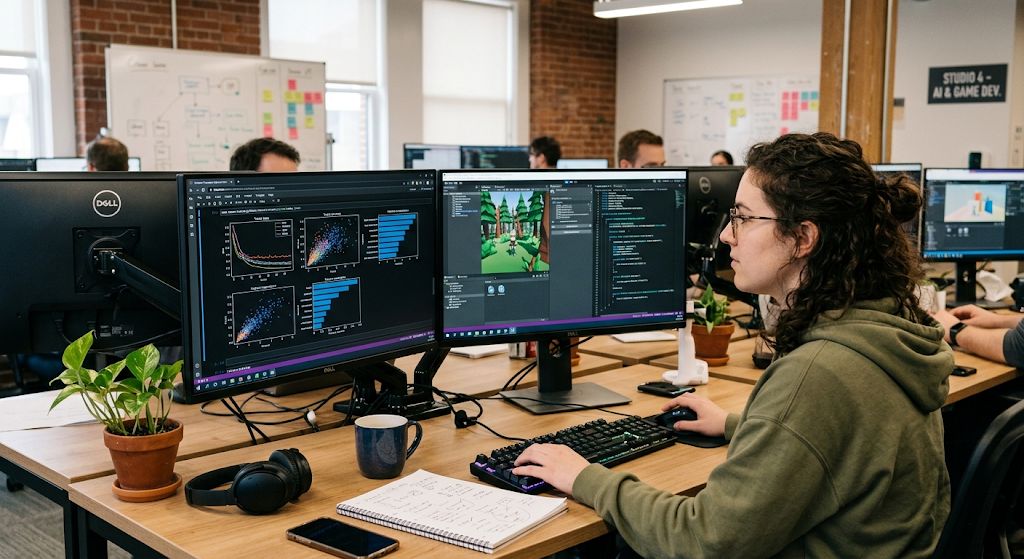
Programming has been extended by AI by enabling computers to function in areas where decisions or pattern recognition used to be made by humans. AI systems have the ability to analyze vast amounts of data, detect patterns, make predictions, classify information, recognize speech and images, and much more. One of the prominent subfields of AI is machine learning, where systems learn patterns from data without following all of the rules written by humans. The high number of data processing and model development libraries and frameworks available to a number of programming languages make Python and other such languages popular in AI and machine learning.
Programmers can create datasets, design AI algorithms, train models, validate outcomes, and integrate AI systems into apps. AI, however, can be used in many other applications, including language technology, recommendation systems, scientific research, customer service, and image analysis, but with careful consideration and responsibility.
Incorporating Repetitive Tasks and Automation.
One of the most practical advantages in programming is that it can help these tasks that are repetitive. A program can run a known process as opposed to having to ask a person to do the same thing repeatedly. Scripts and applications can be used to structure files, manipulate data, create reports, send notifications, convert data, or perform regular calculations for businesses, schools, researchers and individuals. There is an opportunity to minimize manual work for repetitive tasks with automation and to set up consistent processes within an organization. For instance, a company could have a program that would automatically create reports every day from a database, or a scientist could write a program that would use thousands of experimental measurements to produce a report. There is no need to automate everything or everything should be automated—programmers need to know how the automation works and what rules to use, what to do if it fails, and test the automation thoroughly before using it.
Cybersecurity
Programming is a key aspect of cybersecurity because software is essential to digital systems to detect issues, defend information, and track activity. Security professionals and developers can develop programs that monitor system events, recognize unusual activity, scan applications for vulnerabilities, or automate security-related tasks. Secure programming is also critical because if the program is poorly designed, it can have vulnerabilities that can be taken advantage of by malicious parties.
When constructing applications, developers will have to account for authentication and authorization, input validation, secure data management and error handling. Programming can also provide assistance for defensive security products to help companies track networks and conduct investigations. While learning to program is not the same thing as being a cybersecurity expert, knowing how software and systems function can be beneficial for many activities in cybersecurity.

Data Management and Databases
Information is vast and huge in modern organizations and programming helps in the collection, organization, retrieval and processing of information. Information like customer records, product inventories, financial transactions, student information, medical records, application data is stored in databases. Programmers can use database query languages like SQL to extract specific data from a database and applications can interface databases to web pages, mobile apps and other software.
An online service, for instance, could access a database when a user logs in to the service and use programming code to decide what information the user is permitted to see. These systems require effective programming to ensure that they are reliable and efficient, particularly if they store a significant amount of data or are accessed by multiple users.
Cloud Computing
Cloud Computing has turned into another huge area in which to program. Organizations can use remote computing infrastructure on cloud platforms instead of running each application and storing each file on a local computer. Applications are developed that can be scaled to fit demand and are hosted on cloud servers, data stored in cloud databases, and APIs used to communicate between applications. Programming is also key to the deployment, monitoring, and management of the cloud infrastructure. Online collaboration, streaming, e-commerce, data processing, software development and many other applications can be supported using cloud based applications.
Some of the other ways developers can use the cloud to build scalable applications is through containers, serverless technologies, and a cloud-native approach to application architecture. Programmers must not only be able to write application code but understand how software works with networks, storage, servers and cloud services as well.Programmers must not only be capable of writing application code, but also know how software works with networks, storage, servers and cloud services.
Data Analysis/Scientific Research.
In science, programming is used extensively, particularly with the vast quantities of data that can be generated by modern experiments. Programs can be written by researchers to measure, organize, calculate, visualize, simulate and find patterns that may be hard to see by hand. Programming can be used in fields like biology, physics, chemistry, astronomy, environmental science, and engineering to analyse information and run simulations of computational models.
For instance, a scientist examining data on climate over many years might use code to analyze the data, and an astronomer might use software to process data from telescopes. Programming can also enable simulations to be used to investigate situations that might be very costly to replicate in the real world, or extremely difficult, or simply unfeasible without the computer. The applications show that programming is not only a skill of software development but also a tool to investigate and discover.

Programming-Related Careers
Programming skills can open up a variety of career opportunities as software application has a variety of uses across the various industries. These roles can require a wide range of duties depending on the company, the technologies used, the industry and the experience level. There are those who spend a big share of their working time on application code and there are those who spend a large portion of their working time on the data, infrastructure, systems, automation, or specialized technical issues.
This Coursera guide to programming careers provides more details on the skills needed for various programming related careers. Knowing the similarities and differences among them can assist the novice in finding what is of interest to them and help them determine what programming concepts or technologies to concentrate on initially. People who learn to program have a wide range of careers to choose from, such as the following:
Software Developer
A software developer is a person who designs, creates, tests, maintains and enhances software applications. A developer could be involved in desktop software, mobile app development, web services, enterprise software, or any other software. It can include coding, code reviews, troubleshooting issues, teaming with designers and other developers, testing out features, and adapting to evolving needs.
Data structures, algorithms, programming languages, software development practices, version control and testing are some of the areas that software developers may need to learn. Software projects can vary widely, so software developers can specialize in specific technologies or industries. Some are associated with user-facing applications, while others are related to back-end systems or special technical infrastructure.
Web Developer
Web Developers are the ones who are concerned with websites and web applications. Front end developers focus on the user-facing aspects of the site, whereas back end developers create the systems, which then handle information and interact with databases and other services. There is a possibility of full-stack developers working in both. A variety of technologies are used in web development, including HTML, CSS, JavaScript, server-side programming languages, databases, APIs, and web frameworks.
It is possible to build a website for a business, educational institution, government agency, media company, online shop or a personal project. The development of websites can be quite challenging and at the same time very rewarding, depending on the complexity of the project, ranging from writing information to building an application.
Data Analyst
Data Analysts use data to gain insight into information and inform decisions made by an organization. Data Analytics can be used to clean datasets, do calculations, repeat analysis tasks, make visualizations, and work with databases, using programming. Depending on the role, Python, SQL, R, data-specific data tools and spreadsheets may be used.
Programming skills are not the only requirement for a data analyst, as they also require knowledge of the meaning and constraints of data. Analysts need to be able to: Identify information relevant to the task, Identify errors in information, Communicate findings clearly, Avoid drawing unsupported conclusions. These activities can be enhanced with the use of programming, particularly when working with datasets that are too large and/or complex to process manually.
Systems Programmer
System programmers are closer to the hardware and operating system of computers. They may be involved in the operation of those components of an operating system, these system utilities, device interfaces, compilers, optimizing software and other software that assists in computer function. Languages are often used for systems programming, e.g. C, C++, but other languages can be used for particular purposes.
Learning about memory, processes, files, hardware interactions, operating system concepts and computer architecture are often a great asset to a systems programmer. Individuals interested in knowing what happens under the hood of the applications that common users use can find this career path attractive.
Automation Engineer
Automation engineers apply technology and programming to automate processes which would otherwise be repetitive and manual. They can be used in the automation of software testing, in business workflows, infrastructure operations, data processing, or industrial processes depending on the industry. They may be responsible for scripting, application programming interfaces, test frameworks, workflow platforms, monitoring solutions and other technologies.
To develop reliable rules and to foresee potential mistakes, automation engineers must be familiar with the process they are going to automate. They can also operate and maintain automated systems post deployment and enhance them according to the demands. This is a realistic area of programming for individuals who like to make things more efficient and to resolve repetitive problems in operation.
Skills Every Beginner Should Acquire
If you’re new to programming and want to try out a new language, you don’t have to know everything about it. The starting point should be fundamental concepts that are commonly used in many languages. They are variables, data types, conditional statements, loops, functions, data structures, error handling, and basic algorithms. Additionally, problem solving skills are crucial because programming is about solving real-world problems using logic.
Beginners should also be trained to read error messages, test programs, to document, and perform systematic debugging of errors. Theoretical knowledge can be turned into actual experience in building small projects. The beginning programmer could write a program to create a calculator, design a basic webpage, program a data-processing script, build a simple game, or write a program to automate a task. With time, these projects can evolve as the learner gets more and more confident and more programming challenges arise.
Why Programming Skills Matter
Programming is useful because it allows us to build digital solutions instead of using an existing solution. Anyone who knows how to program can develop tools, automate procedures, analyze information, write applications, and test new concepts. The programming also builds transferable skills like structured thinking, logical reasoning, persistence and problem decomposition. These skills are also helpful when not programming is one’s main job.
An automated repetitive report could be done by a business person, an analysis of experimental data could be performed by a researcher, and a student could develop an application to solve a problem from daily life. Specific tools and programming languages used by professionals will continue to evolve over time, but the skill of problem-solving and the ability to solve a problem through computation will be useful in many other fields.
Conclusion
Programming isn’t just for making conventional computer software. It is used with websites, mobile apps, desktop programs, games, AI and automation, cybersecurity, databases, cloud computing, and scientific research. These apps show the direct correlation between many technologies and applications that people use daily and programming. Programming skills will also help in other career paths such as software development, web development, data analysis, systems programming, and automation engineering.
Basically, the first thing that a beginner needs to know is not to try to learn too many technologies at one time, but to learn the programming basics and use them in a project. As technology advances, there will be new programming tools and applications, but problem-solving skills using code will continue to be crucial to digital innovation.