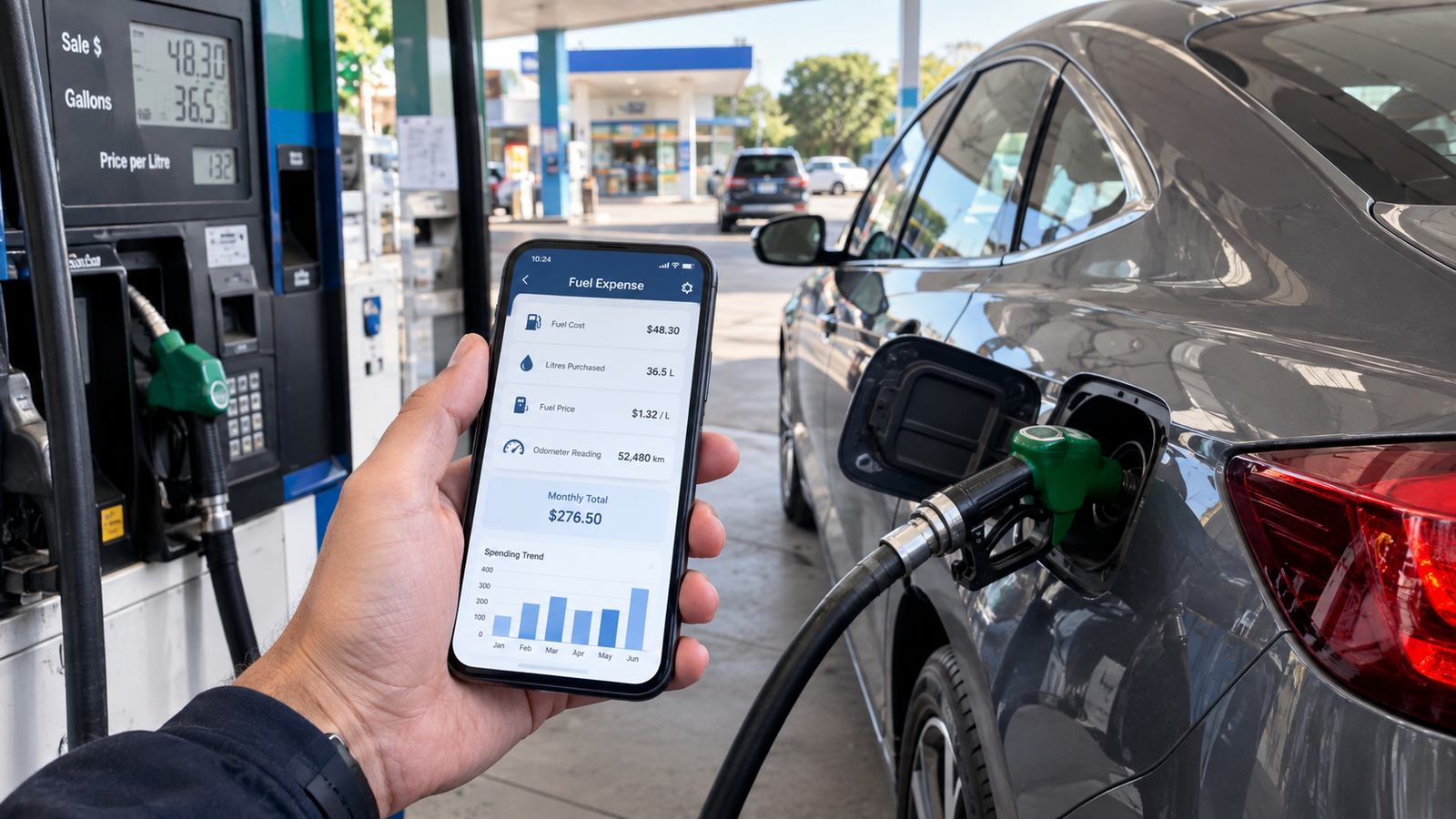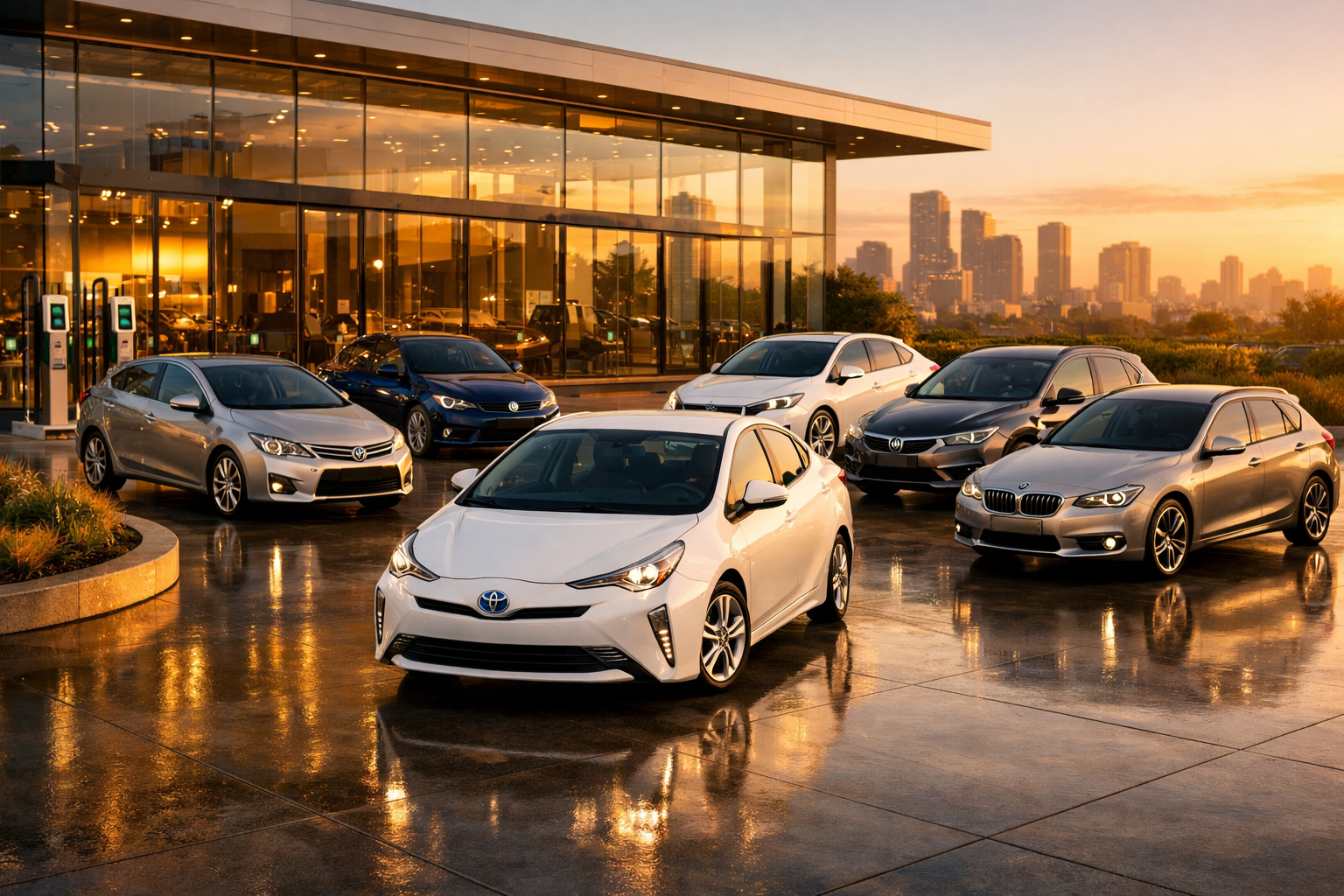
Fuel economy has become the preeminent issue for consumers all over the world. As fuel prices rise we are all looking for ways to stretch that tank of gas which we now seem to fill up more frequently. While the choice of vehicle is very important in this regard we also must pay attention to how we drive that car and what we do in terms of maintenance which will play a role in the actual miles per tank you get. In today’s auto market there is a large selection of fuel efficient options from compact cars that run on petrol to the new age hybrids and the traditional diesel options for the long distance driver. Each type of car has its own benefits and which one you choose based on your lifestyle may see you save money and also increase your satisfaction.
This year we present an in depth look at the best fuel efficient cars for 2026 which we will be discussing in terms of their MPG, engine tech, and what you can do to maximize efficiency. We’ll be looking at petrol, hybrid, and diesel options, we will also be comparing the official ratings to what you can expect in the real world and we will get into the nitty gritty of what engine tech and habits that improve fuel economy will do to improve your driving. By the end we’ll have covered it all so you come away with a great understanding of how to lower your fuel costs without having to sacrifice performance at all which in turn will leave you with an economic yet still very pleasant driving experience.
Petrol Cars with Outstanding Fuel Economy
Petrol cars are still the mainstay in the auto industry which we see due to their price point and wide availability. Models like the Toyota Yaris and Honda Civic which are on the compact side of things do better than 40 MPG in real world drive which makes them great for the city commutes. What we also see is that these cars have advanced features like direct fuel injection, turbo charging, and light weight design which in turn produce great performance and low fuel use. For those that want efficiency without the higher price tag of hybrid cars, petrol cars present a practical choice which also tick the boxes of affordability and dependability.
Another benefit of petrol cars is that they have lower maintenance costs which is a plus over hybrids and diesels. With less complex components they are easy to work on and repair. This is very appealing to drivers who are budget conscious and want to see balance in purchase price, running costs, and efficiency. When paired with practices like smooth acceleration, regular service, and proper tire care, petrol cars do very well over the long term. For many families, petrol cars are still the best way to get into fuel efficient driving.
Hybrid Cars: The Pioneers in Efficiency
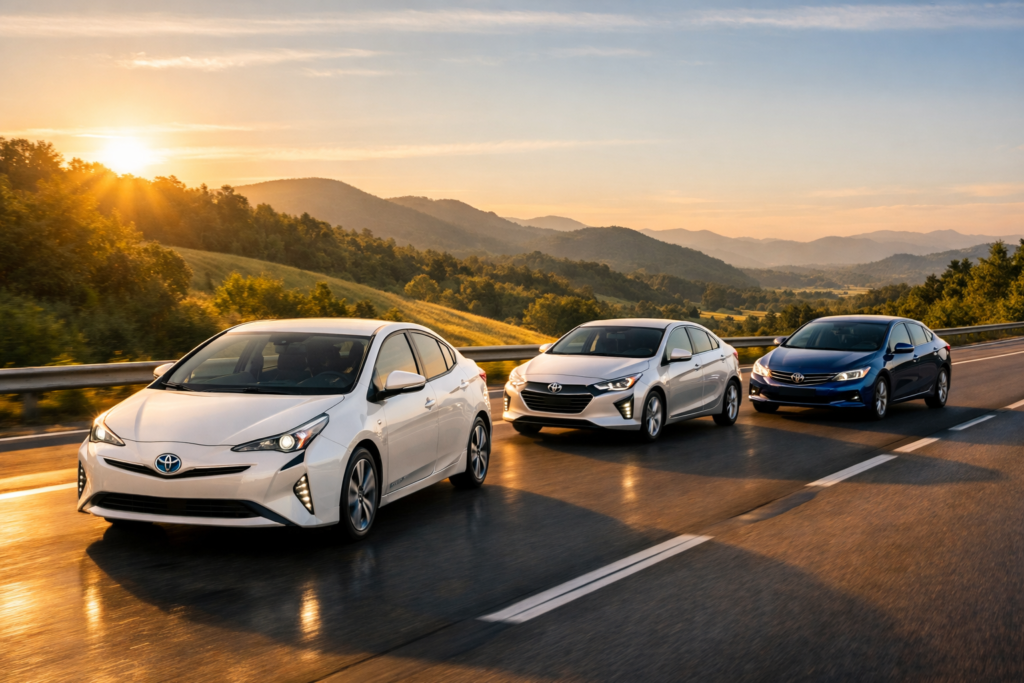
Hybrid cars are the leaders in fuel economy. What they do is combine a petrol engine with an electric motor which traditional cars don’t which in turn improves energy performance in many aspects that gas powered cars do not. Toyota Prius, Hyundai Ioniq, and Honda Insight are at the top of their class, also they achieve over 50 MPG in mixed driving which is a great achievement. In urban settings which is what these cars excel at we see regenerative braking and electric only operation which in large part reduces fuel use. For city drivers in particular hybrids are the most efficient and convenient option.
Beyond the issue of efficiency what we see is that hybrids also appeal to those that are conscious of the environment. They put out less emissions and which in turn reduces our dependency on fossil fuels which is a plus for sustainability. Although the price of hybrid may break the bank a little at purchase time, in the long run you will see that the fuel cost savings will make up for it. To the driver that wants it all—efficiency and practicality—hybrids are still a great play. Also they perform well on the highway and in stop and go traffic which makes them a very versatile choice for many different driving conditions.
Diesel Cars: For Long Term Drivers
Diesel cars are known for great torque, wear and tear resistance, and long distance efficiency. We see in models like the Volkswagen Golf TDI and BMW 320d which achieve real world fuel ratings of 50 MPG and above that make them the best choice for highway commuting and fleet operators. Also it is at steady speeds that diesel engines do best which is why they are so popular with the large section of the driving public that does a great deal of travel. For those putting on the miles regularly diesel cars offer the best value and very high reliability.
However we have seen that as a result of the introduction of tighter emissions standards diesel is not as available in some markets as before. Also we have higher maintenance costs in many cases which goes out to the complexity of emission control systems. At the same time which may surprise some the diesel car is still a very attractive choice for consumers looking for overall efficiency and strong performance. For those that value their vehicles longevity and its economy on the highway diesel will still in many cases be a very practical and cost effective choice.
Real-World Mileage vs. Official Ratings
Official fuel economy claims by manufacturers often do not reflect what you will see in practice. In the lab which is where they test the cars out performance is in ideal conditions which do not always play out that way in the real world. Traffic, road type, weather, and your driving style all play a role in what you get for fuel efficiency. For instance a hybrid that is rated at 55 MPG may in actual use return a much lower 48 MPG. Also you may see lower fuel economy from a petrol car if you drive it aggressively or in very heavy traffic. This is important for consumers to know which in turn sets more practical expectations and reduces that let down.
Recognizing the gap between what the cars are rated to do in the lab and how they perform in the real world also brings to light the role that driver behavior plays. By which I mean that out of the gate which car you have is important, but also how you drive that car, which includes maintaining a steady speed, avoiding that idle at stop signs, and checking that tire pressure which all play a role. In the end what we get out of our car’s fuel efficiency is a combination of which car we buy and how we drive it which is why it is so important to make smart choices on both fronts.
Engine Performance and Fuel Efficiency Tips
In today’s world we see that auto technologies have taken a large step forward in terms of efficiency. Start stop systems, cylinder deactivation, and continuously variable transmissions are very much the present in today’s models. Also we see turbocharged engines which in the past were almost only in performance cars now are very common for efficiency which they bring by putting out more power from a smaller engine size. These innovations put at the fore improved performance from which also comes great fuel efficiency which in turn makes efficiency a main feature without at the same time reducing the fun element of driving.
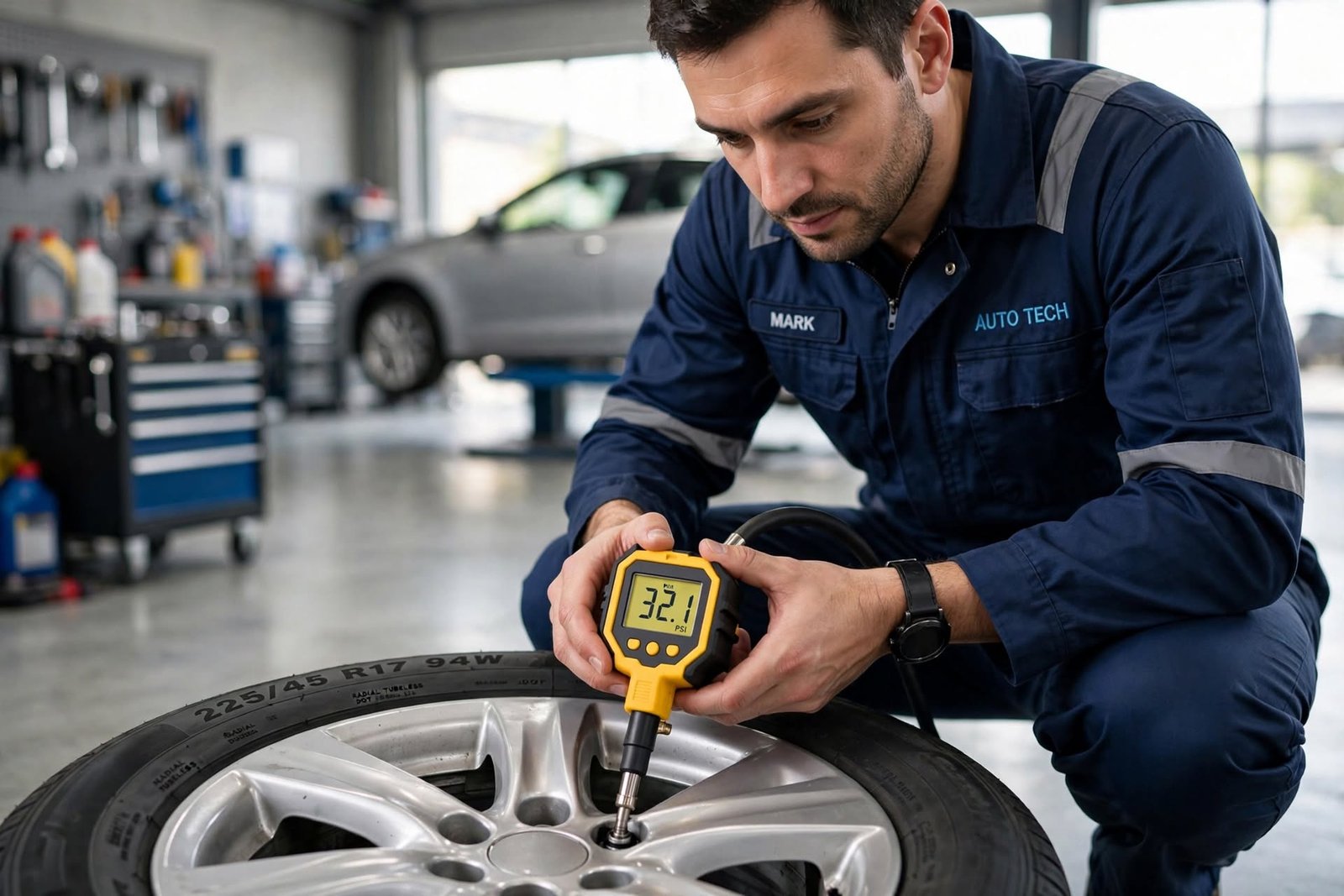
Equally as important are the habits which drivers cultivate in the car. Smooth acceleration, steady speeds, and removing unnecessary weight in the vehicle all play a role in achieving better fuel economy. Also of great importance is regular maintenance which includes timely oil changes and air filter changes that see to it engines run at optimal performance. For more in depth information companies like Toyota put out extensive resources on engine tech and habits that improve fuel economy. By the use of advanced technology in combination with careful driving we see motor users being able to greatly reduce fuel costs and also extend the life of their vehicles.
Top Fuel-Efficient Models in 2026
Some models stand out across the board for their efficiency. In the petrol segment the Toyota Yaris and Honda Civic still are very much the reliable choices. As for hybrids the Toyota Prius, Hyundai Ioniq, and Honda Insight take the cake with the best MPG. For the diesel crowd the Volkswagen Golf TDI and the BMW 320d do very well for long distance performance. These models which also include the best of performance and affordability in their class.
Drivers should bear in mind their individual requirements—whether commuting in the city, long distance travel, or budget issues—as they choose a car. We see in this a choice of proven models that save on fuel and improve long term reliability. As fuel prices rise we are putting more into the picture that financial decision for car investment but also into a lifestyle choice which supports sustainability and better mobility.
Driving Habits That Maximize Savings
Even in the best fuel efficient cars smart driving is what brings out the best in them. Aggressive acceleration, long idles, and neglect of maintenance will quickly wear out their efficiency. Instead it is better to adopt practices like easy foot on the pedal, judging traffic flow, and use of cruise control on the highway which in the end will see great results. Also keeping tires at right pressure and getting rid of extra weight in the car reduces fuel use. These little changes if made a habit may save drivers hundreds of dollars a year.
Trip planning is also a very effective strategy. We put together errands into one trip which in turn reduces cold starts that do run on more fuel. Also by avoiding peak traffic we minimize idling and stop and go driving. Through smart choice of when and how we drive we may greatly improve efficiency. In the end what we save in fuel is a result of both the car we have and our daily choices. That which may make an average car perform well above its level is driver behavior which we may fine tune—technology is only part of the picture.
Conclusion: Balancing Speed and Power
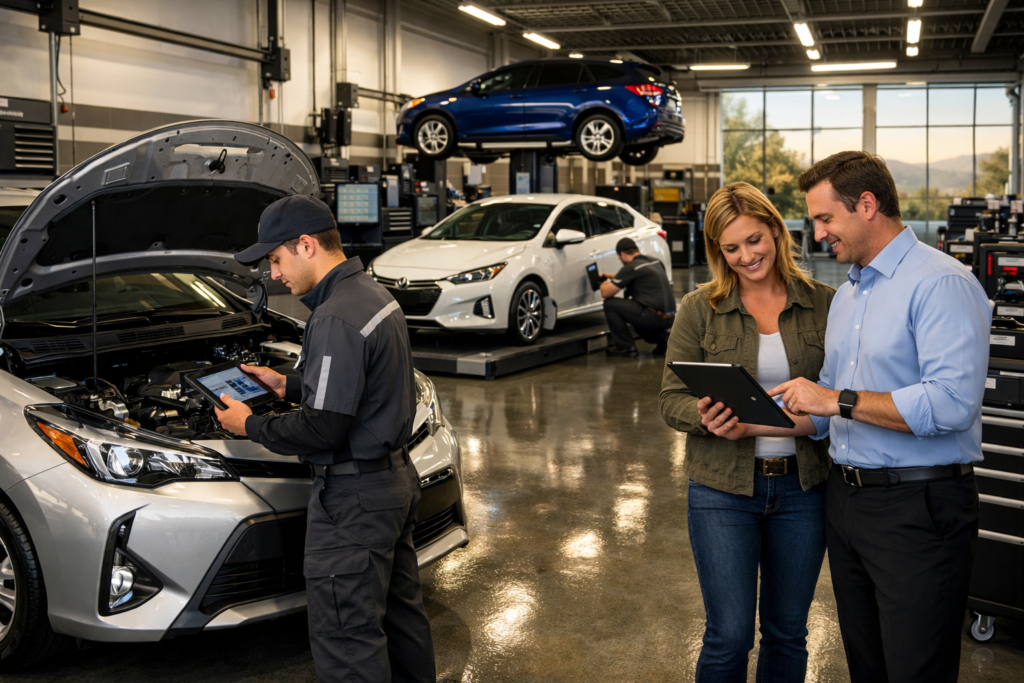
Fuel-efficient cars are no longer niche products or vehicles that require drivers to compromise on performance. The evolution of petrol, diesel, and hybrid technology has brought efficiency into the mainstream, making it accessible to a wide range of drivers. By carefully selecting the right make and model and combining that choice with smart driving techniques, motorists can achieve significant reductions in fuel costs while still enjoying a responsive and enjoyable driving experience. Rising fuel prices have made efficiency more important than ever, and today’s cars provide solutions that meet both economic and environmental needs.
Equally important is the recognition that efficiency is a partnership between car and driver. Advanced technology alone cannot deliver optimal results without the input of a thoughtful driver, just as careful drivers cannot achieve maximum savings in inefficient vehicles. By blending innovation with responsibility, motorists can enjoy sustainable mobility that saves money and supports environmental goals. Fuel-efficient cars represent not only a financial advantage but also a step toward smarter, more responsible driving. As the auto industry continues to innovate, efficiency will remain at the core of progress, giving drivers confidence and control in the years ahead.