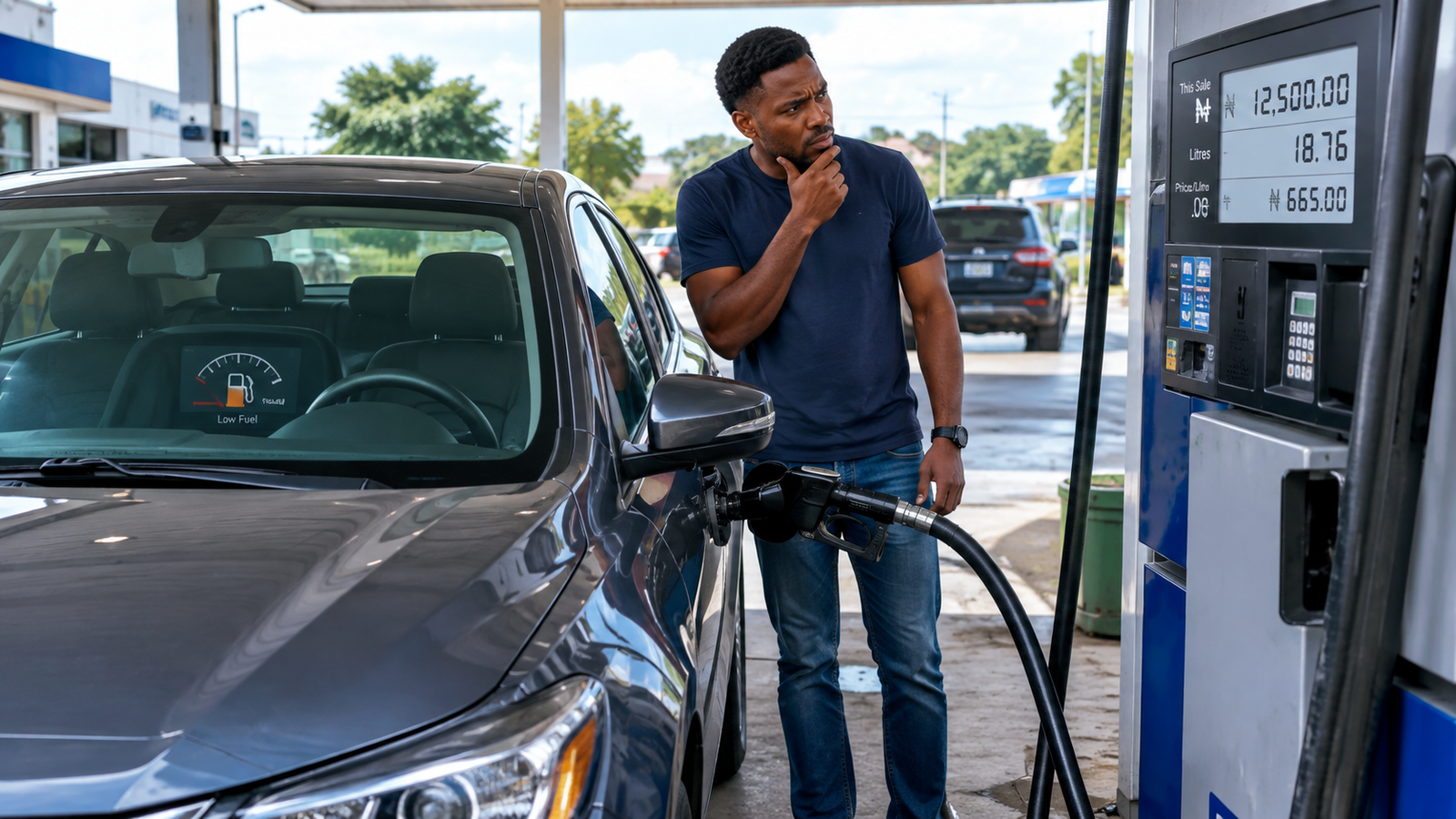
Car fuel expenses are a very common expense which comes with car ownership and use. For what the car is used for—commutes, family travel, business, or long-distance trips—fuel is a large item in the driver’s budget. Also, many drivers do not keep track of their fuel spending over time. They may recall a purchase here or there but have no idea what their total spend is each month or that their car has become less fuel efficient.
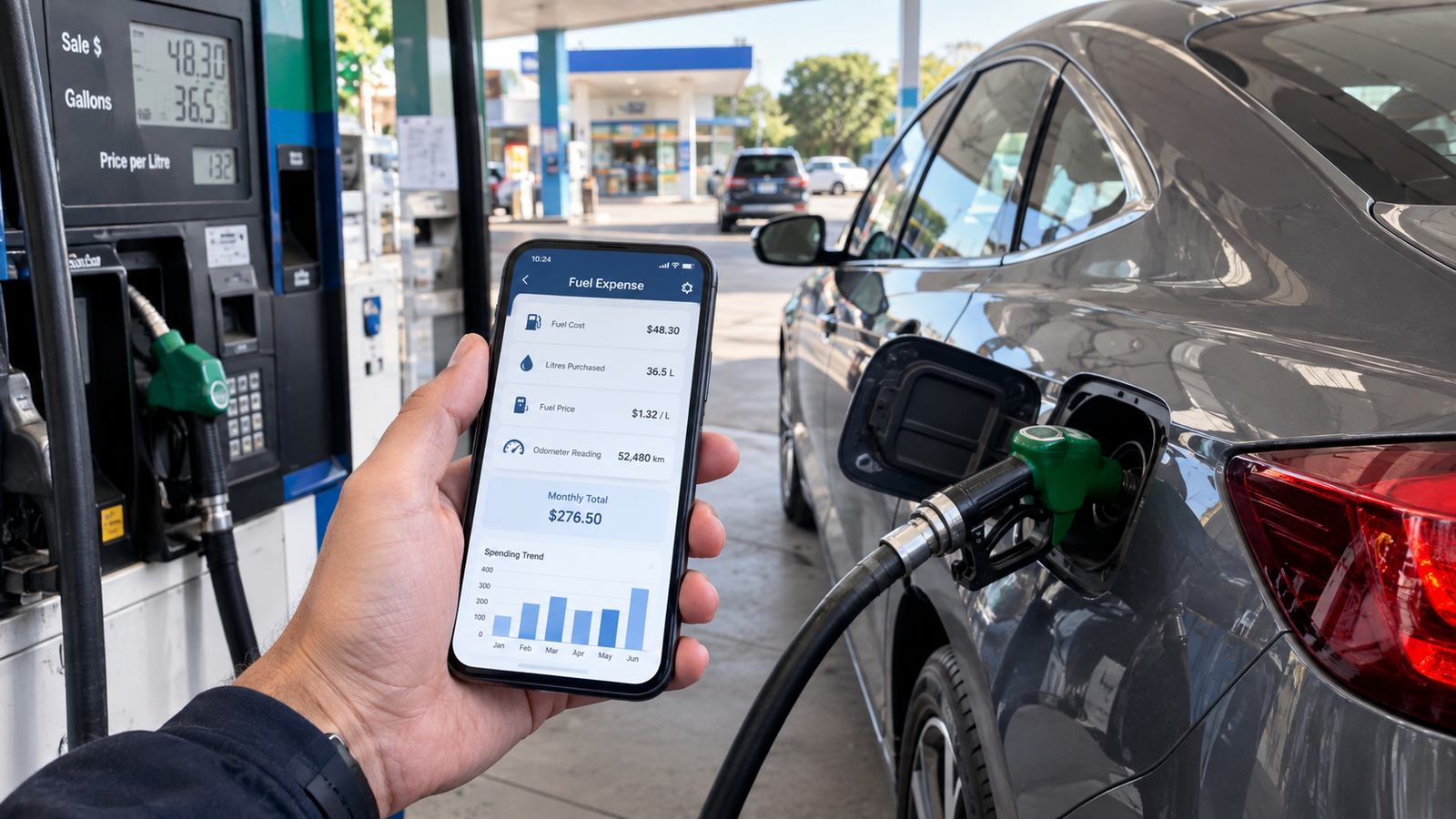
A smartphone is a great tool for this. While out and about, drivers may use notes, spreadsheets, and special apps for logging fuel-up details, mileage, fuel prices, and all other car-related expenditures. Over time, what appears is a history of the vehicle’s operating costs. Also, by means of fuel-tracking applications, routine fill-ups can be turned into a useful data set for budgeting, watching fuel use, and, in the larger scheme of things, managing the total cost of the car.
Why Tracking Fuel Expenses Matters
Individual fuel purchases may go unnoticed when looked at by themselves, but as a whole, they add up to large amounts over the course of a few weeks or months. Also, without a system of organization, it is too easy for drivers to underreport what they are spending on fuel. By keeping track of each purchase, you get a better picture of what you’re spending, which in turn makes it easier to put transportation into a personal or household budget.
Fuel data also reports on a car’s petrol use, which in turn may cause a driver to notice that they stop at the pump more frequently without at first realizing why. In past months’ reports, we find out how current fuel use compares with what was seen before. Also helpful is that this information may alert a driver to changes in their own behavior, traffic flow, car maintenance, or other issues that play into fuel efficiency.
How Smartphones Simplify Fuel Tracking
Most drivers have their smartphones with them at all times, which makes them great tools for tracking vehicle expenses. Instead of waiting to record the price paid for fuel until later, a driver can log the information right after they fill up. This also reduces the issue of lost receipts and uncertainty about which exact amount was spent or what the car’s meter read at the time.
Smartphones have made it easy to maintain large sets of information. With paper receipts, you may lose the record or they may get damaged. Also, handwritten notes may require you to do the calculations yourself. A fuel-tracking app allows you to put information into a cloud-based system that keeps it all in one place and allows you to sort it by date, mileage, or type of expense. Also, some of these apps do the math for you and present average spending and spending trends, which in turn helps you better understand what your car is costing you.
Important Information to Record
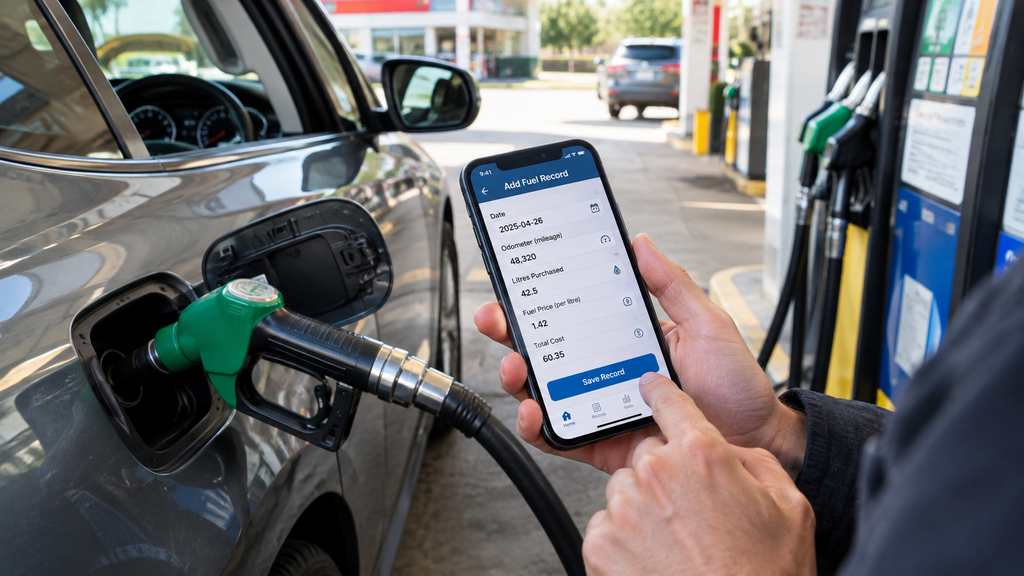
The fuel quantity purchased and total cost are very important things to put in the record. Also, it is important to log the price of fuel, as that can change and affect your spending even if the car is using the same amount of fuel. By keeping track of this information together, it helps the driver see what is causing the changes in fuel costs.
Mileage matters because the amount spent on fuel does not tell the full story. In a given month, a driver may spend more simply because they put more miles on the car. By recording the odometer at each fill-up, you are able to see the correlation between fuel use and distance traveled. Over time, this information may help drivers identify trends in fuel use and determine how well their vehicles are performing.
Recording Dates and Fuel Purchases
Recording the date for each refuel allows you to create a time record of vehicle costs. You can look at different weeks and months which may have seen an increase in spending. For example, greater expense may have been a result of longer trips, more traffic, or changes in daily travel routines. Also, recorded dates make it easy to see how often the car is being refueled.
Drivers may also report which fueling station they used, which can provide a different picture when looking at spending. While this is an optional element of the report, it does add value because it allows drivers to do a better job of comparing fuel prices and seeing if station choice is playing a large role in the overall transport expense picture.
Tracking Other Vehicle Expenses
Fuel is just one component of car operating costs. Also included are maintenance, repairs, insurance, parking, registration, and out-of-pocket expenses for replacement parts, which can all add up to a large portion of what it costs to own a car. Tracking these along with fuel will give you a full picture of your transport expenses.
Organizing expenses by category makes them simple to review. Also, a driver may find that maintenance and repair work are a greater part of the total spending than they think. With this information at hand in a smartphone app, it is easier to budget and plan for future expenses, which in turn will help reduce the element of surprise related to the total cost of vehicle ownership.
Manual Fuel Tracking With a Smartphone
Manual fuel tracking is done after each of your fuel stops. You may use a notes app, spreadsheet, or a dedicated fuel-tracking app to log the date, mileage, litres of fuel put in, and total cost. Also, some drivers may note details like traffic issues, long-distance trips, or other elements which play a role in fuel use.
One benefit of manual tracking is that it gives the driver full control of what is recorded. The system can be as simple or as detailed as you require. At the same time, manual tracking requires consistency. Failing to record a few fuel stops leaves you with gaps in the data, which in turn makes it hard to determine accurate spending and fuel-use trends.
Using Notes or Spreadsheets
A simple notes app may be what a driver needs to track their fuel expenses in a basic way. You may put in the date of purchase, amount spent, type of fuel, and also the mileage. This is an easy system to use that doesn’t require you to install special software, which in turn makes it very practical for a new fuel logbook user.
Spreadsheets offer better organization through automatic total and average calculations. We see that columns for dates, mileage, fuel costs, and other expenses may be created by the driver. At the same time, putting detailed information into a spreadsheet via a smartphone may be a more involved process. Also, there are dedicated fuel-tracking apps which provide a more convenient option for drivers wanting in-depth reports and easy calculations.
Automatic Fuel Tracking
Automatic fuel tracking reduces what the driver has to enter by hand. What the app will do depends on the technology, as it may collect mileage, trip information, or location data. Also, this is very useful for those that log a great deal of mileage and may have a hard time keeping up with each trip individually.
Automatic tracking does not totally run independently of manual input. Fuel purchases may still have to be entered or approved, and what is collected automatically should be looked over for accuracy. Also, drivers should look at privacy issues, battery use, and the permissions which an app requires before they decide if automatic tracking is right for them.
Manual Tracking vs Automatic Tracking
Manual tracking is easy and puts decision-making power in the driver’s hands. Each input can be reviewed before it is saved, and drivers may include personal data which may not be identified by an automatic system. Also, this doesn’t always require extra technology or special vehicle equipment.
Automatic tracking is an option most preferred by drivers who travel regularly or manage many vehicles. We see that it reduces the repetitive task of data entry and is also able to put together very detailed reports at the same time. For some drivers, a mix of both methods may work best, which is to have the automatic system track mileage while the driver handles fuel purchases and other key expenses.
How Historical Records Reveal Fuel Use Changes
A single tank of fuel may not tell the whole story, but over a period of a few months, useful trends will be seen through data collection. Drivers can compare fuel use for the same distance traveled at different times of the year. Also, if you notice that your car is slowly using more petrol over time, the old data is a way to prove that fuel efficiency is, in fact, going down.
There are a variety of factors which may cause changes in fuel efficiency. Heavy traffic, different routes, frequent short trips, extra vehicle weight, and changes in driving habits can all play a role. Also, maintenance issues may be a factor. While fuel records don’t identify mechanical issues, they do help drivers notice unusual changes and, in that regard, perhaps avoid unnecessary repair costs.
Using Car Fuel Expenses for Better Budgeting
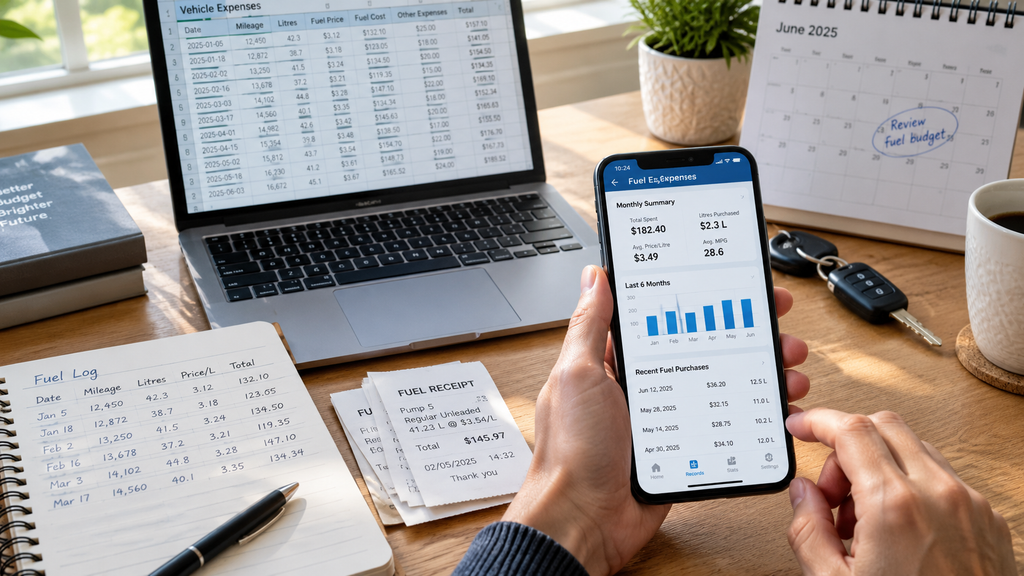
Accurate fuel logs in which you track your spending will put you in a better position to create a realistic transport budget. Instead of speculating about how much to set aside for fuel, you may look at past data and determine a typical monthly spend. This information, in turn, puts a better structure around your future expense plan.
Fuel data also plays a role in helping drivers see the results of fluctuating petrol prices. We see that with the rise in fuel costs, historical data reports may show what is primarily causing the increase. Is it the price which has gone up, or have we increased our use of fuel? This information, in turn, helps drivers either adjust their budget or look into methods which improve their vehicle’s efficiency.
Setting Fuel Spending Goals
After going over past records, drivers can set reasonable weekly or monthly spending targets. These targets may also help to reduce unnecessary spending and encourage drivers to pay more attention to how frequently they use their vehicles. A fuel-tracking app which displays totals and averages in one place may make this easier.
Spending targets should be flexible, which is to say that unforeseen trips, traffic issues, or fuel price changes may affect transport costs. The purpose of tracking is not to put impractical constraints in place but instead to present useful information. As drivers record their regular fuel costs, they are also able to notice out-of-the-ordinary increases, which in turn can improve their financial decision-making.
Fuel Tracking and Everyday Driving Decisions
Fuel reports may help drivers see what effect their everyday habits have on vehicle expenses. A person that makes multiple small trips daily may find out that combining them into one trip may reduce unnecessary driving. Also, with better information on the financial impact of their travel, people may put more thought into their route choices and which trips they take.
Tracking also includes the ability to compare various kinds of driving. In city traffic, stop-and-go traffic, and on long highway trips, fuel consumption may differ. Also, historical data which we log provides information on which conditions suit your car best and in what conditions you may be overpaying for transport, which in turn helps in reducing those costs.
Tips for Keeping Accurate Fuel Records
Consistency is key in successful fuel tracking. Drivers should record information right away after a fill-up instead of waiting, which in turn will reduce the chance of them forgetting the mileage, the amount they put in, or the total cost.
Using the same recording method at all times also improves accuracy. Drivers should decide which information to track and report on it regularly. Also, by looking over the reports at regular intervals, you will be able to see what may be missing and which key changes in fuel use or spending are taking place.
Choosing the Right Fuel-Tracking Method
Which tracking method is the best fit is based on how a person uses their car and what type of data they wish to collect. For an occasional user, a simple notes app may be enough, but for the daily driver, a dedicated application with automatic features and in-depth reports may be more useful.
The key is in choosing a system that you will use going forward. An app which has many features may not be useful if you do not maintain your records consistently. Also, a basic solution that is updated regularly can be very productive in tracking fuel costs and vehicle expenses.
Conclusion
Tracking your car’s fuel use with a smartphone app is a great way to get better control of your transport costs. By noting down fuel purchases, miles traveled, fuel prices, and other expenses, drivers can create a detailed history which, in turn, gives them much more useful information than what they get from memory or single-item receipts.
Over time, digital fuel records will show trends in fuel use, point out which areas of spending have increased, and, in turn, support better budgeting. As drivers choose between manual input, automatic tracking, or a mix of both, what they put into the system can be used to present useful information on the total cost of vehicle ownership and operation.