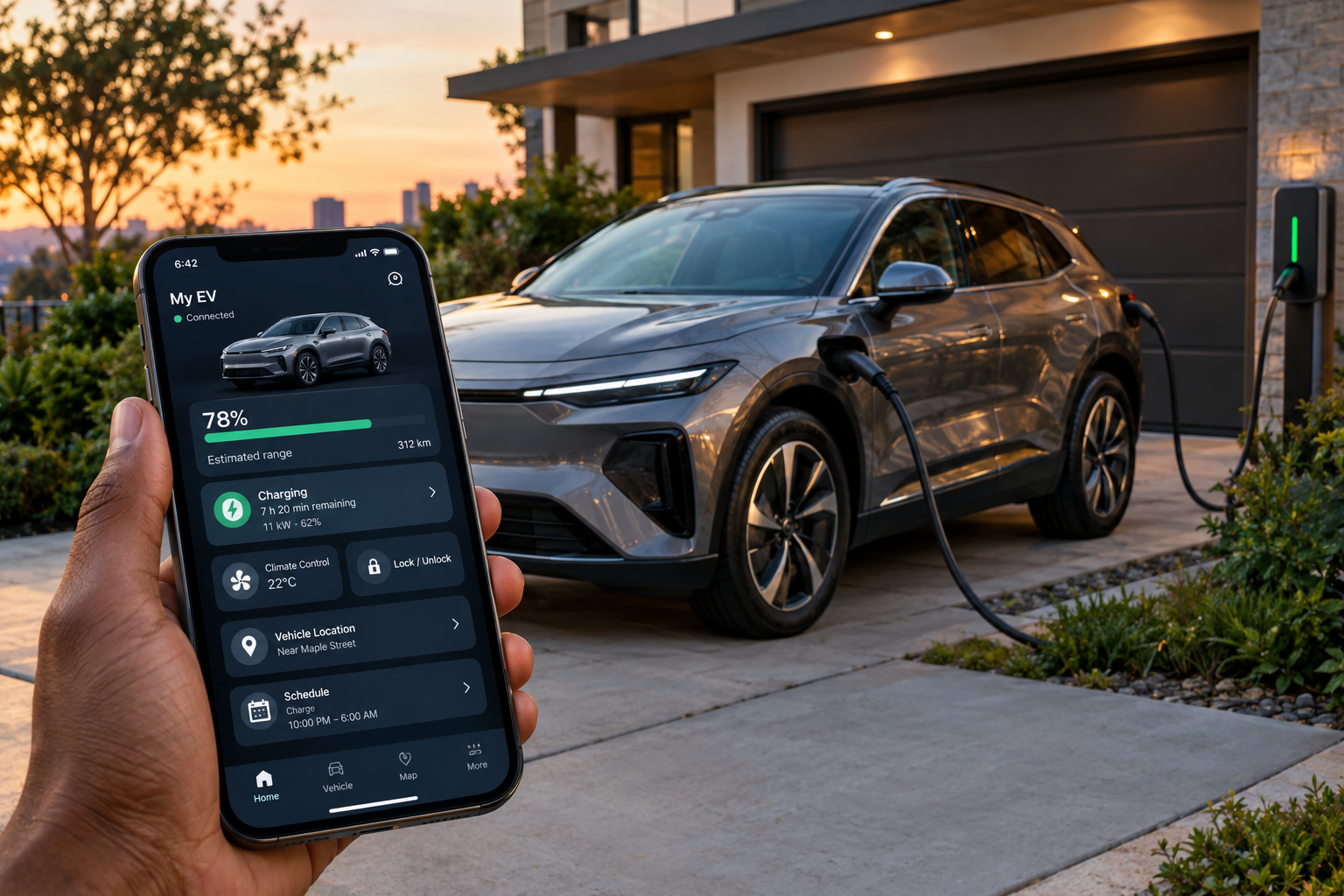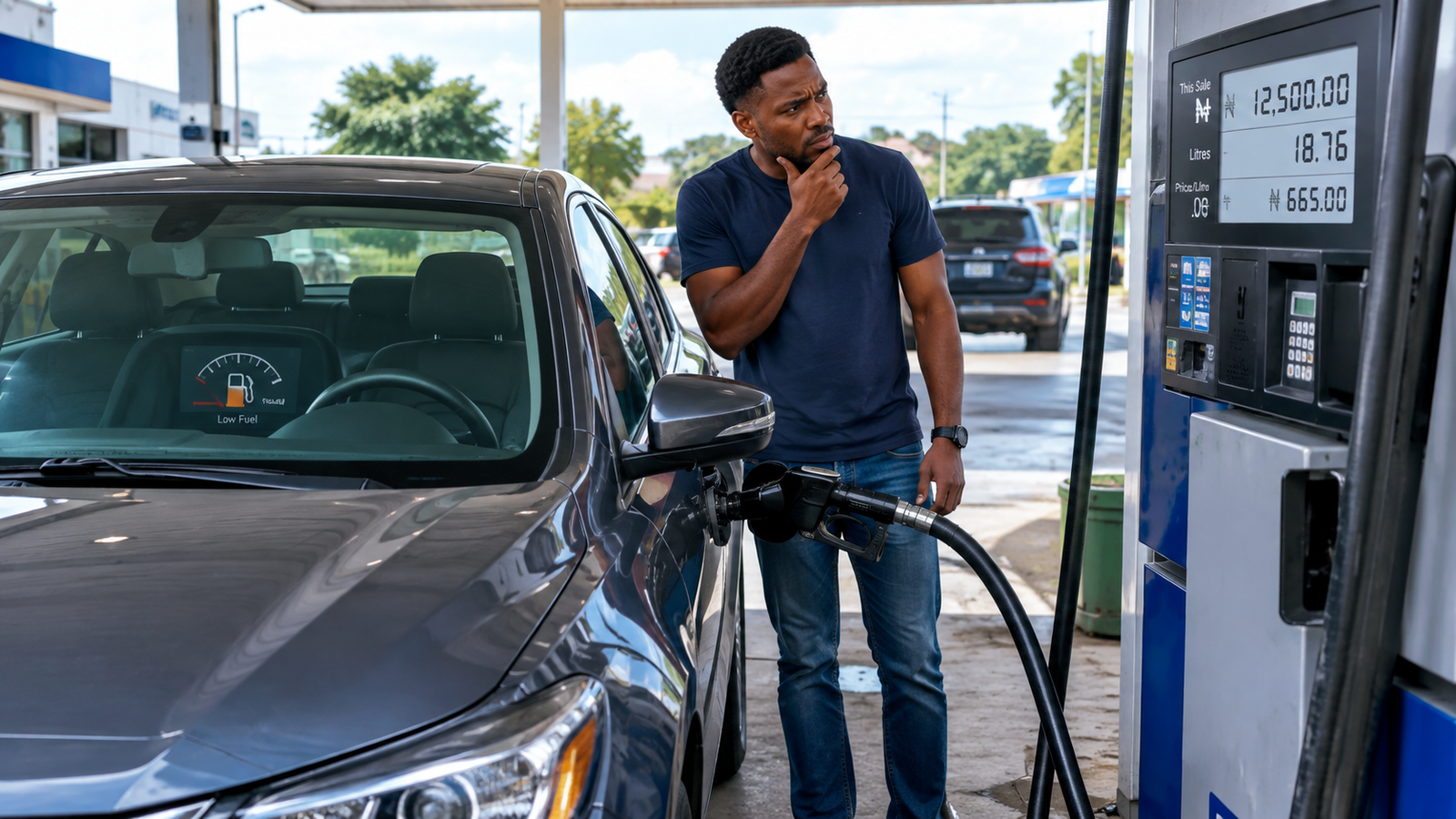
High fuel consumption can happen for a number of everyday reasons, like heavy traffic, short trips, road and track conditions, carrying extra items in the car, and when your driving habits change. But when you see a vehicle using more fuel than is normal for it, that may be a sign of a maintenance or mechanical issue. By which we mean that paying attention to these warning signs will help drivers to identify at an early stage anything which may be out of the ordinary with fuel use.
A fuel-hungry car may see a greater-than-average increase in operating costs over time. Which car models get the best gas mileage, how often do you have to fill up, what are the running charges, what does the dash report, how is the engine performing, and the health of your tires—all of these can tell you if changes are within the normal range or if it may be time for a shop visit.
Understanding Normal Fuel Consumption
Fuel economy is not a one-size-fits-all issue. What you get for fuel use is a function of engine size, vehicle weight, transmission type, how you drive, and your habits at the wheel. Also, smaller cars tend to get better fuel economy than larger SUVs or trucks do, which is also affected by traffic and how much time is spent idling in stop-and-go traffic.
The best method of identifying abnormal fuel use is to compare a vehicle’s present performance with what is normal for that vehicle under similar conditions. Also, see if there is a steady decrease in fuel efficiency over a series of weeks or fill-up cycles that should be looked into.
Declining Fuel Economy
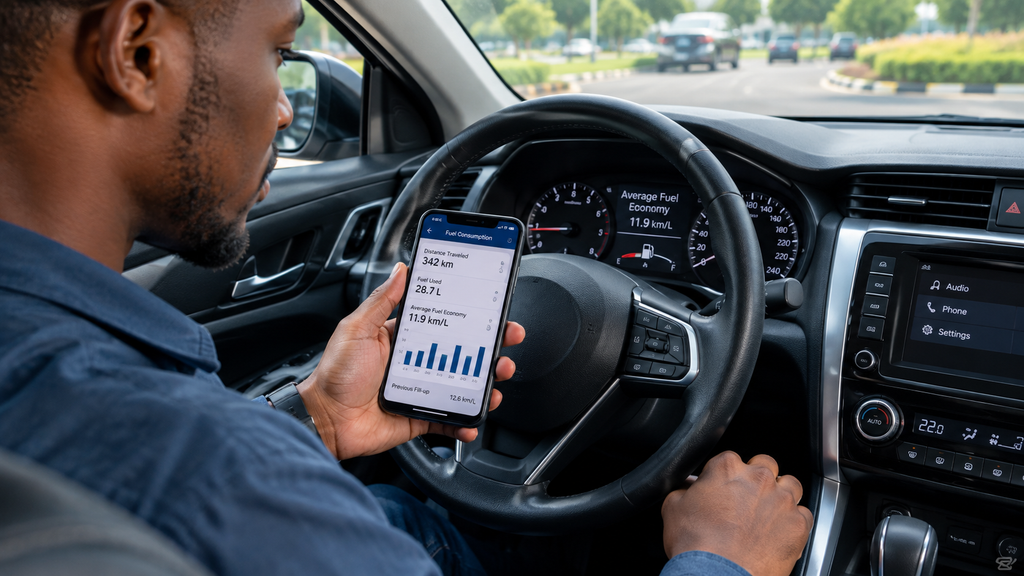
A very clear indicator that a car may be wasting fuel is when you see a drop in fuel economy. This means the car is going for fewer kilometers with the same amount of fuel. If you note that your car used to cover a certain distance on a full tank of gas but is now requiring more frequent refills for the same trips, it may be that the car has become less efficient.
Drivers may determine fuel efficiency by logging the number of miles traveled and the fuel used. That which is put in terms of distance in miles over the fuel bought in liters gives you the fuel efficiency in mpg. Also, out of many fill-up cycles, it is easier to see a real trend instead of a temporary shift.
Comparing Current and Previous Results
Comparing current fuel economy to past performance is a better method of judging consumption than looking at a single trip. Traffic, weather, road conditions, and driving style will cause variation, but a consistent downtrend may indicate that there is an issue which requires attention.
Manufacturer fuel economy numbers are a good starting point, but in practice, you may see different results. Looking at the car’s past performance is also a better option, as it includes your regular routes, conditions, and driving habits.
Frequent Refueling
Fuel consumption going up is also a sign that you may have to visit the fuel station more frequently than what is normal for you. Most drivers get to know how far they can go on a tank of fuel from their usual driving routine. If that routine doesn’t change but you find yourself using more fuel, that is a reason to look into.
Frequent refueling may also be a result of everyday things like heavier traffic, more passengers, more short trips, or the use of air conditioning. Also, when such factors don’t account for the difference, which is to say that the difference is out of the ordinary, we see that which vehicles are really using more fuel can be determined by which ones’ fuel economy is lower than expected.
Increased Cost Per Kilometer
Fuel prices may go up, but a car’s efficiency may not, which means that total spent on fuel may be a little out of date as a measure. Also, look at the cost per km, which is a useful way to see your vehicle’s operating costs.
A growing cost per kilometer may be a sign of declining efficiency, which we see when fuel prices and driving conditions are fairly stable. To reduce the uncertainty drivers have in this issue, they should keep records of fuel purchases and also distance traveled, which in turn will help them determine if the increase in costs is due to fuel prices or the car using more fuel than it did before.
Dashboard Warning Lights
Dashboard warning indicators which report on fuel economy issues are a good source of info. In today’s cars, we have sensors and electronic systems that pay attention to engine performance and other elements which play a role in efficiency. A check-engine warning may be a sign that there is an issue which requires a diagnostic look-over.
A warning light may not indicate fuel consumption issues specifically, but should not be disregarded when you see it with a drop in fuel economy. Also, we use diagnostic testing to determine which systems need more attention and which do not, to avoid random part replacement.
Engine Performance Changes
Changes in how the engine performs at times reflect increased fuel use. Rough idling, hesitation, reduced power, vibrations, and poor acceleration are telltale signs that the engine is not performing as it should. Paying attention to engine performance changes may alert drivers to fuel efficiency issues related to vehicle performance.
Issues which affect ignition, fuel delivery, air intake, sensors, and other elements of the engine may see reduced performance. Also, because many different issues may present the same symptoms, it is best to properly diagnose persistent performance changes instead of assuming a single component is at fault.
Loss of Power and Poor Acceleration
A car which is performing below normal may require you to use the throttle more in order to keep up with speed or while accelerating. What some drivers may also notice is a decrease in the quickness of the take-off at the drop of a hat, a hard time in the effort of climbing over hills, and a whole different ball game when you step on the gas pedal. Also, these issues may at the same time see an increase in fuel use.
Some mechanical and electronic issues may cause poor acceleration, which in turn may include problems within the fuel system, ignition system, air intake, or engine sensors. Should you see that performance issues persist and at the same time note a change in fuel economy or the appearance of warning lights, we may have a more serious issue on hand, and a professional inspection is recommended.
Tire Pressure and Fuel Consumption
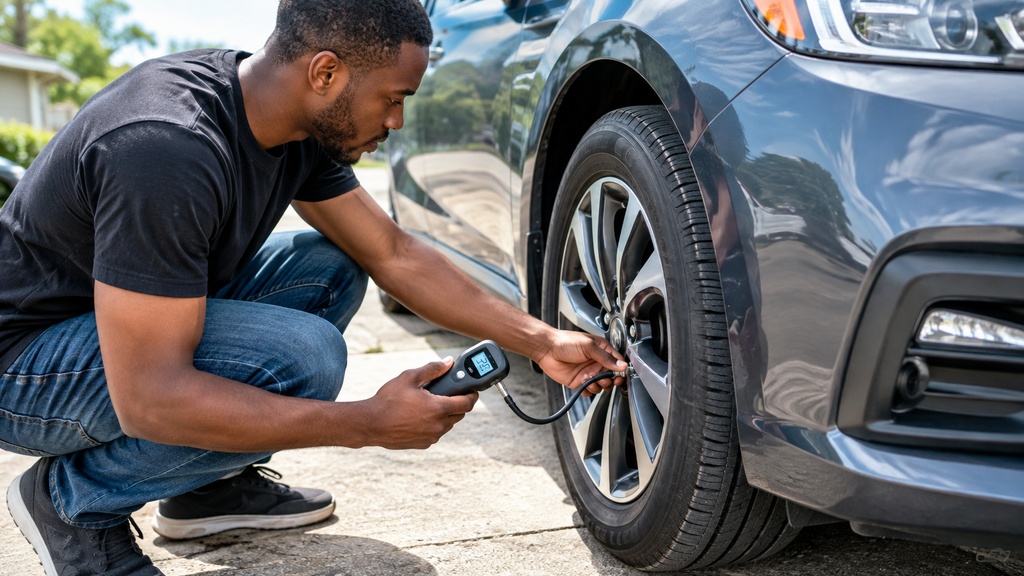
Improper tire pressure will increase fuel consumption, as tires that are underinflated put up more resistance to the road. Also, the engine has to work harder to move the vehicle, which in turn may cause a gradual increase in fuel use and operating costs.
Drivers should perform regular tire pressure checks according to what the manufacturers recommend. Also, low-pressure issues are at play in uneven wear and in the issue of fuel economy, and by keeping to these recommendations, you will be safer.
Wheel Alignment and Tire Condition
Wheel out of alignment also plays a role in how well a car performs. Poor alignment may cause increased resistance and uneven tire wear. If your car pulls to a side or is seeing unusual wear, it may require a closer look.
In the report of excessive fuel consumption, we should note the general state of the tires. Proper pressure maintenance, correction of alignment issues, and replacement of worn-out tires will help to reduce unnecessary resistance and improve efficiency.
Possible Mechanical Causes
Several issues with the mechanics and electronics of a car can cause it to use more fuel than normal. Issues like faulty sensors, fuel system problems, ignition issues, restricted air intake, and emissions-related faults can all play a role in how well the engine performs.
In the present, where modern vehicles are connected systems, diagnosis of excessive fuel consumption goes beyond the replacement of a single part. A full inspection is required to determine the actual cause, which in turn helps to avoid unnecessary repairs and the issue of continuous spending on excess fuel.
Poor Maintenance
Fuel economy may also see a slow drop-off as maintenance is put off. Issues like worn-out parts, neglect of service, and other maintenance problems may play a role in how well your car performs, which in turn may cause higher fuel use.
Following the producer’s maintenance advice, which in turn reduces put-out-of-action efficiency issues. That you see a steady increase in fuel use as a driver reports into your maintenance, which may be past due, and have the vehicle checked out.
When Does High Fuel Consumption Become an Issue?
Fuel usage doesn’t always indicate a problem. In heavy traffic, for short, frequent trips, extended idling, steep roads, heavy loads, and aggressive driving, your car may use more fuel.
The issue is made more serious when we see poor fuel economy which has no clear cause. Frequent refueling, rising costs, warning lights, poor engine performance, and tire issues which present at the same time are better indicators that the car may require a check-up or repair.
Conclusion
A car may see high fuel use when it runs out of gas more often, reports low mileage between fill-ups, is more expensive to run in total, and also comes up with warning lights and performance problems. Also, issues with tire pressure and large-scale wear and tear may be what’s causing your fuel economy to drop.
The best approach is to look at fuel use over a period of time, which in turn will help to identify real issues as opposed to a one-time instance of high or low fuel use. Also, by maintaining simple logs and notes of changes in how your vehicle performs, you may be able to tell the difference between what is normal and what may be a sign that professional maintenance is required.